
As the season begins to change in earnest and early summer starts to set in, daytime temperatures often rise above about 25–27°C, and on days when the sunlight is intense, even during a short outdoor activity with no strenuous movement, you may find yourself unknowingly sweating, with droplets forming and sliding down. When sweat starts to run, it can feel unpleasant and sometimes uncomfortable, so you may strongly feel like going home and taking a clean shower.
�a0
�a0
Our bodies have many areas where sweat can appear. In particular, hair can sweat a lot too, so many people try to keep it clean every day. Also, even when the weather is not hot, for hygiene reasons some people shampoo once or twice a day, in the morning or evening, or even more often. You may keep your own routine and do this as a regular part of the day without ever seriously thinking about what effect it has. In this article, we will look in detail at whether washing your hair frequently can cause problems for the scalp and hair.
�a0
�a0
The first concern is probably that when you rinse and wash natural hair, you may see a large amount on your fingers or in the drain, and worry for no reason that you might have a hair-loss condition. If you misinterpret this as a preventive issue, then not washing regularly can clog pores, worsen scalp health, and make hair tangle and shed more easily.
�a0
These symptoms do not mean that hair is falling out because you wash it frequently; rather, the natural hair that was already due to shed is being released at the same time as it is cleansed. Although it is hard to give an exact number because it varies from person to person, if you have normal hair, it is generally said that about 50 to 100 hairs shed in a day. The hair growth cycle consists of the anagen, catagen, telogen, and exogen phases, and among these, the most important stage is the anagen phase. This usually means a period of about 3 to 5 years during which natural hair becomes thicker and grows healthily.
�a0
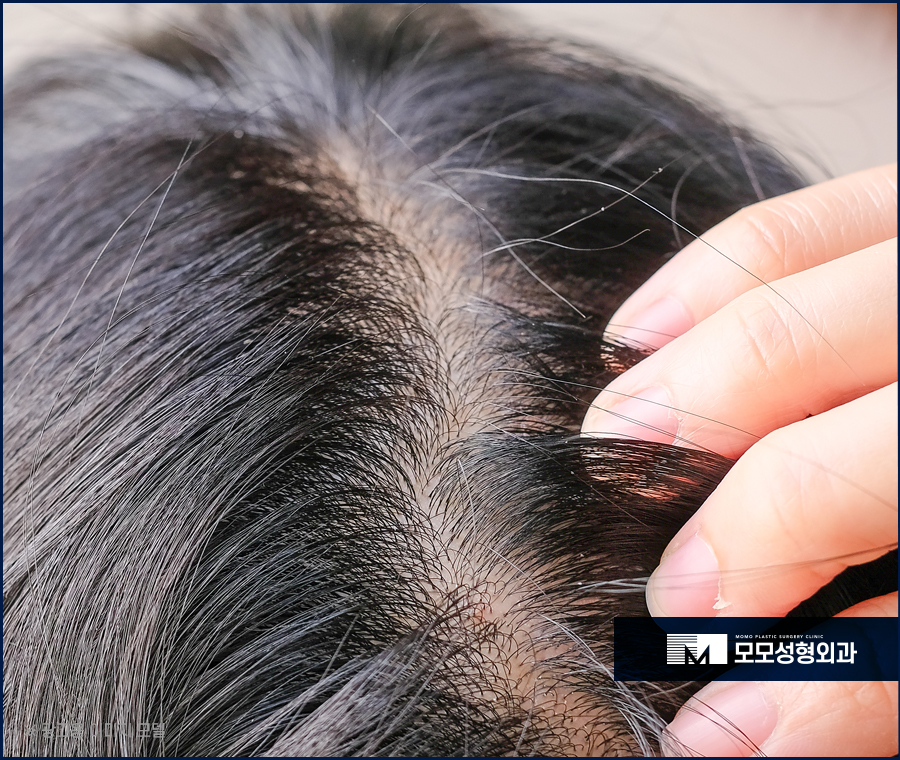
Therefore, unless you specifically have a condition that causes unusual hair shedding, this is something you do not need to worry about too much. However, if you wash too frequently, the scalp surface can dry out easily and become damaged. In that case, you should be aware that inflammation may develop or bacteria may multiply, weakening hair health and potentially leading to hair loss.
�a0
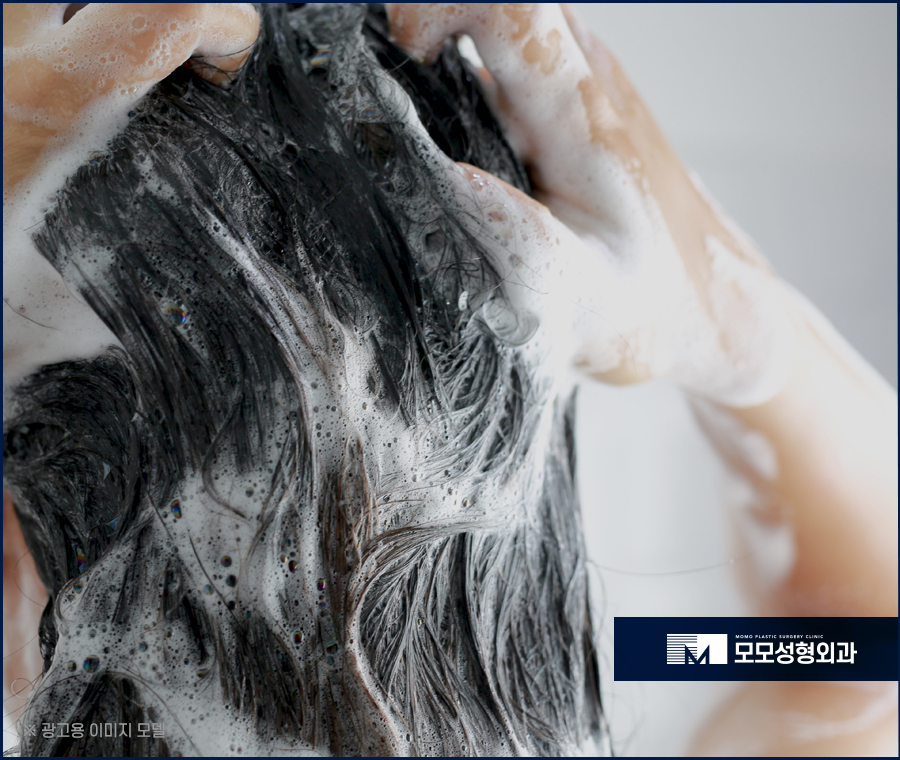
It may help to determine what type of scalp you have before deciding whether washing your hair frequently is appropriate. Oily scalp generally refers to the kind that produces a lot of sebum, often called greasy hair. If you wash it in the morning and, as time passes, you feel oil building up on the scalp by evening, this may be that type. For this kind of hair, if you do not wash it even for a day, inflammation may occur, so washing it regularly every day, about twice a day in the morning and evening, can be beneficial for keeping it clean.
�a0
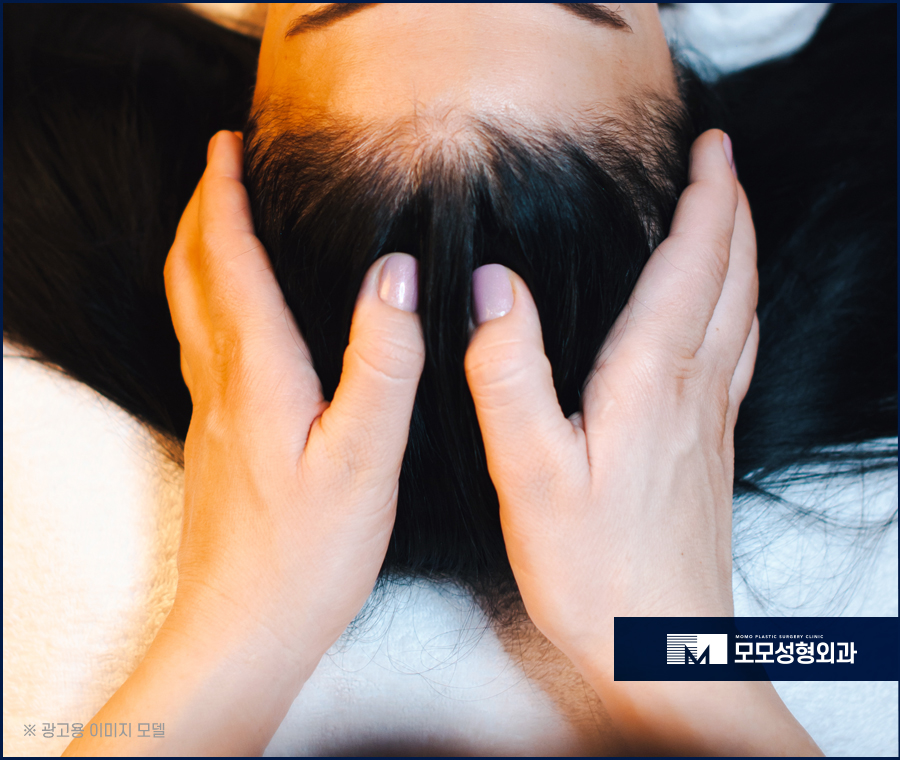
If you fall into the normal range, washing once every 1 to 2 days is recommended. If you have a dry scalp, washing your hair too often can make the skin lose moisture, trigger itching, and, if you scratch unconsciously, cause pain. In that case, washing every 2 to 3 days on average and using products that help soften the hair may be beneficial.
�a0
In addition, many people with hair-loss conditions also have an oily scalp type. Washing your hair frequently can help prevent inflammation, and if you are already experiencing inflammation, using a dedicated brush and avoiding excessive stimulation until it subsides can help you maintain cleanliness.
�a0
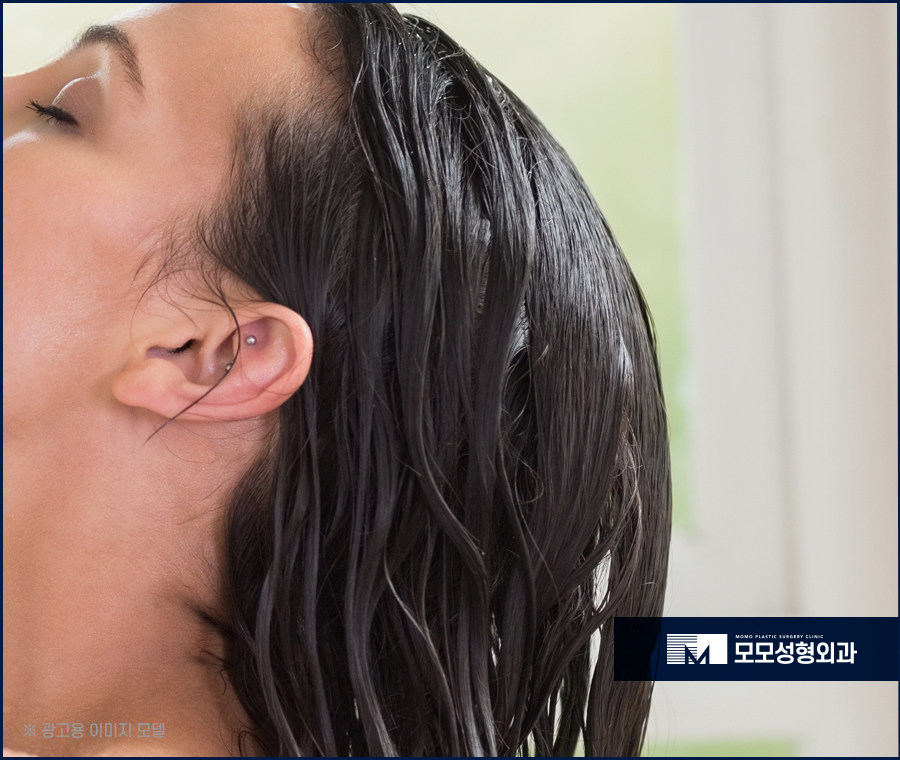
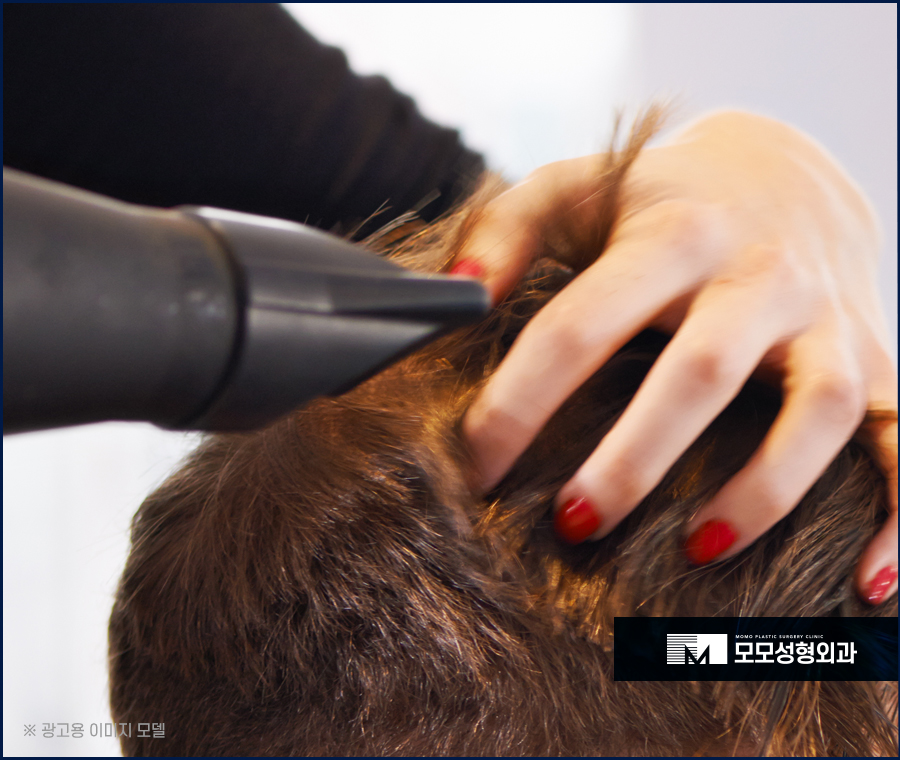
Washing your hair frequently can help maintain a healthy condition, but the most important thing is to know and follow the correct method and to choose a time when you can leave enough time to dry your hair thoroughly. The preferred time of day will differ from person to person, but if you cannot dry it properly after washing, morning may be the better choice. This is because if you go straight to bed without drying it, the hair remains damp while you sleep, creating the perfect environment for bacteria to thrive. As various germs multiply, symptoms such as itching and dandruff may appear, so caution is needed.
�a0
In particular, summer brings the humid rainy season, and if you have a habit of leaving wet hair undried, you should keep in mind that this can lead to hair loss. However, since mornings are usually busy with school or work and leave little time for careful washing, rinsing, and drying, it may be better to wash your hair slowly and thoroughly in the evening, after finishing the day, so that you can remove all the dirt, sebum, and secretions accumulated from outdoor activities and dry it completely. This can be a solution for protecting overall scalp health.
�a0
And there is something more important than frequency: the correct shampooing method. Hot water should be avoided because it can cause minor burns to the skin and have a negative effect on the hair, so using lukewarm water is said to be helpful. Many people scratch the skin with their nails to feel refreshed, but since this can cause wounds, maintaining this habit for a long time may contribute to hair loss. You should wash gently, massaging with your fingers instead.

�a0
It is also important to rinse several times so that no residue remains on the skin or hair. When drying with a hair dryer, hot air can damage the fibrous structure that makes up the hair, causing it to break or fall out, so it is helpful to dry it with cool air.