Before we could even fully enjoy the warm spring season, when all things begin to revive, we found ourselves entering the early part of summer. These days, daytime temperatures above 30 degrees Celsius have become routine, and with the rainy season now in full swing, on days when the rain pours heavily, the high humidity makes the whole body feel sticky, and many people struggle with sweat running down even when standing still. In a season with strong ultraviolet rays and rising temperatures, natural hair growth is said to be less than ideal. According to a paper published in the British Journal of Dermatology, the period when hair-loss-related conditions occur most frequently is August and September, with about twice as much hair loss as in March.
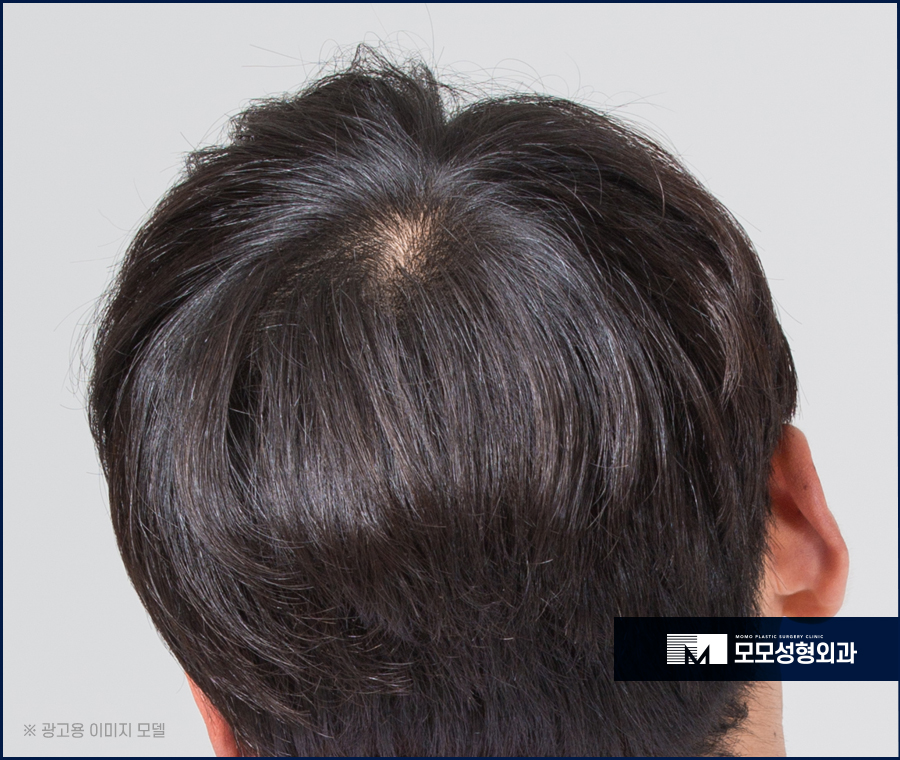
Therefore, summer is a time when even more attention and consistent care are needed. Some people complain that they lose especially a lot of natural hair whenever the seasons change, but this is said to be a temporary, normal phenomenon, so there is no need to worry too much. However, if more than about 80 strands of natural hair continue to fall out per day, it would be advisable to visit a relevant medical institution as soon as possible.
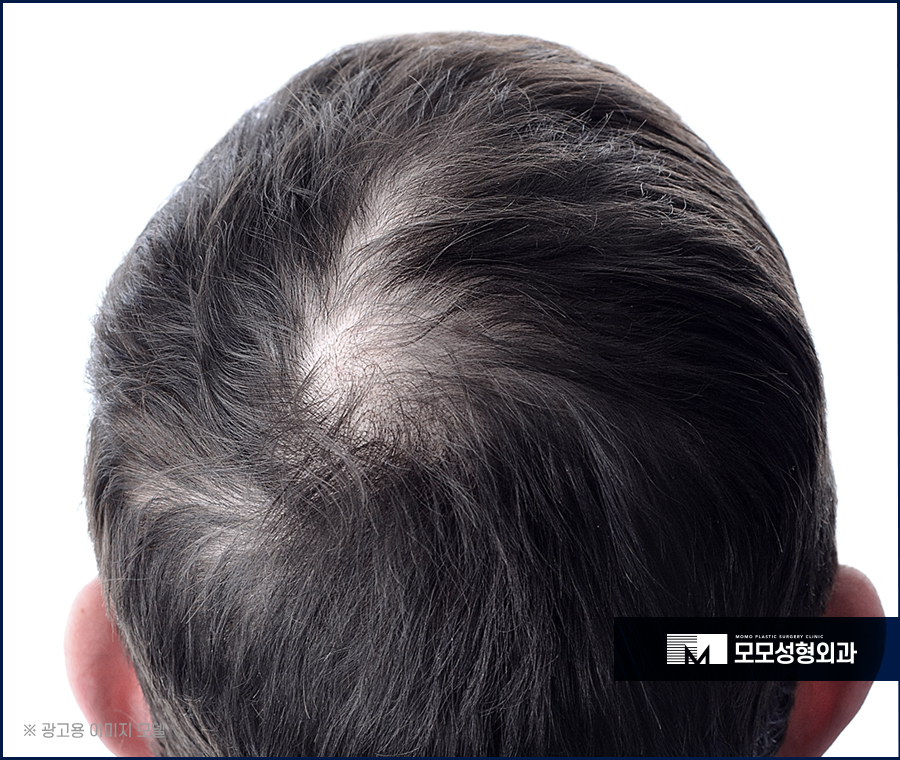
Also, if the left and right sides of the front hairline begin to recede and look similar to the letter M, or if the hair on the crown or forehead becomes thinner and gives a sparse, empty appearance, this is already a sign that a hair-loss condition has begun, so it would be best to visit a clinic that can respond quickly. Because some people become deeply concerned about the hair that keeps falling out during this season and wonder whether they should go ahead with summer hair transplantation or put it off for now, I would like to share some related information to help with that decision.

When considering summer hair transplantation, many people worry that because the weather is hot and the temperature and humidity are high, sweat is produced in large amounts, so the scalp may become hot, the treated area may be exposed to bacteria, and inflammation may develop. However, I can say that this is a misconception. Sweat is composed of electrolytes and organic substances and does not contain bacteria itself, so it does not cause infection, and if the treated area is properly disinfected and cared for, concerns about infection or worsening can likely be eased.
There may also be questions about the graft survival rate of summer hair transplantation in hot weather. If surgery is performed in summer, there is no statistical basis to say that wounds heal more poorly or that the graft survival rate decreases. Unless strong physical stimulation is applied to the implanted area, it can be said that the graft survival rate does not decline simply because it is that season.
 Then how should you care for yourself after summer hair transplantation?
At the most basic level, it will help to learn the correct shampooing and disinfection methods provided after the procedure and follow them at home. From immediately after the procedure up to about two weeks, it is good to shampoo gently so that the implanted area is not strongly stimulated. Take an appropriate amount of product, work up enough lather, apply it to the area where the hair was implanted, and rinse with running water so that no foam remains. Washing the sides and back of the head by rubbing gently is usually fine. When drying, avoid hot air and, even if it takes some time, use cool air so that unnecessary stimulation is not applied.
After washing, limit dressing to the donor area only by using disinfectant, and applying antibiotic ointment to that area may also help. However, one thing to be careful about is that dressing must be done only on the harvested area. It is absolutely prohibited to apply it over the entire scalp in the name of preventing inflammation, so this must be kept in mind.
Compared with other seasons, summer hair transplantation does not seem to be worse than expected. On the contrary, it may even work to your advantage when performed during a humid season, because it helps prevent the implanted area from drying out and makes moist care easier. Since it takes about six months for transplanted hair to settle and grow properly, summer can be a good time if you will have frequent year-end gatherings or meetings to welcome the new year in the coming winter.
In dry winter weather, many people feel that scalp conditions and dandruff worsen and hair loss becomes more severe. When the skin becomes dry, the supply of nutrients and moisture decreases, which can also negatively affect the hair follicles, and this can become a cause of conditions that lead to natural hair loss. Winter is also known as a season in which rapid temperature changes can affect hormones and make telogen effluvium more severe.
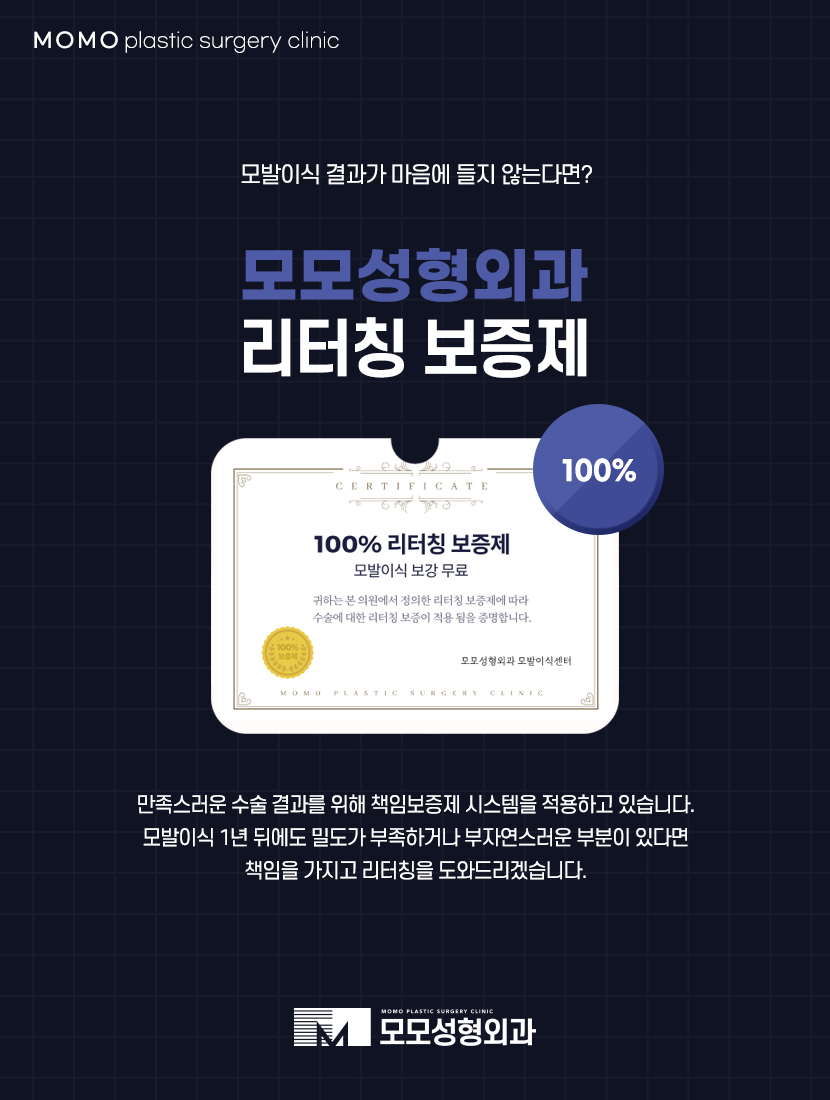
In addition, during this period there are often drinking gatherings and small or large meetings for the year-end and New Year holidays, which can lead to excessive production of cortisol, the so-called stress hormone, and increased sebum secretion. If the scalp is frequently exposed to an unclean environment, things can worsen further, so during this time it is advisable to avoid alcohol and smoking, maintain a balanced and regular diet and lifestyle, and get enough sleep.

Summer hair transplantation can be performed at any time without needing to distinguish between seasons, and there does not seem to be anything unfavorable simply because it is a period when a lot of sweat is produced. Rather, it has the advantage of allowing the treated area to be managed well so that it does not become dry. Since this procedure should be scheduled according to your own convenience and time availability rather than being influenced by the season, it may be helpful to choose the date that suits you best. Also, when choosing a relevant clinic to receive the solution, you should carefully observe and diagnose your overall condition from various angles, including your unique facial shape and feature ratios, the thickness and density of your natural hair, the direction of growth, and whether there are fine baby hairs, and check whether surgery is carried out based on a personalized design and a systematic treatment system. You should also confirm whether the surgeon has abundant clinical experience with a wide range of cases over many years and possesses highly skilled techniques.
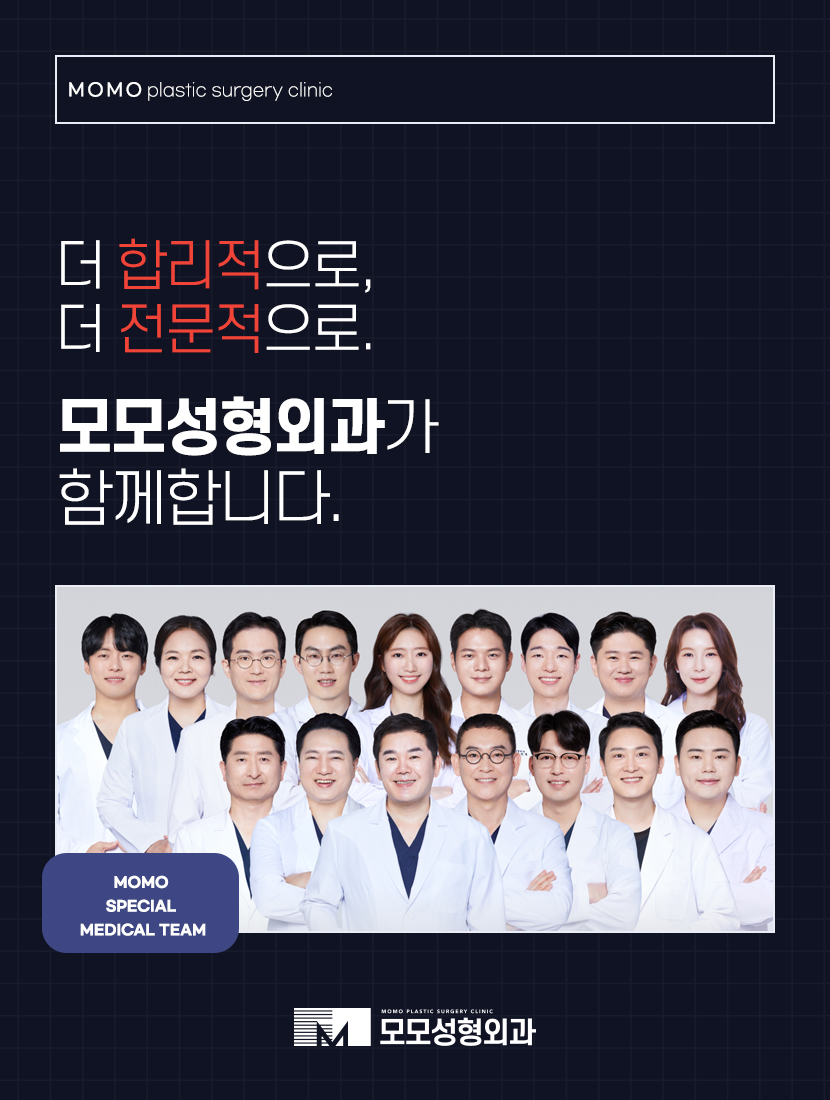
You should also decide after checking in advance key points such as whether the medical staff approach the process with a strong sense of responsibility, from the initial consultation to customized, dedicated aftercare for a high graft survival rate.