As time passes and we grow older,
it is said to be only natural,
but when you are actually going through
the process yourself,
there seems to be nothing more disheartening.
Of course, if the overall body and each
part of it are not experiencing severe
signs of aging, it may feel relatively less difficult,
but if the changes caused by rapid aging are
serious, you may worry that you have
contracted an illness.
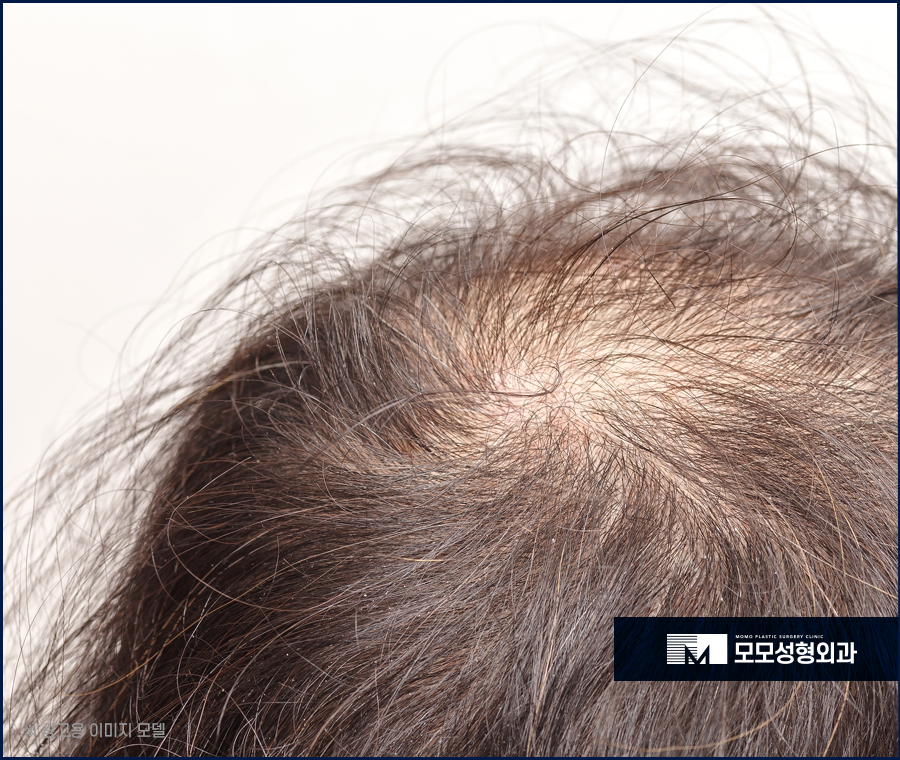
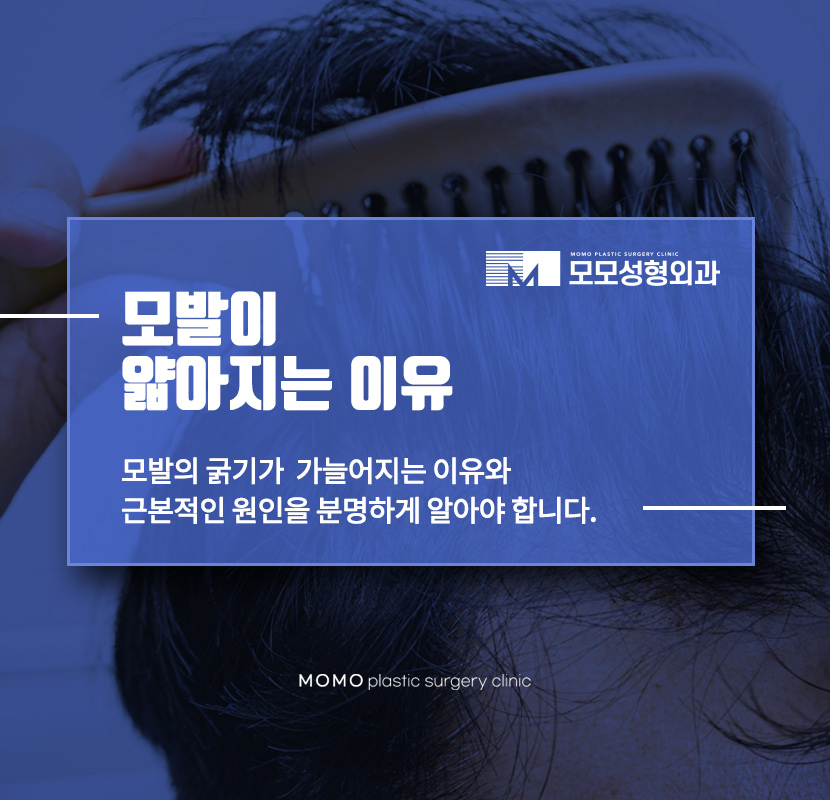
Among those changes, many people say that
healthy hair gradually loses strength and becomes thinner,
and they complain about this symptom.
If it is something you were born with,
it may not be a major issue, but if natural hair
becomes thinner later in life, it can be
considered a sign of hair loss. Once hair
starts to fall out, it may be difficult to
recover the same full volume as before,
so it is important to take proper action
as soon as these symptoms appear.
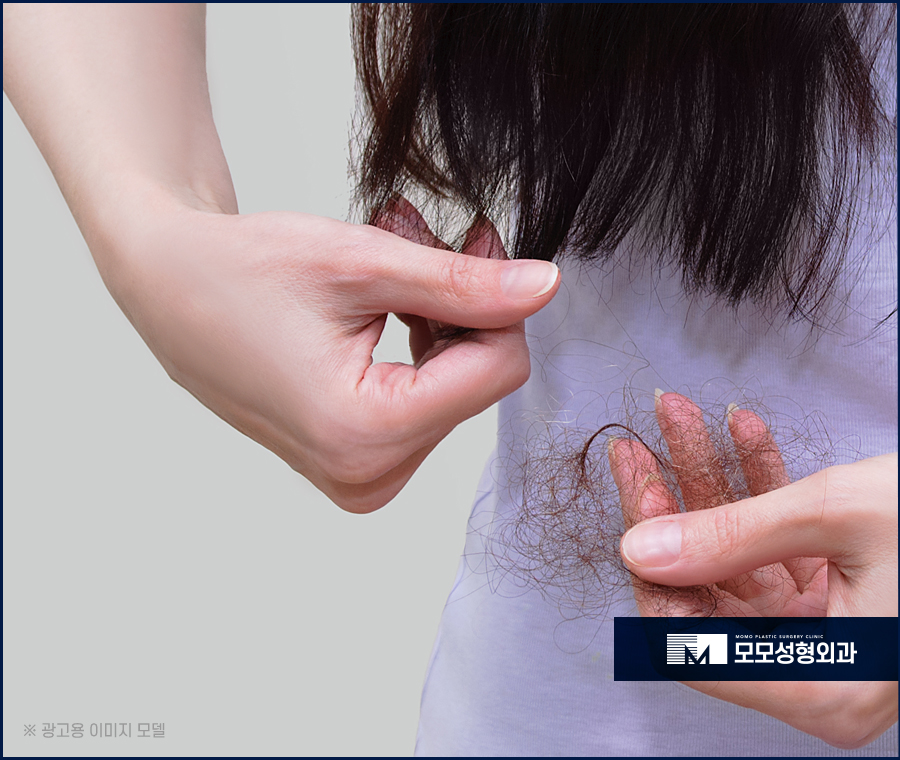
To do that, it is advisable to look into the
reasons hair becomes thinner, which can be
considered an early sign of hair loss, and find
ways to address them.
The reasons hair becomes thinner cannot be
pinpointed or stated with certainty as just one cause.
However, several factors are considered the main causes.
In general, it is known to occur when related to
changes in hormones such as testosterone and androgens.
In addition, not only that, but daily lifestyle habits
can also have a major impact, so if thinning hair is a concern,
it would be good to examine your usual habits and
see whether they can be improved.
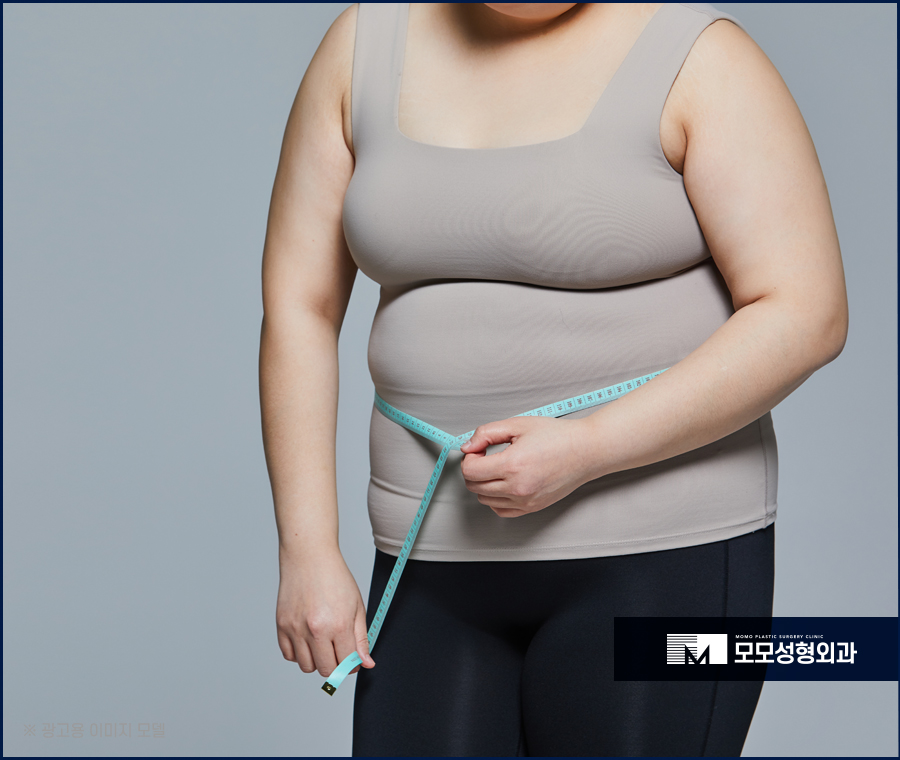
In summer, like now, lighter fashion styles often
unintentionally reveal body lines, so many people
try to diet in a hurry.
It would be good to follow a long-term plan,
but when there is not enough time, people tend to
adopt extreme dietary restrictions to lose weight quickly.
If you carry out such an overly harsh dieting method,
essential nutrients needed by the scalp and natural hair
may not be supplied evenly, and this can become
one of the reasons hair becomes thinner.
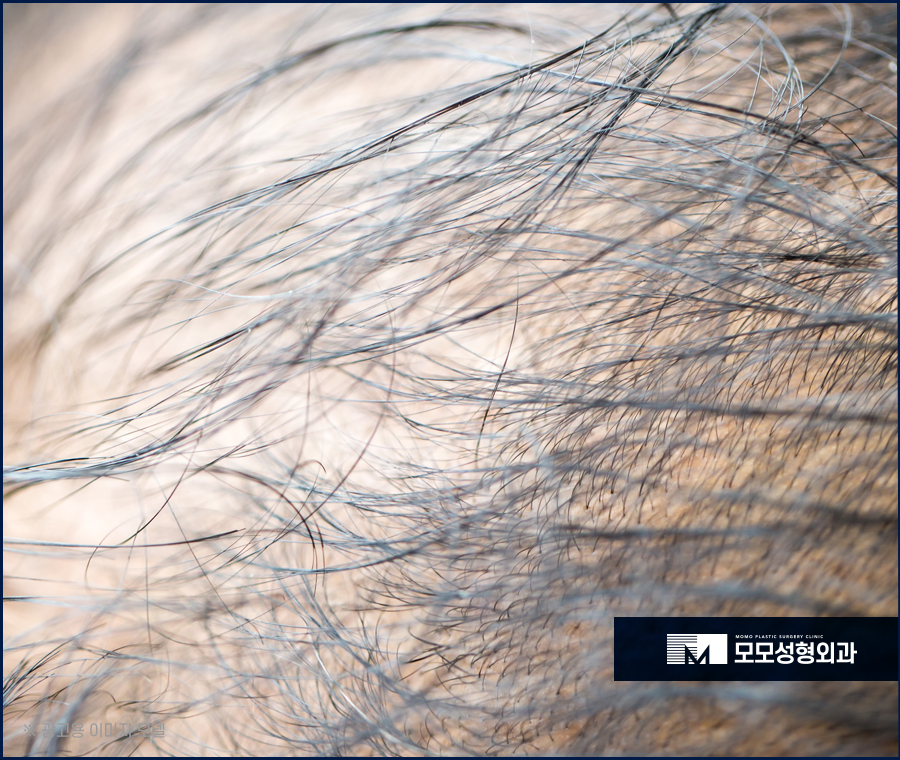
Also, even if you are not trying to lose weight,
people who frequently eat spicy, greasy foods such as
instant foods that are easy to eat may also experience
thinning hair due to a lack of essential nutrients.
If this situation continues for a long time, symptoms
may worsen and lead to hair loss, so if your eating habits
include drastically reducing food intake or not consuming
a balanced range of nutrients, it would be better to
strive to eat more healthful foods.
And as social development advances and we live in a
fiercely competitive society, chronic fatigue caused by
overwhelming stress and overwork is often cited as an
inescapable, persistent problem.
It would be good if you could lower that stress level
with your own proper method of relieving it, but when
continuously exposed to such factors, you may suffer from
various physical and psychological illnesses.
When you are under stress or overworked, the balance of
the autonomic nervous system is disrupted, blood vessels
constrict, and blood circulation becomes impaired.
For that reason, even in such cases, nutrients may not be
delivered smoothly to the hair, so this can also act as
one of the reasons hair becomes thinner.
The same applies when your sleep time is generally
inadequate and insufficient.
If you do not get enough sleep, your body cannot properly
rest and stress only accumulates.
This also causes the scalp's capillaries to constrict,
preventing nutrients from being supplied properly, so
natural hair can gradually become thinner, fall out,
and be lost, which requires caution.
Healthy natural hair typically contains about 10 to 15%
moisture, and this moisture mixes into the hair cortex
to give it shine and make movement smoother.
Chemical methods such as perms or excessive dyeing can
cause hair damage and can become reasons hair becomes thinner.
Also, if chemicals remain on the natural hair, they can
irritate even the scalp, and because natural hair has no
self-repair ability, it is especially important to care for
it carefully while it is still relatively healthy.

Damaged hair should be protected with treatments or
clinic products so that no further harm is done.
And one unexpected reason hair becomes thinner is that it
can also happen if you do not dry your hair properly after
shampooing.
If you do not dry it completely, moisture provides a
good environment for microbes to thrive, and because it is
not fully dried, moisture evaporates into the air and
takes away even the moisture that remained on the skin.
This is the opposite of what one might think—that it is
adding moisture to the scalp.
If the damp condition continues, the skin releases more sebum
to balance the proper level of oil, and if this habit
continues, seborrheic dermatitis may also be triggered.
If you have inflammation on the scalp and it is in a severe
state, visiting the relevant institution promptly and taking
appropriate measures may be a path toward recovery.
Based on the information shared above, if you still have
healthy natural hair, it may help to read it carefully and
pay closer attention so you can care for it more carefully.
If you are already showing signs of hair loss, then without
delay, visiting an institution promptly for an accurate
diagnosis and appropriate treatment will serve as an
opportunity for improvement.