Everyone starts aging from the moment they are born,
and as the years go by,
they also grow older.
After growing up, becoming an adult, and
going through the aging process to become elderly,
we experience countless changes in both
physical and mental aspects. During that time,
our strength declines, our immune system weakens,
and the functions of all organs gradually
deteriorate.
�
�
Of course, one may want to go back to a younger
version of oneself, but that is nearly impossible.
According to one research finding, humans
go through periods of rapid aging three times,
at ages 34, 60, and 78. In particular,
it is said to begin around age 26 and
progress most rapidly when the body reaches
age 38. When that happens, signs of aging
begin to appear one by one in each part of
the body. Among them are visible changes in
the skin, and in contrast to before, if you
notice that your hair seems a little thinner
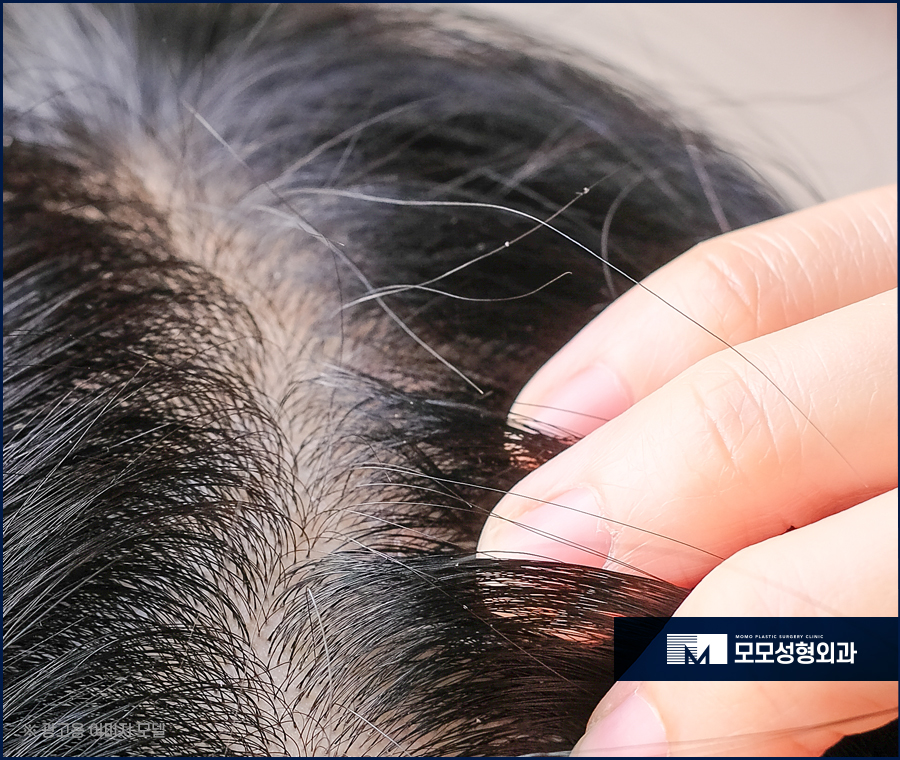
than it used to be and that a white strand
stands out among your black natural hair,
you may worry that aging has come for you,
too. Recently, more people in their 30s have
been worrying about these gray hairs.
�
�
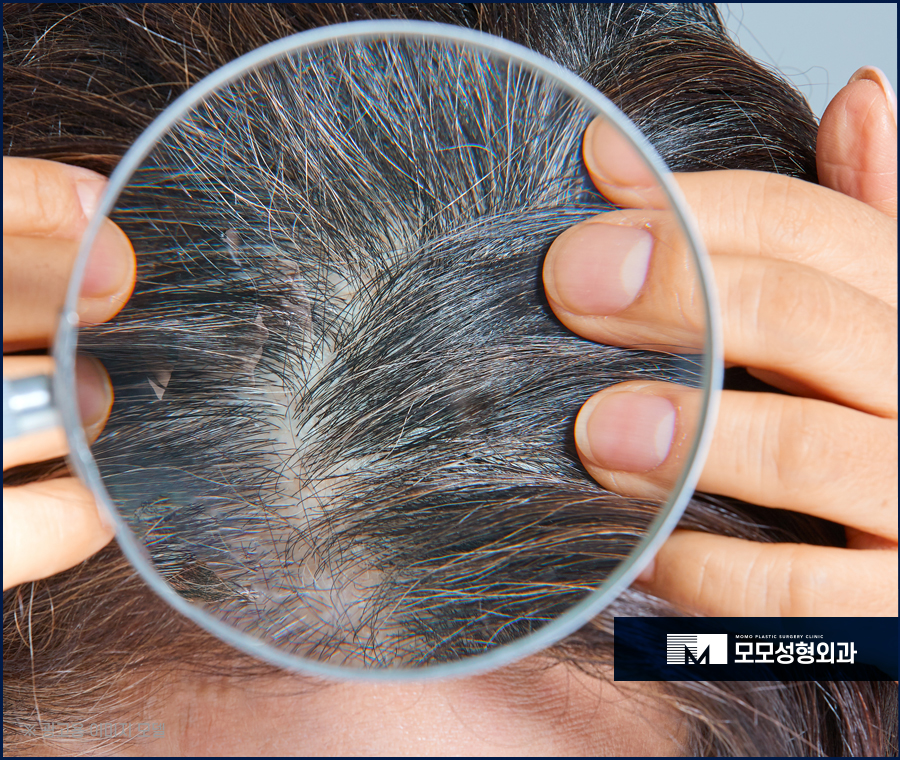
I understand that the time when gray hair
starts to appear is in the 40s, but white
hair that begins appearing earlier than the
average age is not exactly a welcome guest.
So, let’s share information about why it
starts earlier than in others and whether
there are ways to prevent it in advance.
�
�
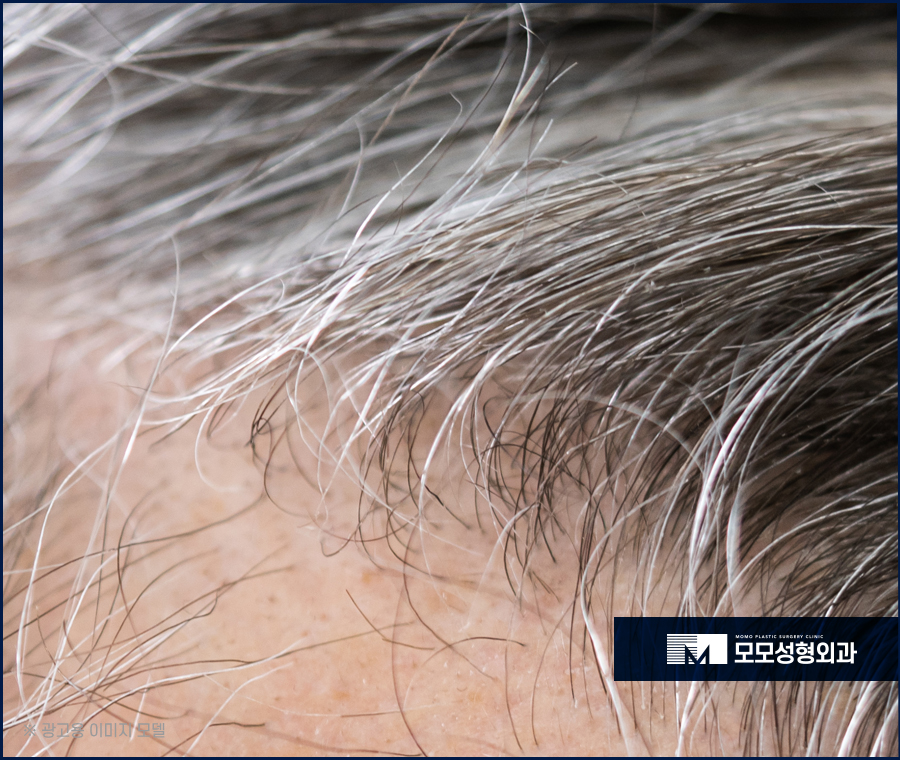
First of all, white hair can be considered
one of the natural signs of decline that
appear in people. However, when you suddenly
look at your changed appearance one day, the
visual shock and sense of unease caused by
gray hair make it even more noticeable. Gray
hair in someone who is relatively young may
not be a sign of aging, and this is called
premature gray hair.
Unlike gray hair in general, premature gray
hair appears in one spot and does not spread,
usually remaining as just a few strands in
that place. But if it appears in multiple
areas, it can become a major concern.
Generally, the time when gray hair first
starts to appear is known to be around ages
30 to 34 for men and 35 to 39 for women, and
gray hair that appears during this period can
be said to fall within the normal range.
From this point on, aging gradually accelerates
and increases over time, and by the time people
reach their 50s, about 50% of the hair on the
head may have turned white. The change from
natural hair to white hair also progresses in
sequence: it starts on the sides, then appears
in the front and back, and is especially first
noticed under the ears or on the sides of the
ears.
�
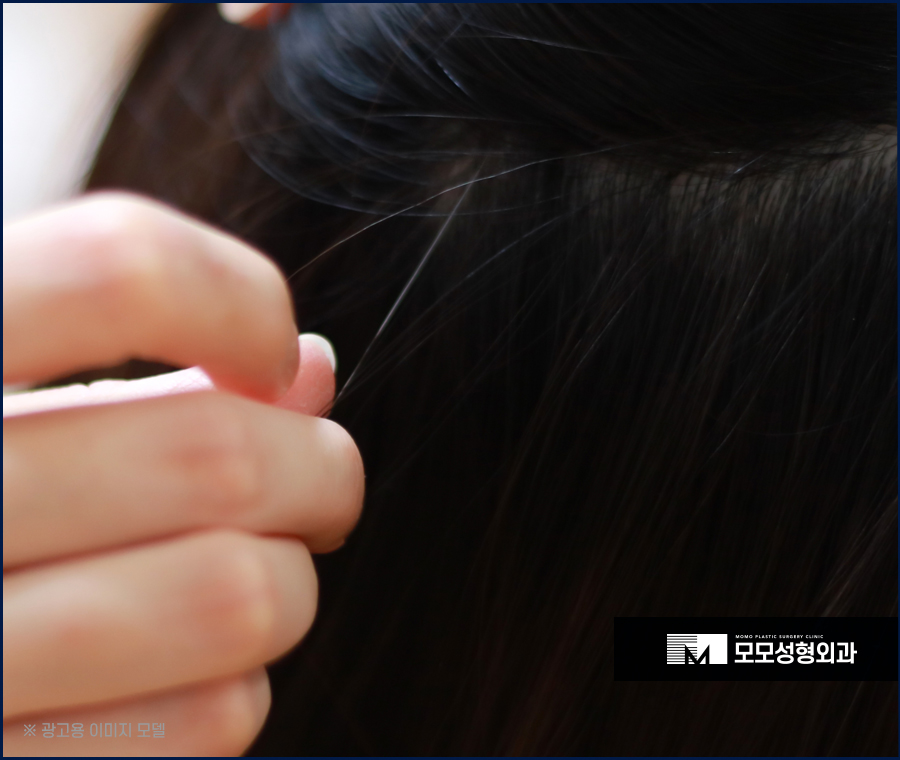
�
The reason gray hair appears in that area is
because the skin is thin and has fewer blood
vessels than other areas. Since the point at
which it becomes noticeably more common is
around age 40, hair loss may also accompany
it from that time on, so it can be said that
greater attention should be paid to the overall
health of the scalp and hair.
What determines hair color are the melanin
cells in the hair. Younger people have no
abnormalities in their melanin cells, so they
can maintain a glossy color. These melanin
cells determine not only hair color but also
skin color, and in East Asians, this pigment
is abundantly contained in natural hair, which
is why black hair can be consistently maintained.
The less melanin there is, the more the hair
takes on a brown or blond color, and in the
case of white hair during the period when gray
hair appears, it means that these cells have
completely disappeared.
�
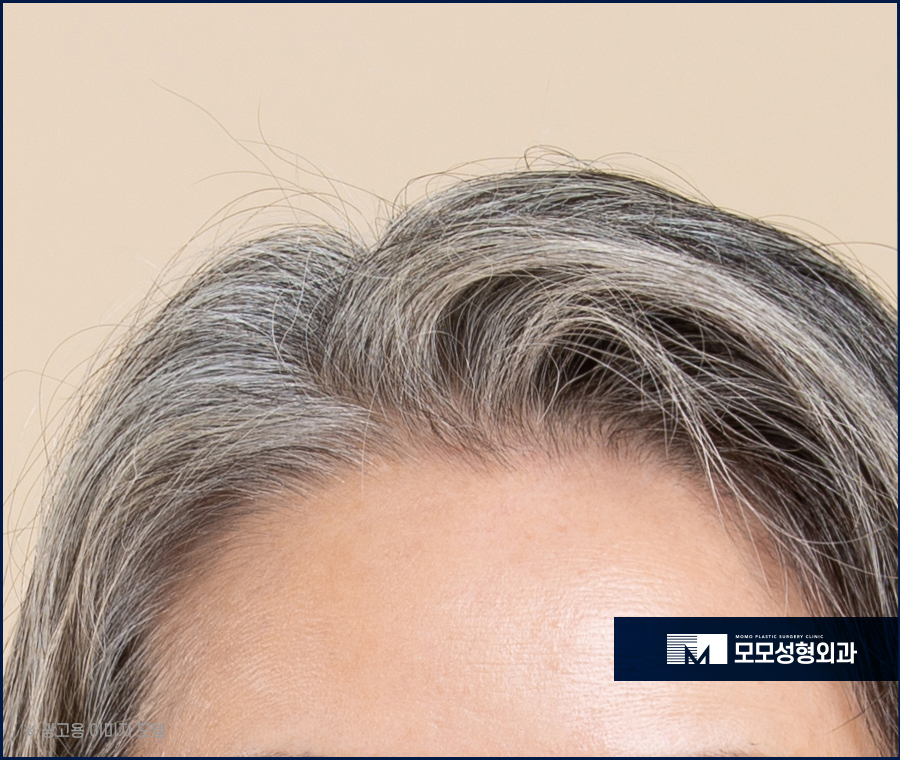
�
These cells are determined by genes, so the
time when gray hair appears can also be said
to be judged by genetic factors. However,
even though such factors can have an influence,
it cannot be broadly generalized to apply in
all cases. Also, as we age, the amount of
pigment production gradually decreases and
white discoloration begins to appear, which
is a normal phenomenon, and the signs of aging
do not interfere with pigment production.
Melanin pigment cells, which determine this
period and hair color, may decrease in number
for various reasons.
�

�
First, stress is often said to be the root of
all illness, and it has negative effects on
many parts of the body. Its impact can also
affect natural hair. There is even a saying
that the more a person has to think and use
their head in their work, the more likely
their hair is to turn white, and severe stress
can make gray hair appear quickly. When a
person experiences excessive emotional stress
such as anger and fear, white hair is more
likely to appear. If mental stress continues,
blood vessels constrict, circulation is impaired,
and nutrition is not properly delivered to the
hair roots. Stress also promotes the generation
of active oxygen, accelerating the body’s aging
process. When aging progresses quickly, the
entire body becomes older than its actual age,
which can lead to gray hair. In addition,
thyroid disease can usually reduce the function
of the cells that produce melanin, and if there
is a problem with the pituitary gland, which
secretes hormones, it can ultimately cause an
imbalance in hormone production and bring the
onset of gray hair earlier.
�
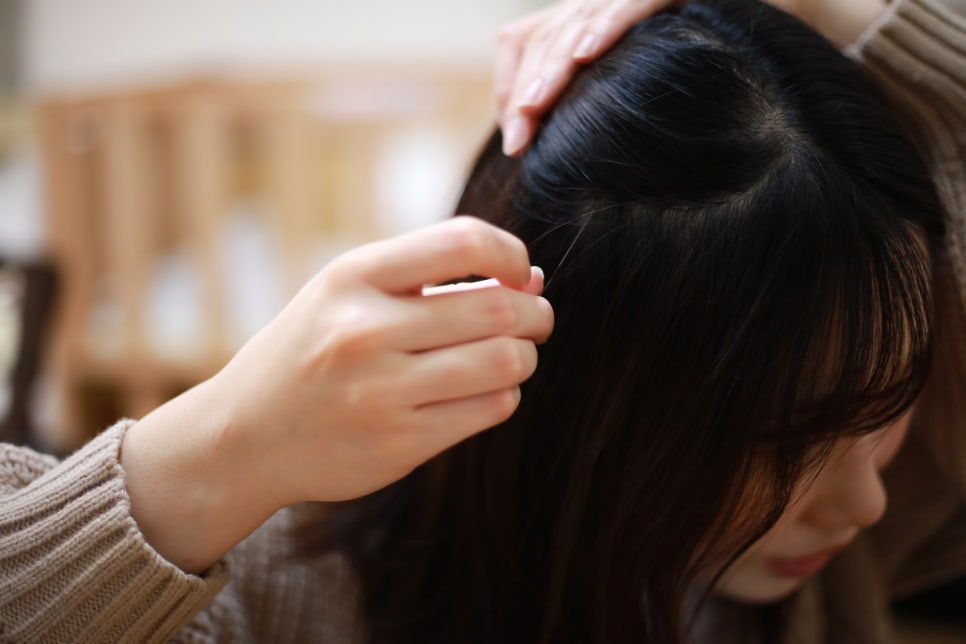
�
In addition, conditions such as diabetes,
anemia, kidney disease, vitamin deficiency, and
malnutrition can also disrupt melanin cell
function. Therefore, in order to prevent white
hair from appearing, it is best to refrain as
much as possible from excessive drinking and
smoking, since they can interfere with nutrient
absorption and blood circulation and harm the
health of natural hair. Also, to help make
natural hair stronger and darker, it is helpful
to regularly eat foods containing high-quality
plant-based protein, such as black beans and
black sesame, and maintain that habit. In
addition, developing the habit of regularly
performing scalp massages, which help blood
circulation and improve blood flow to natural
hair so that nutrients can be delivered better,
can also have a positive effect during the time
when gray hair appears.
�