After meeting someone you love, you spend a loving
and affectionate period together, promise to be life-
long partners, and get married amid the blessings
of many people. Then, after some time, you conceive
a new life that resembles the two of you and go
through childbirth, experiencing endless happiness
and joy that cannot be described in any words. Pregnancy
is the mystery of the human body in which a new life
is born, and it can be described as an awe-inspiring
act. It is also something that brings blessings to parents,
family, and many others.
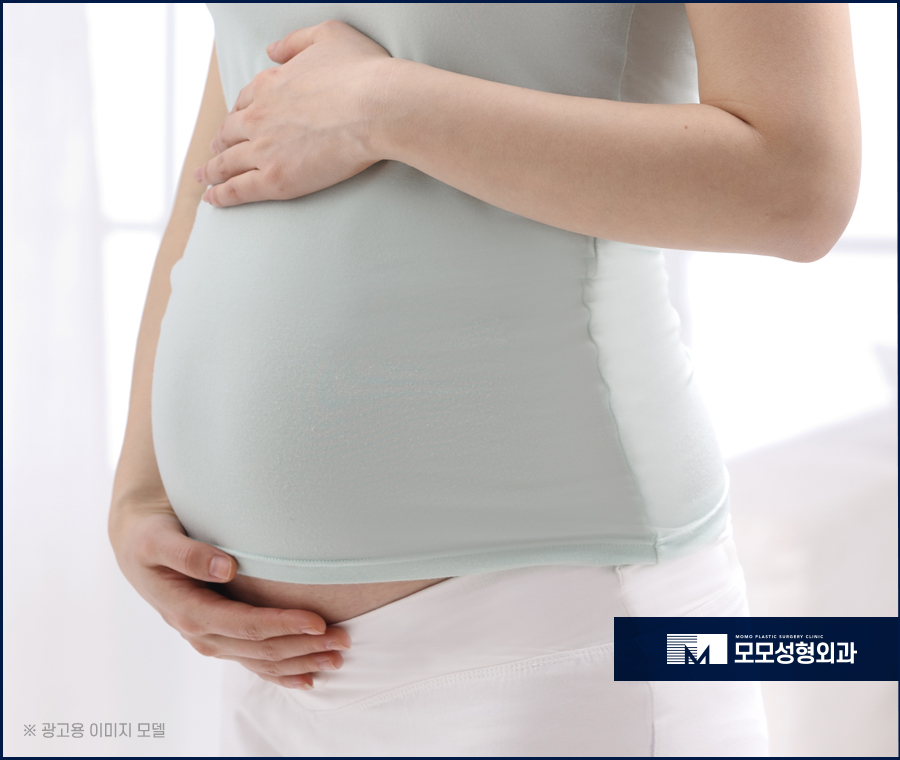
Growing and delivering a baby in the womb for about
10 months is by no means easy, but it is also a process
through which you gain many things. However, the point
to check at this time is the bodily changes that may appear
after delivery, and knowing about them in advance can
be helpful. The factors behind these changes are said
to be diverse, but the symptom that tends to be most
worrisome and clearly visible to the naked eye is postpartum
hair loss.
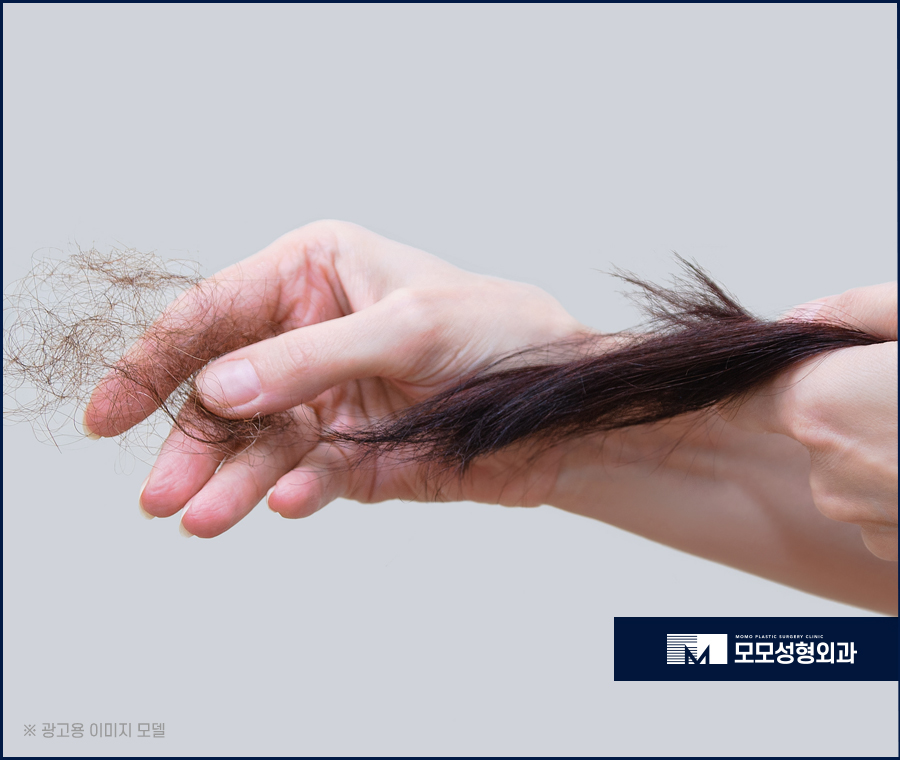
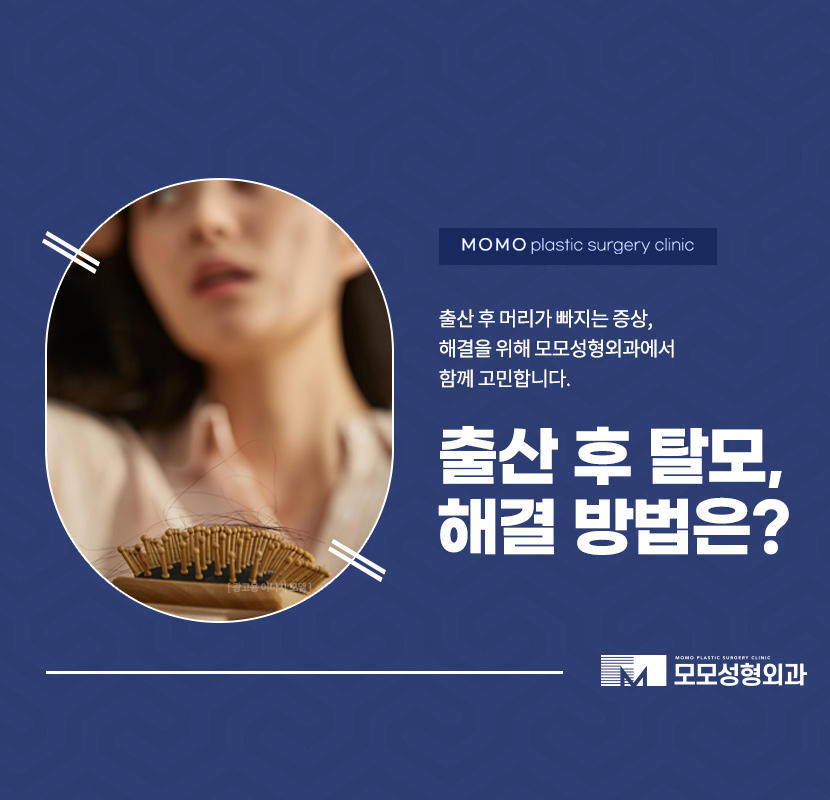
This kind of condition may end as a temporary symptom,
but when you face handfuls of hair coming out while
combing, shampooing, or blow-drying, many people are
likely to worry about the problem. It would be fortunate
if it were experienced only briefly and then disappeared,
but if postpartum hair loss is not properly managed,
the chances of continued loss of natural hair later on
or progression to hair loss increase. For that reason,
you should not overlook this issue and should pay attention
to it; if action is needed, it should be handled appropriately.
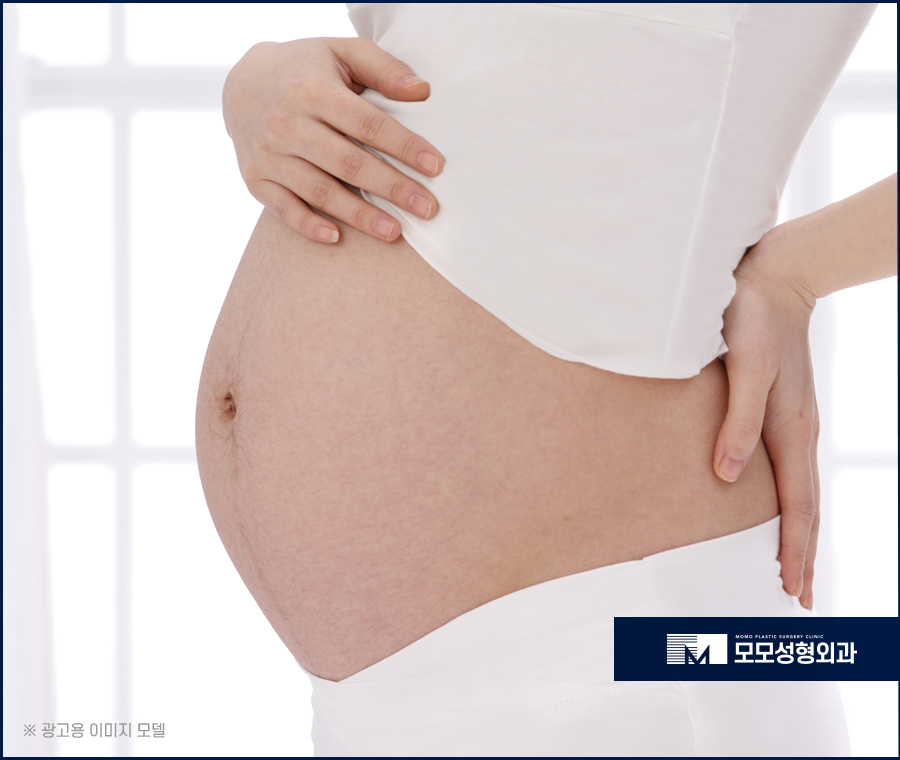
Postpartum hair loss is generally known to appear about
100 days after delivery. Depending on individual conditions,
it may show up earlier or later. It is usually said that
about one-third of mothers experience it, and from 3 to
6 months after delivery, 30% to 40% of all hair falls out.
After six months, the amount of naturally shed hair begins
to decrease and new hair starts to grow. Although it is said
that things can return to normal after about a year, if proper
postpartum care is not taken or if changes such as depression
are not properly overcome and continue, the period of hair
loss may become longer. For that reason, if signs of natural
hair loss continue to be observed, it is worth suspecting
female pattern hair loss.
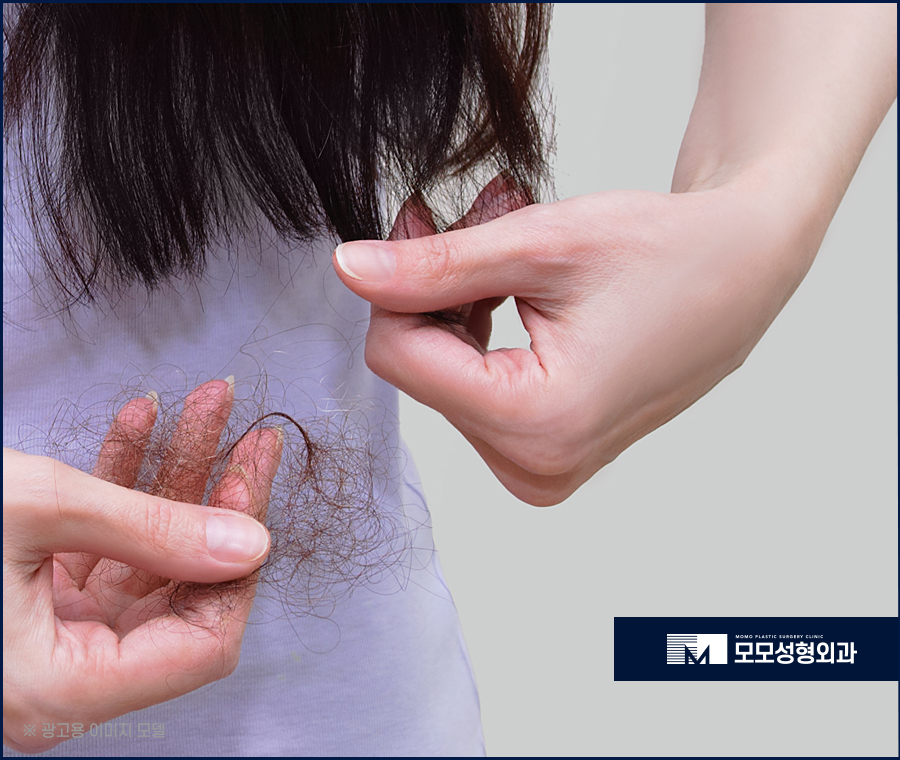
The causes of these changes are said to be hormonal changes
that accompany pregnancy and childbirth, various types of
stress arising during childcare, and nutritional deficiencies.
If the condition is caused by stress or insufficient nutrient
supply, it usually improves in most cases with enough rest,
proper relief from stress, and a balanced intake of nutrients.
However, if postpartum hair loss is caused by hormones,
recovery may be slower. The reason for this is that while
the baby is in the womb, the mother’s body increases the
secretion of the female hormone estrogen to protect the fetus,
which promotes follicle growth and helps hair fall out less
than before pregnancy. After delivery, however, more male
hormones are produced in order to rebalance the existing
hormone secretion.
For this reason, it is considered that hair loss occurs under
the influence of the DHT hormone, which is transformed from
male hormones. To improve this, taking medication that helps
reduce hair loss and supports new hair growth may offer a
chance of recovery. However, if you are breastfeeding your
baby, you should never take this type of medication, so it
would be better to look for a natural solution.
Twice a day, in the morning and evening,
massaging the entire scalp while it is completely dry is
said to help with the removal of waste products and with
blood circulation. When shampooing, it is better to wash
only once a day. If the scalp is not clean, the chance of
hair loss progressing increases, so gently brushing tangled
hair can be helpful. In addition, to ensure a balanced intake
of nutrients, it is a good idea to eat foods that may help
with hair shedding. Black beans, which are commonly mentioned,
and foods containing that ingredient are good to eat in
moderation, and maintaining a balanced diet that includes
essential nutrients such as protein, carbohydrates, fat,
and vitamins will be helpful.
However, even if you try these methods, invest a great deal
of time and effort, and see no signs of improvement at all,
if postpartum hair loss is not relieved and instead seems to
be getting worse, it would be best not to delay any longer.
Visit a related clinic and receive a thorough diagnosis and
consultation on whether the symptoms you are experiencing are
simply temporary or whether they have changed into another
type of hair loss, then decide on the appropriate measures
that are recommended.
If the condition has progressed to a more serious hair loss
disorder than ordinary postpartum hair loss, a transplant
approach can be carried out by obtaining follicles from the
relatively healthy occipital area and relocating and implanting
them into the area of concern. This can allow you to look
forward to seeing once again a hairstyle with abundant volume
that is natural and harmonious with your overall face shape
and features.
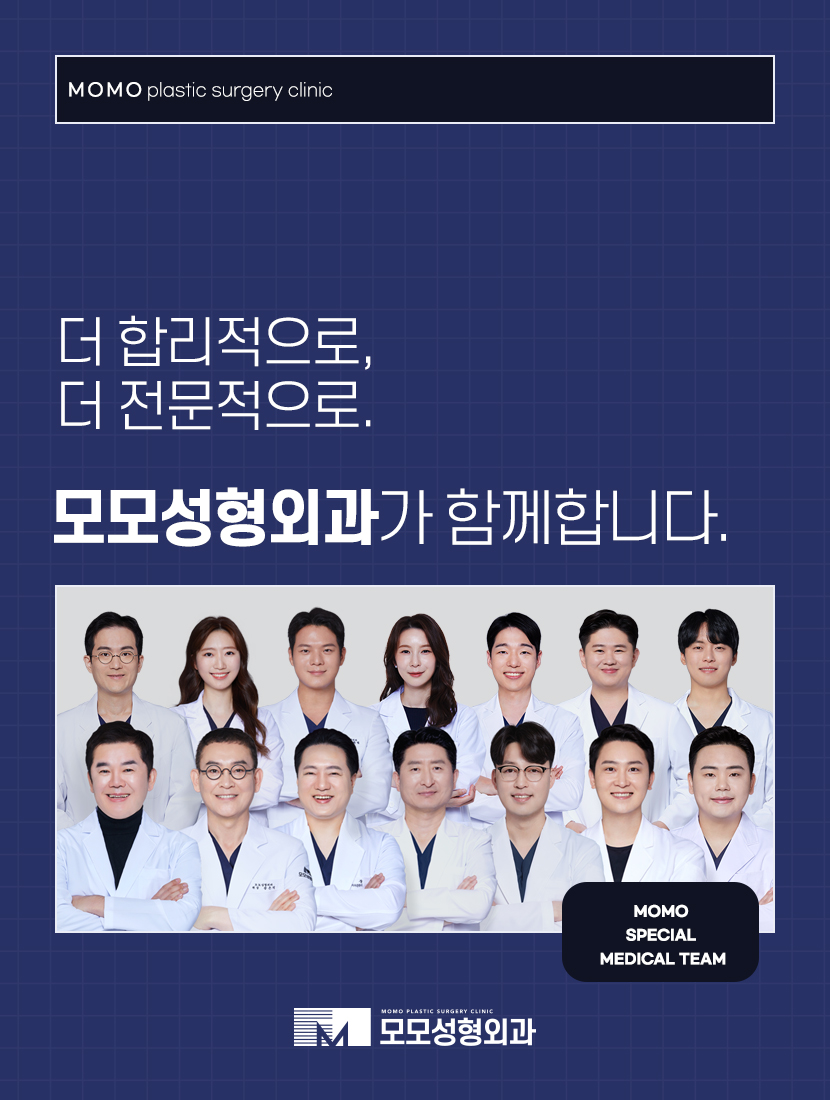
If you are considering hair transplantation or are debating
whether to choose it, it is advisable to carefully set and
review essential criteria such as whether the clinic and the
physician performing the procedure have years of experience
with related cases, technical skill, and the extensive know-
how that comes from it, and whether they carefully care for
you from the first consultation through the procedure, the
completion, and the subsequent graft survival period during
which the transplanted follicles settle in stably. Careful
judgment is recommended.