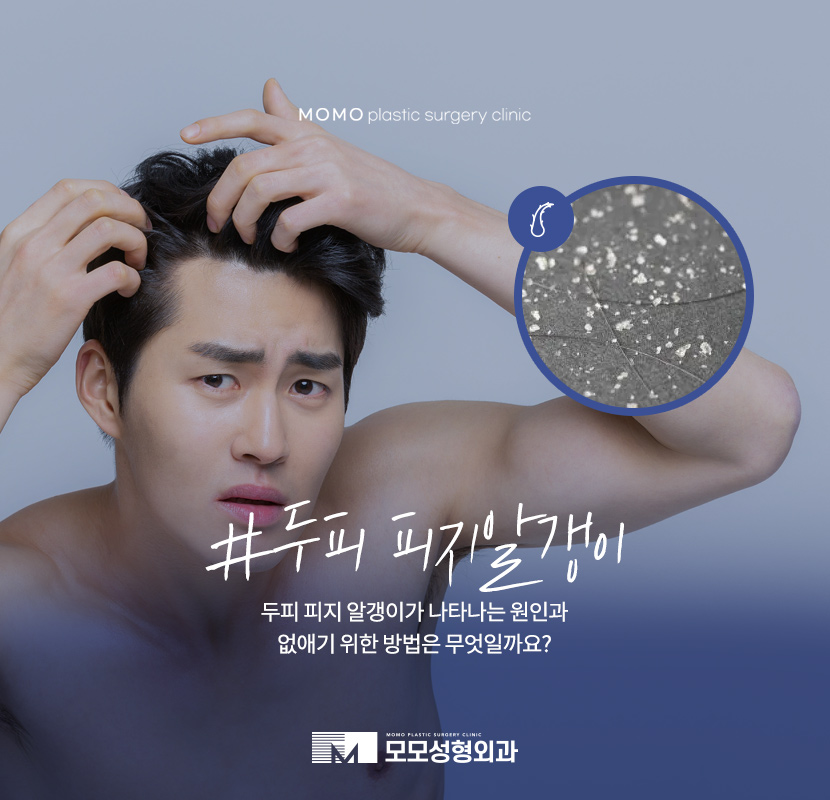
The skin covering a person’s head
is usually hidden by the hair, so it can
be difficult to notice new symptoms or
changes in condition. And when it comes to
ways to care for this area easily, most people
do not go beyond washing with shampoo.
However, even this method can be
applied incorrectly. The skin in this area
secretes a larger amount of sebum than
other parts of the body and may release even
more excessively for various reasons.
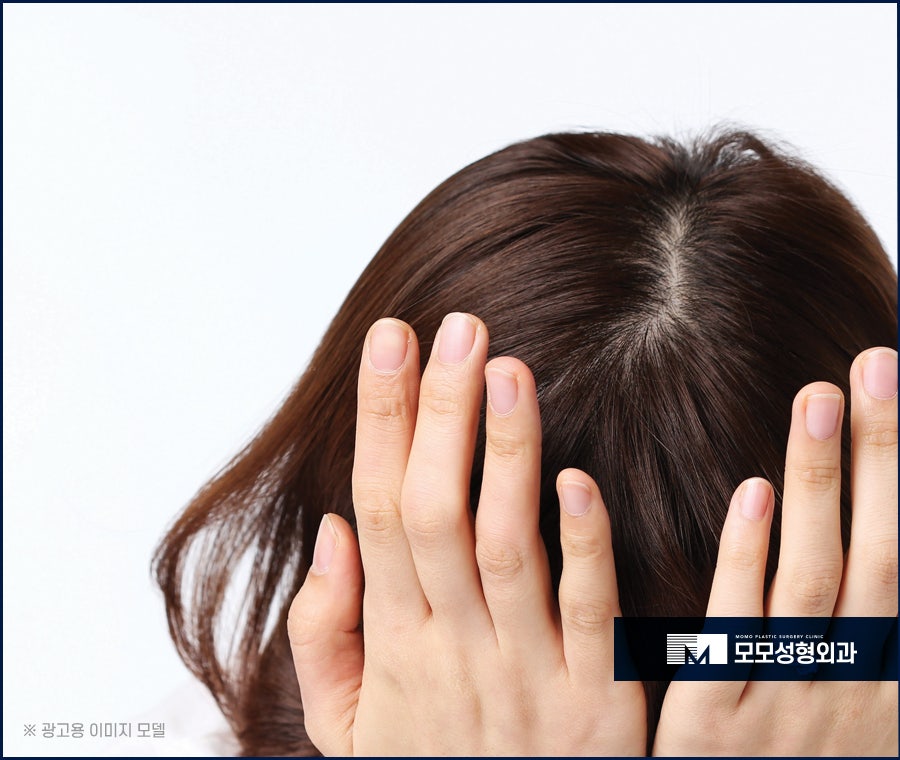
Due to a lack of care or an improper
process, it can accumulate and harden on the
skin covering the head and develop into
scalp sebum granules. When this happens, it
blocks pores, causing all kinds of problems
and even becoming a factor that worsens
into a hair-loss condition. Therefore, it is
necessary to care for the skin properly and
make efforts to improve it.
This time, let’s look at the causes of scalp
sebum granules and how they can be eased,
and share that information.
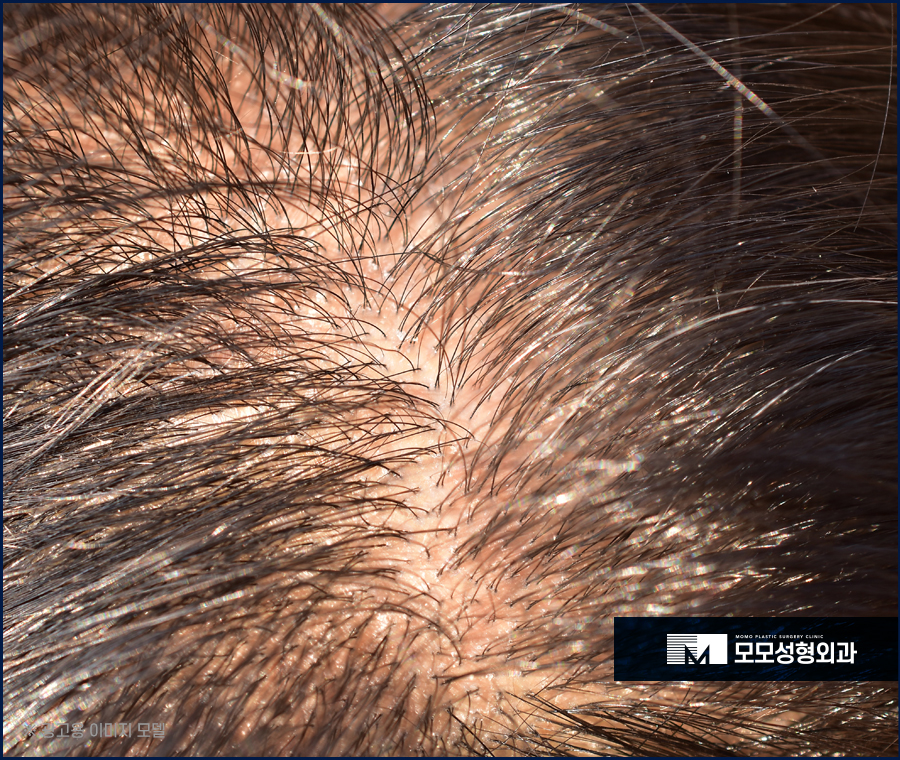
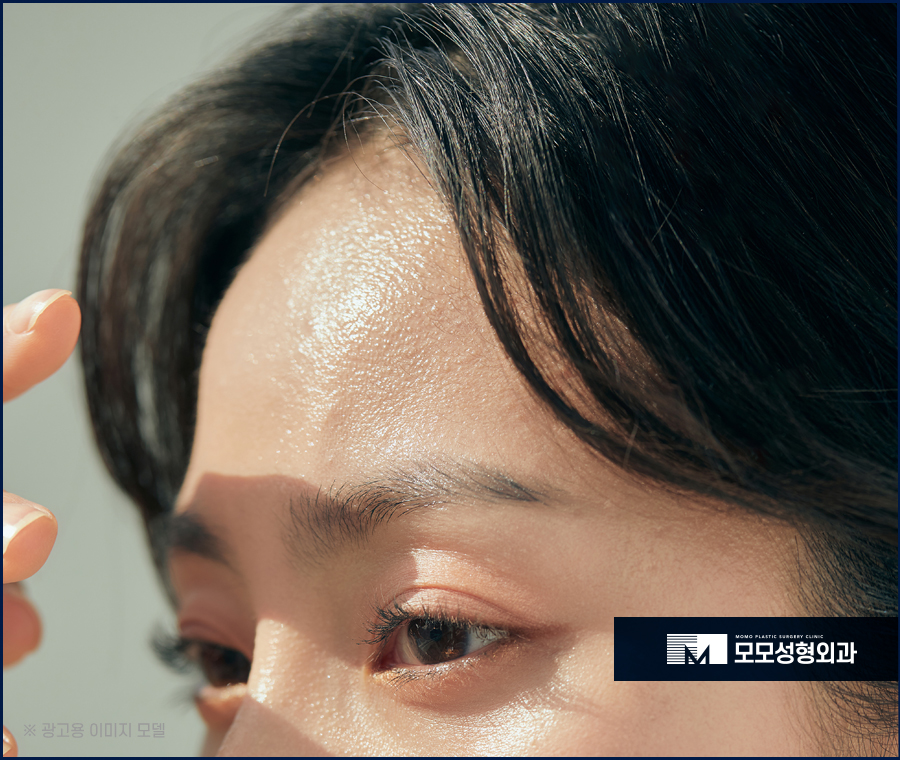
It is a semi-fluid oily substance and secretion
released from sebaceous glands. It passes
through hair follicles and is discharged from
pores, helping prevent the skin from becoming
dry.
It is especially abundant in the skin of the
head and can increase rapidly during puberty,
due to male hormones, diet, and other factors.
When it functions normally, it helps protect
the skin by preventing dryness, but when it
is secreted in excessive amounts, it can cause
a variety of related conditions. If left untreated
without making efforts to improve it, it can
even affect hair loss. If you are under a lot of
stress, this substance can affect the skin as
well, raising heat and lowering immunity, and
because it also affects hormonal balance,
sebaceous gland activity becomes more active
and secretion increases excessively.
In addition, this phenomenon can occur for
various reasons, such as after intense exercise
or sports, when fatigue builds up due to lack
of sleep, or when exposed to strong ultraviolet
rays for extended periods.
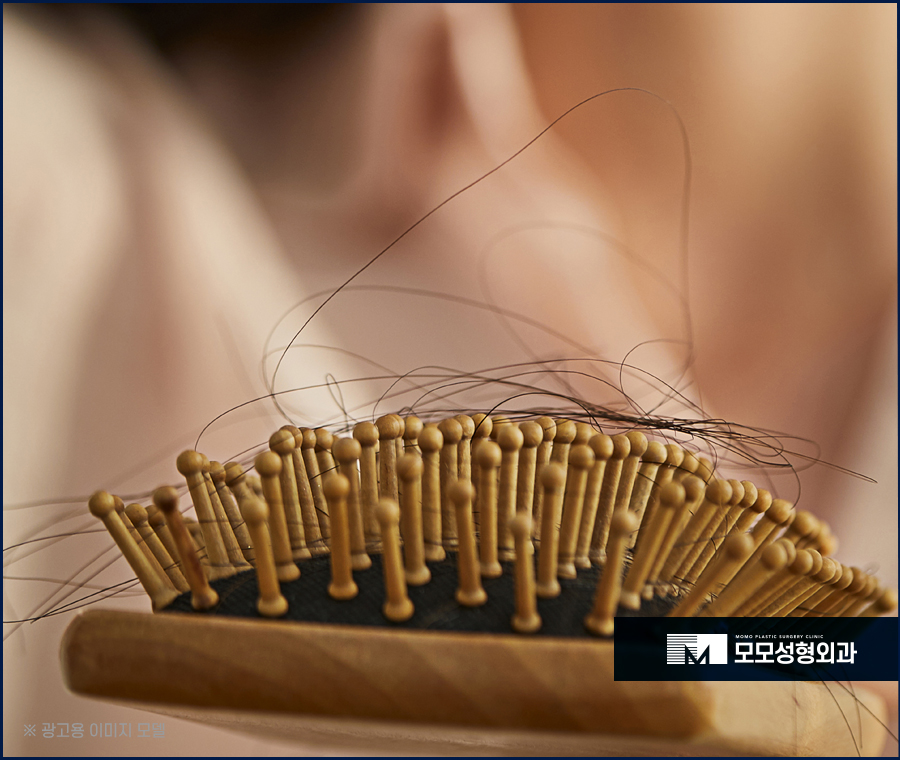
What causes scalp sebum granules to appear?
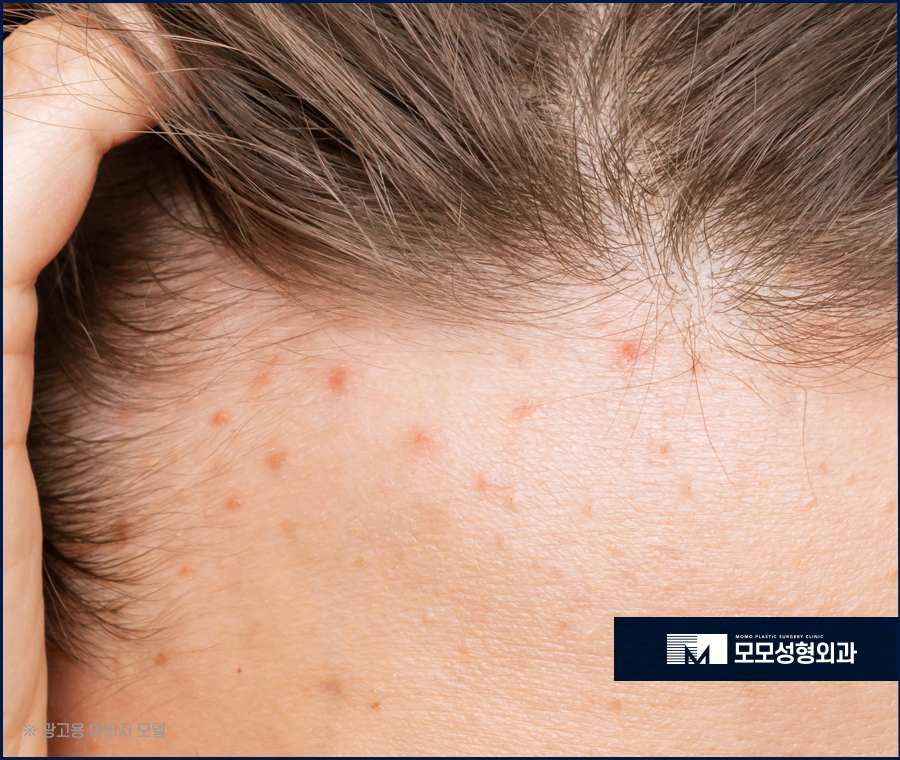
It refers to excess secretions that cannot leave
the pores and harden into particles. If scalp
sebum granules in this form exit the pores as
a solid, it can be seen as removing the substance
that was blocking them, so it can actually be
beneficial for skin health. However, they may
become dislodged by washing the hair,
combing it, or scratching because of itching.
At that time, wounds can occur and inflammation
can also appear. Therefore, a habit of always
being careful is necessary, and although you may
be aware of that, they can still keep bothering
you, leading you to repeat the actions mentioned
above every time.
Therefore, do not ignore such symptoms and
make sure to relieve them through proper care.
The most important point to consider for
improvement is keeping the scalp clean.
That means learning and following the correct
way to wash your hair. You may think that a
shampoo routine that you do every day would
not be all that different. However, many people
carry it out in different and unsuitable ways,
so learning the proper key points can help.
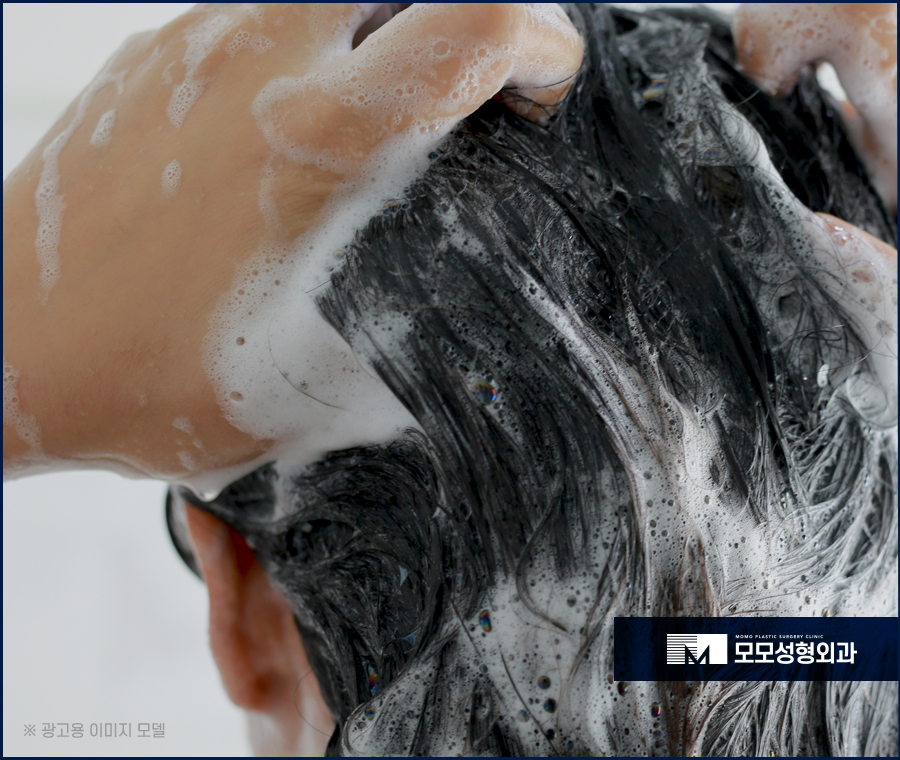
When washing your hair, it is important to
soak both the scalp and hair thoroughly with
water at a moderately lukewarm temperature.
After that, using a hair product suitable for
your scalp type, it is not correct to apply the
product directly to the hair and rub it to make
foam. Instead, put it in your palms, make enough
lather with both hands, and wash gently as if
massaging. Leave it on for about 3 minutes so
that the particles on the skin can dissolve.
Also, when rinsing, it is most important to
carefully rinse several times so that no shampoo
or residue remains on the scalp.

After washing your hair, first remove moisture
by gently patting it with a towel, and then use
a hair dryer with cool air at an appropriate
temperature rather than hot air. Even if it takes
time, it is also important to dry the scalp and
hair completely. There may be situations where
you go to sleep while still wet, but if wet natural
hair touches the pillow, it creates a damp
environment and increases the risk of exposure
to various bacteria, which can instead become
an action that leads to hair loss. That is why
you should not skip the drying process and
must pay careful attention to it.
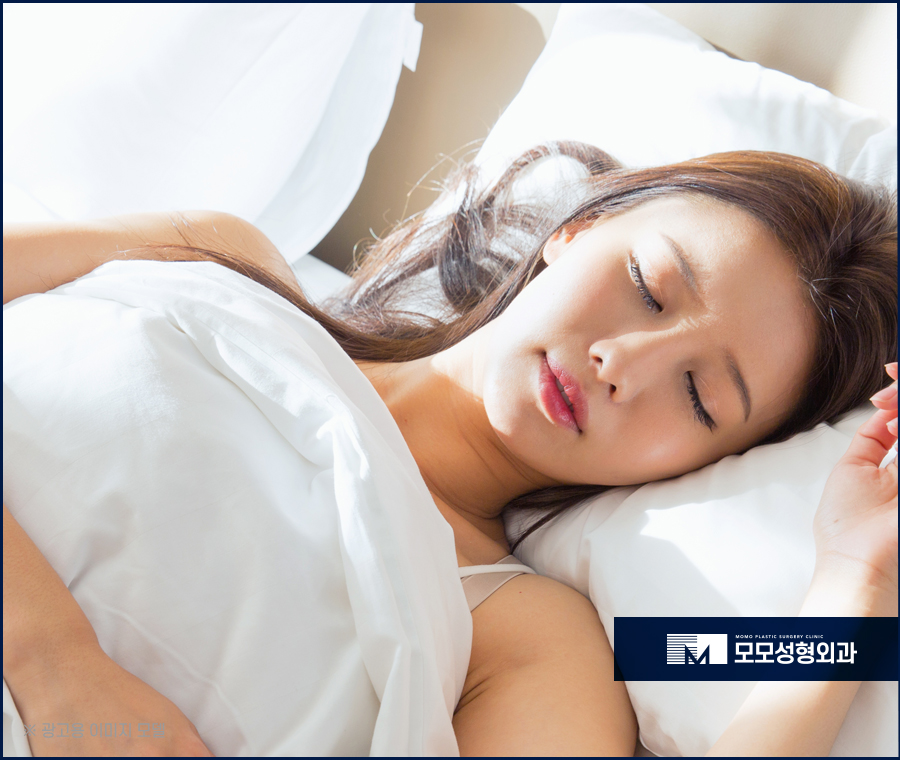
It is also good to prevent excessive secretion.
If possible, avoiding stress would be ideal,
but creating an appropriate environment to
relieve it can be helpful. It is advisable to
consistently practice good-quality sleep and
moderate-intensity exercise to improve immunity
and ensure that metabolism, as well as the
circulation and release of blood and heat, can
take place smoothly.
It is also good to avoid fried foods and oily
eating habits as much as possible, and to build
a balanced diet that includes foods rich in
nutrients beneficial to scalp health, such as
protein, vitamins, and minerals.
If possible, try to limit outdoor activities on days
with strong ultraviolet rays. If you must go out,
it is better to wear a breathable hat and take it
off often so that heat does not build up, and
to rest in a cool place.
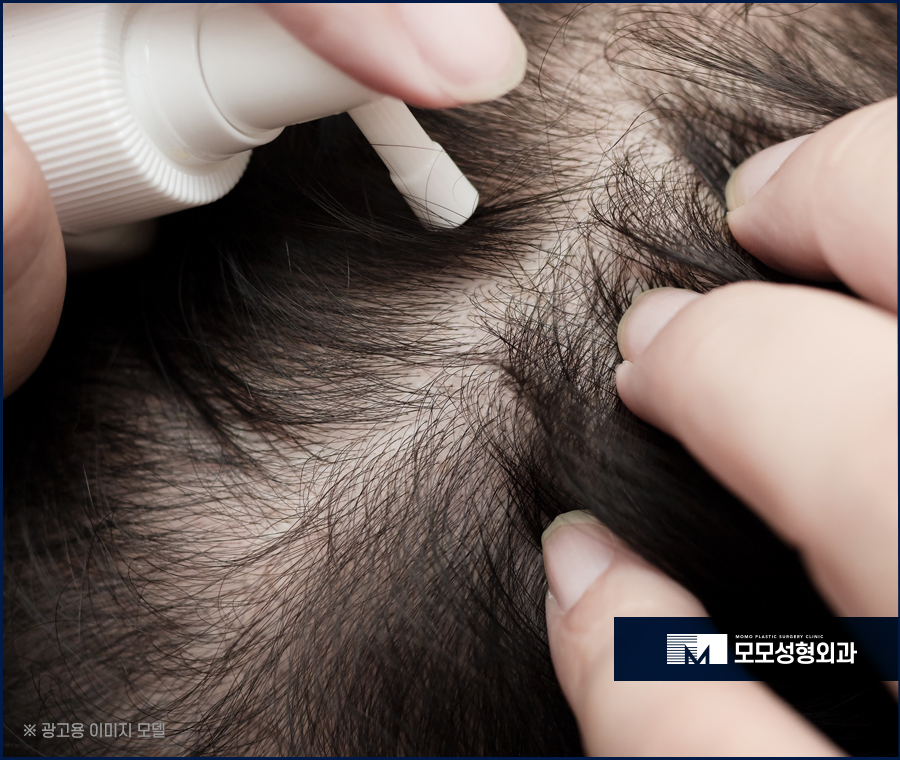
However, if scalp sebum granule symptoms do
not improve even while consistently maintaining
these methods, you may use products that can
chemically dissolve and remove them. If there is
still no sign of improvement, it would be better
not to leave it alone any longer and to visit a
clinic as soon as possible, explain your condition
to the doctor in detail, and receive help so that
appropriate measures can be taken.