Our bodies are said to be influenced far more broadly than we think by various
factors. In particular, when it comes to the head,
not only innate genetic factors but also seasonal changes,
irregular and unbalanced lifestyle patterns or eating habits, and intense stress that
can act as an irritant in many situations
can all have an effect, causing hair that once boasted good health to
gradually become thinner, lose strength, and slowly
fall out. In severe cases, large empty patches can even appear.

In addition, recently the number of people worried about and
struggling with hair loss has been increasing
regardless of gender or age.
And among those who experience this condition,
many reportedly feel heat from the skin covering
the skull. In general, the head tends to have a higher
temperature than other parts of the body,
which is why it is important to properly release
and circulate that heat.
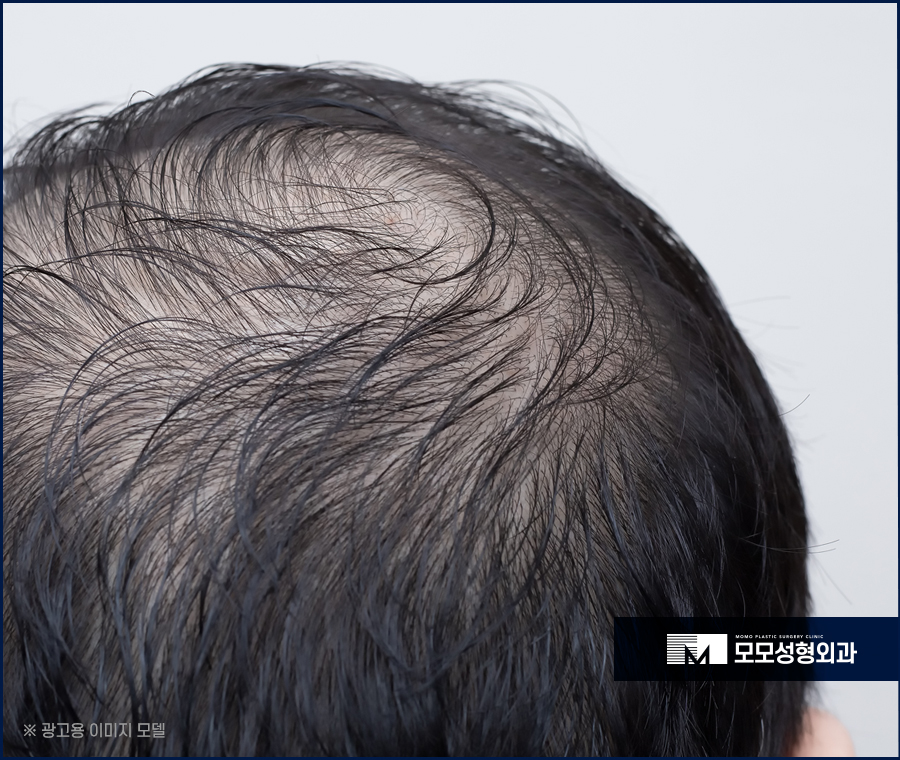
However, if this heat persists,
pores can open and widen, weakening the
ability to hold hair in place and speeding up cell metabolism, which shortens the hair life cycle.
In other words, heat on the scalp can be explained as a factor that
causes hair to fall out more quickly.
In addition, it can also have a negative
effect on the overall health of the hair, so some people focus on
scalp heat reduction and care.
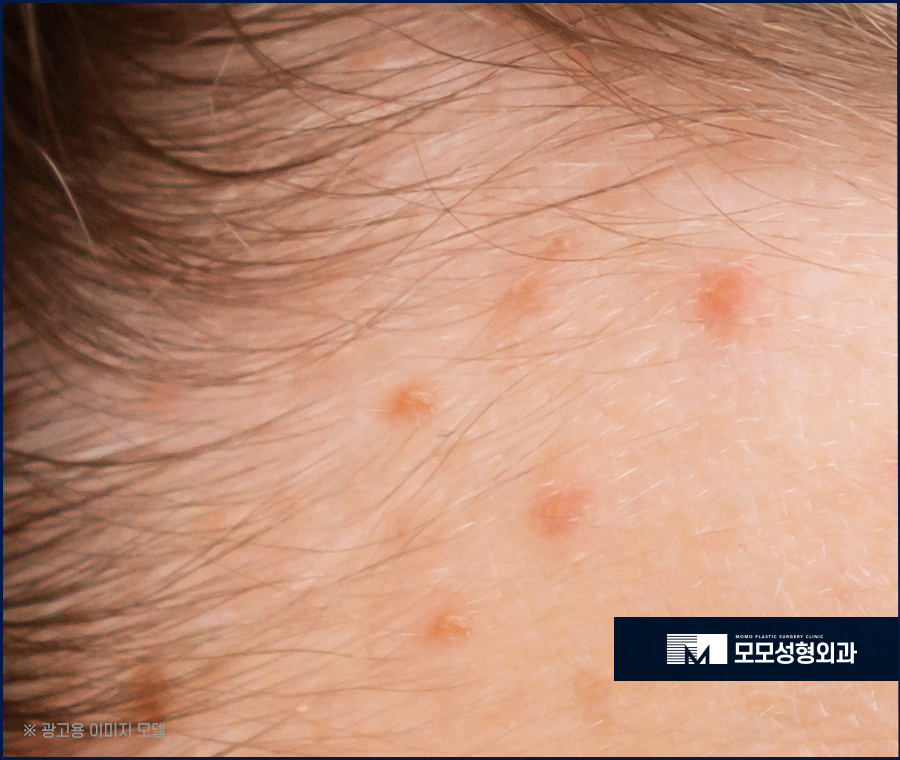
So what are the causes of scalp heat, and what methods can help?
First, heat in the skin covering the skull refers to a situation in which
the temperature of that area rises above normal.
As mentioned above, it affects hair health and growth and can cause problems such as
hair loss or seborrheic inflammation.
Among these, one of the representative causes of such symptoms is
blood circulation.
People with a high body temperature may be
more likely to have poor blood circulation, and this circulation delivers nutrients to each part of the body
and helps maintain an appropriate temperature in various places.
Conversely, if blood circulation is not functioning properly,
symptoms may appear in which certain areas become cold, as in cold hands and feet,
or, on the contrary, hot.
And if there is a problem with the kidneys,
they may not properly filter waste products, and problems can also arise
with maintaining the body’s water balance,
which can lead to these symptoms.
In addition, stress, often called the root of all disease,
can also act as a factor. We often say that when we get angry or furious,
we are “getting hot,” and while this may seem like a simple expression,
when stress becomes severe, body temperature rises, and the brain
increases its activity to control this problem.
A large amount of blood then flows toward the head, which can cause heat.

Other factors include nutritional imbalance, lack of sleep,
alcohol consumption and smoking, and improper shampooing methods.
These causes can make the scalp hot, disrupt the oil-and-moisture balance,
and thereby cause waste products to build up more easily, leading to various conditions,
causing heat, or making it continue over time.
If you properly identify these causes, it would be good to learn scalp heat reduction methods
that you can follow in your daily life.
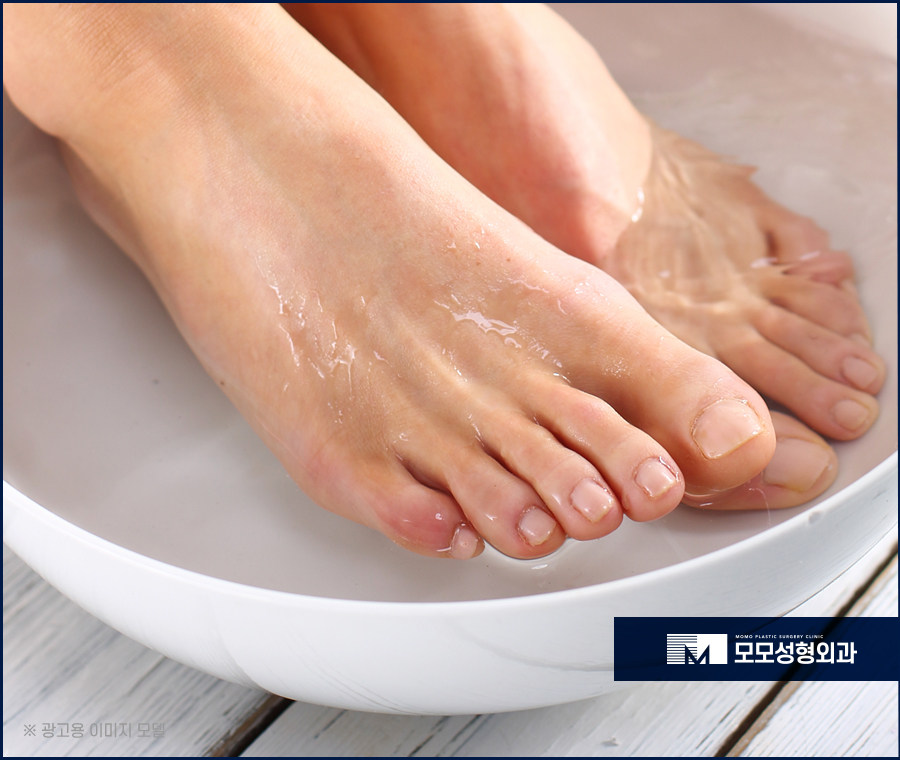
The first is to take a half-body bath or a foot bath, which helps blood circulation
flow smoothly. It can help spread body heat evenly,
and if it is difficult to enjoy a half-body bath depending on the environment,
a regular foot bath can also be very helpful.
Also, if the body becomes dehydrated, not only can circulation problems occur,
but waste products can also build up, so it is advisable to follow the recommended daily water intake
and frequently consume foods rich in water, such as vegetables and fruit.
Another way to reduce scalp heat is to consistently exercise for at least 30 minutes a day at a moderate intensity.
This helps circulation run smoothly and allows enough oxygen to be supplied to the body,
which can help lower heat.
It is also important to relieve accumulated stress through leisure activities you like and enjoy,
as this can help restore the autonomic nervous system.
In addition, since sleep is essentially the time when heat and waste products are released from the head,
it is necessary to get about 7 to 8 hours of sufficient, high-quality sleep each day.

It can also be helpful to keep a regular bedtime before midnight.
This is because if the balance between bedtime and wake-up time is disrupted,
it is not good for the body’s biorhythm.
And to keep the kidneys healthy, it is good to avoid overly spicy and salty foods
and especially to make sure you get enough vitamins and minerals.
Vitamins A, B, C, and E, as well as zinc and iron, help support scalp health,
and these nutrients can be obtained from a variety of ingredients and foods such as fruit, vegetables, nuts, and eggs,
so it is best to maintain a proper diet.
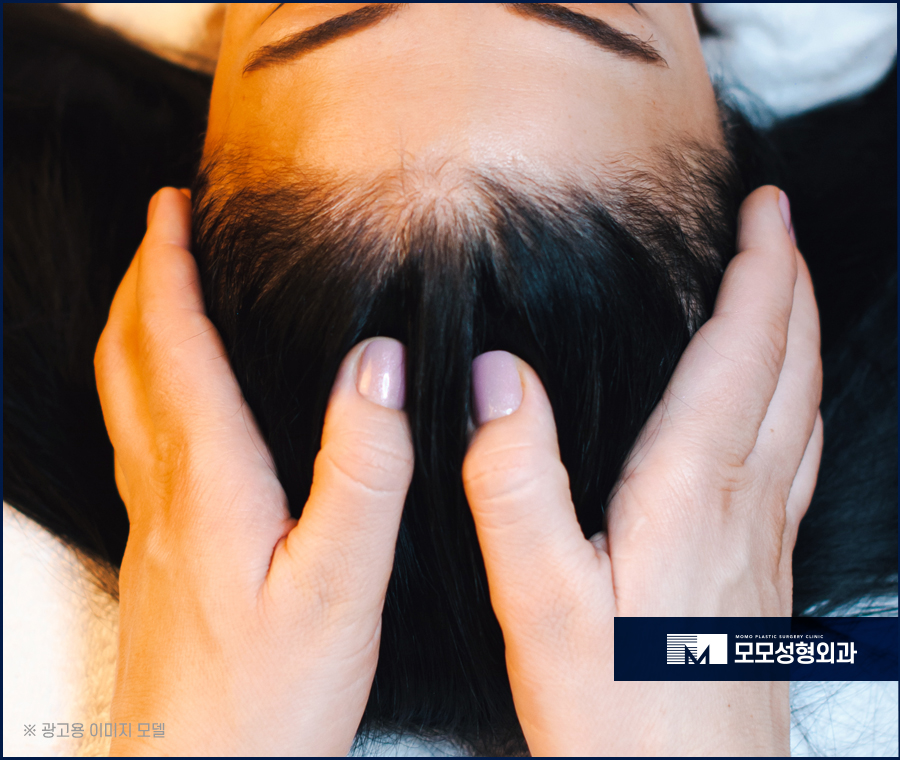
In addition, if you practice a massage that involves only light tapping or kneading,
it can lower temperature and help prevent hair loss.
When shampooing, it may also be helpful to use lukewarm water rather than cold water.
Through these scalp heat reduction methods that can be followed consistently with just a little care and attention in daily life,
you can maintain an appropriate temperature.
However, if these methods are tried and the problem does not improve or is not resolved,
visiting a specialized clinic to receive detailed consultation and an accurate diagnosis from the doctor
and taking appropriate measures can also be one way to improve the situation.