If symptoms or conditions that had never appeared before suddenly start to show up, they can become a major source of worry. In particular, if such changes are visible on the outside, they will be even more concerning.
Among them, if hair begins to fall out one by one from areas where hair should normally be present, to the point where white scalp becomes visible in patches, this will greatly undermine confidence in one’s appearance, negatively change the image one had been pursuing, and even feel like a complex, eventually causing a loss of overall self-esteem.
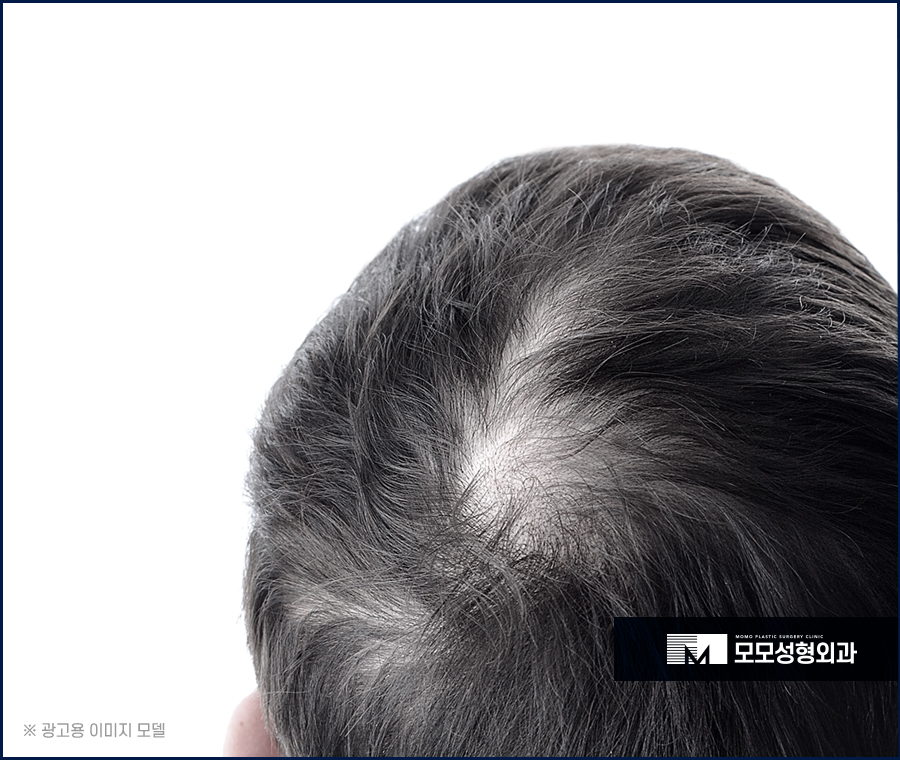
There was a time when hair loss was considered the exclusive concern of middle-aged and older men. However, in recent years, as Westernized and unbalanced eating habits, incorrect lifestyle patterns, and various environmental factors have combined, it has now become a common social disease that affects all genders and age groups. In general, it is known that about 50 to 70 hairs a day naturally fall out during normal activities such as shampooing or combing the hair. However, if more hair than that seems to be falling out, hair loss may be suspected. More important than the symptom of losing a large amount of hair is the sign of weakened natural hair, or hair thinning.
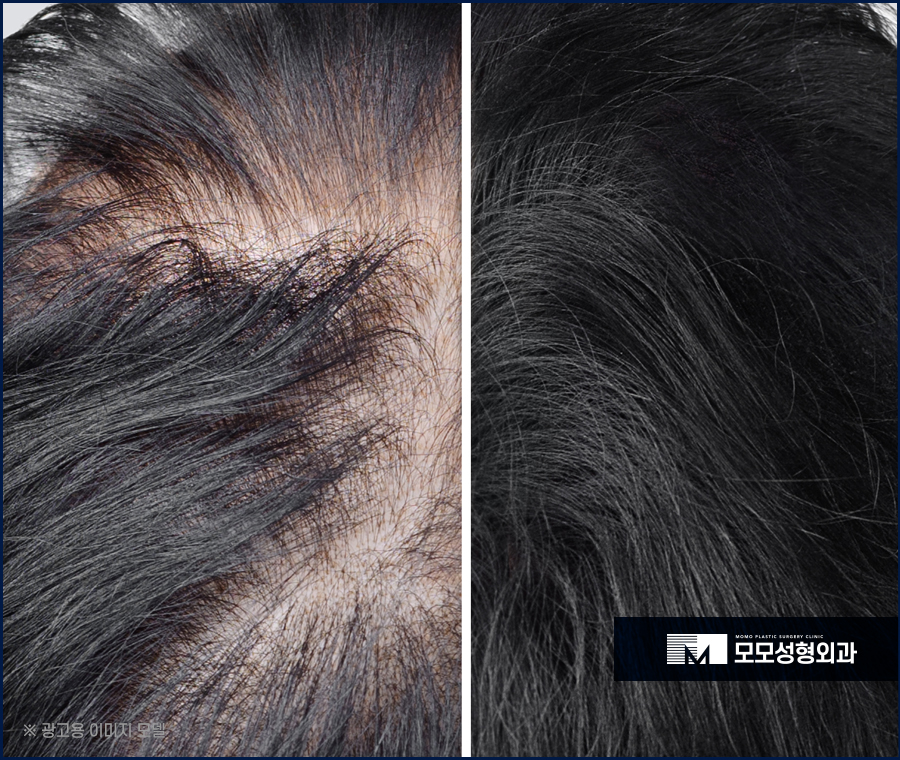
People often make the mistake of taking this lightly. If such symptoms are not actively addressed and are simply left alone with the complacent thought that they will improve on their own over time, other conditions that can cause inflammation or other negative effects may also develop, causing the hair loss to spread to a wider area. Only then do some people realize their mistake and visit a specialized clinic to receive appropriate treatment belatedly. So let’s take some time to look at why hair thinning occurs and whether there are ways to improve it.
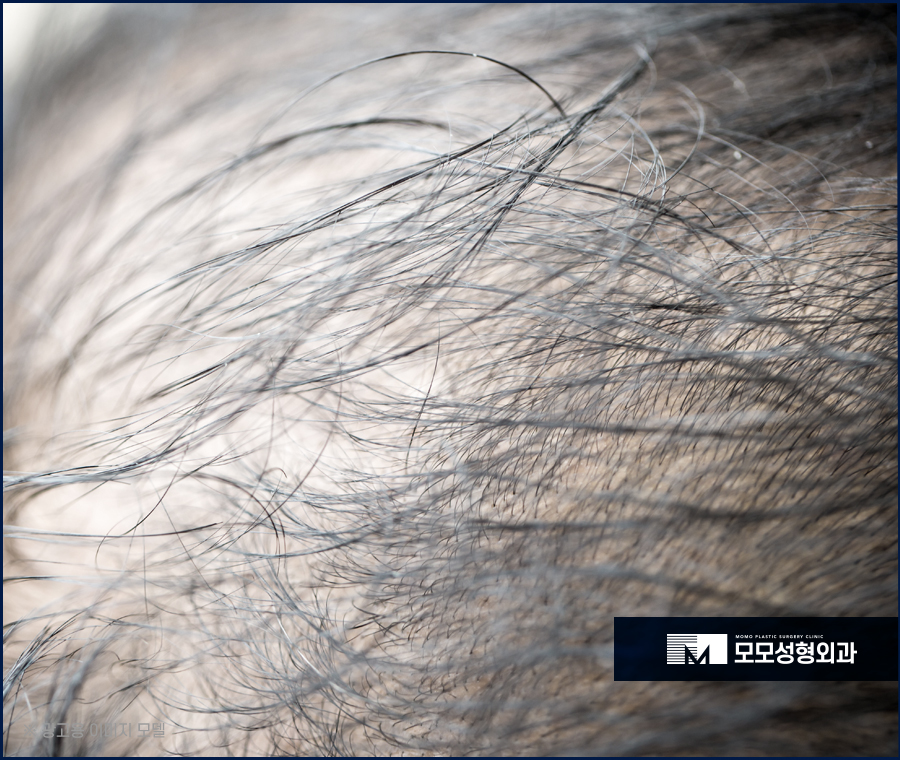
One of the main causes of hair thinning is said to be genetic factors. If a family member has the same symptoms, the likelihood of it occurring can be even higher. Testosterone, the male hormone, is converted by 5-alpha reductase into dihydrotestosterone, commonly known as DHT, which can reduce the size of hair follicles and cause the hair to become finer. However, even if a person carries genes associated with hair loss, they may not all experience the same condition, and even without such genes, follicle cells can be damaged by attacks from reactive oxygen species, causing hair to gradually thin and leading to shedding.
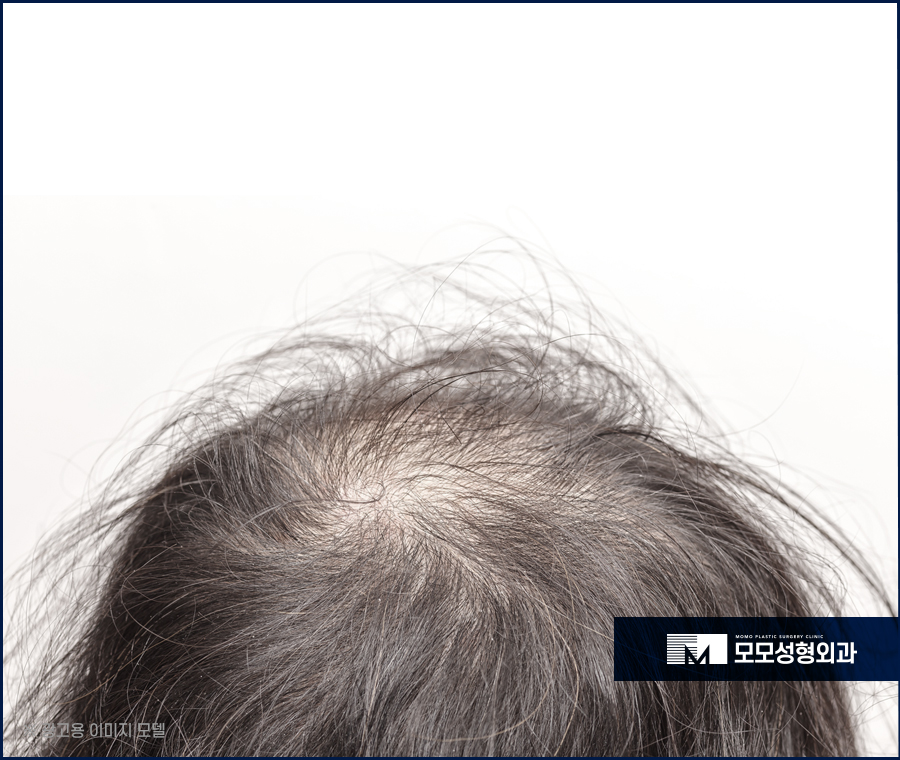
Also, in a fiercely competitive society, if excessive stress and fatigue from academics, work, business, and other situations are not relieved and continue to build up, they constrict peripheral blood vessels and cause a shortage of nutrients and oxygen delivered to the hair follicles. As a result, this negatively affects the scalp and hair, making the natural hair thinner. In addition, when inflammation occurs on the scalp, hair thinning develops in that area, and in severe cases, the hair falls out.
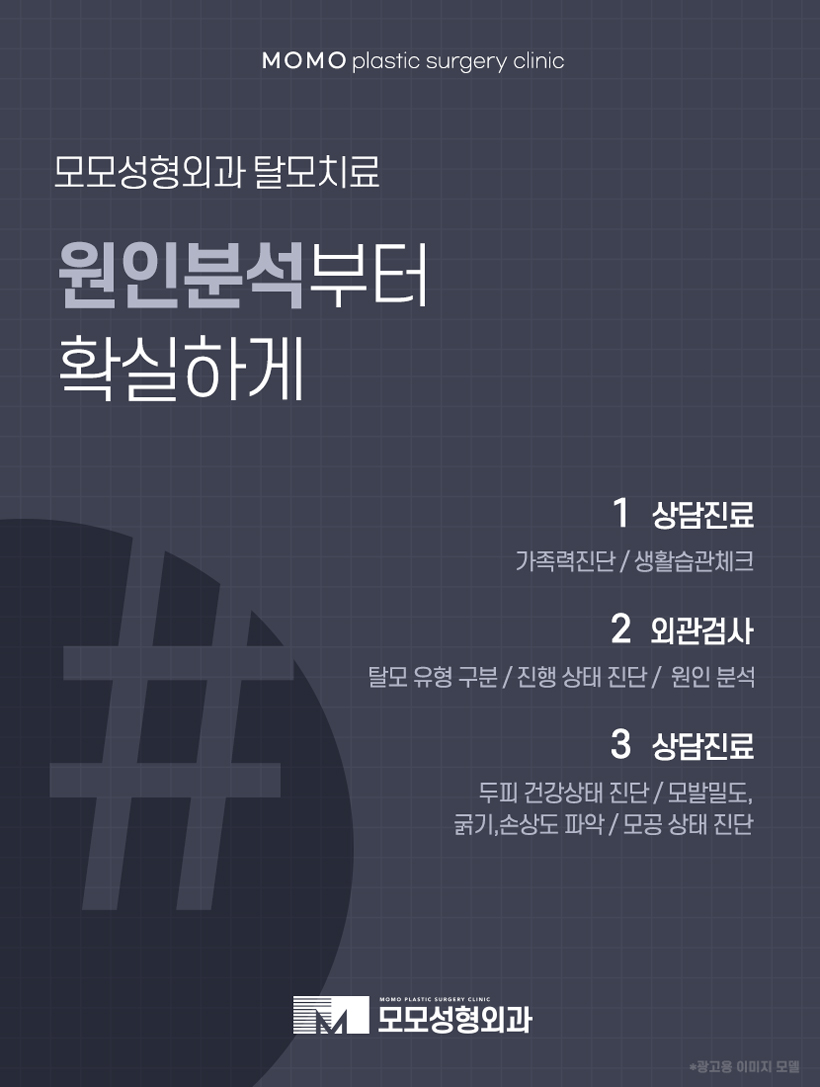
Such inflammatory responses affect the microvessels of natural hair, making nutrient supply difficult and weakening the hair. And sometimes, before a particular season arrives, people become concerned about lighter clothing and try to lose weight quickly. In particular, to succeed at short-term dieting, they may resort to extreme meal restrictions and other methods that place a burden on the body and are overly strenuous. In such cases, the body may not receive sufficient vitamins, minerals, and other nutrients, and hair thinning symptoms can appear.

In addition, even when not dieting, if a person mainly consumes instant foods or greasy, overly spicy foods, essential nutrients can still become deficient, which can also weaken the hair. If this situation continues for a long period of time, it can eventually lead to hair loss, so it is important to eat a health-focused diet and consume essential nutrients in a balanced way.
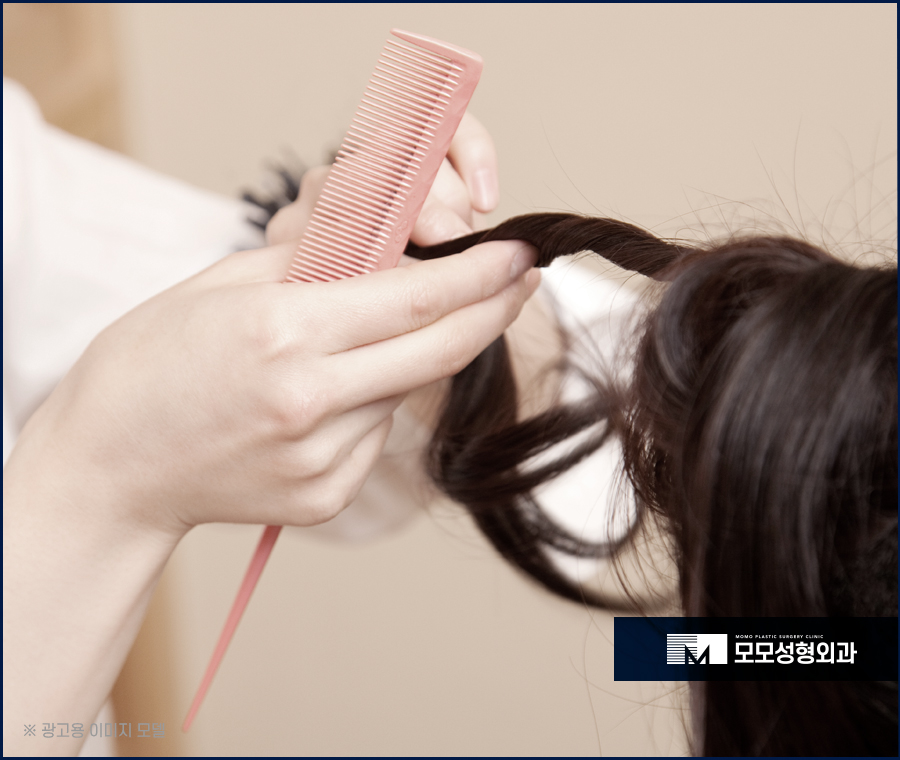
Also, many people style their hair by dyeing it in various colors, or trying waves or perms, in line with constantly changing trends. These processes can irritate the scalp. Styling with high heat can damage natural hair, making it brittle, dry, and prone to breakage. Braided styles and styles that tie the hair up too tightly can also pull on the scalp; since this can weaken the skin and trigger hair loss, caution is advised.

What are some ways to get past hair thinning? Since the scalp is also part of the skin, insufficient water intake is not good. Drinking more than 1 liter of water a day provides hydration and has a preventive effect that can reduce problems such as dandruff, itching, and splitting of natural hair.
As mentioned above, a balanced diet helps improve the environment in a positive way. In particular, eating foods rich in biotin, protein, vitamins A and C, and meals that use ingredients high in omega-3 fatty acids can help promote hair growth and support thicker hair.
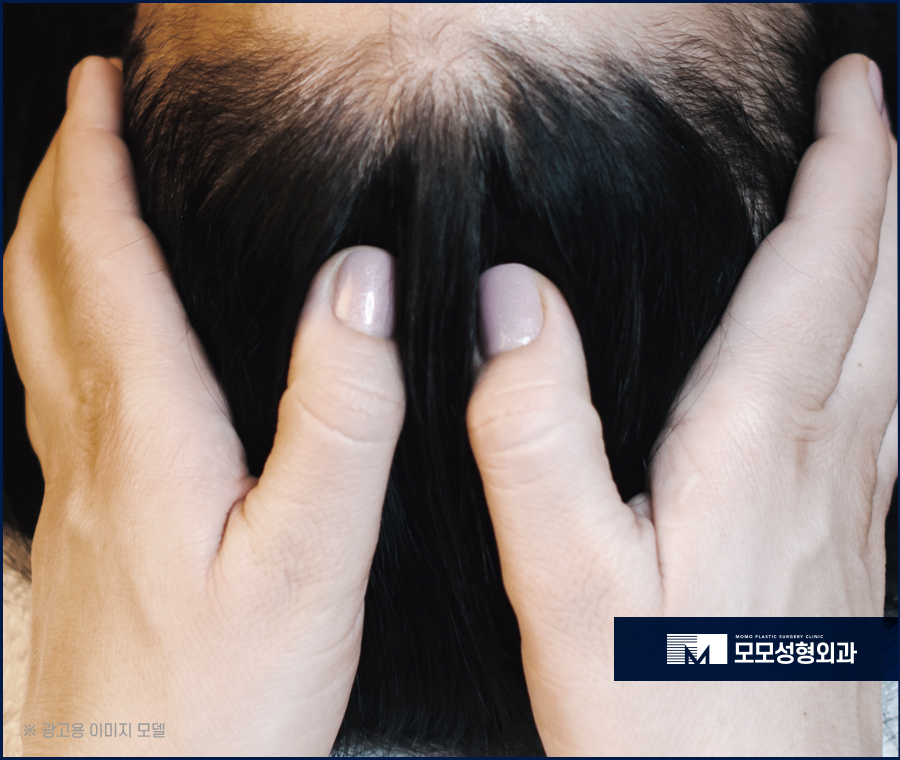
In addition, properly using a shampoo that contains suitable ingredients that can help the scalp and natural hair, washing with lukewarm water, and gently and evenly pressing the scalp with your fingers while washing your hair or in daily life can help supply blood flow to the hair follicles.