These days, the weather is moderately cool and refreshing,
which even lifts your mood. It’s a good season to enjoy outdoor
activities, but at the same time, the dryness can be quite uncomfortable
in many ways. During periods when the air is dry like this, the moisture-
sebum balance in our bodies can easily become disrupted, which can make
skin and hair care more difficult.
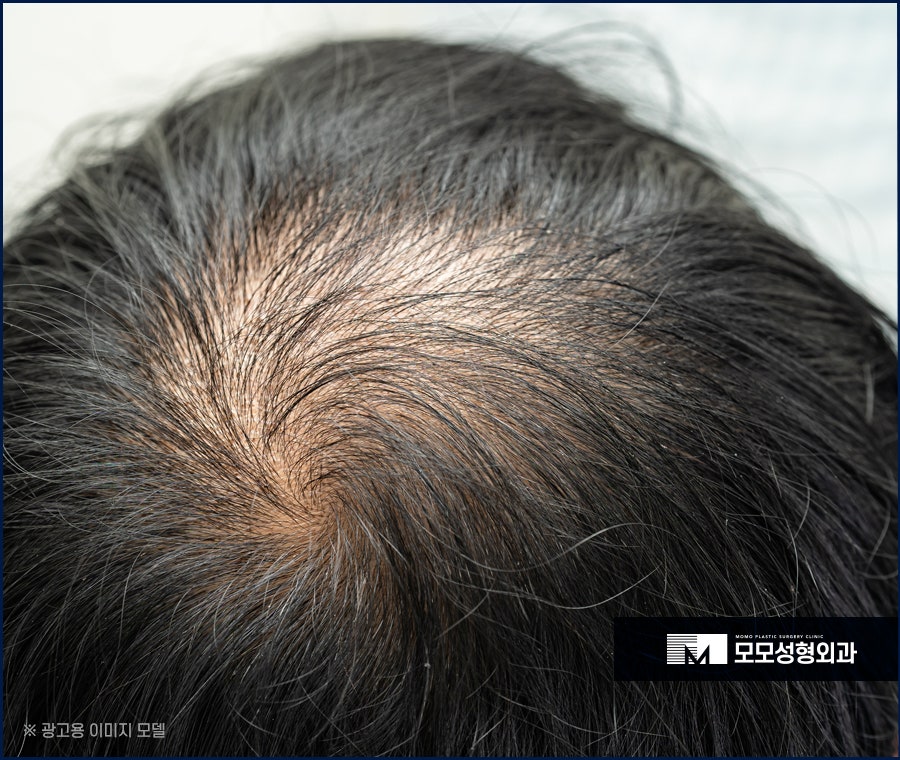
Especially when the season shifts from autumn to winter, many people
worry because it feels like more natural hair is falling out than usual.
During this seasonal transition, the temperature difference between day
and night becomes large, and our bodies consume energy to regulate body
temperature. As a result, fatigue can increase and immunity may decline.
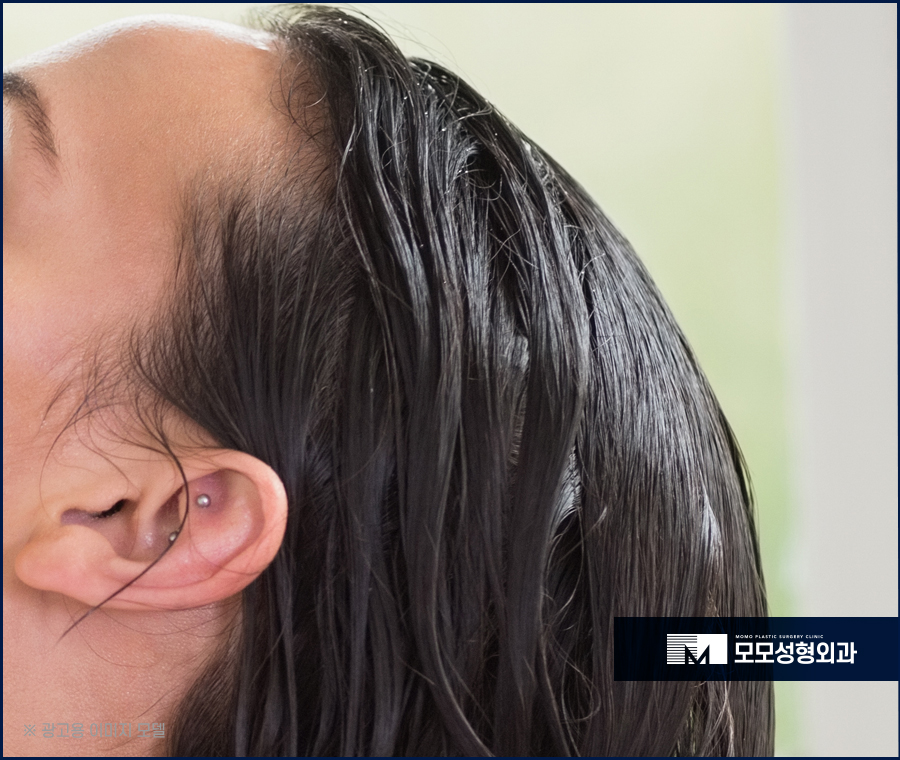
Perhaps because of this, after washing hair as part of a daily routine,
when you see many strands collected around the drain, you may start to
wonder whether you have developed a hair-shedding condition, or whether
not washing your hair could cause hair loss. If these symptoms appear
when you are not even middle-aged and not yet at an age where aging
changes are expected, the worry can be even more intense. Recently, it is
said that this kind of hair-shedding symptom is a condition that can
appear regardless of age or gender. In fact, many young people visit
related clinics after frequently undergoing hair procedures such as
dyeing, which irritate the scalp, or due to excessive stress from various
situations such as work, business, or study, causing a large amount of
natural hair to fall out.
Even if it is not a seasonal transition, natural hair can fall out for
many different reasons, and improper care can also lead to shedding. So
let’s look into the truth behind the question of whether not washing
your hair can cause hair loss symptoms.
A condition that causes natural hair to fall out can develop not only due
to aging or genetic factors, but also because of acquired reasons such as
continuous stress and irregular lifestyle habits. Once natural hair falls
out, it takes a great deal of time and effort to return to normal, and in
many cases, recovery does not happen as much as hoped. That may be why
people say that washing too often in daily life, or not washing your hair
at all, can lead to hair loss.
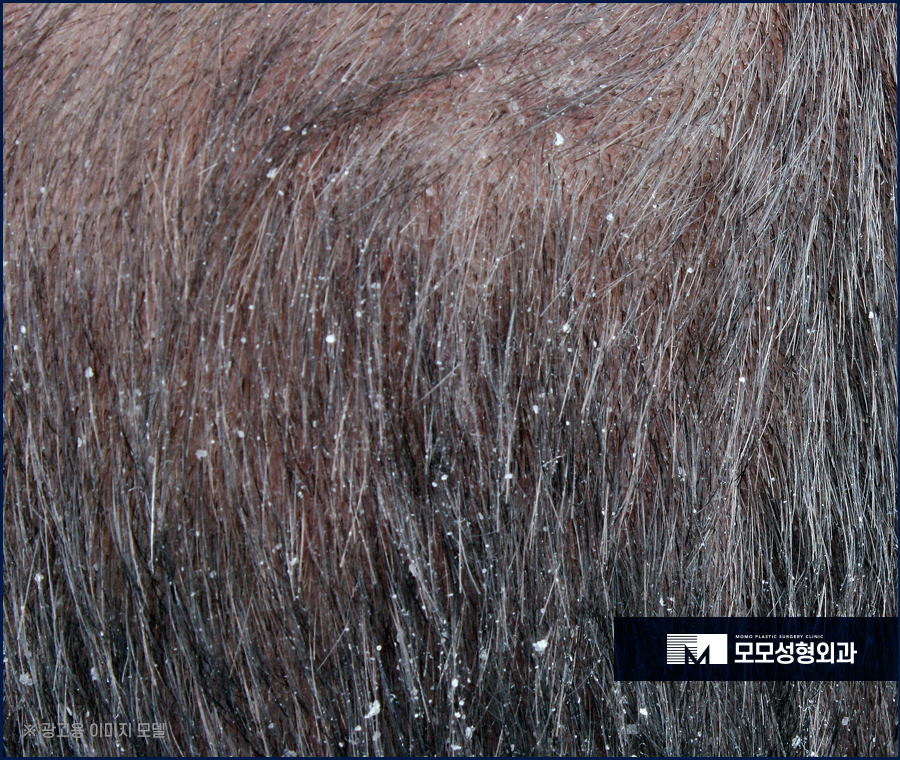
In conclusion, shedding symptoms are more likely in the latter case than
in the former. There may be slight differences depending on the
ingredients in the shampoo product, but shampoo works to wash away fine
dust and waste accumulated on the scalp. At this time, if you do not wash
your hair, the cause of hair loss symptoms may be that waste such as
dandruff and sebum builds up excessively on an oily scalp, which can lead
to hair falling out and increase the likelihood of developing seborrheic
dermatitis.
In addition, the accumulated waste can cause unpleasant odors and even
itching, and if you cannot tolerate it and scratch the area frequently,
it can give people around you an impression of poor hygiene. If this kind
of impression continues, it can negatively affect interpersonal
relationships and social life. And for example, even if you stayed at
home all day, various waste materials such as sebum secreted from the
skin and dust from daily life can accumulate. If left as is, the scalp
passages can become blocked, dandruff can develop, and in severe cases,
not washing your hair can lead to hair loss symptoms.
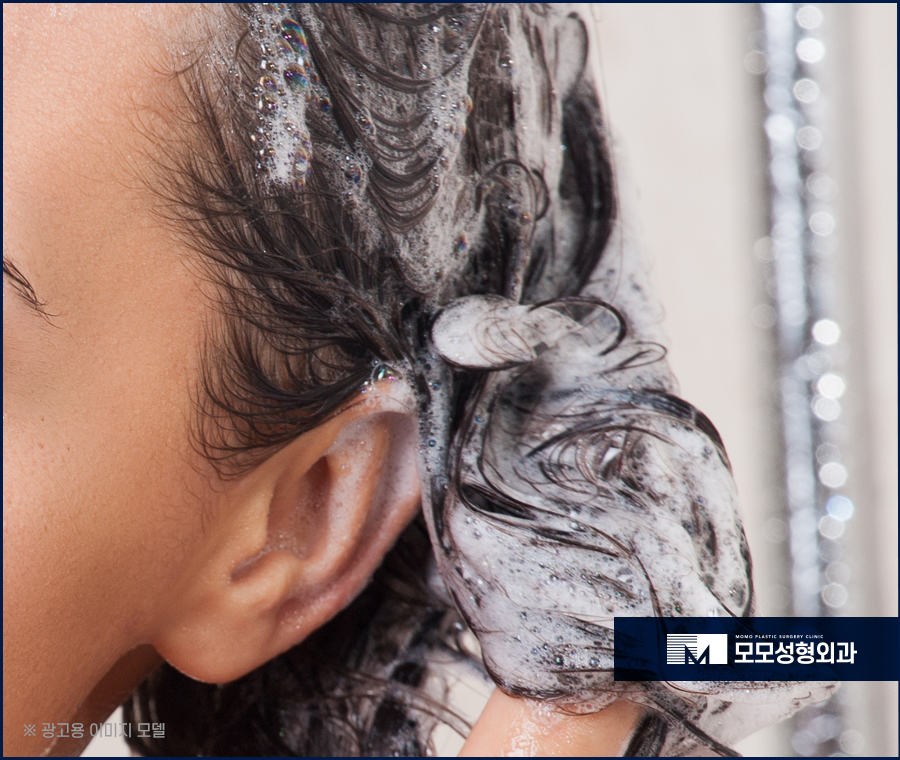
That said, washing too frequently can also make the skin dry, according
to some reports. It may be a little inconvenient, but it is best to
shampoo about once a day. Just like skin types, the scalp can also be
classified into types such as dry or easily oily, and regardless of that
type, shampooing at least once a day can be helpful. It is also
important not to leave the scalp and hair damp, and to dry them thoroughly.
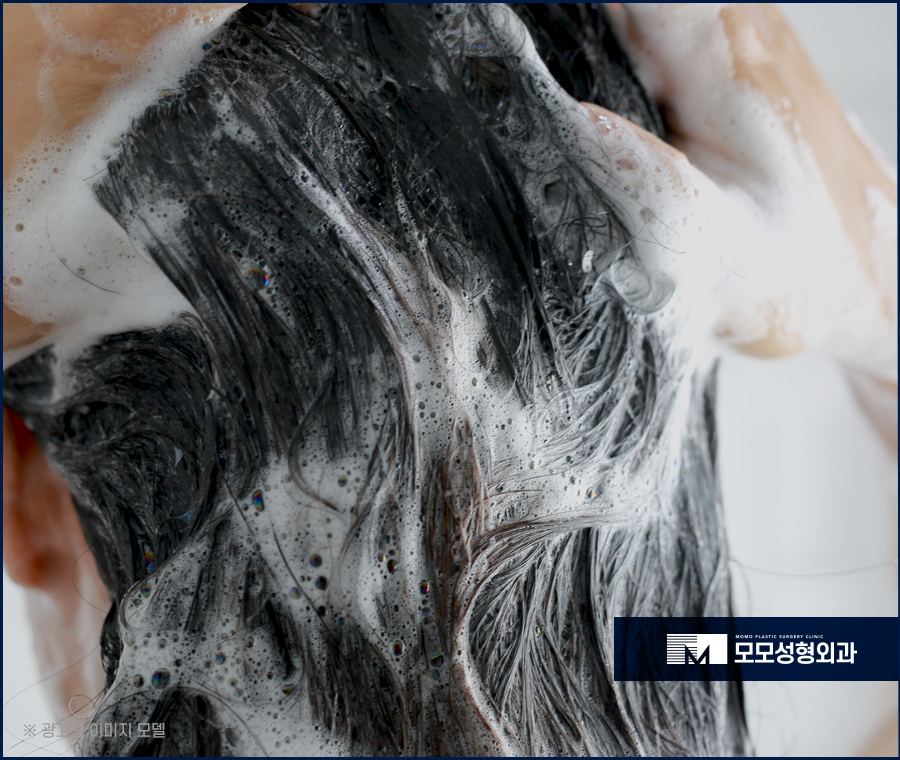
Because not washing your hair can cause hair loss and dermatitis, it is
best to maintain cleanliness consistently to prevent it, and proper care
is important. Use products suitable for your type and wash and rinse
carefully so that no dead skin cells or impurities remain. It is best to
keep the cleansing time to about 5 to 10 minutes. Sometimes, people leave
the cleansing product on longer than the recommended time in order to
clean more thoroughly, but this is the wrong method.
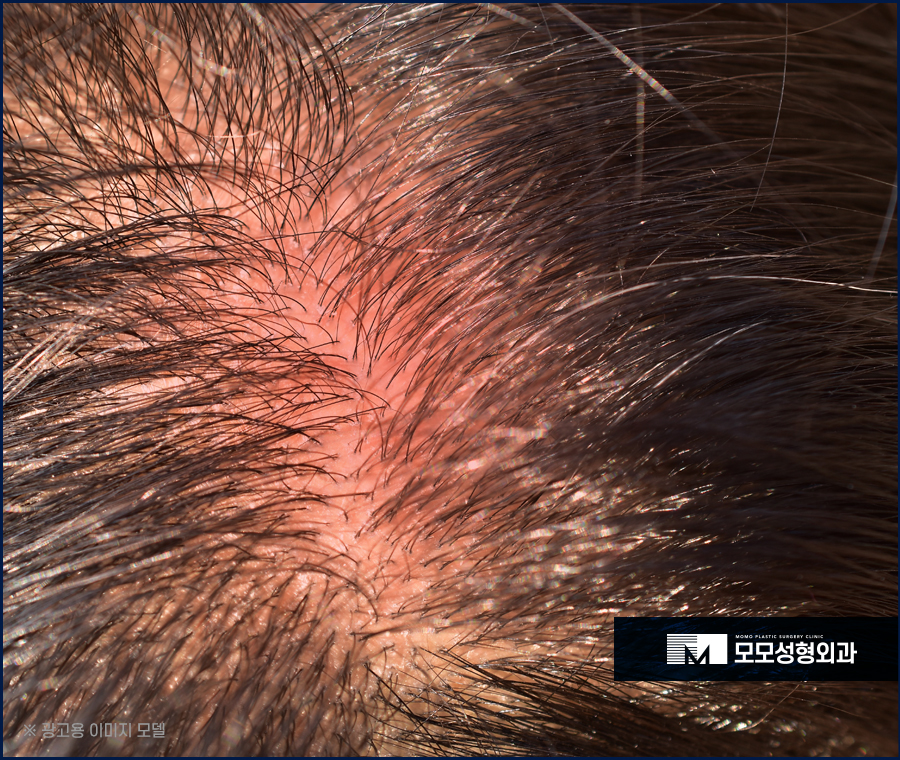
Chemical ingredients such as surfactants in the product can instead cause
irritation if they remain on the skin for too long, and if you have
sensitive skin, they can even harm skin health. Also, when rinsing, it is
better to take time and rinse several times so that no residue remains at
all.

In addition, although most people know that it is important to wash well
because not washing your hair can lead to hair loss, there is something
that often gets overlooked. That is the drying process. Because people
sometimes hear that it is better to dry with natural air, after washing
they occasionally go to sleep without drying their hair. This creates a
damp environment between the pillow and the hair, increasing the growth
of mold and bacteria, which can ultimately cause various problems such as
seborrheic dermatitis and fungal dandruff. Therefore, rather than using a
hot temperature, you should fully and thoroughly dry the scalp and hair
with cool air.

If, even though you are making an effort to care for yourself using the
correct methods, the symptoms do not improve and instead seem to worsen,
it would be advisable to visit a clinic immediately, discuss your
condition in detail, and receive an accurate diagnosis and appropriate
measures.