
From the moment of birth, human beings grow at their own pace.
Once they reach a certain stage of growth, they gradually begin to age,
and the process of aging naturally arrives.
Among the related symptoms,
naturally gray hair can be considered one of the representative signs
of aging. When you look at hair that has faded like this,
you may think, “I’m getting older now.”
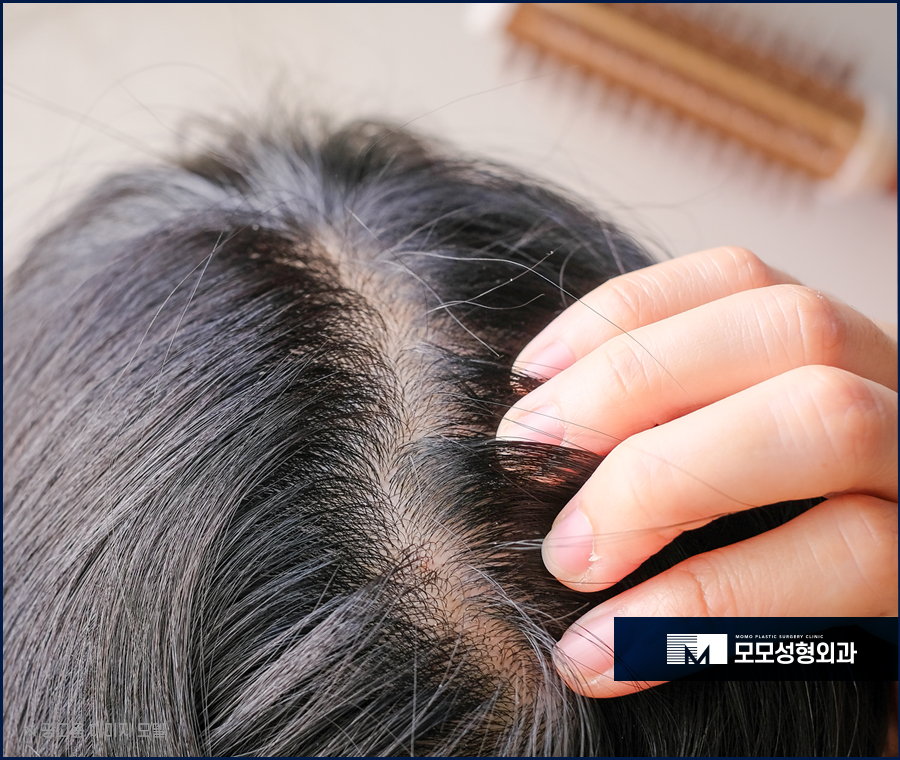
In general, it is known that once people enter their 30s,
about 10 to 20% of black natural hair turns white every 10 years.
This is something that anyone can experience,
and it can be called a very common phenomenon.
However, some people feel white hair itching at the same time as these symptoms appear.
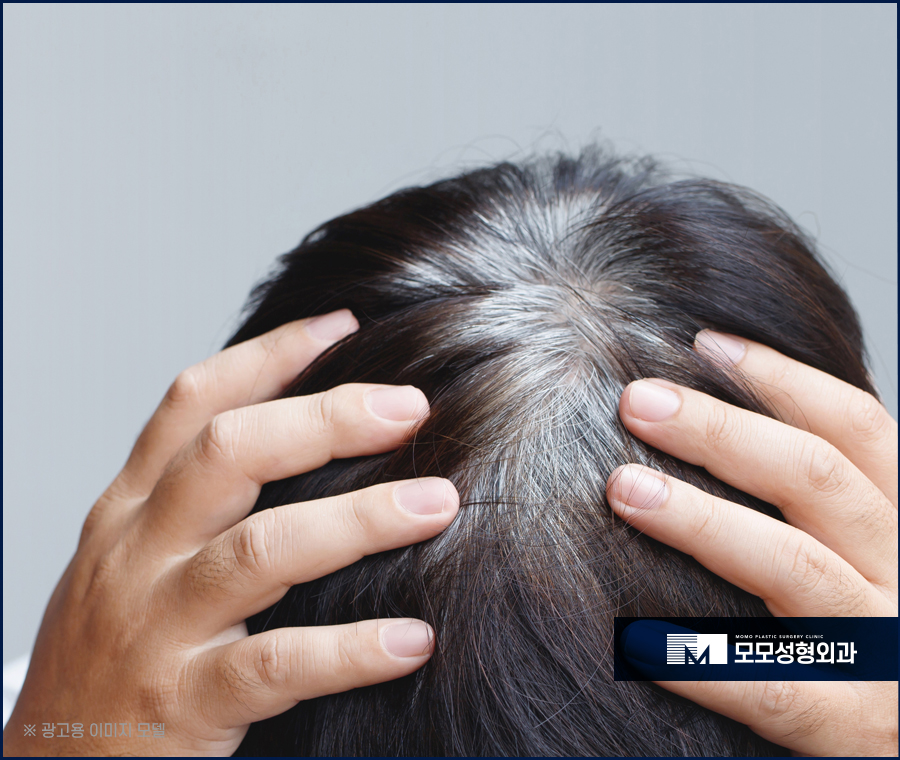
You may worry greatly and feel anxious that something may be wrong with your scalp
as white hair begins to grow.
An itchy scalp can occur along with related conditions or hair loss,
but even when such conditions are not present, it can still happen.
It can also be felt when hair is being produced.
White hair itching, also called gray hair rather than ordinary natural hair,
is something many people experience more often than expected.
When ordinary hair grows out, it seems to cause no particular sensation,
but the concern is that it only feels itchy when white hair appears.
So, let’s take a closer look at why this symptom occurs
and whether there are ways to relieve it.
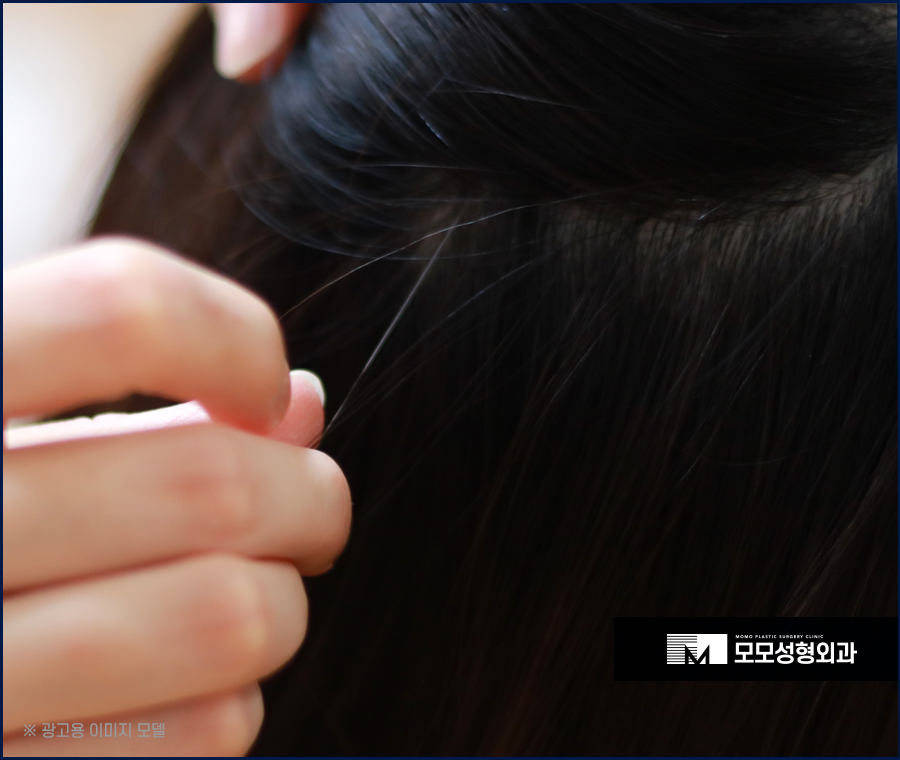
First, we need to understand why white hair appears.
This happens when melanin, the pigment that gives hair its color,
is insufficient or not produced normally, resulting in hair of a lighter color.
In other words, it refers to natural hair that differs from normal hair,
and officially it appears due to melanin abnormalities,
as well as a variety of other causes.
As mentioned earlier, it can appear as a natural part of aging,
but in modern times it is also known to be caused by excessive stress,
frequent smoking and drinking, poor eating habits, genetic factors,
thyroid imbalance, and endocrine disorders.
It is also related to sleep. Between 10 p.m. and 2 a.m.,
that is, over a four-hour period, a large amount of growth hormone is secreted.
If you cannot sleep during that time,
growth hormone may become deficient and white hair can appear.
Lack of sleep can also cause problems with blood circulation,
which can lead to a lack of melanin pigment.
In particular, stress has a very close relationship with gray hair.
If stress is not properly relieved and continues to build up,
the balance of the body’s hormones can collapse,
and blood circulation may become poor or even worsen.

When that happens, sufficient nutrients are not delivered to the scalp,
making it impossible to produce melanin.
When white hair grows due to these various causes,
the accompanying symptom is white hair itching.
The reason this symptom appears is that melanin cell function declines,
preventing pigment production.
Psychologically, this may also be felt in that way,
but for some people, because nutrients are not supplied smoothly
to the scalp and hair and pigment is lacking at the same time,
the hair becomes dull and porous, and the scalp can become dry.
Therefore, sebum secretion decreases,
and the subcutaneous fat layer gradually becomes thinner,
causing the scalp to become thin and dry,
which can lead to white hair itching.
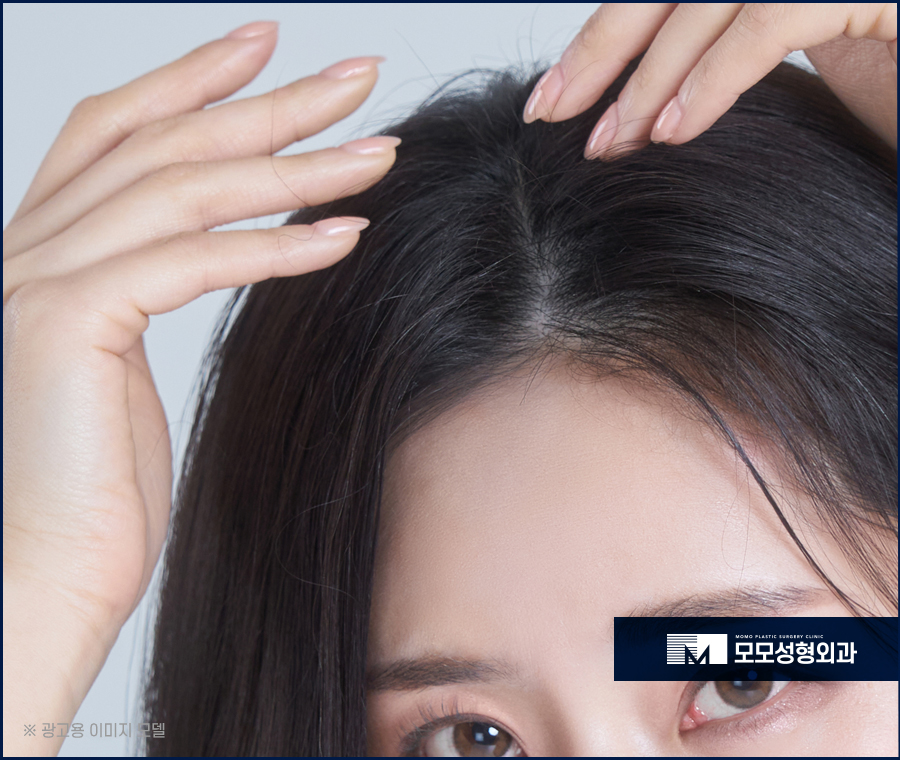
So, is there a solution that can clearly improve white hair itching?
Because hormonal changes and poor blood circulation can cause white hair,
and may also trigger hair loss, it is best to quickly identify the underlying cause
and consistently maintain appropriate care.
As more and more people struggle with white hair itching due to various reasons
such as irregular lifestyle patterns and eating habits,
getting help from a related clinic to clearly understand the signs shown in your own body
and receive an accurate diagnosis can also be one response.
Some people may think that if they feel white hair itching,
pulling out the white ordinary hair that causes the symptom might make it better.
It would be nice if removal could bring satisfying results,
but if the white hair is pulled out, white natural hair will grow again in that area.
So if you are bothered by seeing such symptoms on the surface,
cutting it short may be the best method.
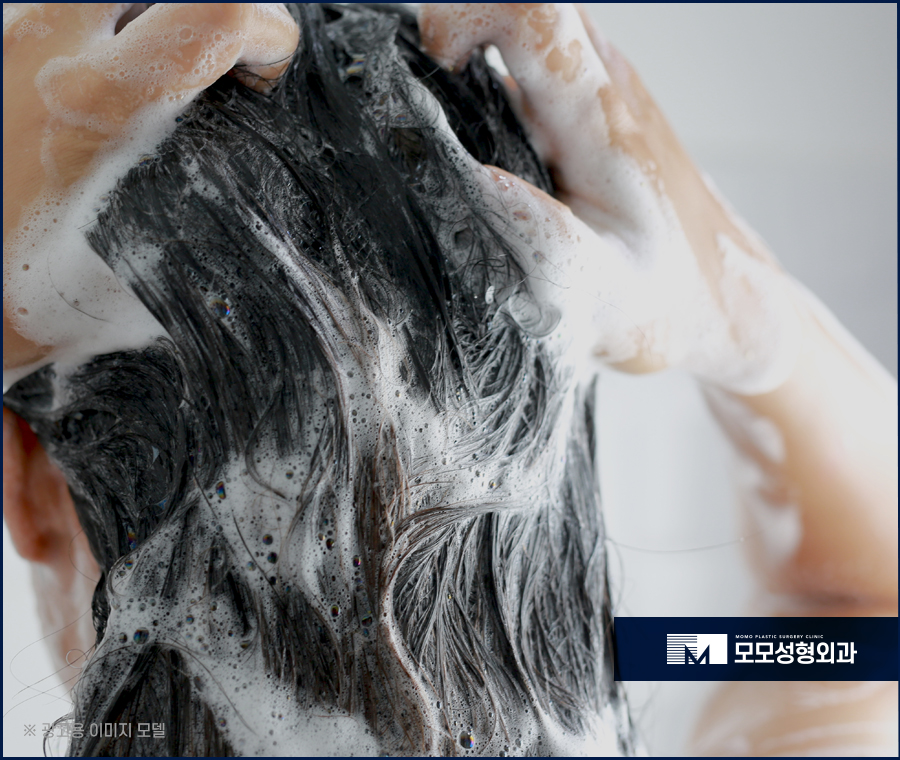
Also, keeping your scalp and hair clean in everyday life can help.
It is important to shampoo regularly at an appropriate frequency,
choose products suited to your hair type,
and rinse thoroughly so that no residue remains.
In addition, it is important to completely dry your hair overall
with air at an appropriate temperature.
It is advisable to care for your hair by eating a balanced variety of foods
that can have beneficial effects on your health,
so that you can maintain a clean and full hairstyle.
However, even if you are practicing such care,
if the symptoms you feel do not improve,
do not passively leave them alone with the thought that they will get better someday.
Instead, visit a related clinic to identify the cause
and seek appropriate measures that can help you overcome it.