
Although the rate at which they appear can vary, every human being naturally goes through the aging process as time passes.
Small and large changes appear across the body overall, and among them, white hair is something many people want to avoid but must inevitably accept.
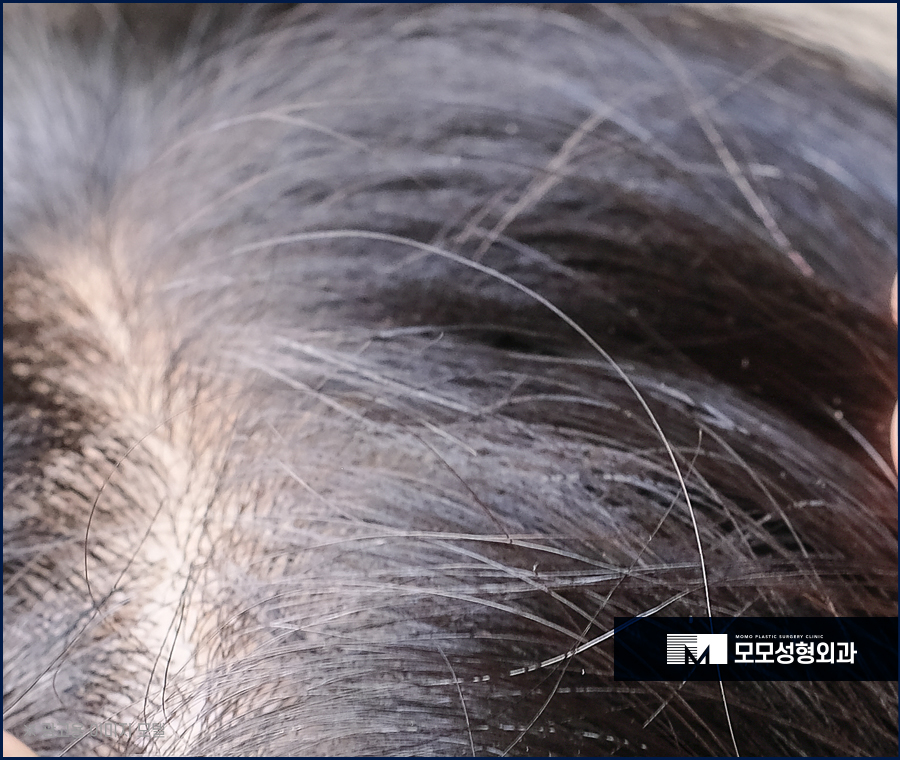
This symptom occurs when the function of cells that produce melanin pigment, which determines hair color, declines. More specifically, cells in the hair cortex create hair using melanin pigment, and they are supposed to fill the hair black, but when this function weakens, the hair remains white.
In general, naturally white hair can appear in the side, front, and back areas in that order, and in men especially, it is said to be most concentrated around the area below the ears or on the sides, where short hairstyles make it more noticeable.
The reason it tends to appear in places that are easy to see is that those areas have thinner skin and fewer blood vessels than other parts. However, these days, unlike in the past, even people in their 20s can experience gray hair. We often refer to symptoms that appear unusually early compared with older middle-aged adults as gray hair.
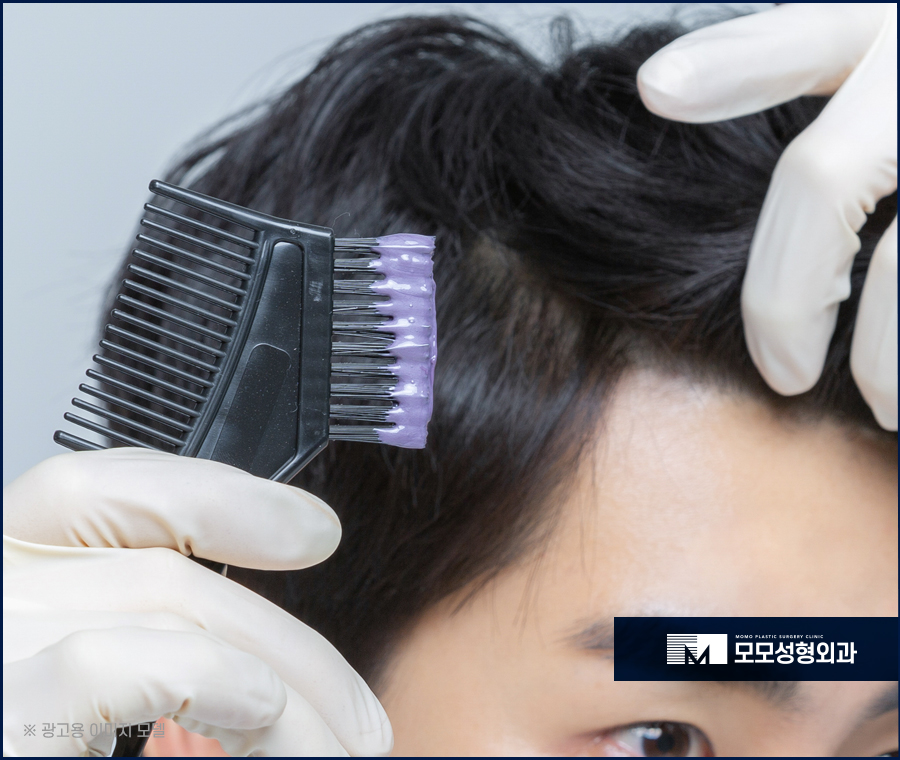
Looking at the main causes of this symptom, genetic factors are among the most representative.
According to a domestic research result, when parents have naturally white hair, the risk that their children will develop it early or experience more severe symptoms was reported to be about 5.24 times higher.
In addition, hair can turn white due to various acquired factors such as an unbalanced intake of nutrients that normally help support health, exposure to excessive stress, or actions that irritate the scalp by frequently undergoing hair procedures such as dyeing or perms that use chemical substances.
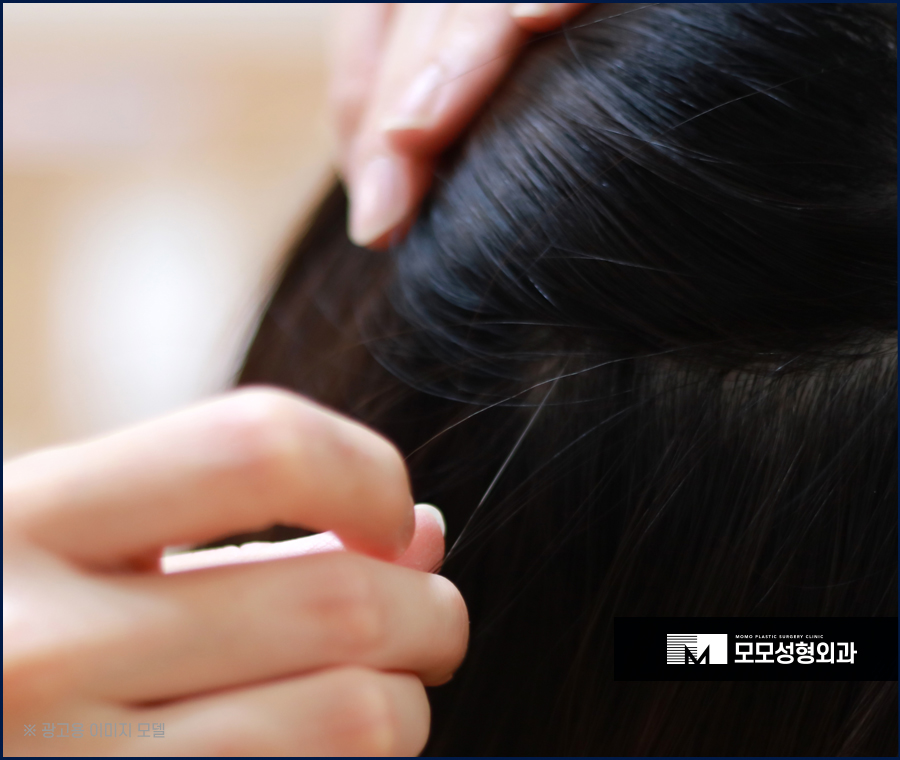
If you have hair that has turned white like this, you may choose to dye it to cover it, or sometimes plucking gray hairs may seem like a way to escape the worries bothering you. But it is important to consider whether that decision is truly the right approach.
And it seems necessary to carefully think about the problems that can arise from plucking gray hairs.
The number of hair follicles on a person's scalp is said to be determined genetically. Also, the number of hairs that can grow from one follicle over a lifetime is about 25 to 35, and the lifespan of a single strand is understood to be about 2 to 3 years.
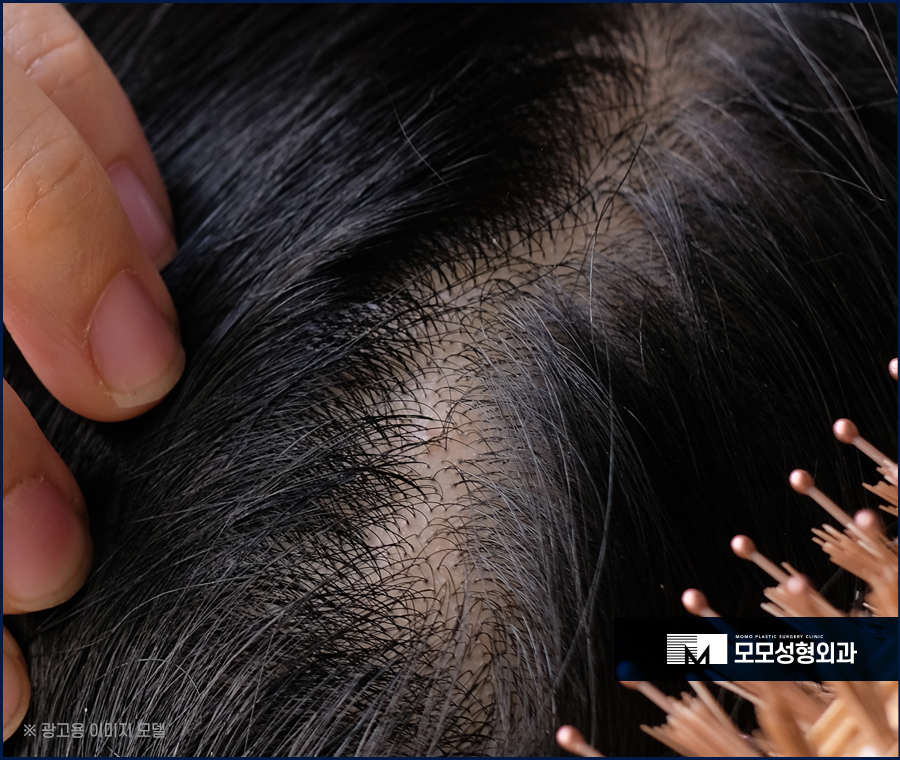
If you pluck gray hairs every time they grow, it is essentially the same as gradually shortening the life of that follicle and speeding up the process.
If that continues under the naïve assumption that simply removing them will solve the problem, eventually the follicle may no longer grow natural hair, leaving an empty space and causing hair loss.

Hair located throughout our body plays a role in protecting the skin and defending against external irritation. If you pluck gray hairs, areas that may be exposed to the outside world can appear, so there is a greater risk of exposure to ultraviolet rays, fine dust, and various bacteria, which is why caution is advisable.
Hair also has a function of maintaining moisture, and if you frequently forcibly pull it out, the skin can become dry and it can be a signal that may lead to problems such as infection and various types of inflammation.
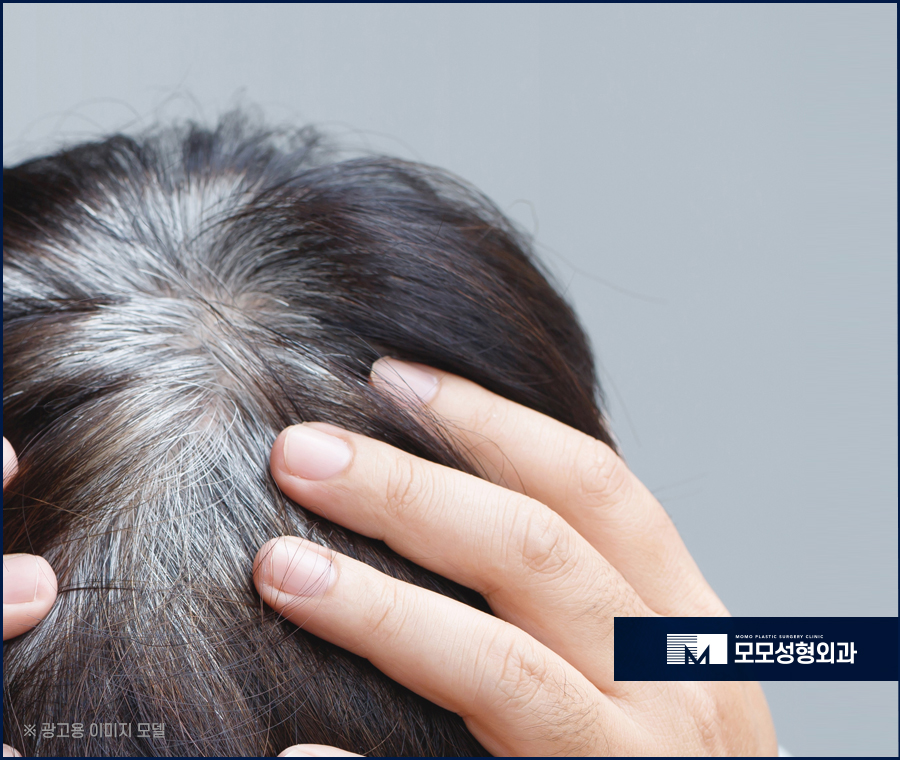
In general, hair grows and changes naturally, but if you pluck gray hairs, the shape or texture may change as it grows back, which is why removing them is not recommended.
Let’s share what methods can help you manage it efficiently while avoiding the problems that may arise from doing this.
First, if the white hair is bothering you and you do not want it to be visible, one method may be to trim the hair that has turned white close to the root using a tool.
And if you are continuously exposed to stress, it is advisable to manage it in everyday life by getting proper rest and doing exercise or hobbies that suit your body’s balance in order to reduce it.
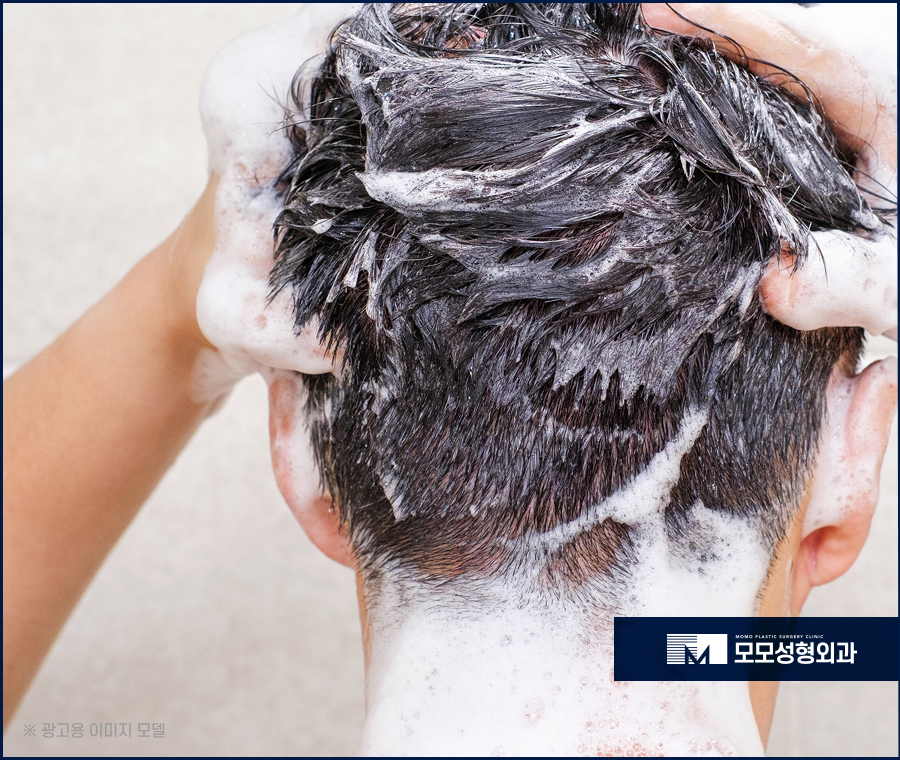
It is also good to try proper hair care. Choose and use shampoo, conditioner, and styling products that suit your hair type, avoid using excessive heat, and it is best to avoid styling methods that can put a burden on the scalp.
In addition, maintaining a diet that includes essential nutrients beneficial to overall health, not just the scalp and hair, can help. In particular, consistently consuming nutrients that are good for hair health, such as vitamin B12, amino acids, minerals, and biotin, may be helpful.

Most importantly, if there is a specific problem related to white hair, consultation with a doctor, along with careful diagnosis and treatment, can be helpful. Since this kind of care can vary depending on the individual’s situation and needs, it is advisable to take an active approach by visiting a related clinic to seek advice or try treatment.