You meet someone you love,
share your heart without reserve,
promise to live together for the rest of your lives as companions,
and in the endless blessings of many people,
a family is formed through the process of marriage. And before long,
a new life that resembles the two of you closely is conceived in the womb,
and after about 10 months of nurturing a child
who holds joy and happiness that cannot be described in any words,
and then coming out into the world and meeting for the first time,
the mixture of emotions and the trembling feeling
can be said to be something that is hard to fully grasp unless you experience it yourself.
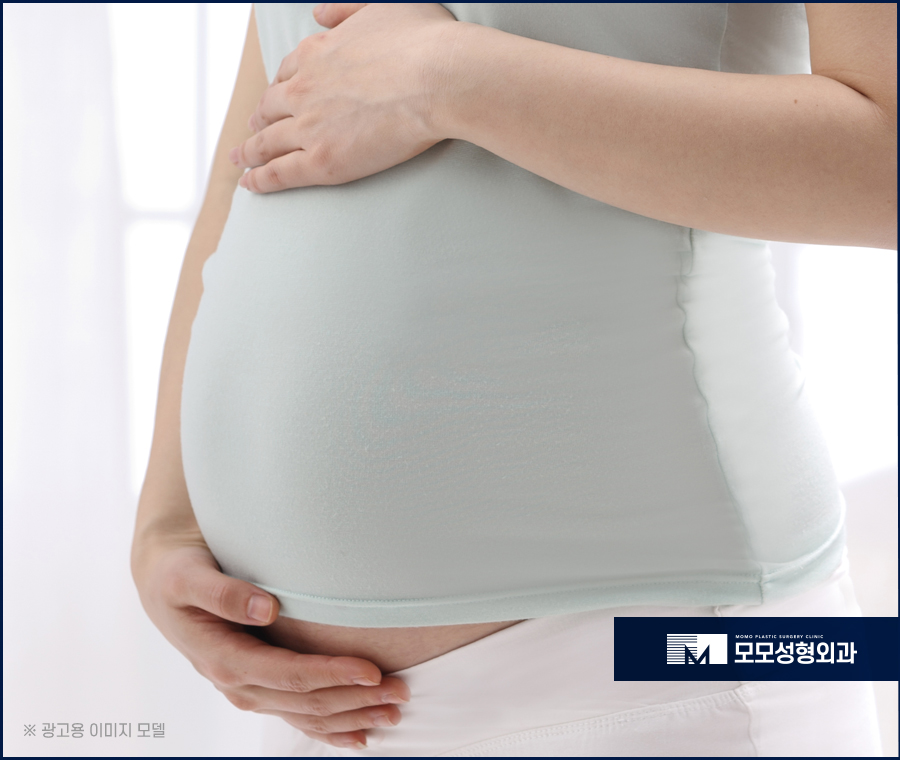
In this way, the process of pregnancy and childbirth can be described as a wondrous mystery of the human body in which a life is born, and this also brings another blessing not only to parents but to the family and many others. The process of becoming pregnant, carrying a child healthily in the womb, and then going through childbirth is not something that can be described as easy, but it also brings many more things in return. At this time, an important check point that can be helpful to know in advance is the various physical changes that can occur after delivery.
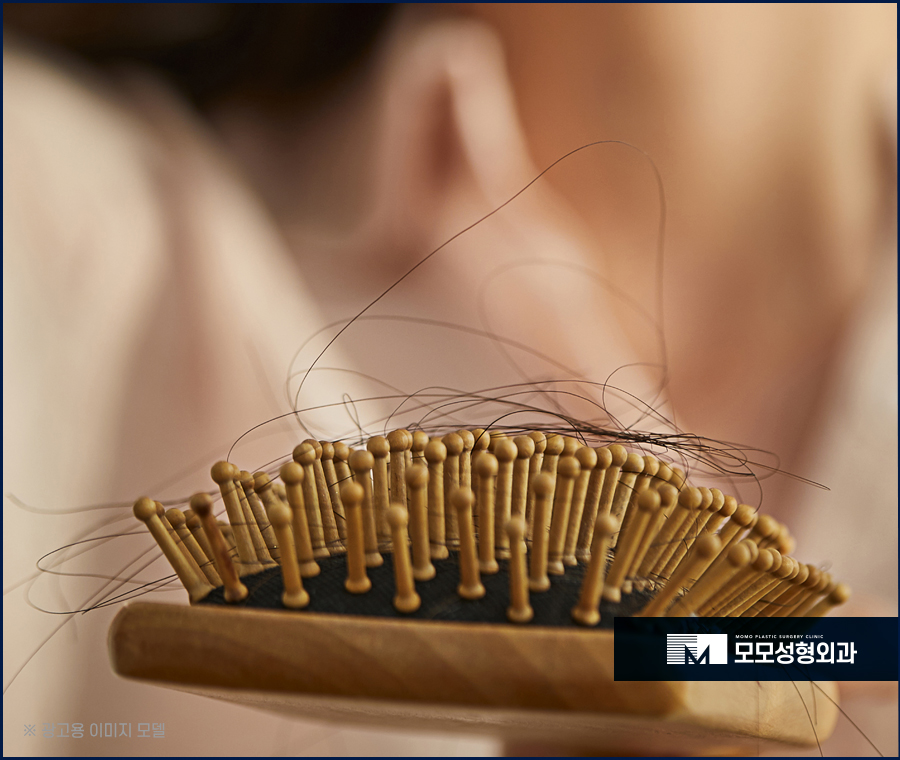
There are many such changes, but among them, hair loss may be the most noticeable and stressful issue because it can be seen with the naked eye. Before pregnancy, there may have been substantial hair shedding, or there may have been no such issue at all, but during this period, you may experience a sudden loss of natural hair. Because of this change in appearance, you may feel flustered, worried, and sometimes even depressed.
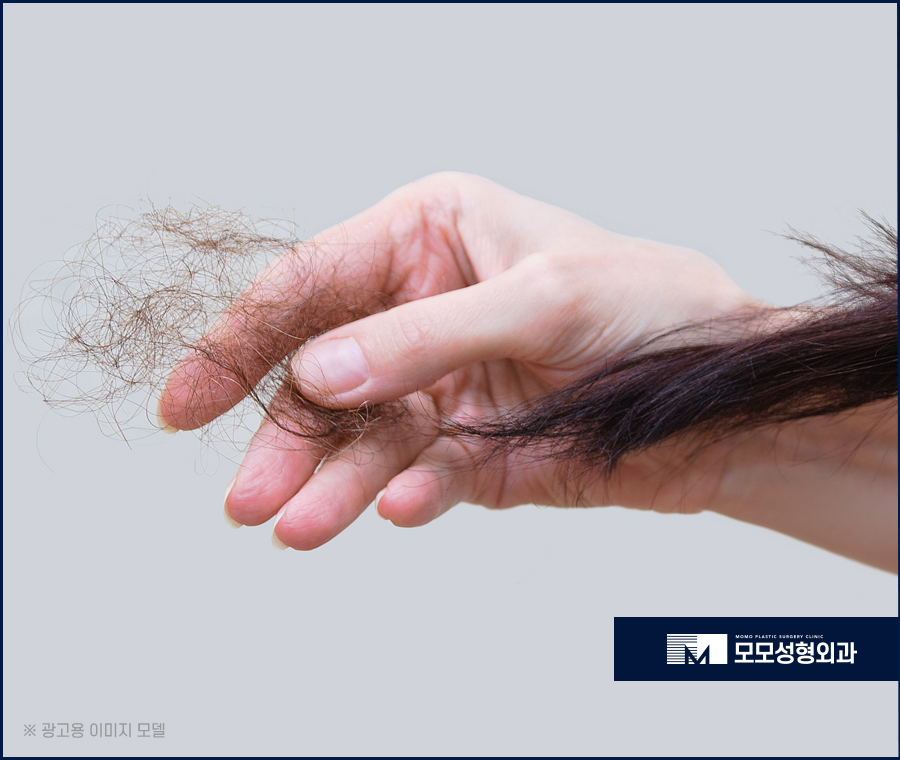
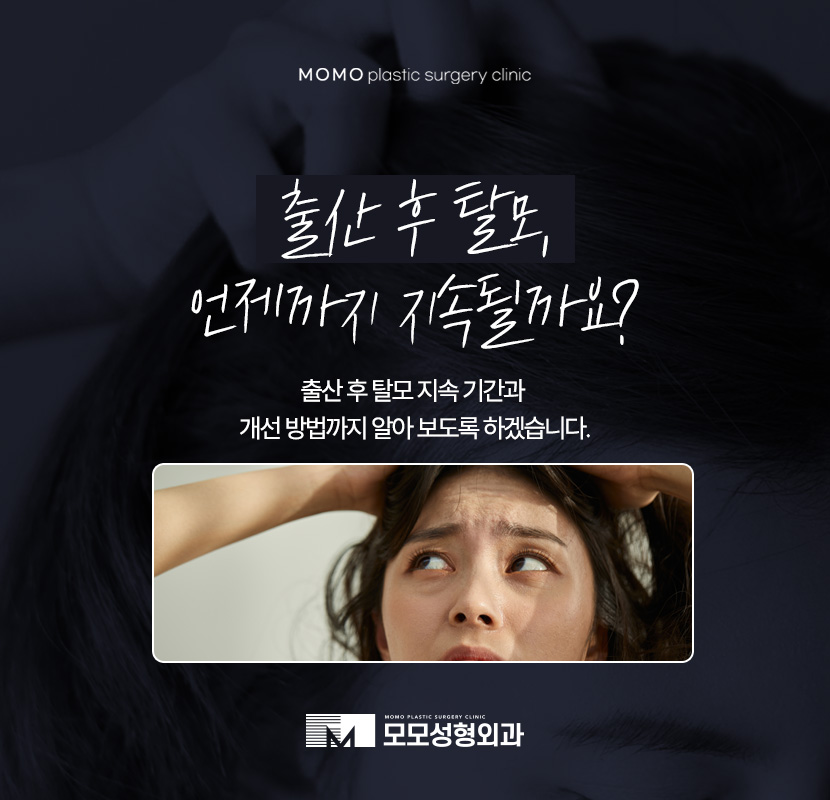
So today, I will share in detail the causes of these symptoms, whether postpartum hair loss lasts until when, and whether there are ways to improve it.
To understand this, looking at the basic hair growth cycle may make it easier to understand how long postpartum hair loss continues. Our hair grows through the growth phase, the regression phase when growth ends, and the resting phase when the hair falls out. When pregnancy occurs, hormonal changes appear first. During this period, HCG hormone increases, and then progesterone increases by about 10 times. In addition, estrogen, which has a major effect on hair growth, increases by about 8 times.
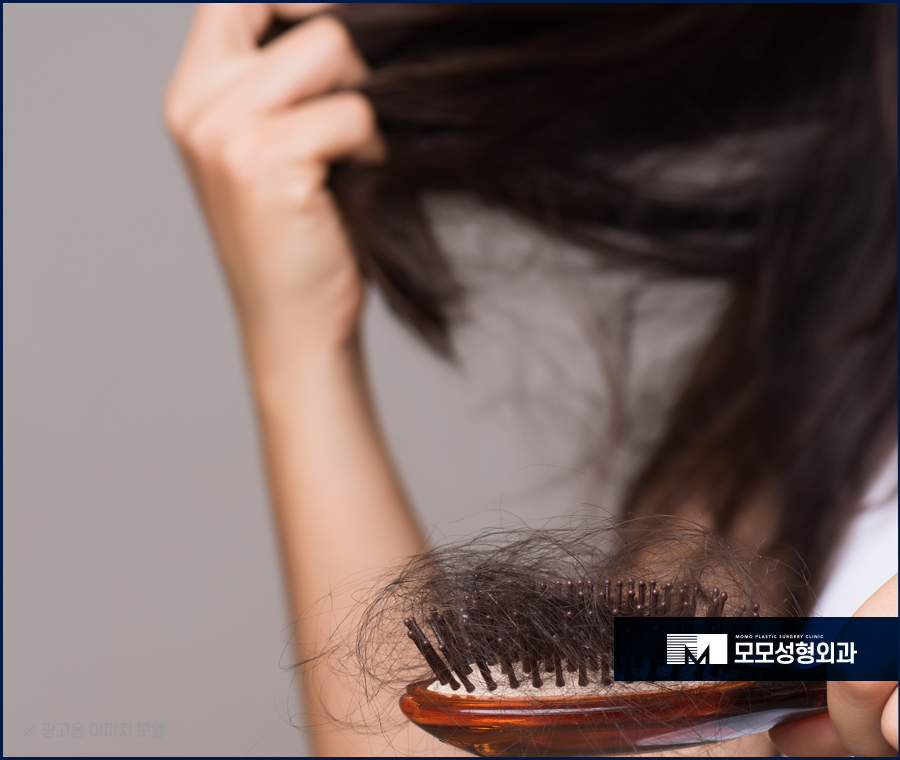
During pregnancy, the level of estrogen hormone rises, so the hair growth phase naturally becomes longer, which reduces hair shedding and instead makes the hair feel fuller. However, after delivery, this hormone returns to a normal level and enters the resting phase.
How long postpartum hair loss lasts can vary from person to person depending on when the symptoms are first observed, but in general, about 3 to 4 months after giving birth, the hair that had not been falling out starts to enter the resting phase, to the point where washing and drying the hair can feel frightening, and it may come out in handfuls. As you see this often, you may worry that it could develop into a disease, but the symptoms that seem like they will not stop typically begin to improve after about 6 months, when new natural hair starts to grow in a way that may remind you of a grass doll. From around 12 months, when the child reaches their first birthday, the mother's hair also tends to recover to its previous state.
Then rather than focusing only on how long postpartum hair loss continues, what improvement measures can help it get even a little better?
Among those methods, the most important thing is stress management. In particular, when caring for a baby immediately after delivery, you naturally face situations where you are exposed to large and small stresses. If such situations are repeated often, the risk of other symptoms or conditions caused by stress increases, so even during busy childcare and daily life, it is desirable to take steps to relieve it appropriately through activities such as rest or walking that make you feel most comfortable.
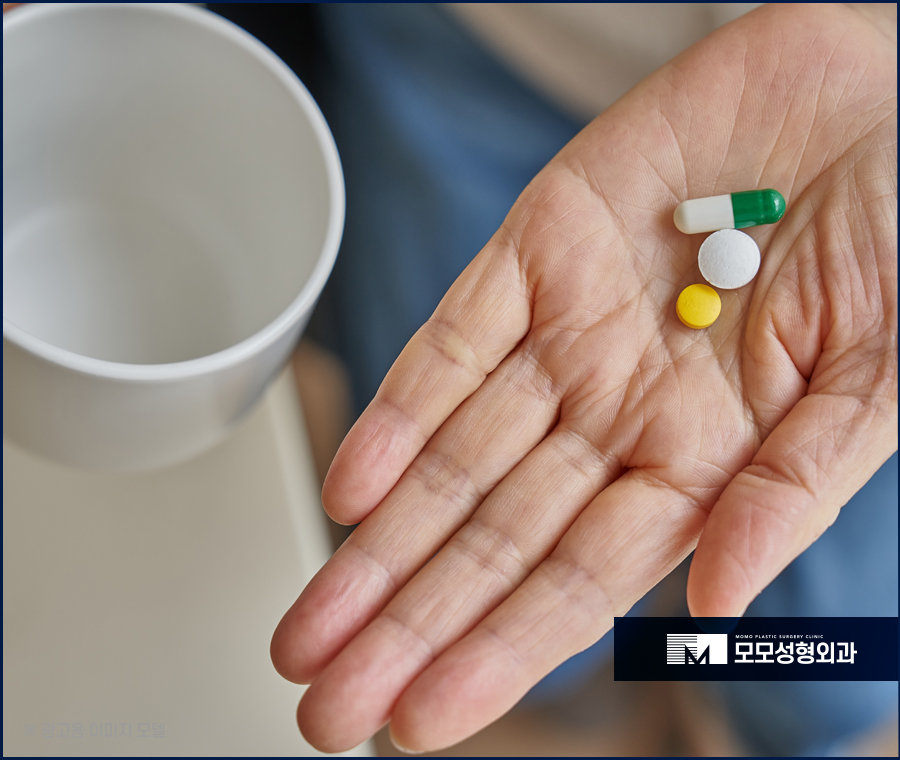
And rather than trying extreme dieting to lose the weight that has rapidly increased, it is said to be helpful to 충분히 consume essential nutrients such as protein, vitamins, minerals, and iron, which benefit the health of the body and natural hair, while maintaining proper eating habits and lifestyle patterns. In addition, it is good to learn and follow routines that can help prevent worries about how long postpartum hair loss lasts. It is advisable to avoid tying the hair too tightly, because applying continuous pressure to the hair follicles can worsen natural hair shedding.
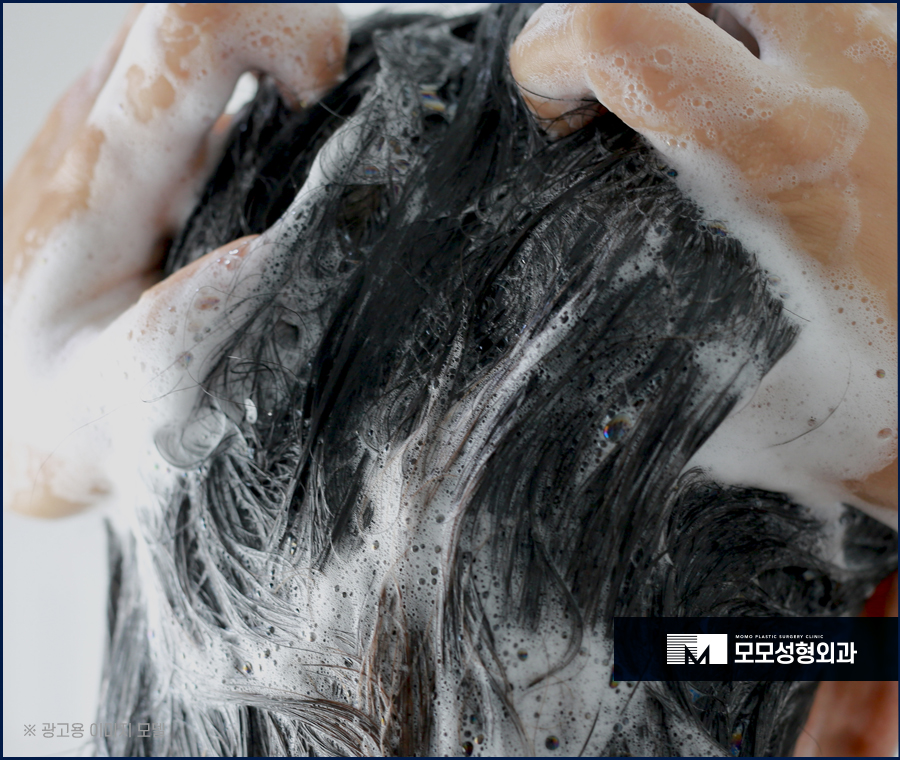
Also, if the scalp is not clean, the likelihood of hair loss progressing increases, so it is advisable to wash it once a day with lukewarm water. At this time, use products suitable for your hair type, rinse several times thoroughly so that no residue remains, and make it a habit to dry the scalp and hair completely at a not-too-hot temperature.
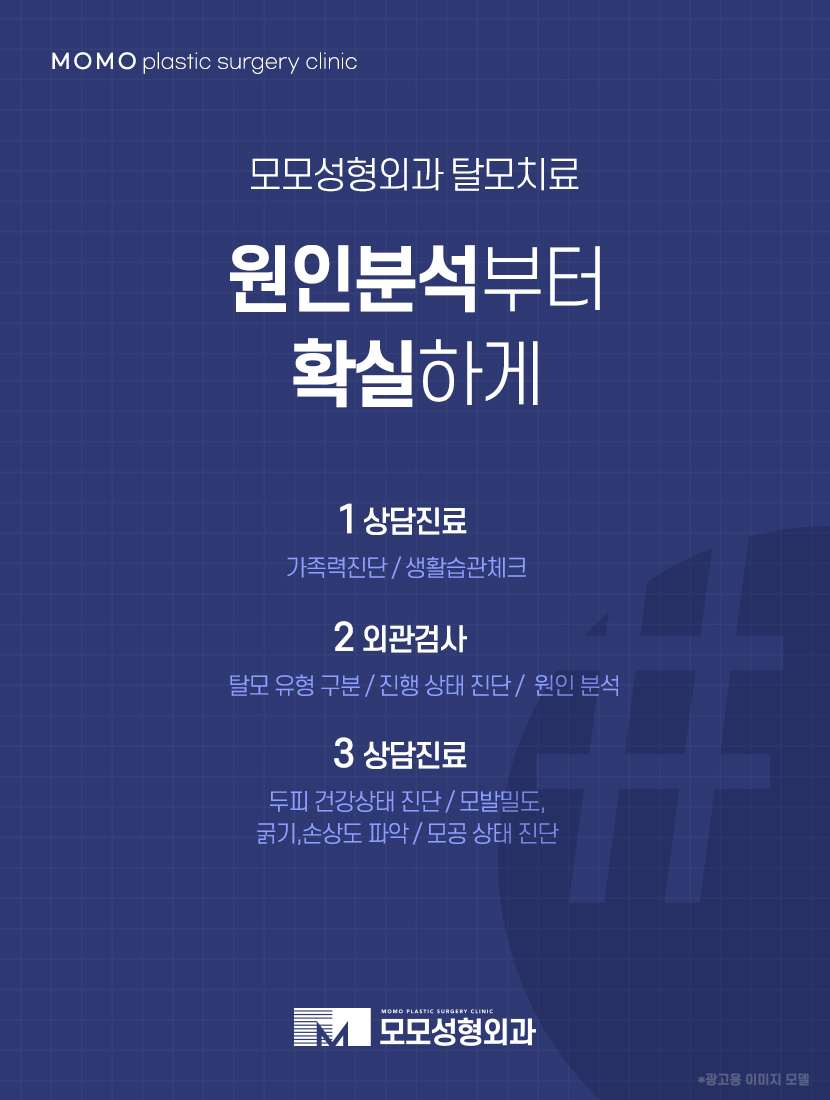
If the symptoms do not go away even after the period mentioned above has passed, and if there are continuous signs of natural hair shedding or if hair is falling out in large amounts, I think it is better to visit a relevant clinic and receive counseling and a diagnosis suited to your current condition rather than waiting for it to ease naturally.
In addition, while many changes such as how long postpartum hair loss appears can bring a sense of accomplishment and joy, they can also be upsetting and worrying. However, because taking good care of your own health makes life with your baby even happier, actively responding to changes in your body will be a way to dream of a happy future ahead.