
These days, a severe cold wave is raging and we are really feeling the temperature drop. Since the cold weather is continuing, it is especially important to pay attention to health management.
If possible, it is best to avoid going out. However, when you still need to go outside for work, school, self-development, or other responsibilities, it is said to be more helpful for maintaining body temperature to wear several thin layers of clothing rather than loosely putting on one thick layer.
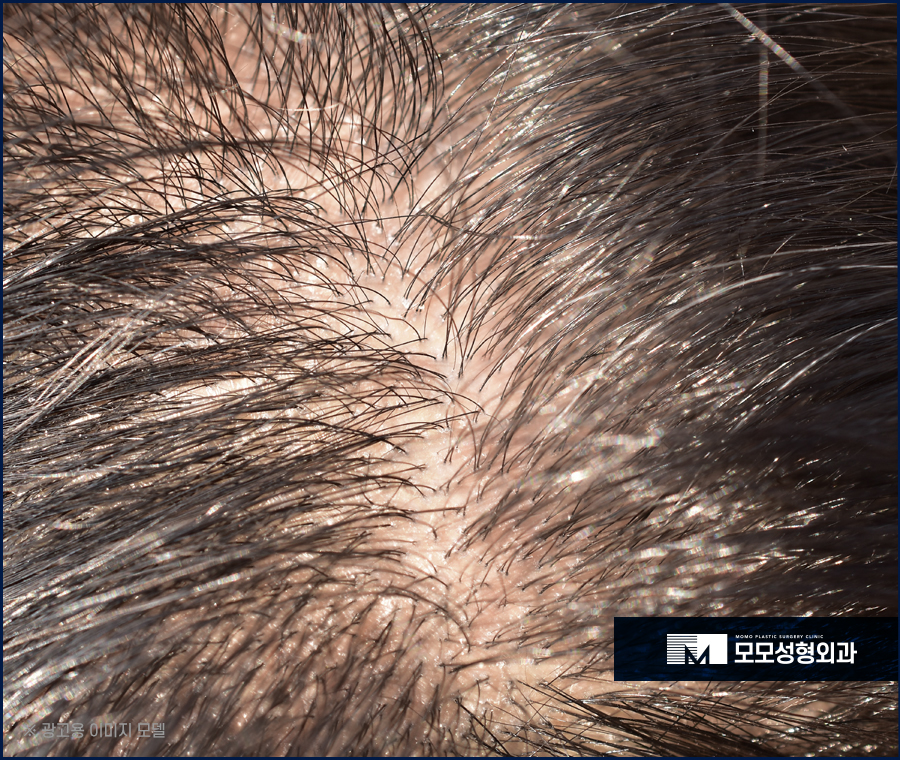
When this kind of weather continues, it is important to take care of overall physical health. Among other things, cold weather and dry air can also affect the hair and scalp. Due to lack of moisture, the scalp can feel dry and itchy, lose its shine, and become more sensitive. Hair can also break easily and, beyond that, may even start falling out. In addition, this season is known as the time when hair loss occurs most often.
Also, compared with summer, when people sweat a lot, the number of times hair is washed tends to decrease. Then waste and dead skin cells can build up on the scalp, making inflammatory conditions more likely. As temperatures drop and people stay indoors, heating devices are used, but the proper humidity level is often not maintained. As a result, the oil and moisture balance is disrupted, and hair loss symptoms can appear.
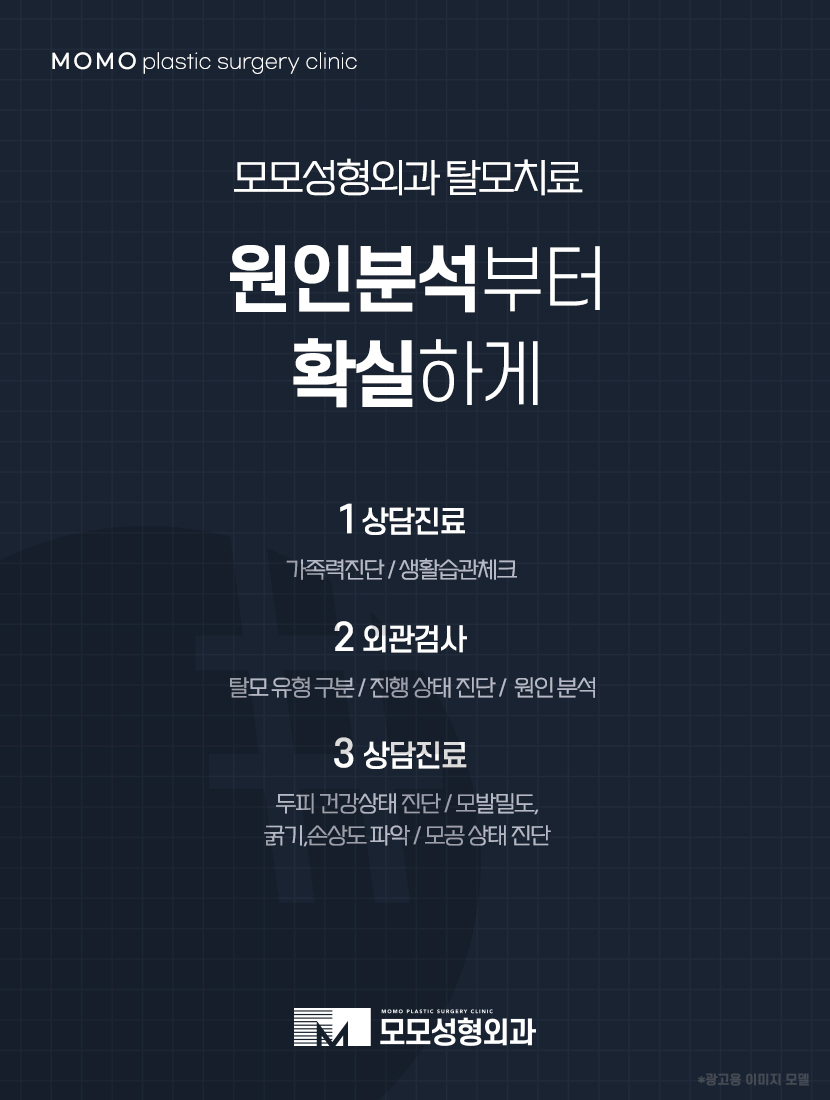
During this season, the amount of sunlight decreases significantly, which is highly likely to cause hormonal changes and may lead to hair shedding. Seasonal hair loss is a temporary phenomenon, so it is not something to worry too much about. However, if you think an excessive amount of hair is falling out, it is advisable to visit the relevant clinic immediately and receive an accurate diagnosis. In fact, it is true that careful attention is needed in every season, but it is especially important to pay attention to winter scalp care and manage it carefully. So, in this article, we will share suitable methods that can help you maintain a healthy condition and that are worth learning and practicing consistently.
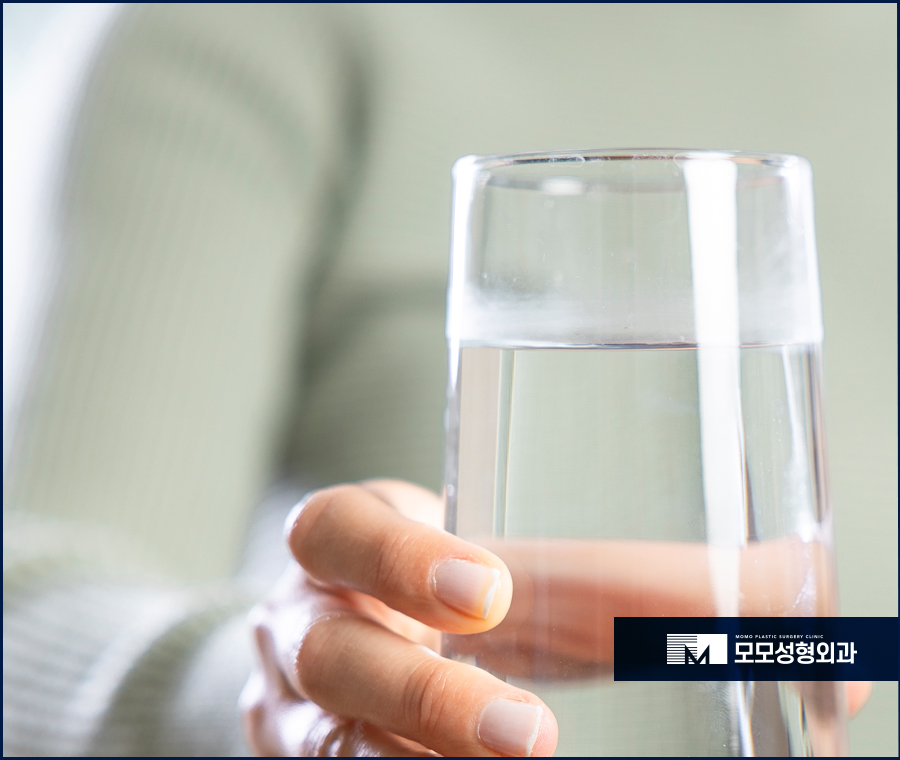
[1] Drink enough water
First of all, you can start by drinking plenty of water. When a person’s skin becomes dry, it loses elasticity and dead skin cells also appear. The scalp, too, can produce a large amount of keratin when it becomes dry, which may lead to hair falling out. Therefore, it is a good idea to maintain winter scalp care by getting enough daily moisture to control dryness and keep the oil and moisture balance in check.
[2] Brushing and scalp massage
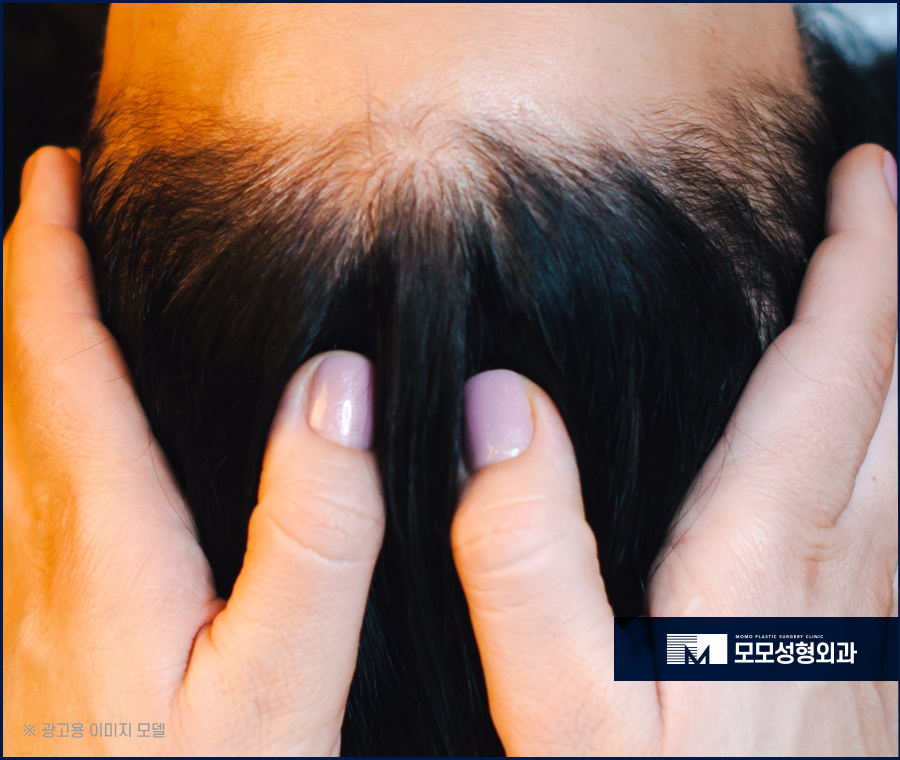
It is also important to support healthy blood circulation in the scalp. For that purpose, gently brushing your hair without overdoing it or trying a thorough massage can be one method. It is said that these methods can have an even more positive effect if done before shampooing.
[3] Supplying nutrients through hair essence, etc.
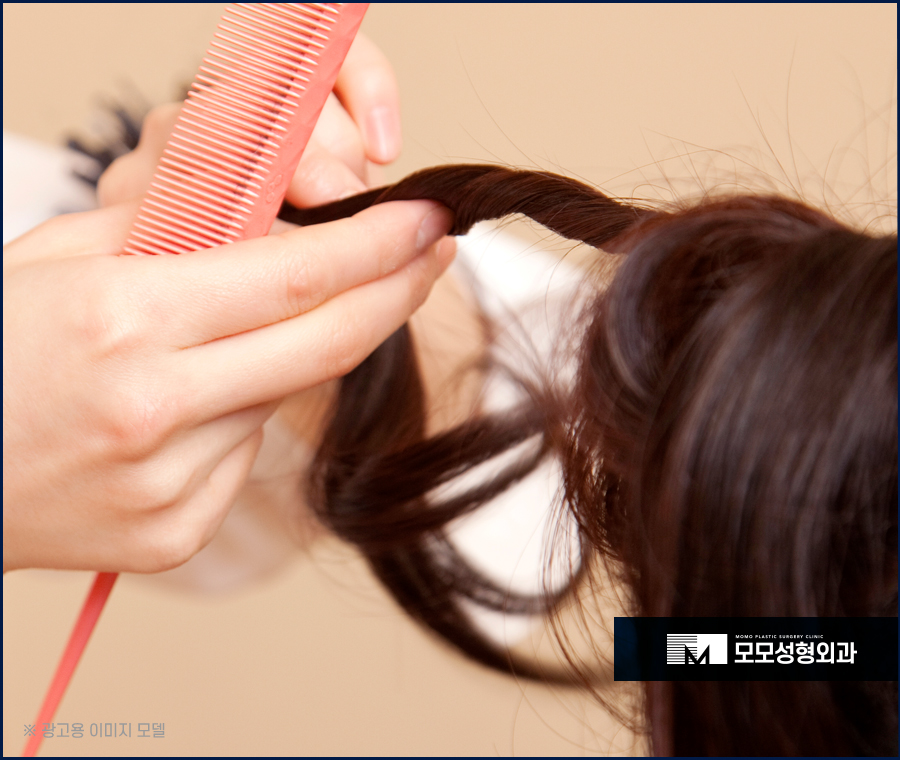
After washing with lukewarm water, if you use a dedicated essence or similar product suitable for your skin and hair type to properly supply moisture and oil to the scalp and hair, you can maintain a healthier condition.
[4] Thorough hair drying
This is also something that should be done in everyday life and can be said to be the most important point in winter scalp care. Some people feel lazy or find it inconvenient and do not dry their hair properly, or they rough-dry it and fail to remove the moisture.
After washing, thoroughly drying not only the hair but also the scalp is a very helpful habit for health.
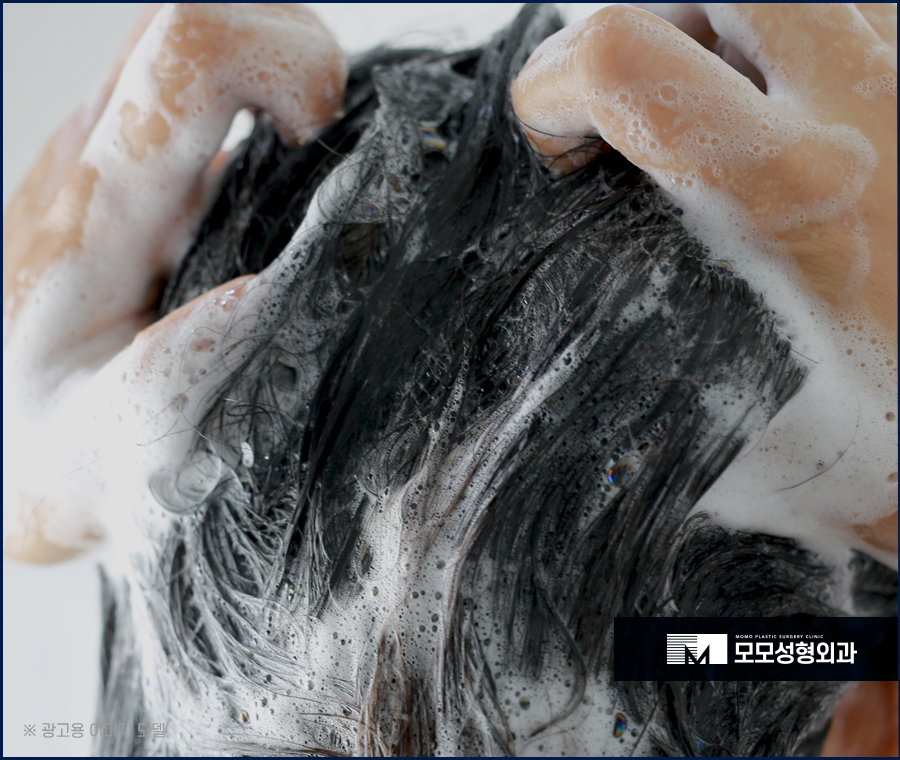
Rather than using water that is too hot, it is better to wet the hair sufficiently with moderately lukewarm water, wash it using the proper shampooing method, rinse several times so that no hair product remains, and then remove enough moisture with a towel. For drying, it is advisable to avoid very hot air and instead dry the hair and scalp overall with lukewarm air.

If you go to sleep or wear a hat while moisture remains in the hair, a humid environment can be created, becoming a breeding ground for all kinds of bacteria and mold. This can also lead to dandruff or keratin buildup, so it is best to be careful.
[5] Avoid wearing hats indoors
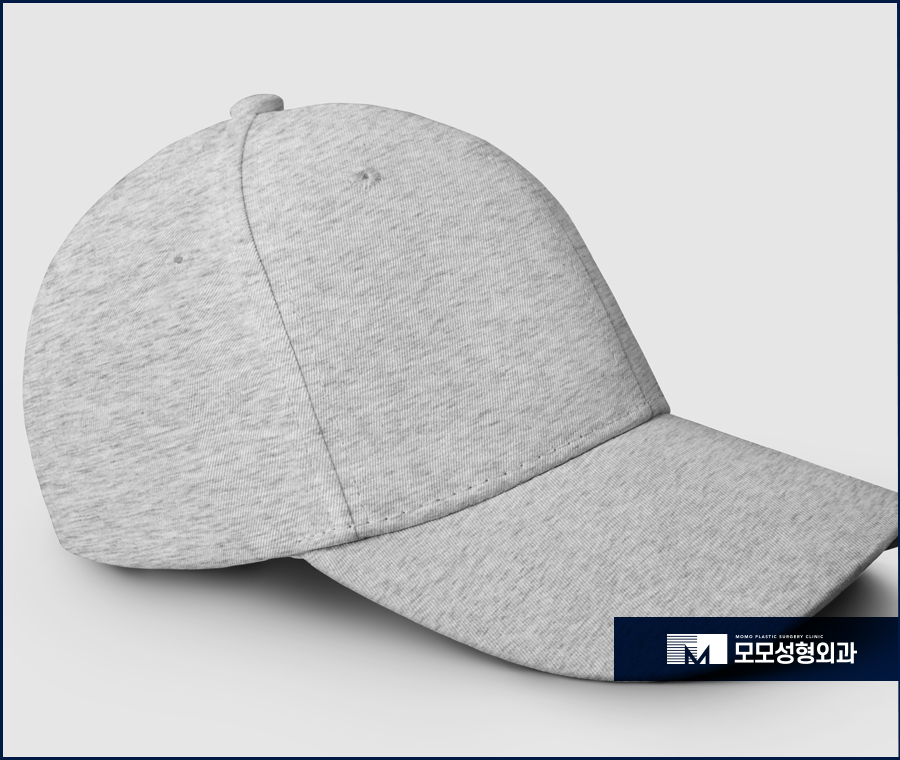
In addition, when going out in continued cold weather and lower temperatures, people may wear items such as wool hats. They are used to help maintain body temperature, but wearing such hats for long periods is not a very good method for winter scalp care. This is because if they are used for a long time, sweat and waste products build up on the scalp and can interfere with blood circulation. Therefore, when using these items, it is important to wear them outdoors and then take them off as quickly as possible once indoors so that air can circulate properly around the scalp.

[6] Protect hair from UV rays
For those who often enjoy seasonal winter sports, the strong UV rays reflected off white snow can be a cause of hair loss and scalp keratin buildup, so it is helpful to use sunscreen and protect yourself with items such as sunglasses or a beanie before enjoying activities.
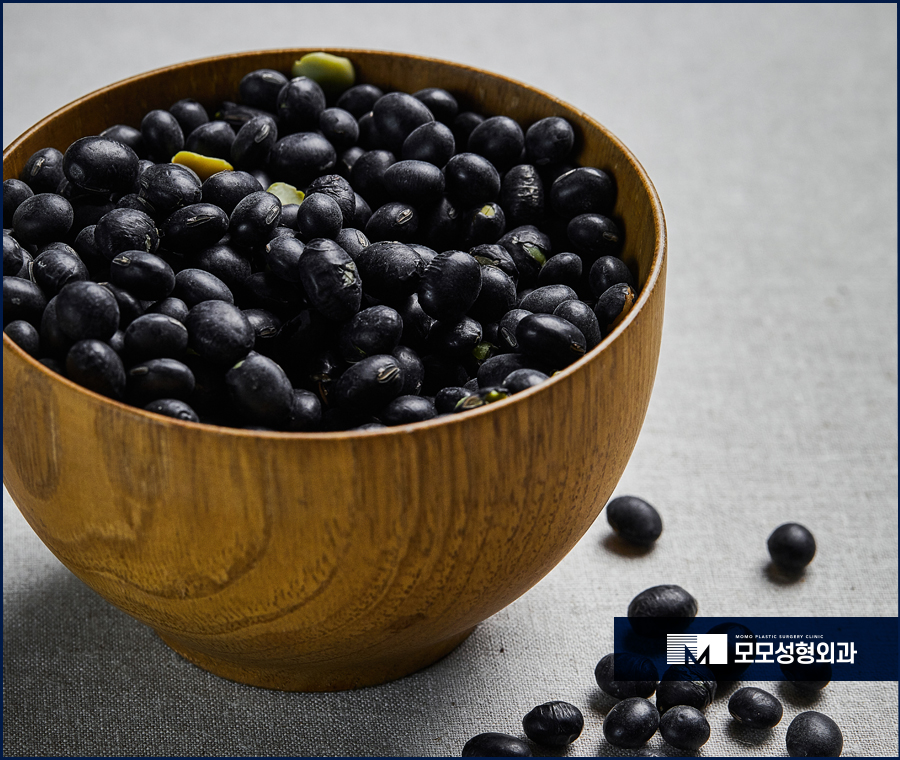
For winter scalp care, it is also advisable to maintain a balanced diet.
Sometimes, if you continue with an extreme diet, nutrient supply may not be smooth and you may experience hair shedding. Therefore, it is advisable to maintain a diet that includes foods rich in essential nutrients, such as black beans, which are legumes containing a lot of protein that can be beneficial for the scalp, and seaweed, which is rich in minerals such as iodine and iron.