When temperatures drop sharply like they do these days,
and the cold weather continues day after day,
the skin and hair as a whole can become dry
and feel rough.
Especially in winter, when moisture in the hair
becomes depleted, friction can occur and static
can easily appear, causing a lot of hair to stick
to clothes and coats, which can be unnecessarily
annoying.
Also, because the outdoor temperature drops
sharply and the humidity in winter falls to about
10–20% compared with average humidity, it is
important to manage indoor temperature and
humidity if you spend most of your time indoors.
And it seems necessary to pay closer attention
to the health of the scalp and hair, as well as to
moisture and oil balance care. These days, there
are convenient and various products that make it
possible to do self-care at home, along with beauty
devices designed specifically for the scalp and hair.
However, even so, many people overlook this
among the care products they use every day.
That is the order of rinse and treatment. Of course,
some people value this process and follow it
correctly, but when using them casually, there are
times when you may get confused about which
should be used first, or what type of cleanser is
best for your own hair. So I would like to share
some related information to help.
First, before looking at the order of rinse and
treatment, let me explain the difference between
the two products.
Rinse is also called conditioner, and it temporarily
coats the surface of the hair. It helps prevent the
nutrients in the hair from escaping and plays a role
in blocking odors from food, dust, and other foreign
substances. It also makes coated hair softer, which
helps reduce static and tangling.
However, because it only provides a temporary
coating, its function disappears once it is rinsed
out, so it is difficult for it to greatly improve the
condition of the hair. Also, when using it, it is
important to be careful not to let it touch the scalp
directly and to apply it only to the hair so it can
be protected.
And it is easier to understand treatment as a
product that supplies nutrients to the hair. As
mentioned earlier, dryness from winter environmental
changes, stress, dyeing, or perming can damage
natural hair.
At this time, hair whose overall balance has been
disturbed gradually develops widened gaps, which
can even make it feel rough and dry.
If you have these symptoms, using this product,
which is mainly made up of protein ingredients,
between the microscopic scale-like cuticles that have
opened up can fill in the cracks and supply the
missing nutrients, helping to care for damage.
Now that we have looked at the role, function, and
differences of each product, let’s take a close look
at the most important order of rinse and treatment.
Correct order of rinse and treatment
Shampoo > Treatment > Rinse
This sequence can be said to be the most suitable.
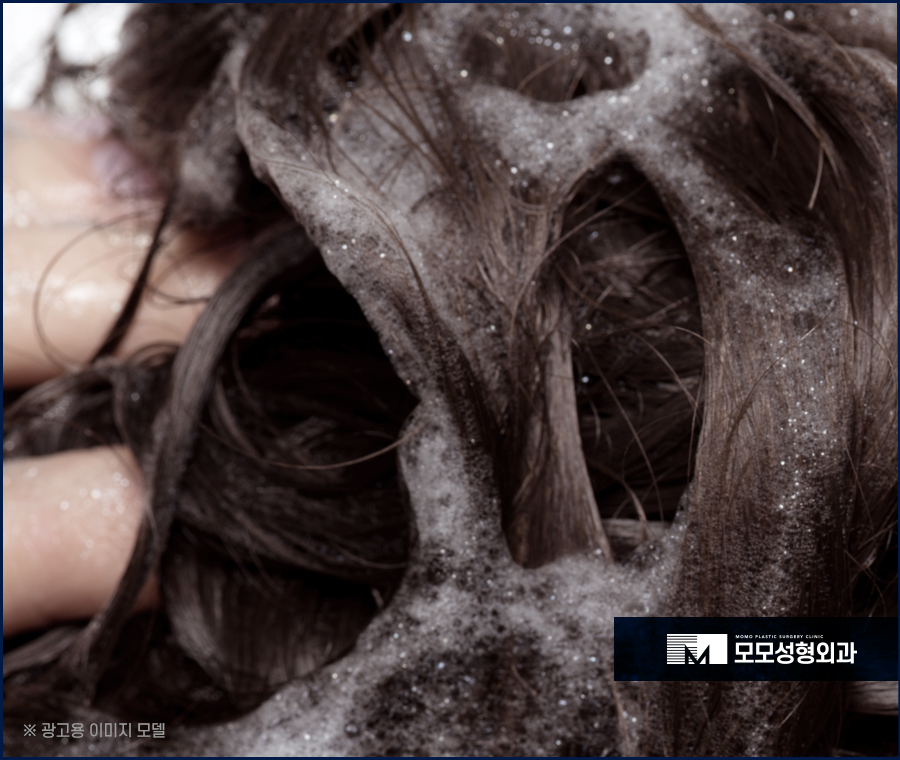
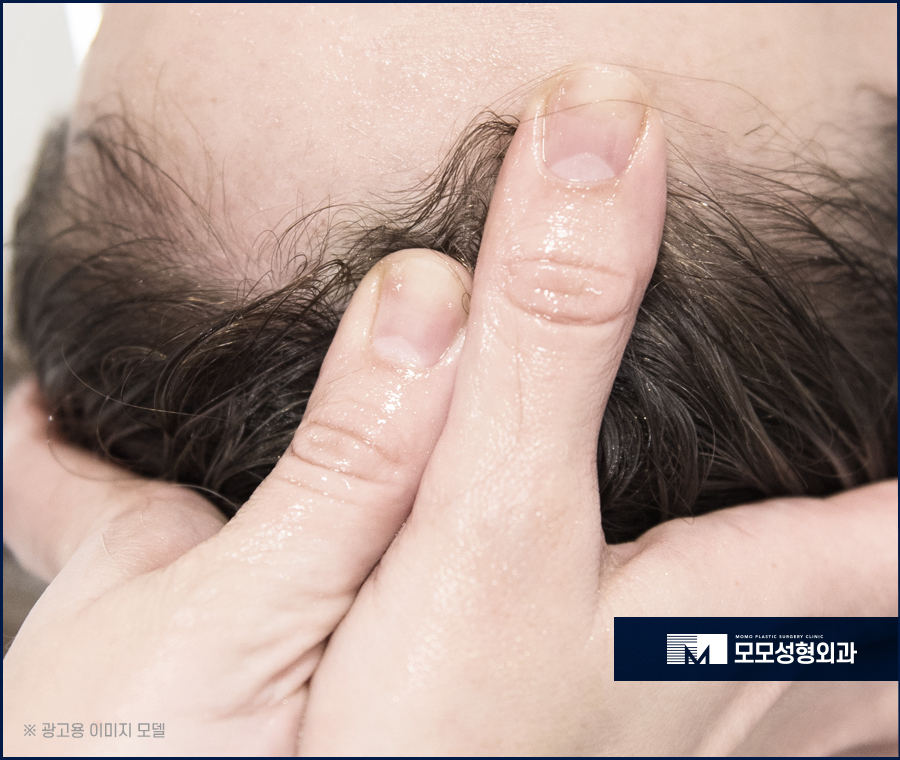
When shampooing, it is important to focus on the
scalp while minimizing irritation.
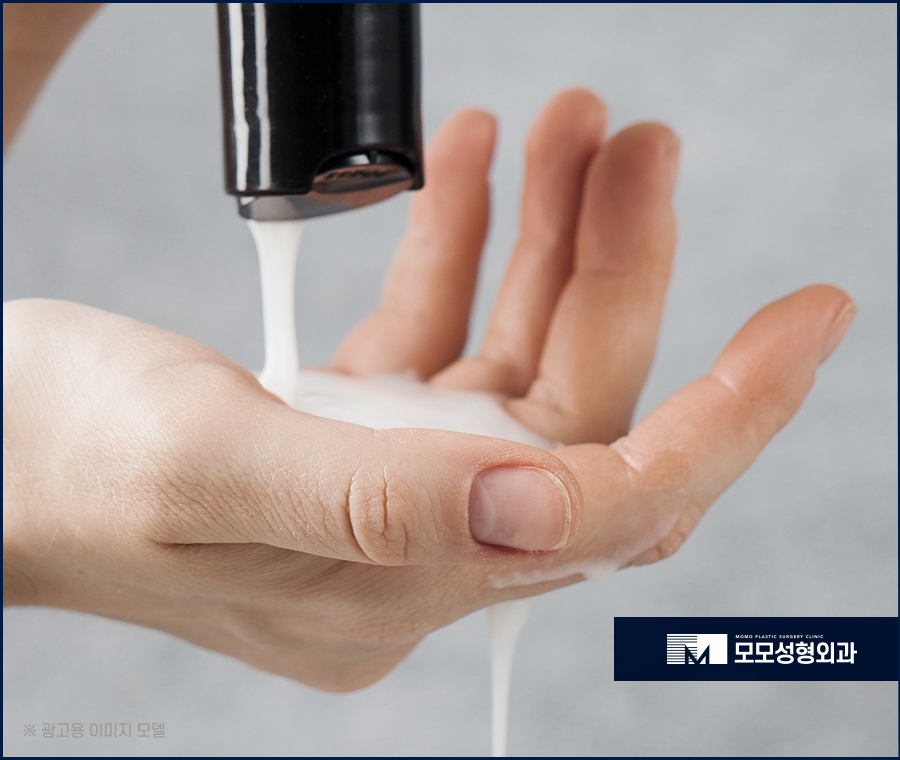
After thoroughly wetting the hair with lukewarm
water, take an appropriate amount in your hand,
work up a lather, and gently massage to cleanse
using your fingers rather than your nails.
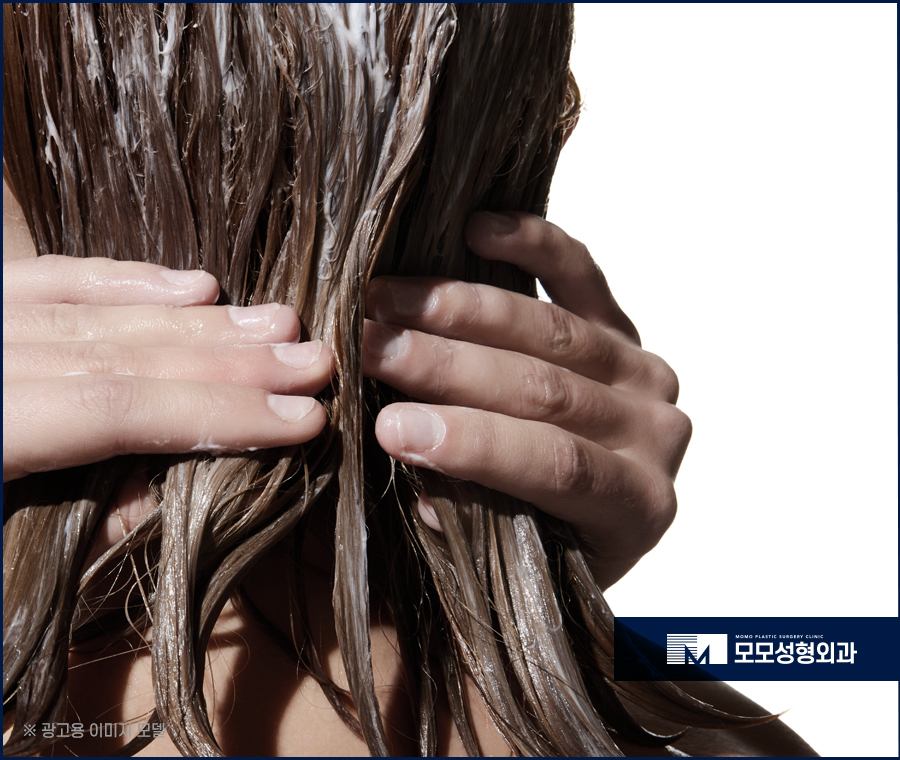
Next, apply treatment starting from the ends of the
hair, making sure it does not touch the scalp, and
then leave it on for about 10 to 20 minutes so the
nutrients, moisture, and protein can be absorbed
evenly before rinsing it out. This is said to improve
the effect even more. If the hair’s nutrient condition
is relatively good, use it once a week; if not, using it
consistently about once every 2 to 3 days will help
you achieve soft and glossy hair.
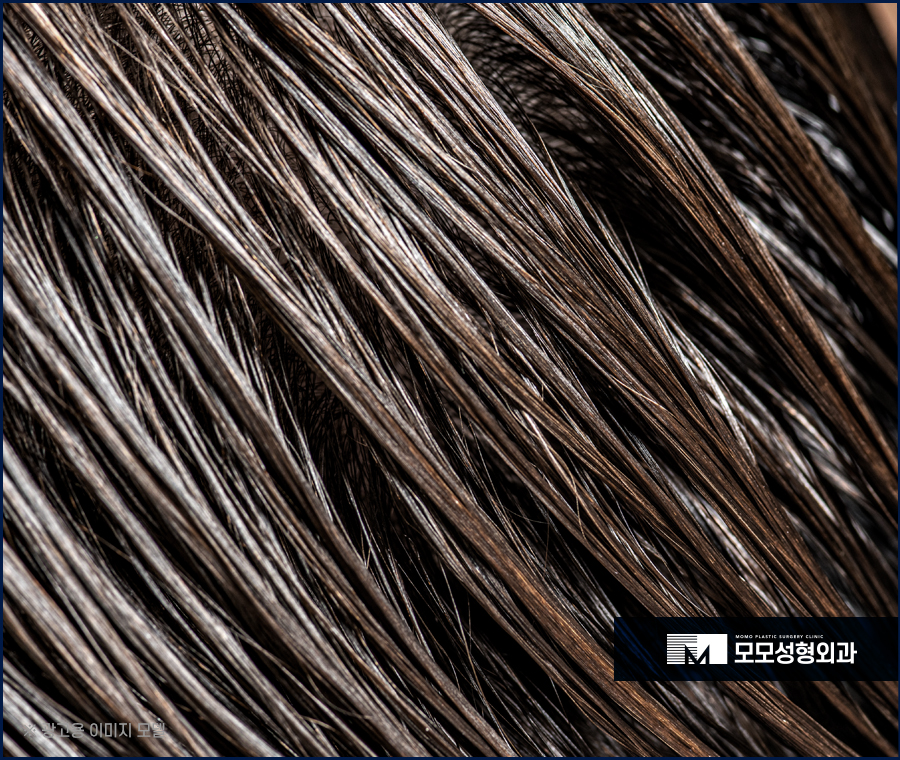
Finally, if you follow the step of coating with rinse,
it helps prevent the nutrients from the product used
earlier from washing away and blocks the entry of
foreign substances such as outside dust and other
external irritants. If you understand and follow this
sequence well, you will be able to see your dry and
rough hair change into a softer style with a healthy
shine.
If you accidentally use them in the wrong order after
shampooing, you will not be able to get any of their
benefits at all.
Since the surface of the hair has already been coated,
the products used afterward cannot work effectively,
so it is best to keep in mind and understand the
steps mentioned above and use them accordingly.
In addition, when caring for a healthy scalp and hair,
temperature is one of the most important factors.
When washing your hair, it is better to use lukewarm
water rather than hot water, and when blow-drying,
it is better to dry the scalp and hair thoroughly with
cool air rather than warm air to reduce unnecessary
irritation.
Also, if you continue to practice and maintain the
information shared today and use it well, it can be
an opportunity to return rough, damaged hair caused
by external irritation or dryness to a soft and healthy
hairstyle.