If your hair overall feels
weaker and limp, and seems to have less volume
than before, and even when you comb it
or style it, it does not take on the
desired shape properly, then you may start to
worry that hair loss has come to you because
of these hair thinning and reduced hair volume
symptoms. Since these signs are commonly
known as early symptoms of hair loss,
concern about them can only grow.
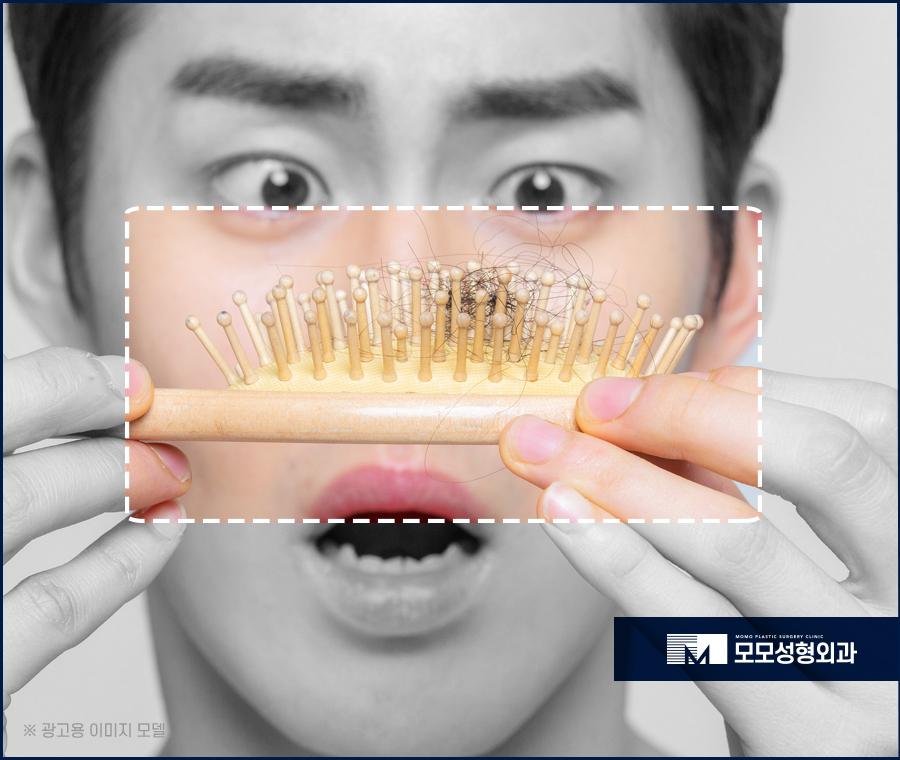
If your natural hair has not been thick to begin with,
it may not be a major issue, but if hair thinning
develops later in life, it may be a sign of hair loss.
Once it happens, it takes a long time and is
difficult to restore the fullness and volume you had before,
so it is important to respond actively and early.
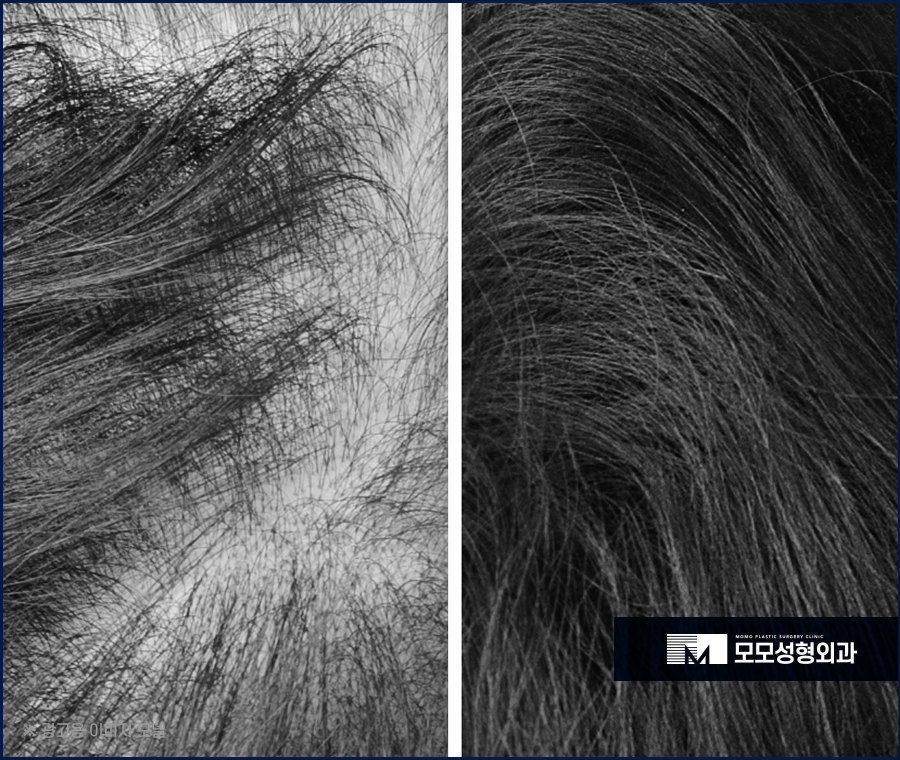
To do that, it is advisable to look into why the
symptoms occurred and whether there is a way to
restore thickness. In fact, there is no single,
definitive reason why hair becomes thinner, but
among them, several factors are said to be the
main causes.
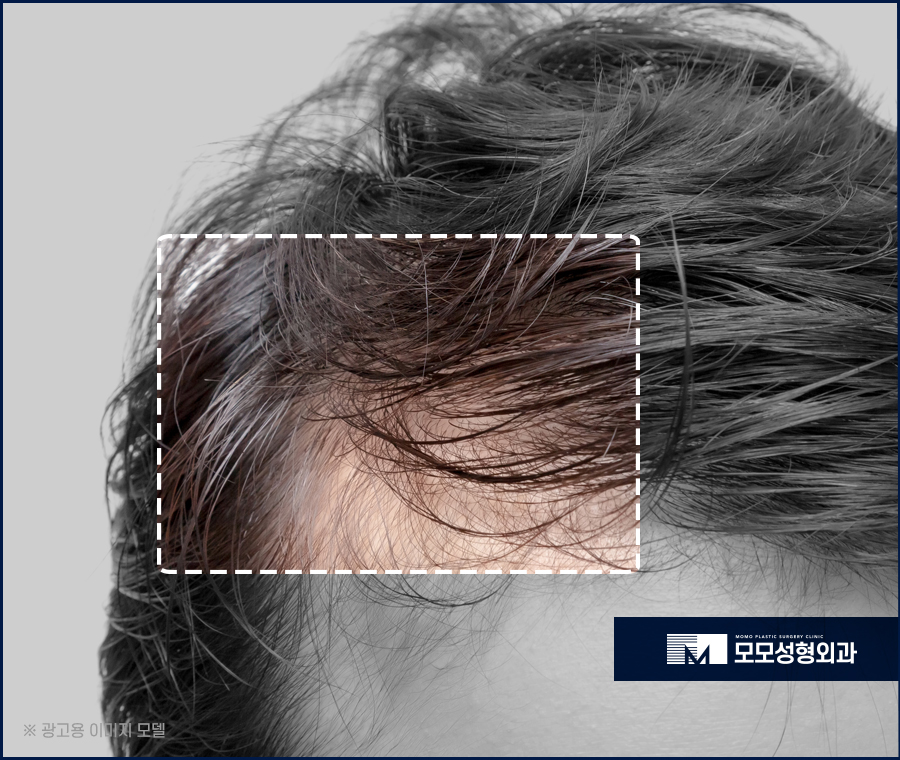
Genetic factors are one of the important elements
determining hair thickness, and if a family member
has hair thinning, there is a relatively high
possibility that you may also develop the same
symptoms. In addition, as we naturally age,
a decline that inevitably comes with time can
weaken the fibers in the hair and reduce its thickness.
Also, when summer comes, with warmer weather
and the need to follow lighter fashion styles,
some people rush into dieting. In order to lose
weight quickly in a short period of time, they often
choose rather demanding methods such as extreme
dietary restriction.
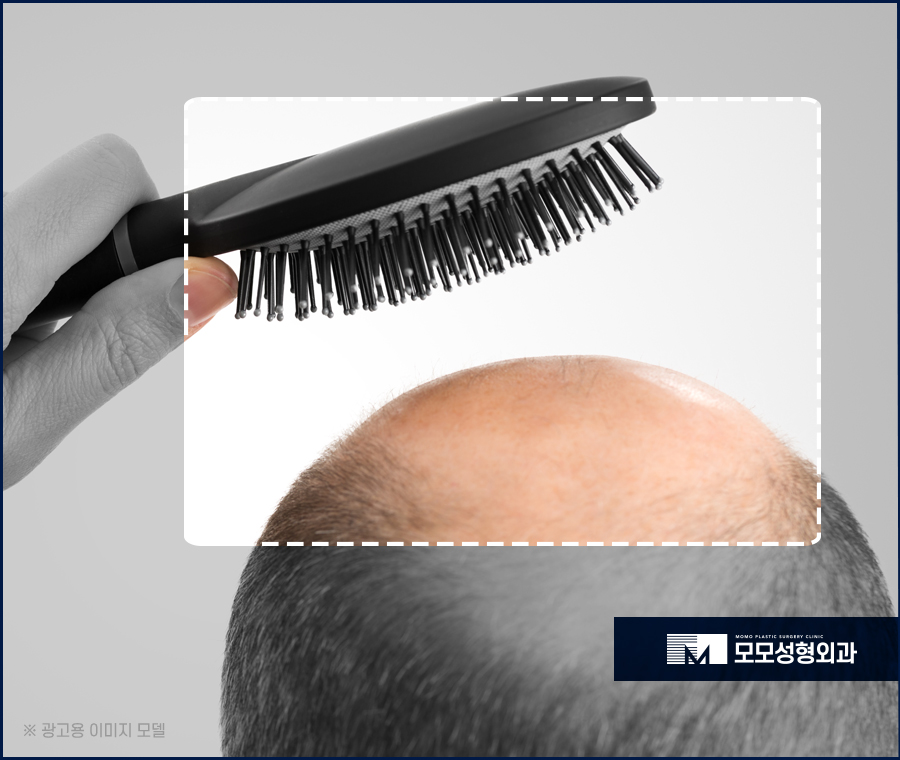
At this time, if the nutrients needed by the scalp
and hair are not supplied smoothly, hair thinning can occur.
In particular, nutrients such as protein, vitamin D,
and biotin are said to play important roles in determining
the shape and quality of hair. Also, even if you are not
dieting, if you prefer and consume only刺激ive and oily
foods such as instant foods, essential nutrients may be
deficient, which can cause natural hair to become thinner.
Therefore, improving your diet to focus on healthy foods
that provide a balanced intake of nutrients can be one
possible approach.
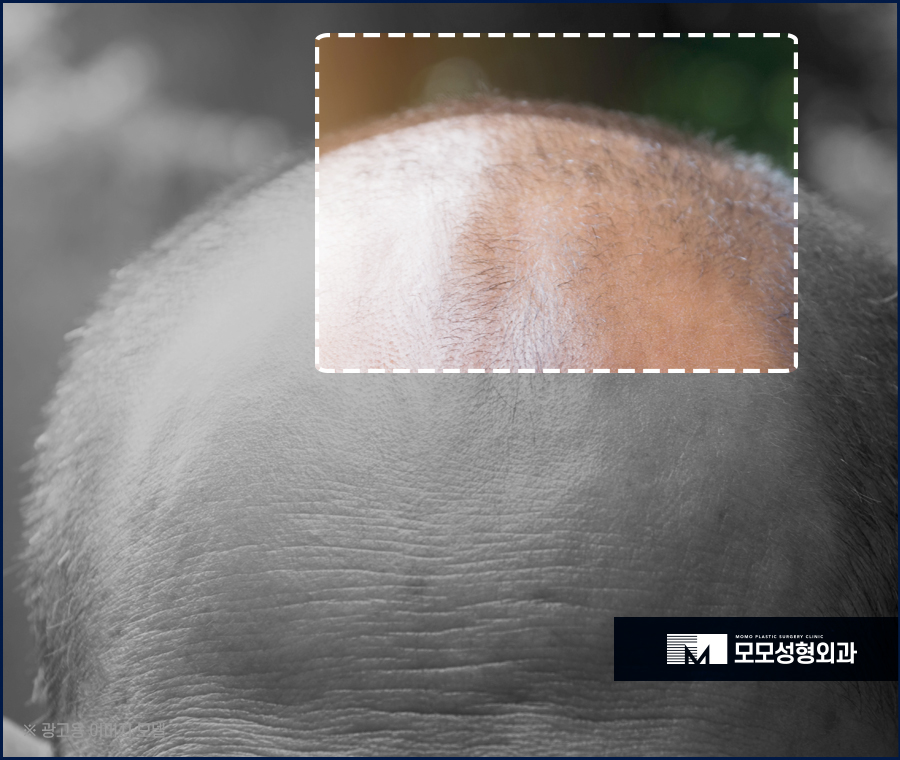
Environmental factors can also affect hair thickness.
Frequently changing hair color, overusing styling products,
and factors such as ultraviolet rays, pollution, high
temperatures, and humidity can slowly damage natural
hair and make it thinner. In addition, the era we live
in is made up of a fiercely competitive society, so the
stress and fatigue caused by overwork are unavoidable
chronic problems. However, if these factors continue
for a long time and you are exposed to them, you may
suffer from various psychological and physical conditions.
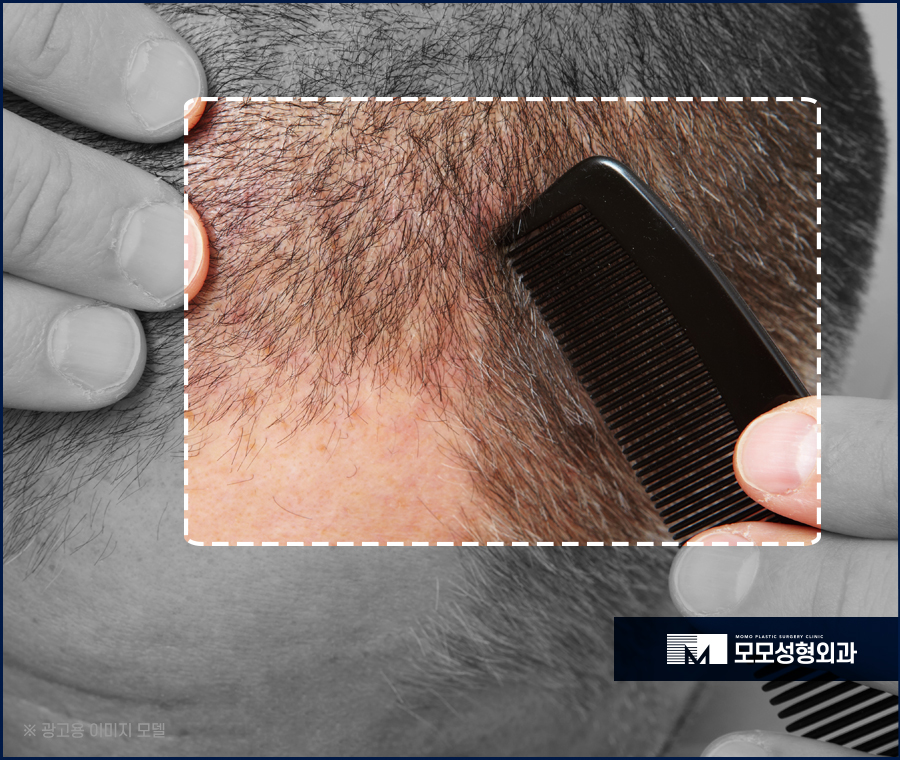
When stressed and overworked, the balance of the autonomic
nervous system is disrupted and blood vessels constrict,
causing problems with blood circulation. In such cases,
the supply of nutrients to the scalp and natural hair
is not smooth, and the hair can gradually lose strength
and become thinner. Lack of sleep is similar as well.
If you do not get the proper amount of sleep each day,
you are not giving your body adequate rest overall,
so stress can only continue to build up.
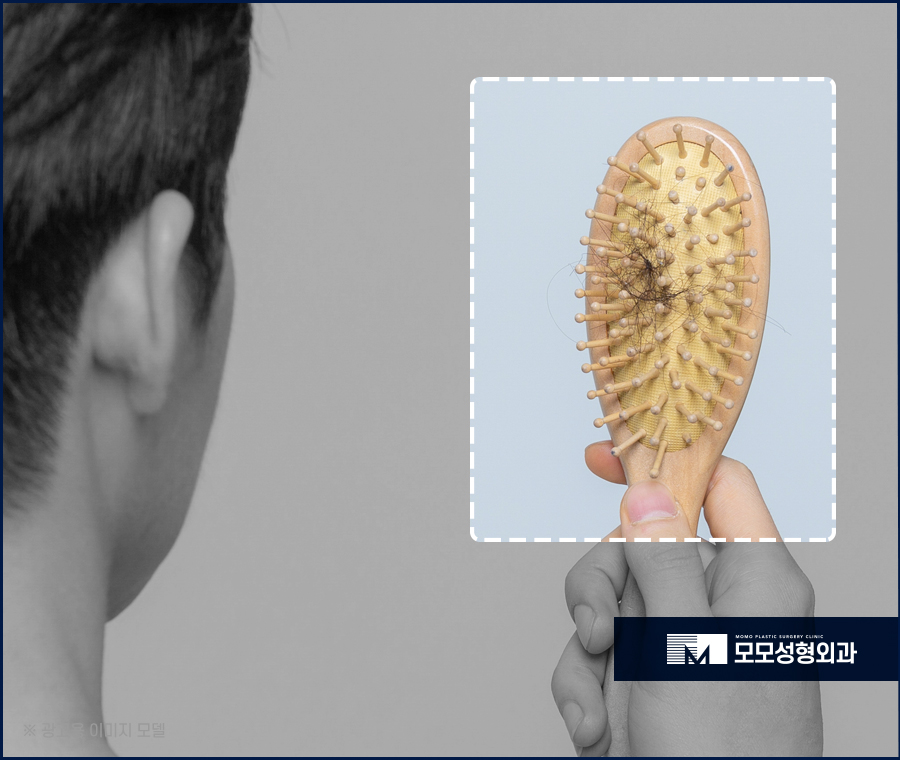
This too can lead to hair thinning and hair loss as the
capillaries in the scalp constrict and nutrients are not
supplied, so caution is needed.
Then, what methods are there to restore these symptoms
back to thicker hair? The first thing to pay attention to
is restoring nutritional balance.
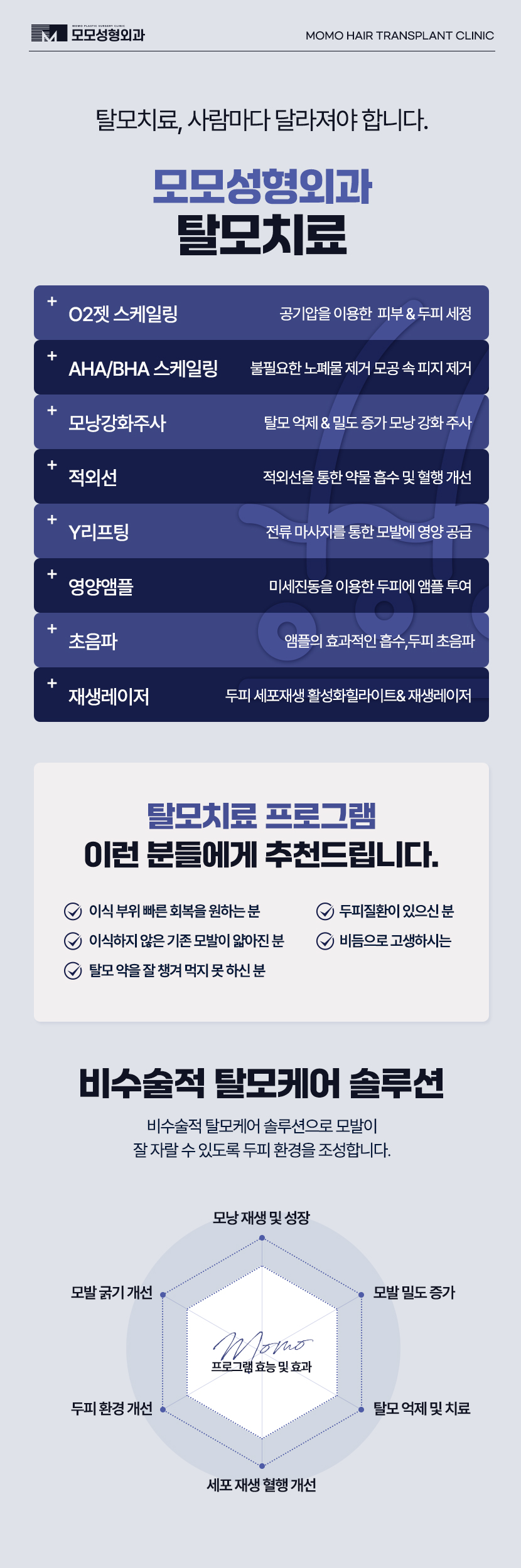
It is advisable to maintain a diet rich in essential
nutrients and develop habits that allow you to consume
enough of the nutrients mentioned earlier that are
beneficial for natural hair. Also, it is said that you
should avoid excessively combing wet hair. If you
repeat this behavior frequently, natural hair can break
or become damaged. In such cases, after drying it well,
use a comb with wide spacing between the teeth, and if
your hair feels dry, you should protect it by using
conditioning products so that enough moisture can be
supplied. It is also important to care for it with
moisturizing products such as hair masks or oils.
It is also beneficial to give the scalp and natural hair
rest by avoiding excessive dyeing and overstyling.
In addition, if you have damaged natural hair, leaving
it untreated can affect other areas as well, so simply
keeping it well-trimmed can help maintain a smooth texture.
It is also important to actively deal with the fatigue
and stress that build up in daily life by relieving them
through hobbies or exercise that you find interesting and
enjoyable, so that you can live your days with positive
thoughts and a lighter 마음.
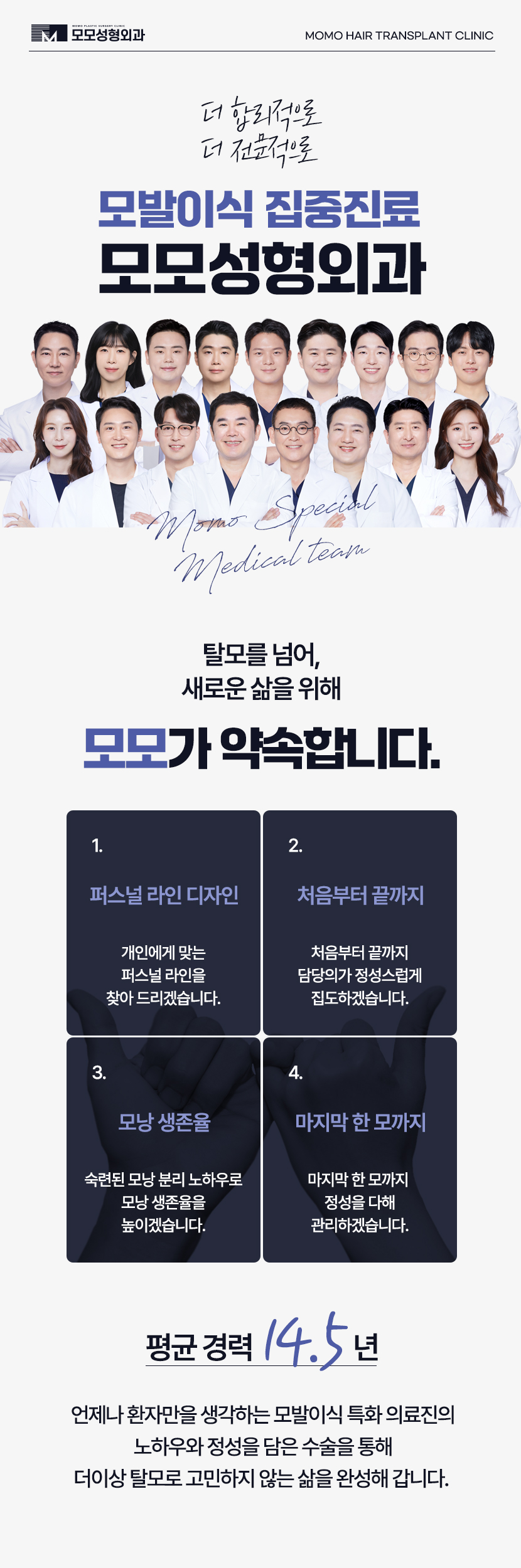
And above all, if you have tried the measures mentioned
above but the hair thinning symptoms do not improve, or
even worsen, or if you begin to suspect signs of hair
loss, it is advisable to visit a related clinic without
further delay, receive a thorough diagnosis of your
current condition and the cause of the symptoms, and
make sure to take appropriate measures.