Have you ever absentmindedly looked in the mirror and
noticed something faintly grayish near your sideburns?
After discovering it, you may suddenly feel a little
moved, and perhaps even a bit sad, thinking,
“Am I already getting older?” In this way, the change in
hair color is one of the natural signs of aging that
occur as we grow older, but it is also said to be
commonly found in younger people due to various external
factors.
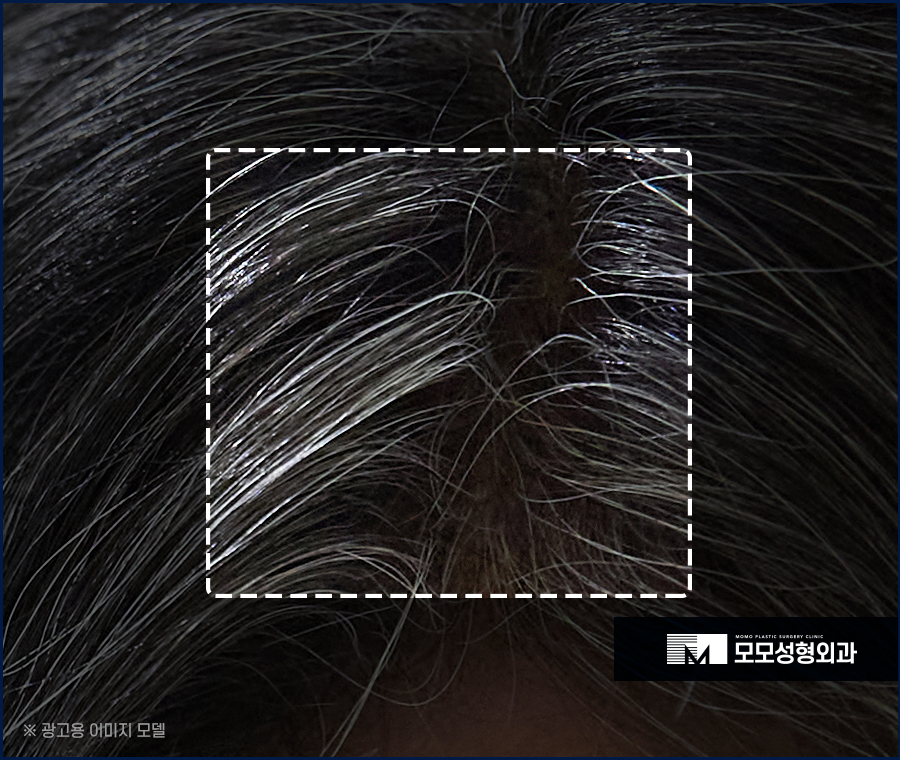
Generally, it starts growing from the side hair and
then gradually spreads to the front and back, making
the area wider and easier to notice. When white
natural hair appears in a young person, it is called
“premature gray hair,” while in older people it is
called “white hair.”
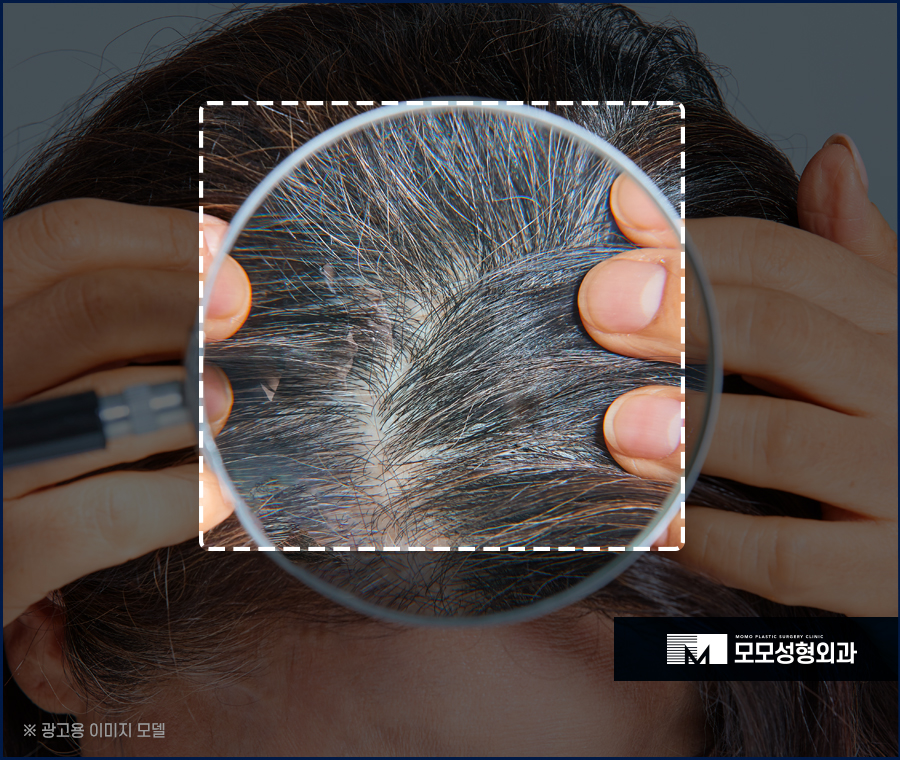
However, there are some differences between the two.
In younger age groups, it is difficult to identify the
exact cause, so specific treatments or preventive
methods are not well defined. It is recommended to avoid
stress as much as possible in daily life and to help
smooth blood circulation so that nutrients can be
supplied to the hair.
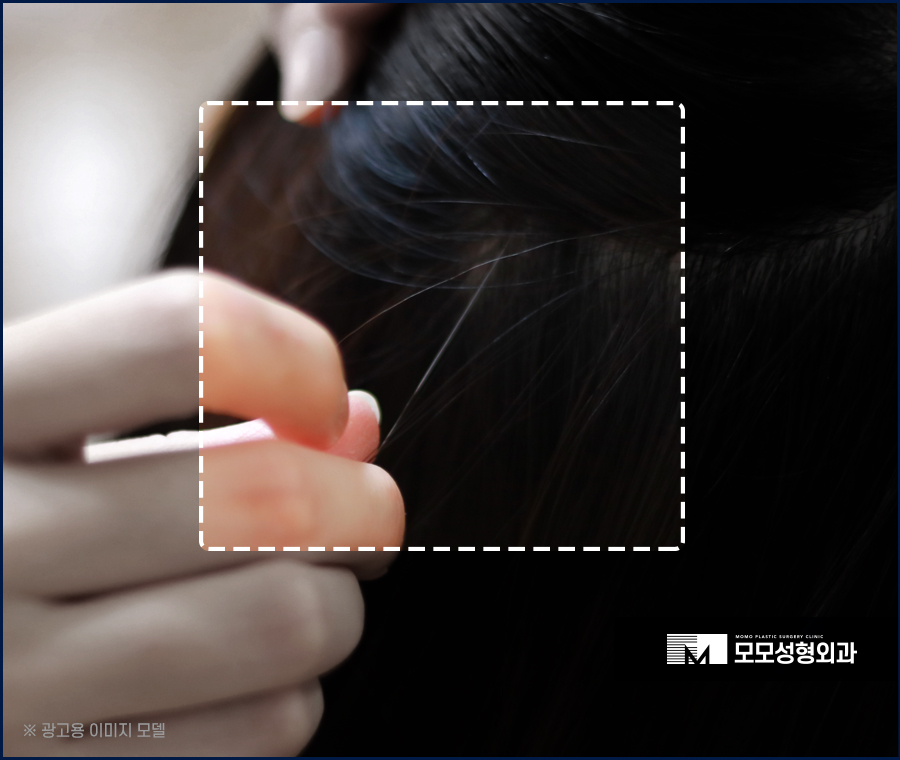
However, if you are living with obesity, metabolic
syndrome, or osteoporosis, the level of oxidative
stress in the body increases, making it more likely for
premature gray hair to appear. When stress reduces or
suppresses melanin production, the symptom may also
appear due to hormonal imbalance or genetic factors.
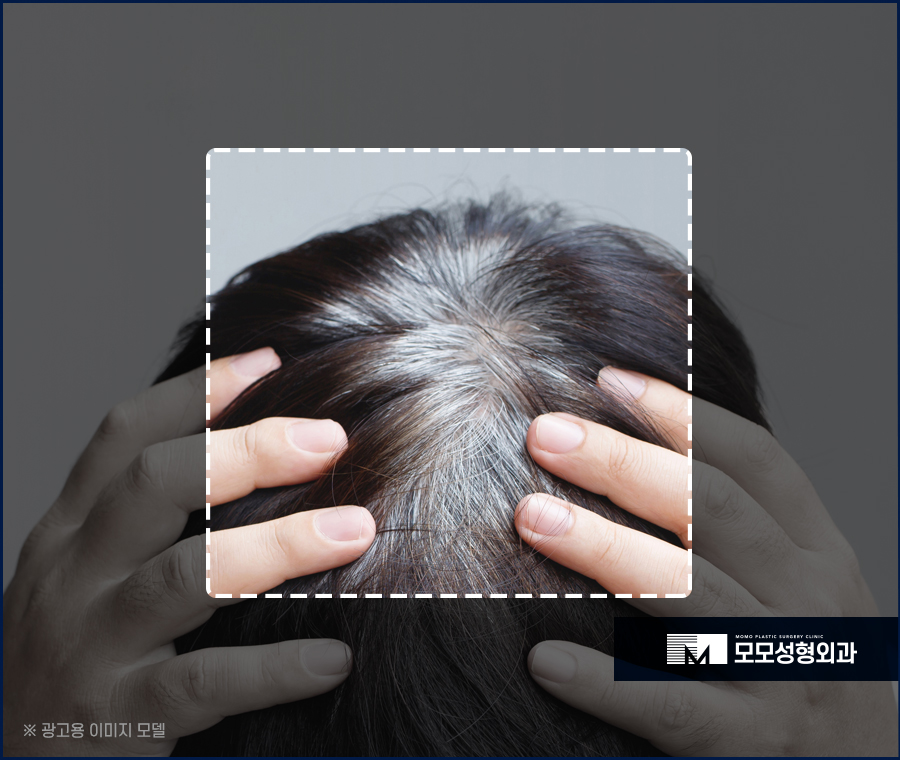
The main component that makes up hair is a protein
called keratin, which is initially white but appears
brown or black due to the melanin pigment in the hair
roots and follicles. In the case of premature gray hair,
there is no difference in thickness compared with other
hairs, but white natural hair tends to be thinner and
weaker. Because it appears as a result of the overall
decline in cellular function due to aging, it may become
progressively thinner over time, fall out more, or feel
dry and brittle.
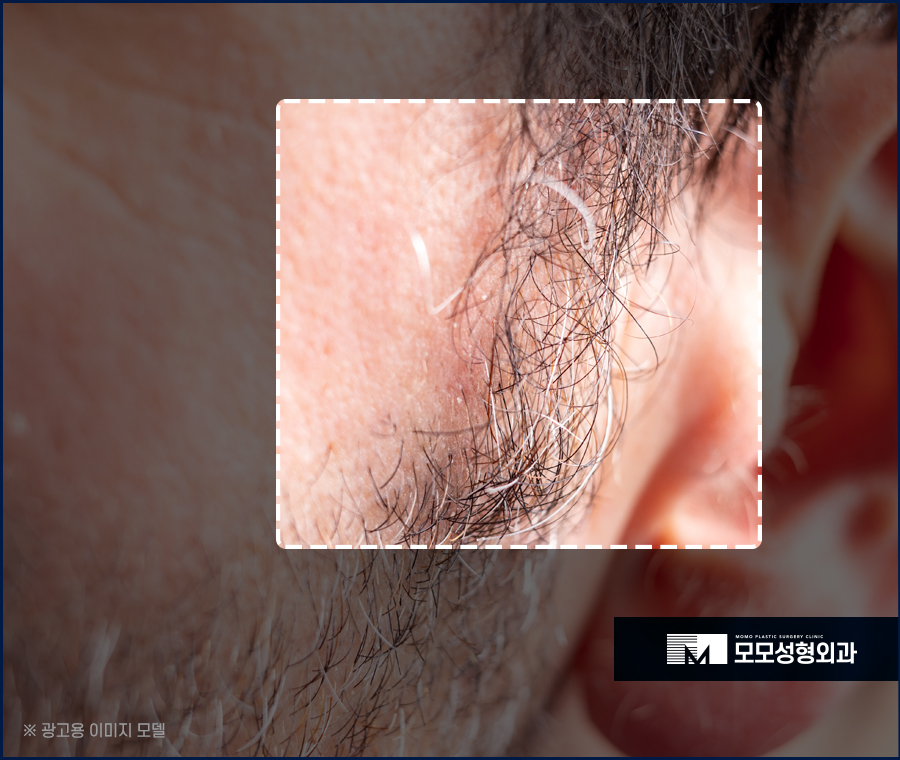
As it progresses, not only the hair on the head but also
body hair such as eyebrows, underarm hair, and pubic hair
can turn white.
Although it is not a direct cause of hair loss symptoms,
if white hair growth triggers white hair itchiness, it can
be said that the likelihood of various types of hair loss
is relatively high. The reasons include inflammation in
the hair roots, or a decline in condition due to various
causes, which prevents nutrients from being supplied
properly, reducing sebum secretion on the scalp and
making the surface thinner and drier, which in turn
causes itching.
White hair itself is not a disease, so rather than
thinking of it as something serious, finding a practical
and ideal way to address it may be a wise method for
preventing hair loss. Hair goes through repeated growth
cycles such as the anagen, catagen, telogen, and shedding
phases over a period of about 2 to 5 years. In this
process, unhealthy hair falls out and strong natural hair
is produced. Since the number of natural hairs that can
grow from a single pore over a lifetime is limited to
about 25 to 35, it is advisable to be careful not to put
excessive stress on the scalp when you notice white hair.
If you pull it out by applying physical force to the hair
root, it can interfere with the growth cycle, causing the
pore to be lost quickly or weakening the hair root, which
may lead to symptoms of traction alopecia, where natural
hair does not grow back in the pulled area. Therefore,
even if white hair itchiness appears as white natural hair
continues to grow, cutting it rather than pulling it out
may be the more appropriate response to minimize
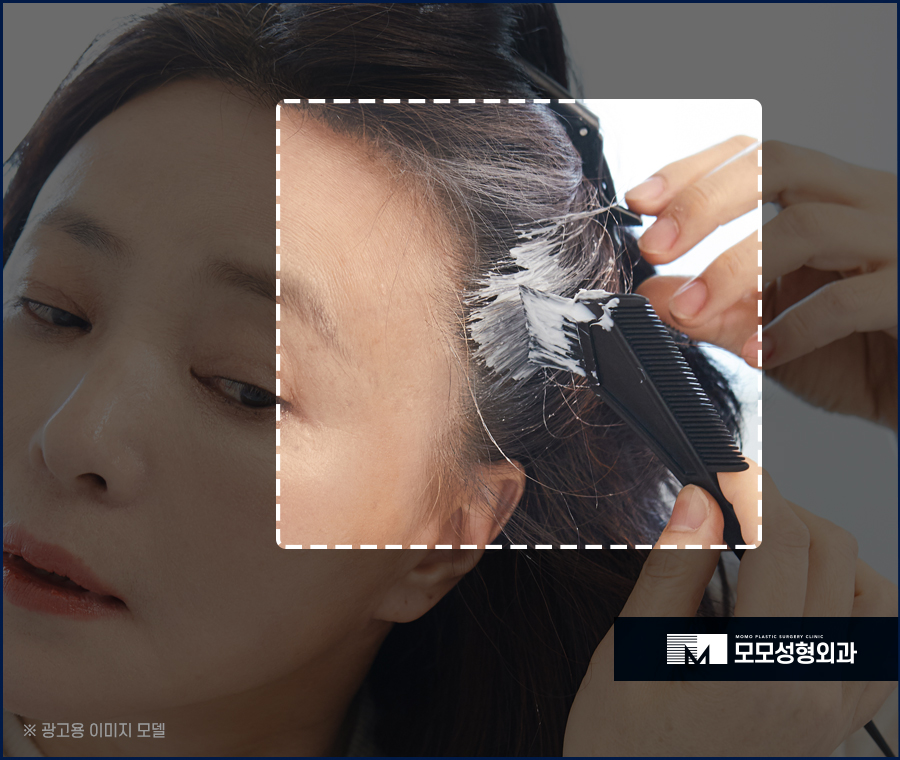
irritation. If the area has spread widely and there is a
limit to cutting it, it is recommended to dye it with a
low-irritation product containing fewer chemical
ingredients.
The reasons for premature gray hair and white hair are
so varied that it can be very difficult to determine the
exact cause. However, if white hair itchiness continues,
you should carefully examine your current scalp condition
as well as your overall lifestyle and dietary habits in
order to continue checking for ways to recover as much as
possible.
One easy method you can do at home is to change hair
products such as shampoo and conditioner to ones that are
suited to your current scalp type. It is also advisable
to combine this with gentle massage to help blood
circulation reach the scalp. In addition, eating black
beans, tofu, kelp, and other foods that help melanin
production, as well as seaweed and a protein-rich diet
containing minerals such as iron and zinc, may also be a
proper approach.
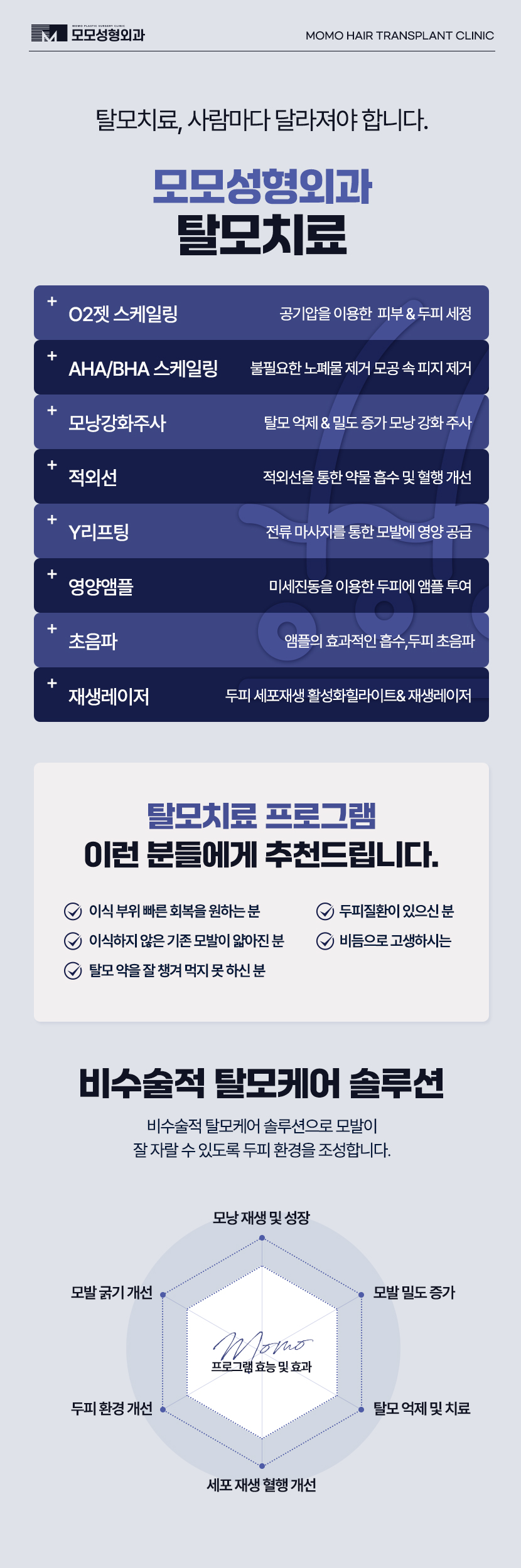
Although some care can be done on your own as described
above, if you proceed with the diagnosis and management of
a specialist as well, the improvement effect can be
amplified through synergy, allowing you to expect better
scalp health as well as relief from white hair itchiness.
If itching occurs, we recommend not leaving it untreated
but instead undergoing a professional scalp diagnosis and
receiving care from the responsible specialist.