Unlike before, if your hair strands have gradually become thinner and lost strength, or if hair loss has increased after such symptoms appeared, revealing white patches of scalp in many places and reducing overall hair density, you may find yourself facing a vague fear, worry, and deep concern about how to improve this condition.
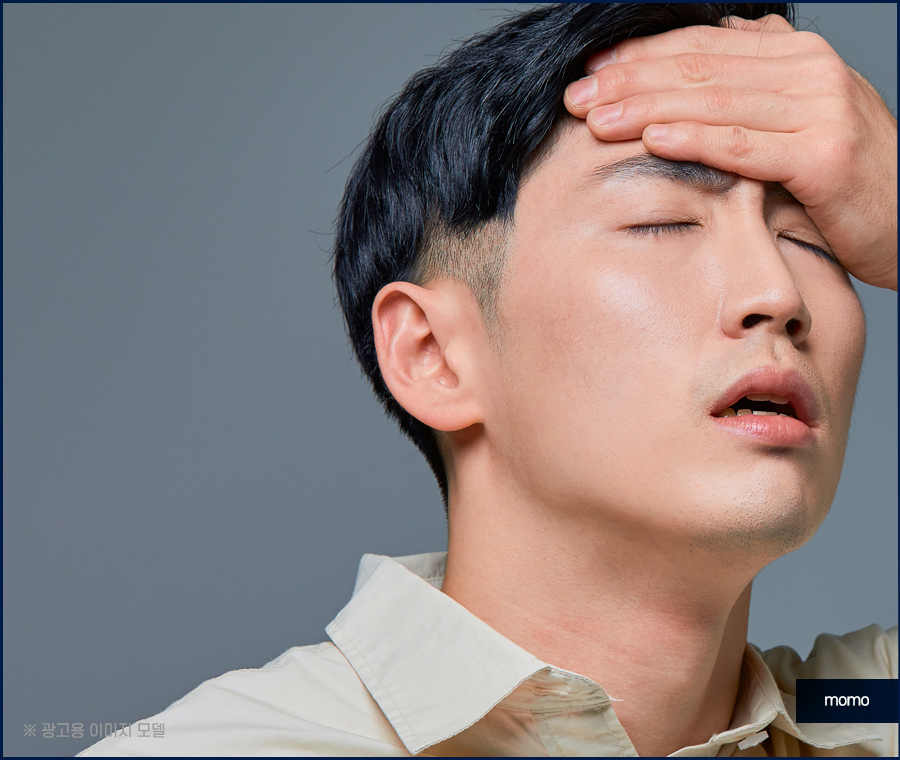
Recently, among modern people, such problems have caused severe appearance-related complexes and stress, which in turn have lowered self-confidence to a great extent in social and daily environments such as school, work, and interpersonal relationships. As a result, some people become passive in various situations and suffer disadvantages, and in some cases, this can even spread into psychological illnesses such as depression and social avoidance, leading to a loss of confidence in life itself.
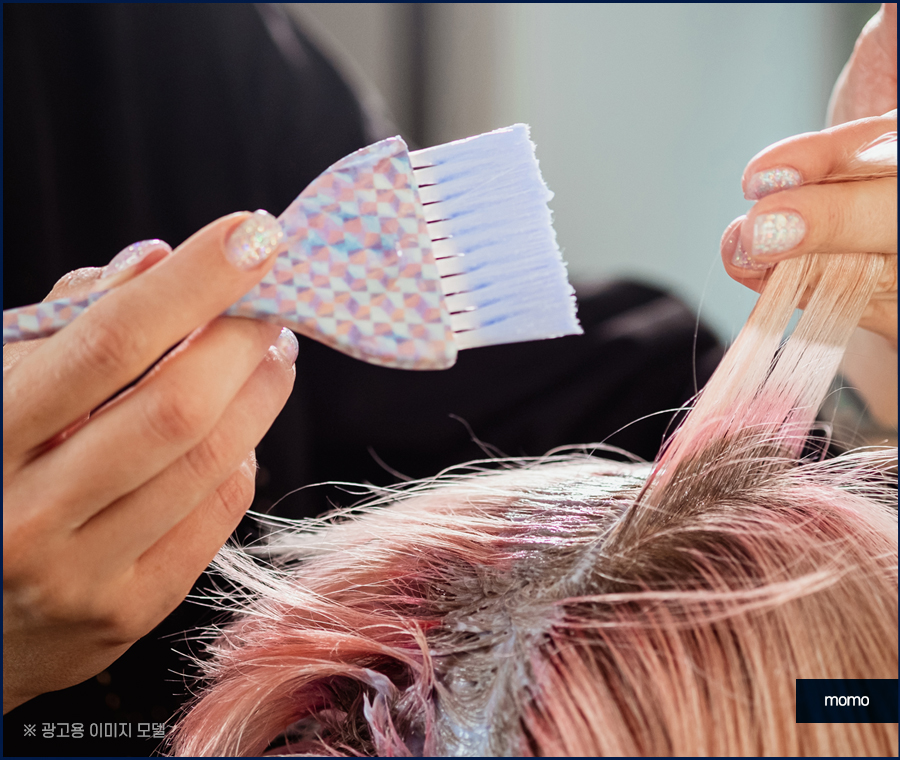
This condition is said to be highly likely to occur due to a variety of causes. Representative factors include the commonly known hereditary factors from family history and hormonal changes, as well as acquired reasons such as an irregular lifestyle, an unbalanced diet, and frequent hair treatments or style changes. Environmental factors such as fine dust and yellow dust have also been shown to trigger a condition in which hair loses its health, becomes thinner, and falls out.
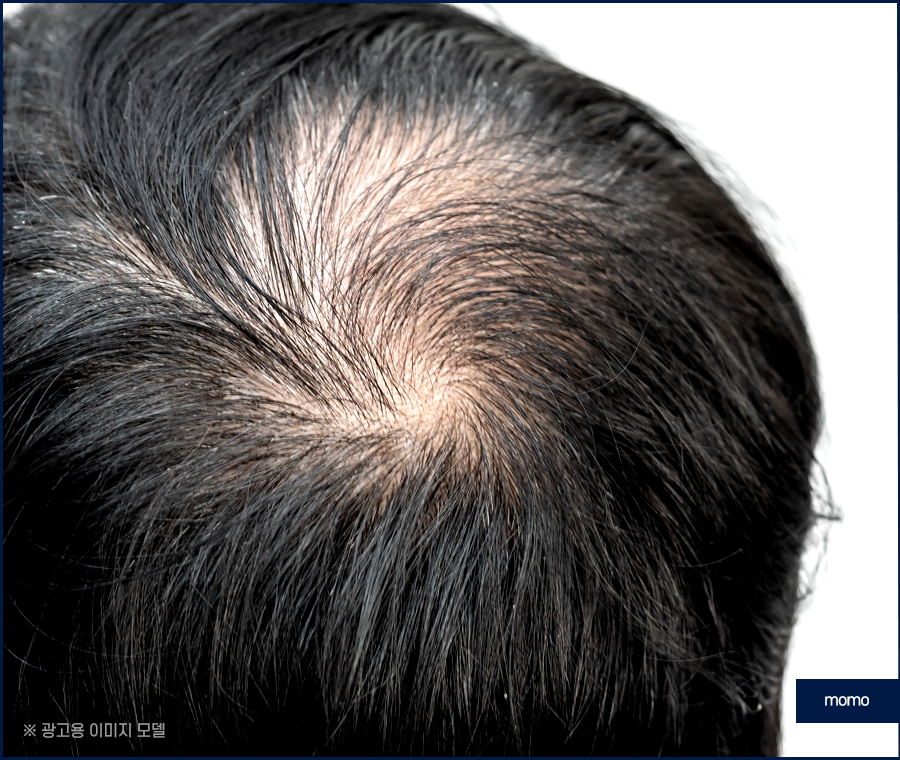
Because of this, some people with such concerns visit related clinics, but it is known that many more make efforts to try methods they have found on their own, investing a great deal of time and money. In the end, when they fail to achieve a satisfactory change and their symptoms worsen, the number of people seeking consultations about solutions that can clearly address the issue continues to rise.
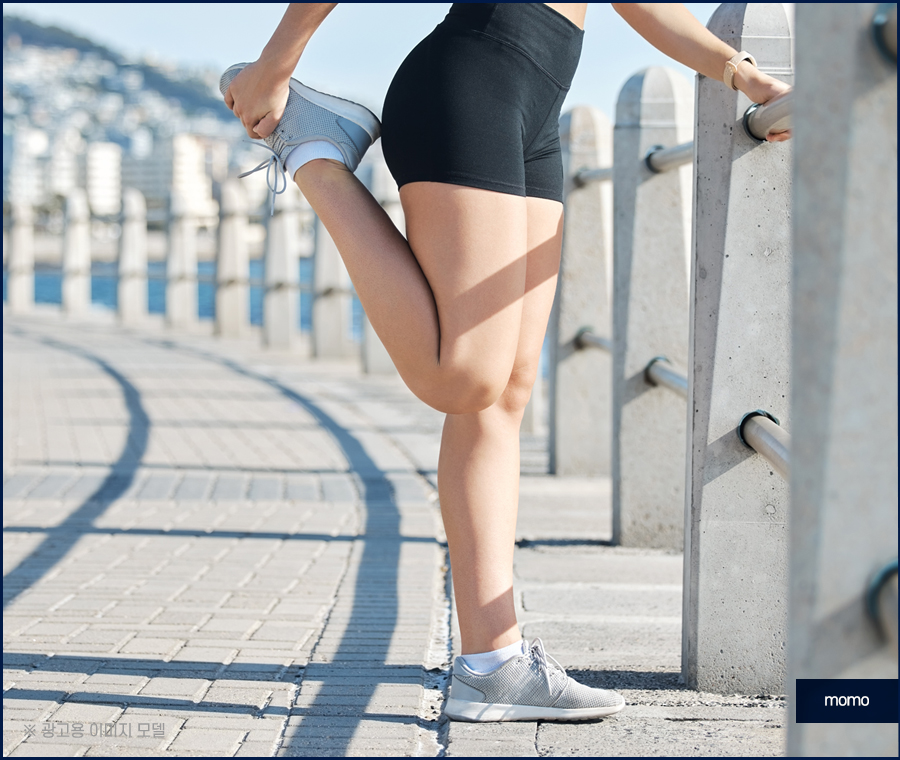
People also ask questions about this topic, such as whether they can return to their normal daily life after the procedure and when exercise is possible after a hair transplant.
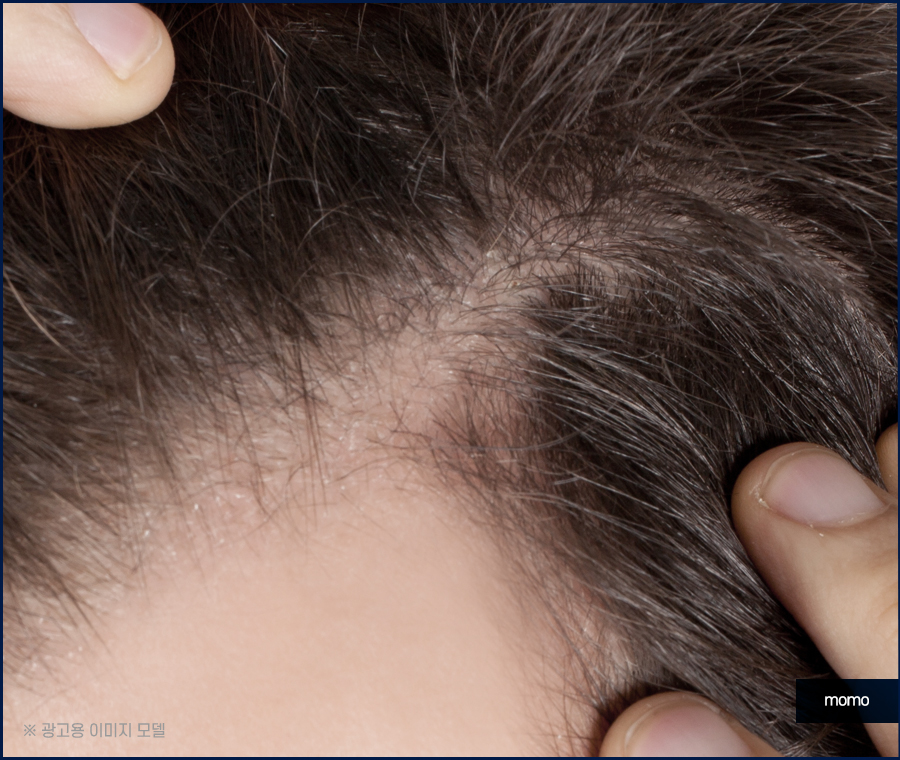
One point that people who usually enjoy active sports should keep in mind before the procedure is that, after undergoing this solution, it is very important to understand that scalp stimulation must be minimized until the transplanted hair has fully settled and stably taken root in place.
It is advisable to avoid high-intensity sports that can increase pressure on the scalp. There is no problem at all with ordinary daily activities such as going to school or work from the day after the procedure, but movements that cause sweating, such as sauna use and hiking, may stimulate the scalp and reduce the graft survival rate, so they are best avoided. In particular, the first two weeks are the most important recovery period, when the transplanted hair is taking root in its new environment and extra caution is needed.
During this time, even light activity is best avoided. If you engage in vigorous or high-intensity movements when exercising after a hair transplant, pressure on the scalp can increase and cause pain. It can also interfere with the transplanted hair taking root and may lower the graft survival rate, so it is recommended to refrain for a while during this period.

The time when exercise becomes possible after a hair transplant is from the third week, after two weeks have passed since the procedure, and you can begin activities involving light movement that do not cause much sweating. Brisk walking or mainly aerobic exercise is possible as long as your heart rate stays below 100. If you do this occasionally, pain may be felt in the area where the procedure was performed, so it is good to keep that in mind. If you do feel such pain, it is advisable to stop the activity for a short while.
After more than a month has passed since the procedure, vigorous sports such as hiking or working out at the gym are possible. To summarize again, it is best to start exercise after a hair transplant with light intensity after three weeks, and then in the fourth week, after a thorough follow-up consultation with the doctor at the clinic that performed the procedure, ask about whether vigorous activity is acceptable before proceeding.
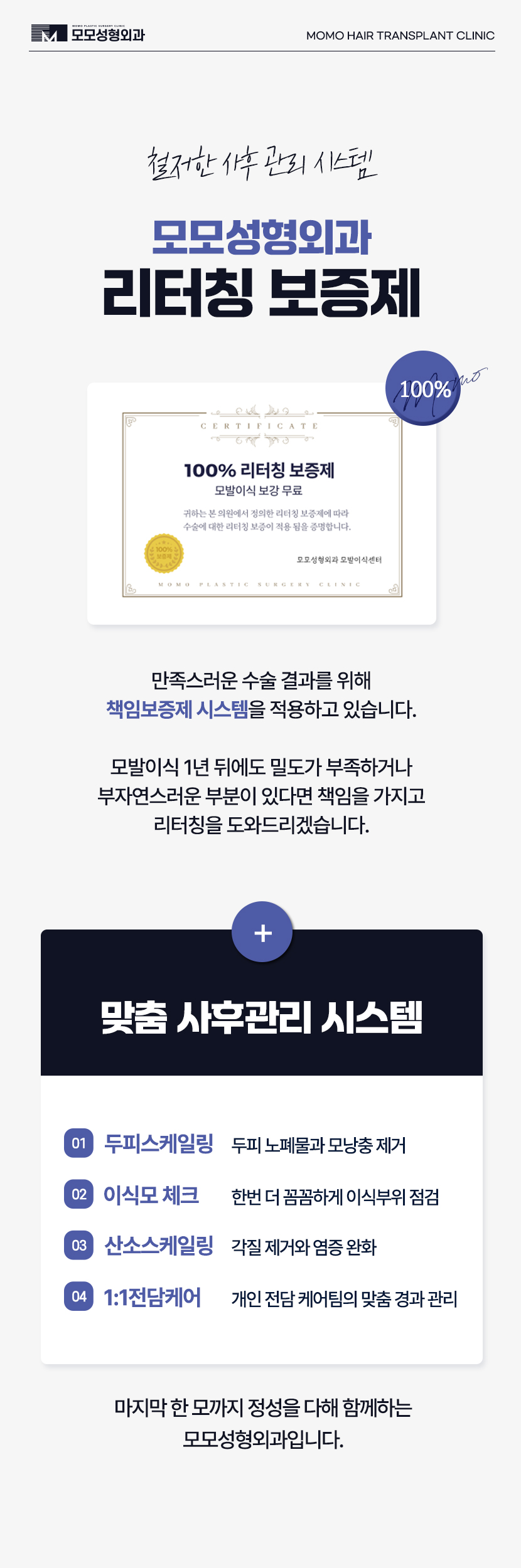
Also, the time periods mentioned above can be said to be average guidelines, and the most important thing is to examine the condition of the implanted area, check the progress by stage, and carefully observe the state of graft survival before making a decision after sufficient consultation with the attending doctor.
In addition to whether you can exercise after a hair transplant, another matter that requires extra caution concerns drinking and smoking. After the solution has been performed, tissue cells supply the nutrients needed so that the follicles transplanted into the new environment can maintain their health and grow properly.
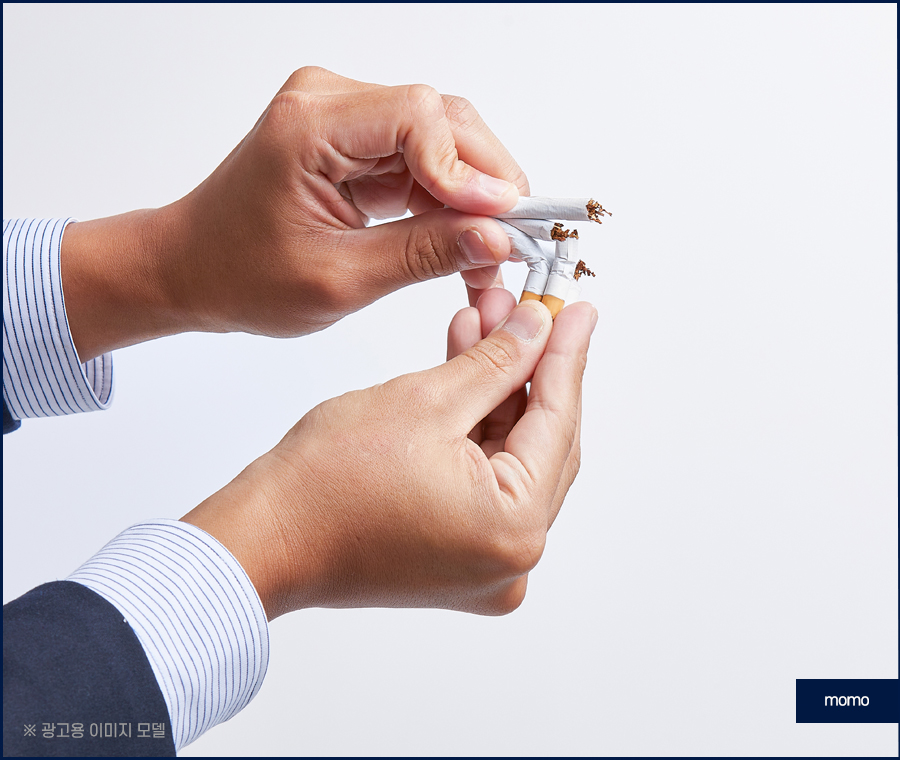
This process continues for about a week after the procedure, and even a light touch by hand can be too much during this time, so it is important to avoid unnecessary stimulation as much as possible. Therefore, during the two-week graft survival period for the transplanted hair, it is advisable to refrain from vigorous weight training, as well as drinking and smoking.
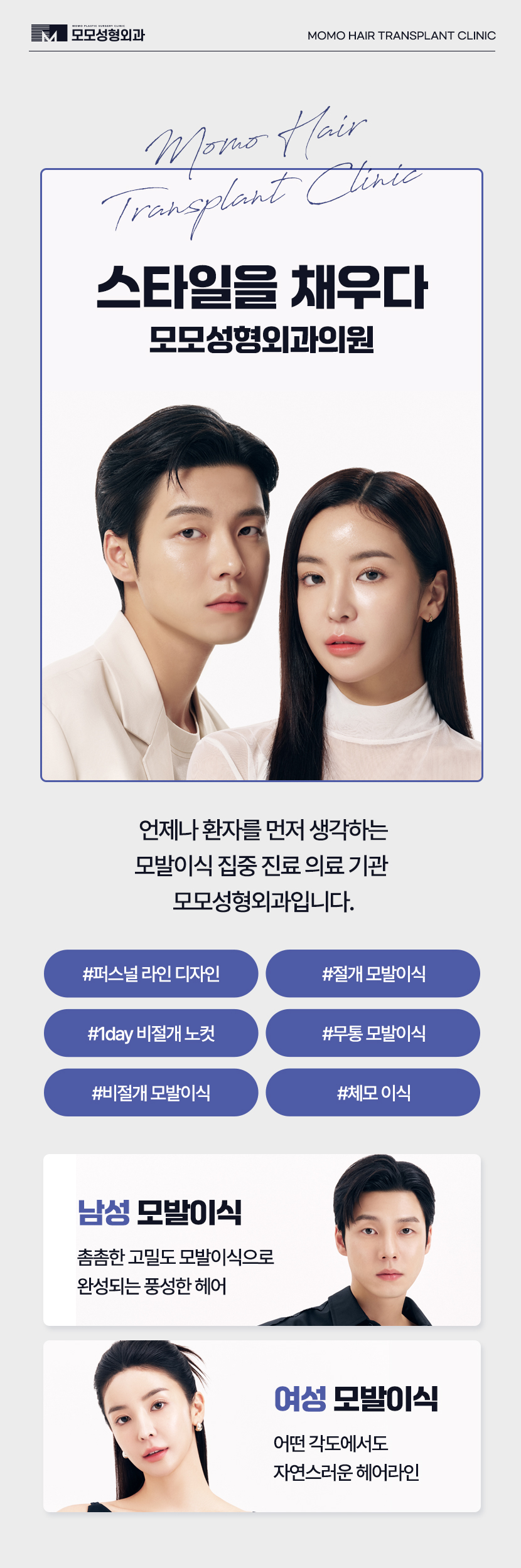
In the process of the transplanted hair settling stably in place, only by managing it with careful attention can you achieve results that match the level of satisfaction you expect and want. So the precautions that need to be followed should be steadily practiced and endured for a certain period of time while imagining yourself with a fuller hairstyle.