When you concentrate intensely on something, such as work or tasks, or when you need to come up with ideas or think through certain matters, you may quickly end up feeling hot if you overuse your brain. In such situations, you may feel overheated, and even in the middle of winter, excessive sweating on the head can occur. In various cases like these, a rise in heat in the head is not a very good sign.
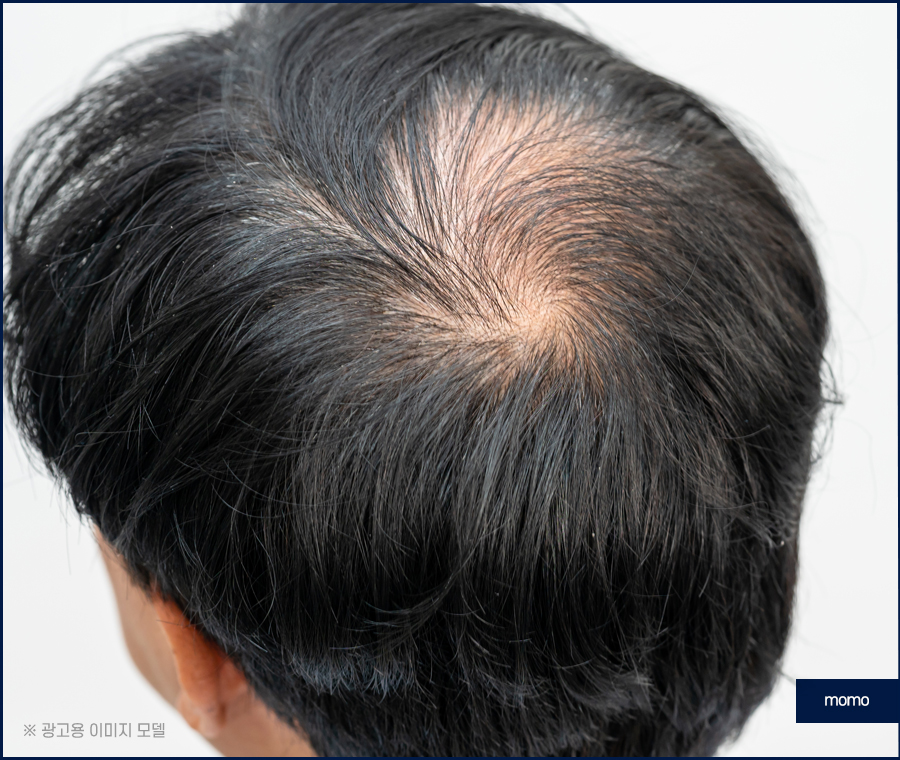
If these symptoms become excessive, inflammatory reactions may occur, and as a result metabolism can become more active, which may also increase sebum secretion. When this happens, it can lower immunity, increase the food supply for bacteria, and dry out the skin, which can worsen inflammation. If this worsened inflammation is not managed properly and in time, hair loss may also become more severe. So let’s talk about how to reduce scalp heat and the underlying reasons why it should be lowered, as it can affect both scalp health and hair.
There are said to be various causes of this condition. First, if your overall body temperature tends to be high, heat can naturally reach the head and make it feel hot. However, it generally becomes noticeable when there are warning signs related to health. In particular, if there is inflammation in the body, excessive heat can build up and travel up to the head, causing a heated sensation.
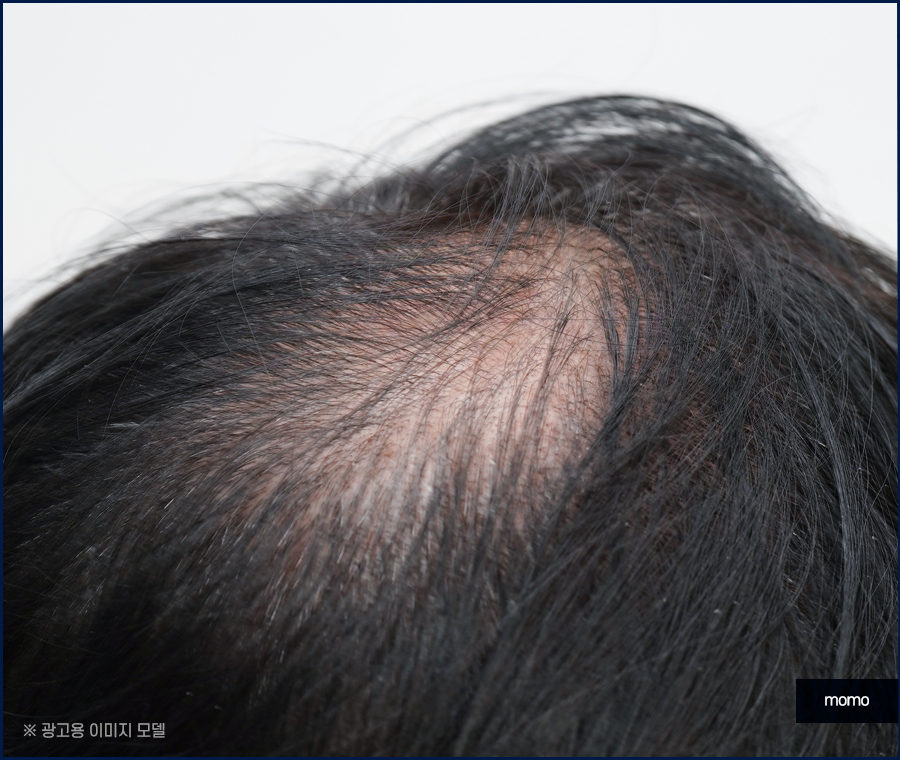
In addition, irregular daily routines and habits that we may not pay attention to because of busy everyday life can increase these symptoms. If you usually lack sleep, eat nutritionally unbalanced meals such as instant foods, or continue a routine of overeating, your body can easily become tired. If this is not properly relieved, it can lead to chronic fatigue and increase heat.
Also, this kind of condition can appear when blood circulation is impaired, and similar symptoms may show up especially if there is an abnormal reaction in the kidneys, one of the body's organs. Because this organ regulates body temperature, if it is not functioning normally, heat can arise throughout the body, and heat caused by poor kidney health can also extend to the head. For that reason, it is advisable to consistently take care of kidney health in everyday life. And if you often drink alcohol or smoke, these habits can negatively affect not only your overall health but also your scalp, so if you notice these symptoms, it is important to stop drinking and smoking.

The saying that stress is the root of all disease is a familiar and well-known one. If stress arising from various situations is not properly relieved and continues to build, heat can suddenly rise all at once. Because it can cause a large amount of blood sugar to flow throughout the body via the blood vessels and increase brain activity as well, it is best to relieve stress properly through hobbies or leisure activities that you enjoy.
If you do not overcome this stress in time, in severe cases it may also lead to hair loss, so it is best to be careful. So what are some easy ways anyone can use to reduce scalp heat?
01
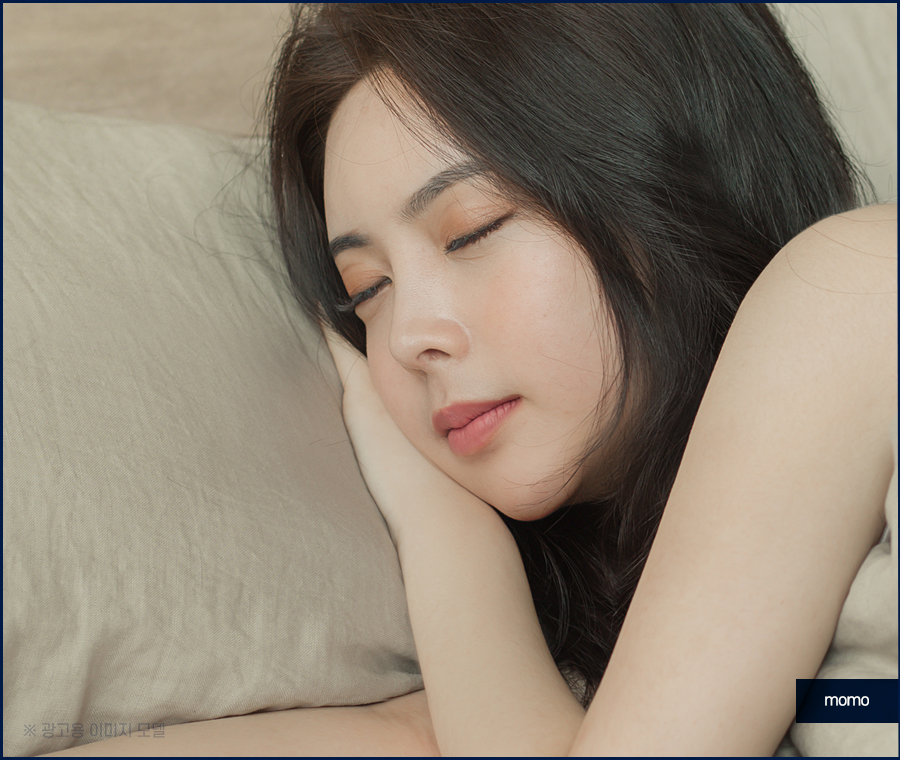
Sleep well
First of all, it is important to get enough sleep. Getting at least 7 to 8 hours of sleep can help reduce heat, and sleeping well like this can also help overcome stress. Regular exercise is also good.


02
Proper eating habits
Another way to reduce scalp heat is to improve your eating habits. Protein is said to be a nutrient that helps the head. Also, to help calm this condition, it is good to eat a balanced variety of cucumbers, salmon, black beans, and other foods so that protein and nutrients are supplied properly and nutritional balance is not disrupted.
In general, if there is a nutritional imbalance, it can slow the growth of natural hair and make it difficult to create strong hair.
03
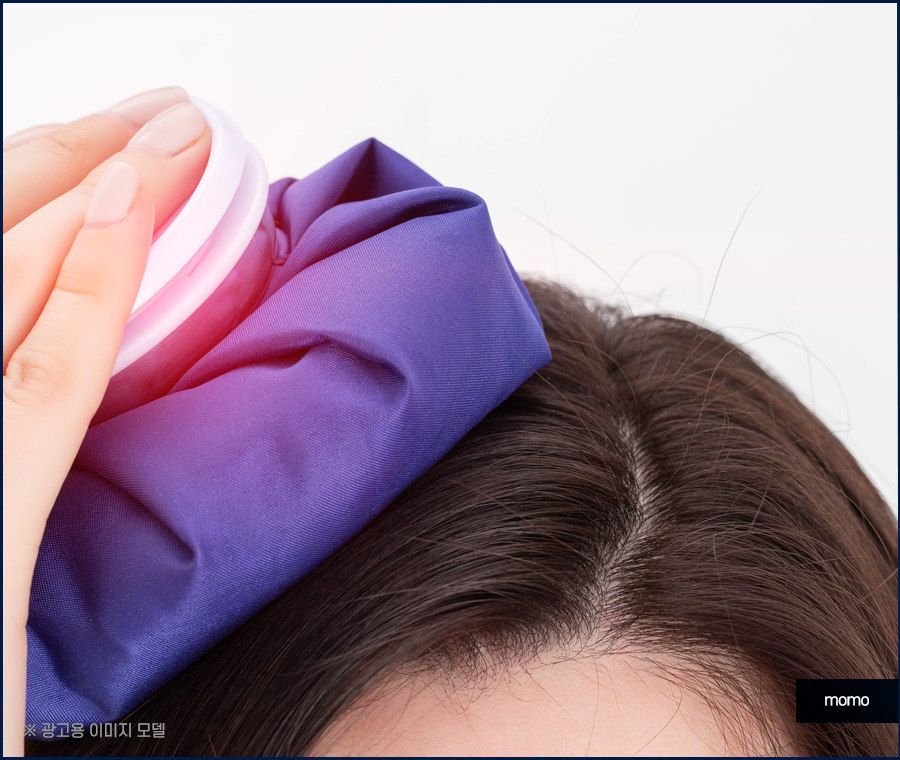
Cold compress
Applying a cold compress to the skin can also help reduce scalp heat. Simply wetting a towel with cool water or wrapping an ice pack in cloth and placing it on the skin for about 15 to 20 minutes can help soothe it. However, when using an ice pack, be sure to wrap it in a towel or cloth so that it does not touch the skin directly.
This may vary depending on individual sensitivity and condition, so it is best to try it briefly at first, check the reaction, and then gradually increase the time. Also, if there are wounds or inflammation on the head, it is best to avoid cold compresses. Cold temperatures can interfere with wound healing, and extra caution is needed when blood circulation is not smooth. Therefore, after a compress, it is important to check whether the area is too cold or whether there is any discomfort or pain.

04
Blocking sunlight
When going out or doing outdoor activities, it can also help to cover up with a parasol or a hat. During times when sunlight is strong, it helps to avoid going out for a while or to keep the area cool with a handheld fan or a fan.
04
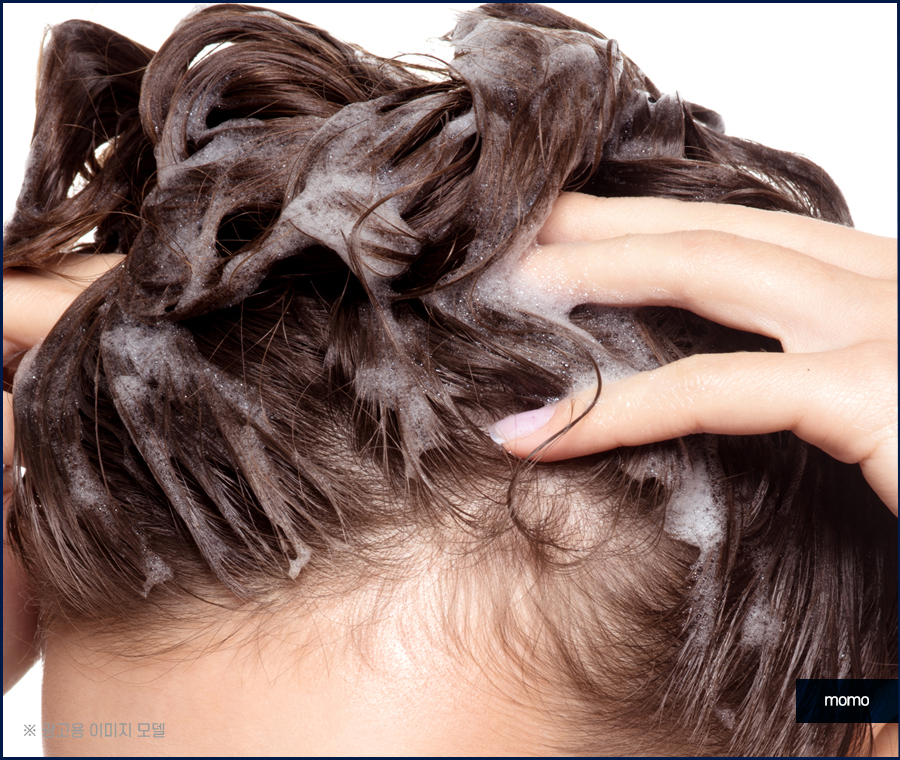
Shampoo and enough water intake
In addition, maintaining cleanliness and drinking enough water in daily life can be beneficial for reducing scalp heat. Heat, along with sweat, creates an environment where bacteria can easily grow in the area, so it is necessary to wash regularly and keep it clean. After using products such as shampoo, conditioner, or hair dye, it is a good habit to rinse several times so that no residue remains.
It is also advisable to drink water often, as this supports the body's natural cooling system. Drinking plenty of water helps improve blood circulation, allowing nutrients, oxygen, and moisture to be delivered well to the scalp, and is effective in releasing heat.
Therefore, by making good use of the methods shared above, it is advisable to consistently care for your scalp so that you can cool down a hot, overheated head and stay free from inflammation and hair loss problems.