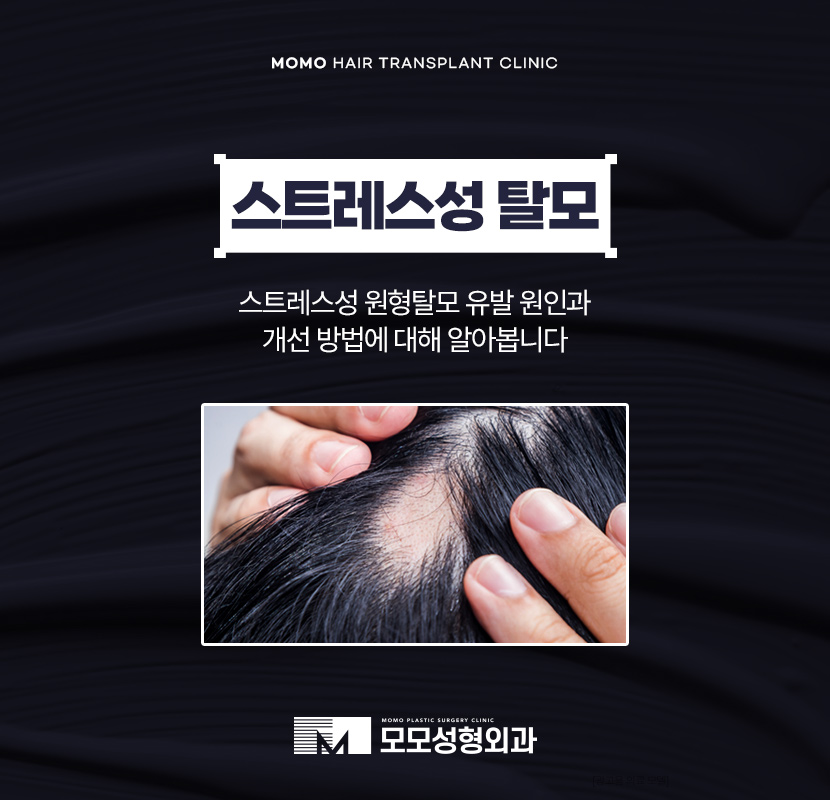
The society we live in today has achieved rapid
and highly advanced development, and many
people have been able to make that possible
through their constant hard work and struggle.
It can also be said that because each person
has diligently and intensely carried out the life
and responsibilities assigned to them, they have
been able to enjoy a prosperous life.
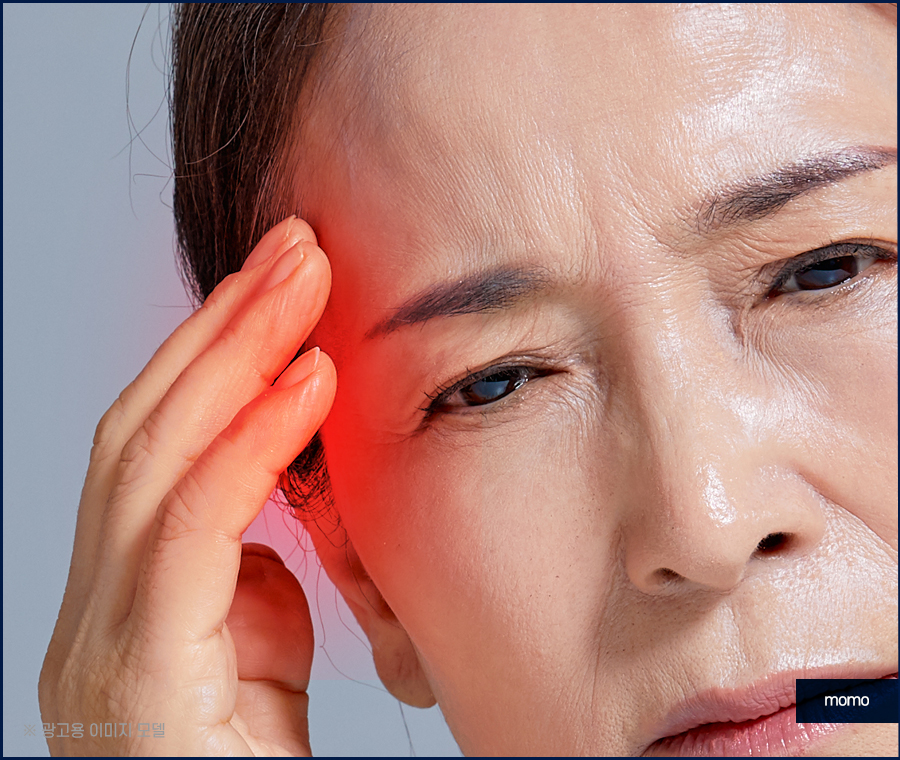
However, when people are in environments such
as excessive work, business, or intense study for
the future, there are times when they feel
psychological or physical tension in situations
that are difficult to adapt to. This is called
stress, and it is an inseparable phenomenon for
people living in modern society. It is also
nicknamed the root of all diseases.
If these symptoms are properly relieved through
hobbies or leisure activities that you usually
find interesting, that would be ideal. However,
many people are unable to release that stress
due to their busy social and daily lives, and as
stress continues to build up, it is said that small
and large illnesses can develop throughout the
mind and body, leaving them more discouraged
and worn out.
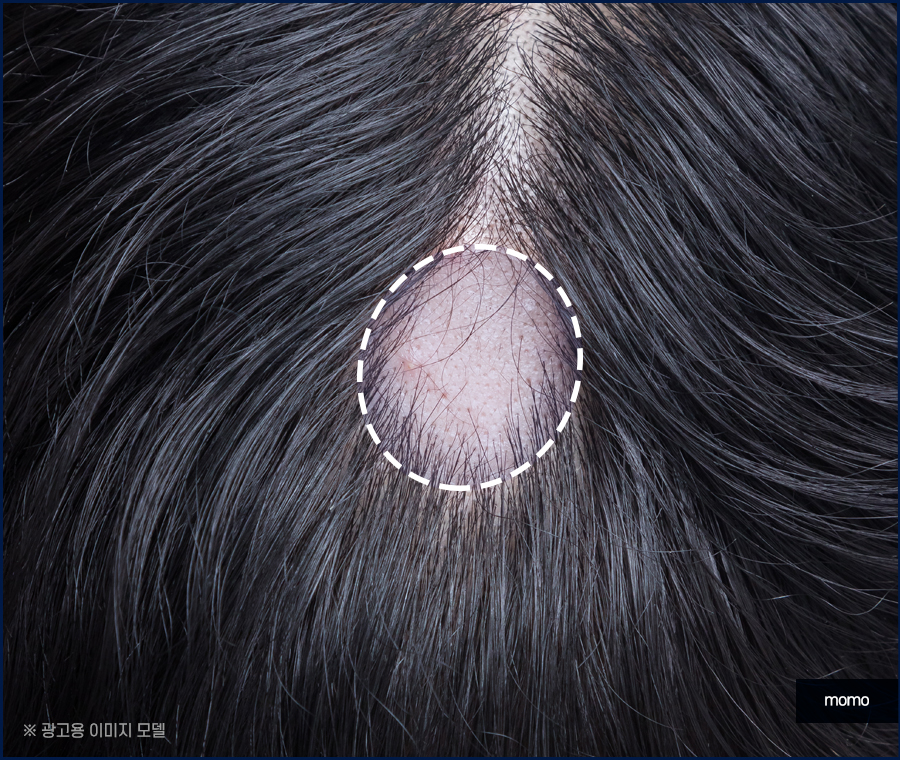
Among such conditions, scalp and hair health can
deteriorate due to these factors, and illnesses
such as stress-related alopecia areata can not only
make an exhausted body and mind even more
painful, but even if the condition is covered so it
does not show through the hair, the symptoms may
occasionally become visible, causing unnecessary
embarrassment, lowering confidence in appearance,
and adding to one’s complex, often making a
person sink further in a negative direction.
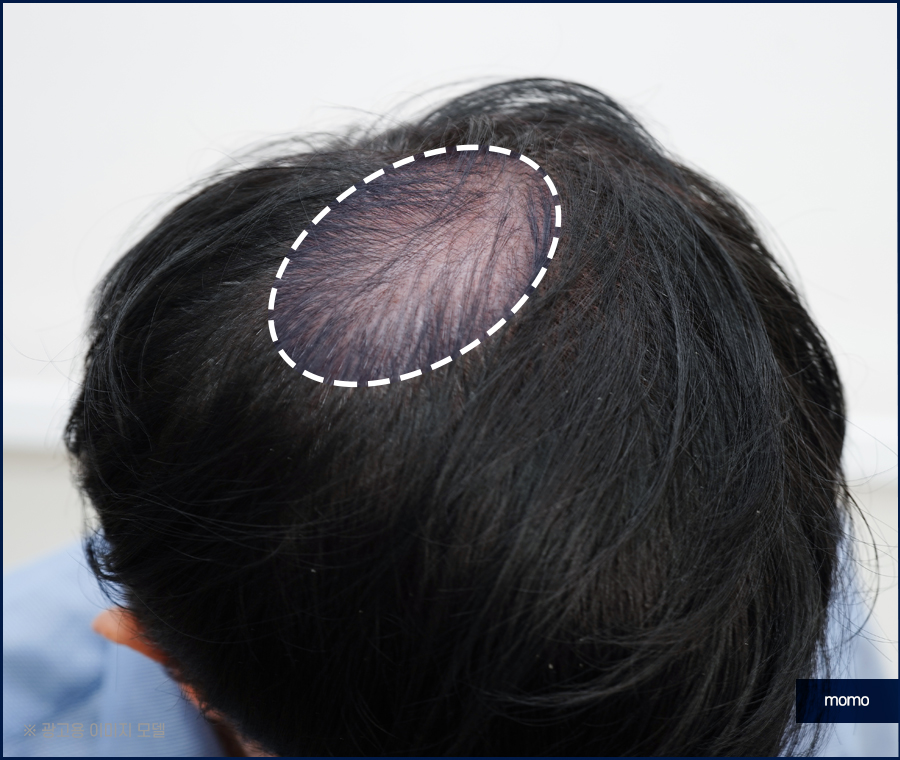
So, many people repeatedly tried to improve it
through their own efforts and methods they found,
but it was not enough to alleviate the stress-related
alopecia areata that had already appeared. If you
want to restore hair that has been lost because of
this condition, it is advisable to visit a relevant
clinic, consult with the doctor in charge to closely
identify the cause and condition of the symptoms,
undergo an examination, and then receive help
from an appropriate solution.
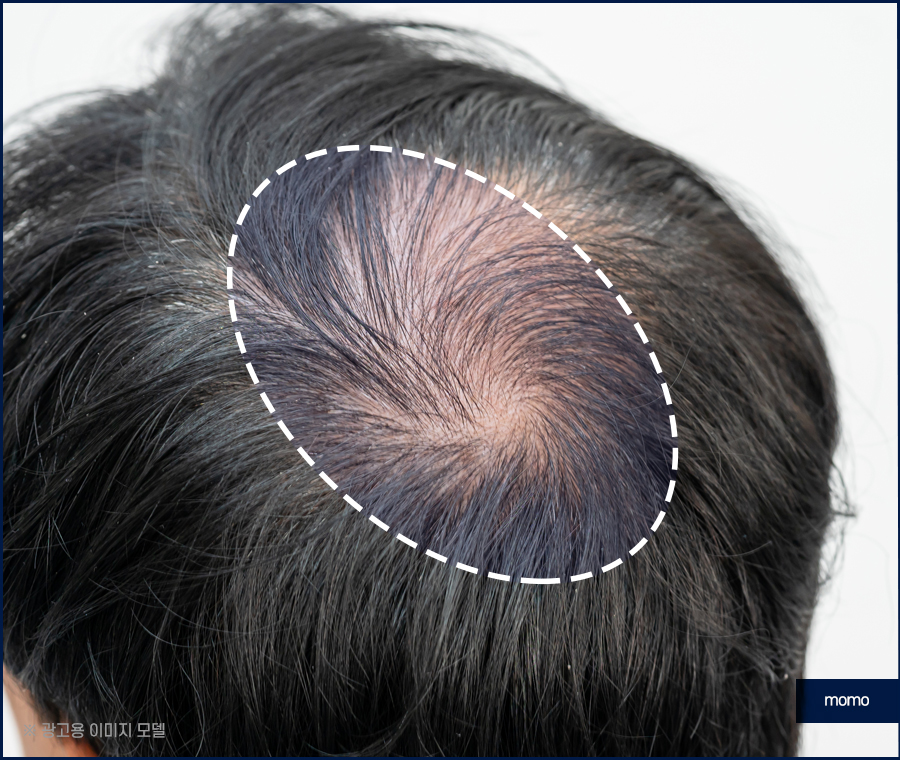
Then, what are the causes that trigger stress-related
alopecia areata?
Unlike typical types of hair loss, psychological and
physical tension is the main factor. If this situation
continues, hormone levels in the body change, and
as the amount secreted increases or sometimes
decreases, it causes natural hair shedding symptoms.
In addition, as symptoms such as insomnia and
depression appear due to stress, physical strength
gradually weakens, and abnormalities also occur in
the immune system, attacking follicle cells. As a
result, the hair roots weaken and a condition that
causes hair loss develops.
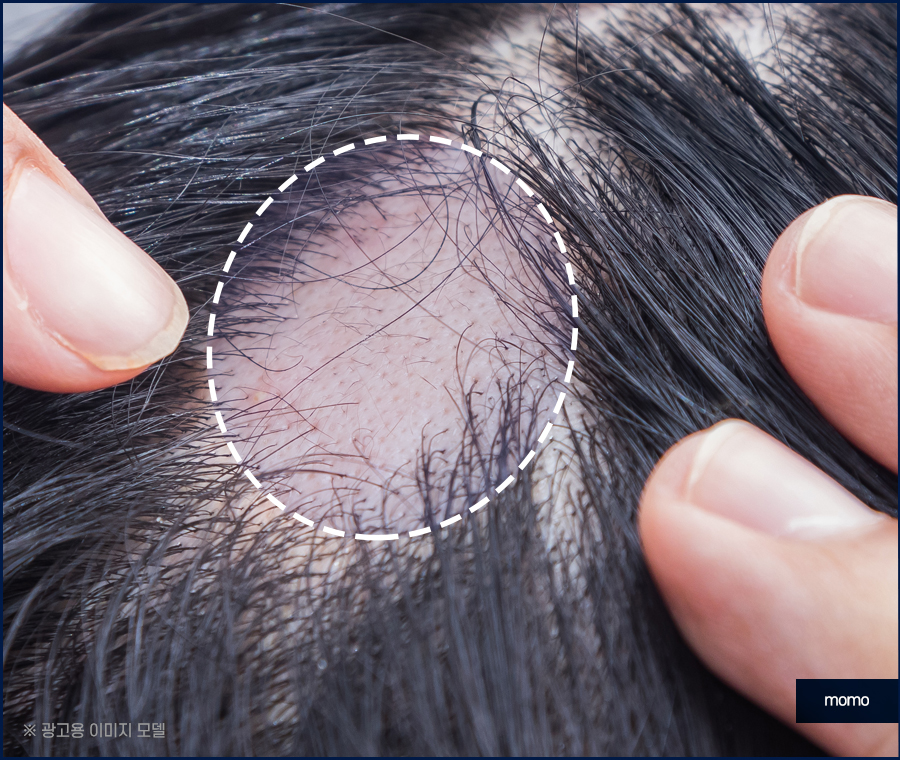
Sometimes it appears as a combination of various
causes such as genetic factors, hormonal imbalance,
nutritional deficiency, and irregular lifestyle habits.
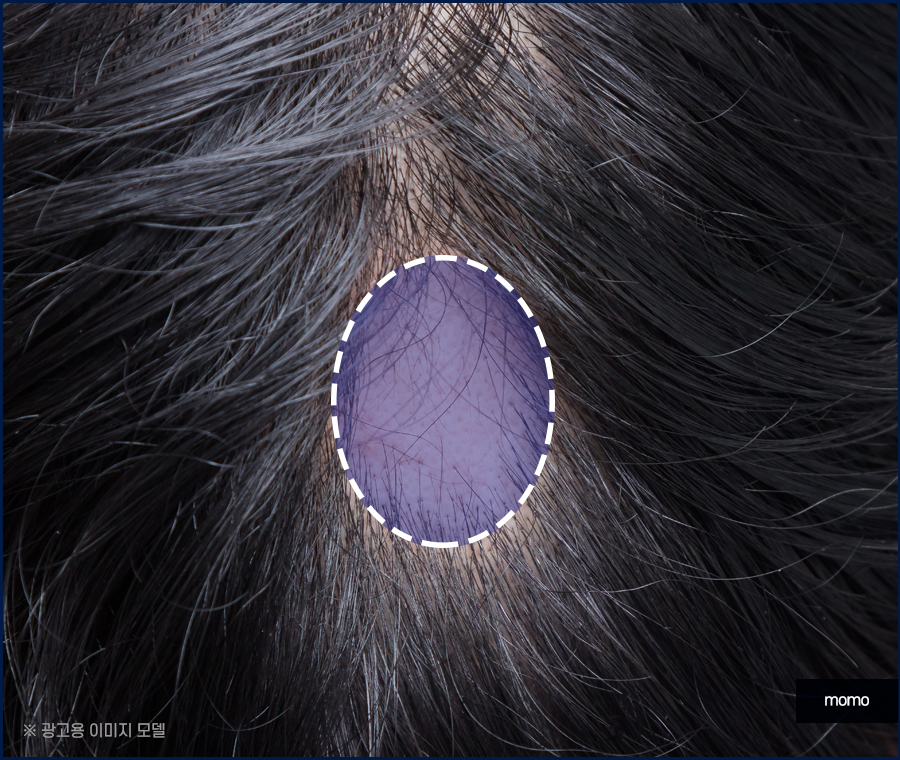
The representative sign of stress-related alopecia areata
is that there are no major subjective symptoms, and it
appears in the form of coin-sized patches scattered
throughout the scalp.
In addition, the number of hairs falling out gradually
increases and the hair becomes thinner, making it seem
as if the amount of hair is decreasing. Rarely, it can also
occur in the eyebrows, beard, and eyelashes. The hairline
at the front may recede and expand into an M shape, or
in severe cases, it can progress into a condition where hair
on the entire scalp and even the whole body falls out. It is
important to be aware of this possibility, and responding
aactively at an early stage is the right approach.
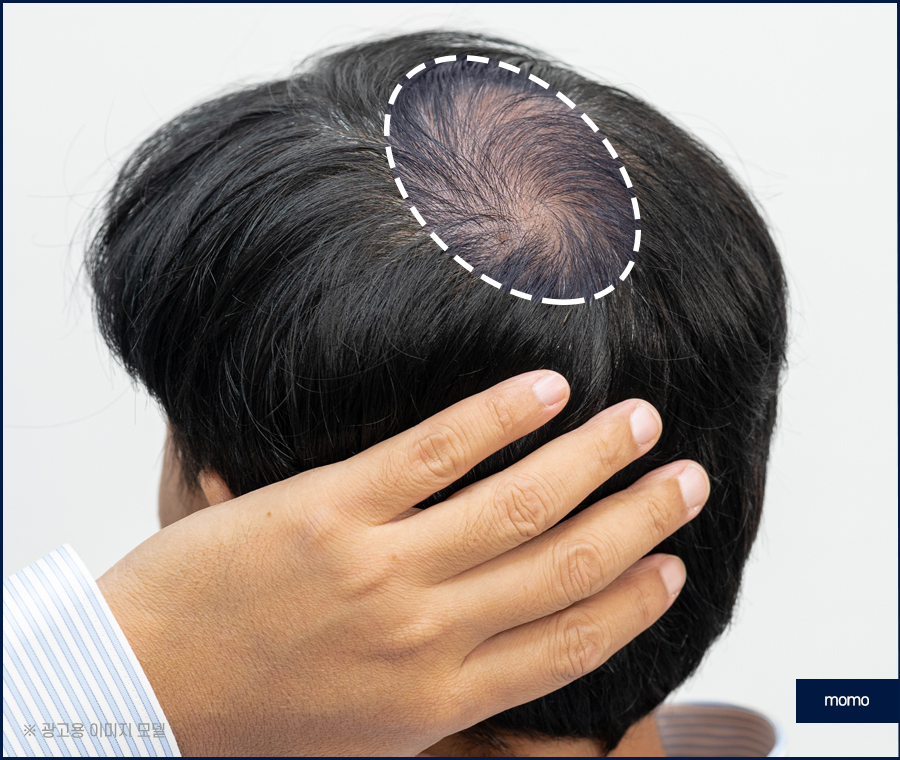
Another characteristic that can help you notice the
symptoms is that the scalp may look shinier than before,
or turn reddish and become itchy. If natural hair breaks
easily, white hairs increase like fine down, a small
coin-sized circular patch is maintained, and a large amount
of hair is falling out, this condition may be suspected. If
you are showing these signs, it is important to visit a
relevant clinic immediately and receive a detailed diagnosis
of your current condition, rather than passively expecting
it to improve on its own.
Therefore, if I were to tell you how to prevent this
condition in advance, securing enough sleep despite
the busy pace of daily life would be advisable. Our
bodies recover and regenerate while we sleep,
so it is good to get at least 6 to 7 hours of quality
sleep. Also, it may help to avoid the habit of using
a smartphone before going to bed and to take a
walk in daylight, even briefly, during the daytime.

Maintaining a regular lifestyle is also very important.
For example, irregular patterns such as sleeping late
and waking up early in the morning can disrupt the
body’s rhythm and cause hormonal imbalance, so
you should be careful. In addition, managing the
scalp and hair so that they are not irritated and can
remain clean is also said to be a way to prevent
stress-related alopecia areata. It is good to use
products with ingredients suited to your hair type,
and when washing and drying your hair, wash it
cleanly with lukewarm or cool water rather than high
temperature and strong airflow, and dry your hair
thoroughly.
In addition, because this condition can occur in anyone
regardless of gender or age, it is important to normally
care for your hair health through the proper habits and
methods mentioned above. Nevertheless, if symptoms
appear and are not clearly improving, it is important to
visit a clinic without delay and actively respond with
appropriate care and medical help for your current
condition. This will be an opportunity to achieve not
only recovery of empty follicles but also the growth of
strong and healthy natural hair.