Lately, it has fully turned into spring
and the weather has become quite mild,
but the temperature differences between
morning, noon, and evening are still
unpredictable, so it is advisable to pay
attention to lowered immunity and overall
health. This period, when temperatures
rise and fall sharply and humidity is
unstable, is called the seasonal change
period. Getting through this period well
is important not only for physical health
but also for the condition of the hair
and skin.
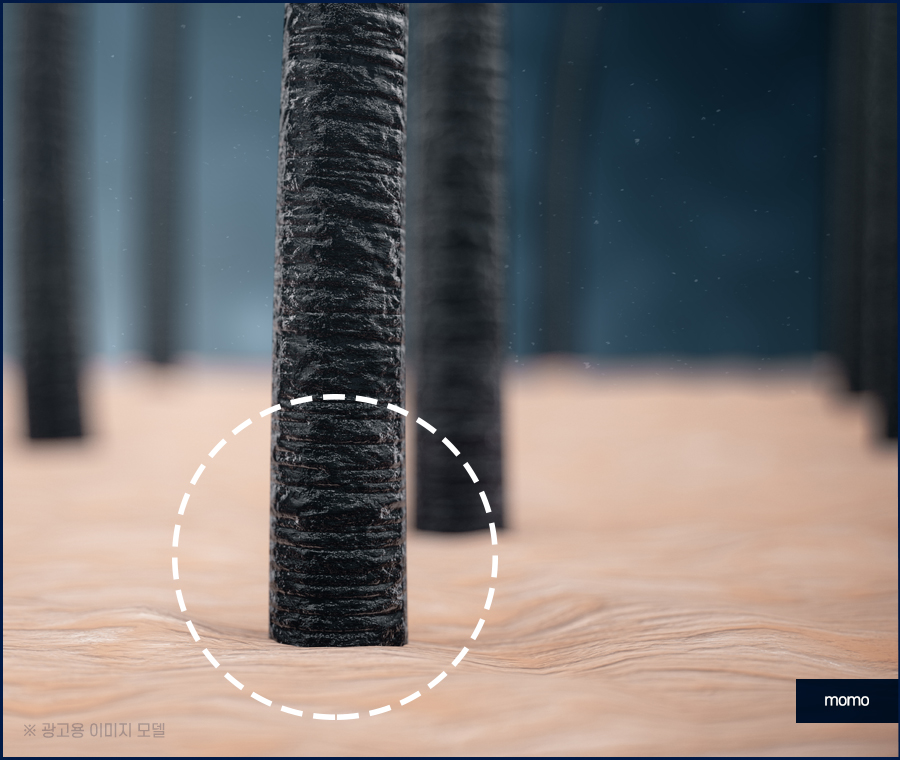
The hair protects us from external
factors, serves as a representative part
of appearance, and can express one’s own
unique impression and image through hair
styling, helping to further highlight
individuality and charm. In addition to
the seasonal characteristics mentioned
earlier, it is said that more and more
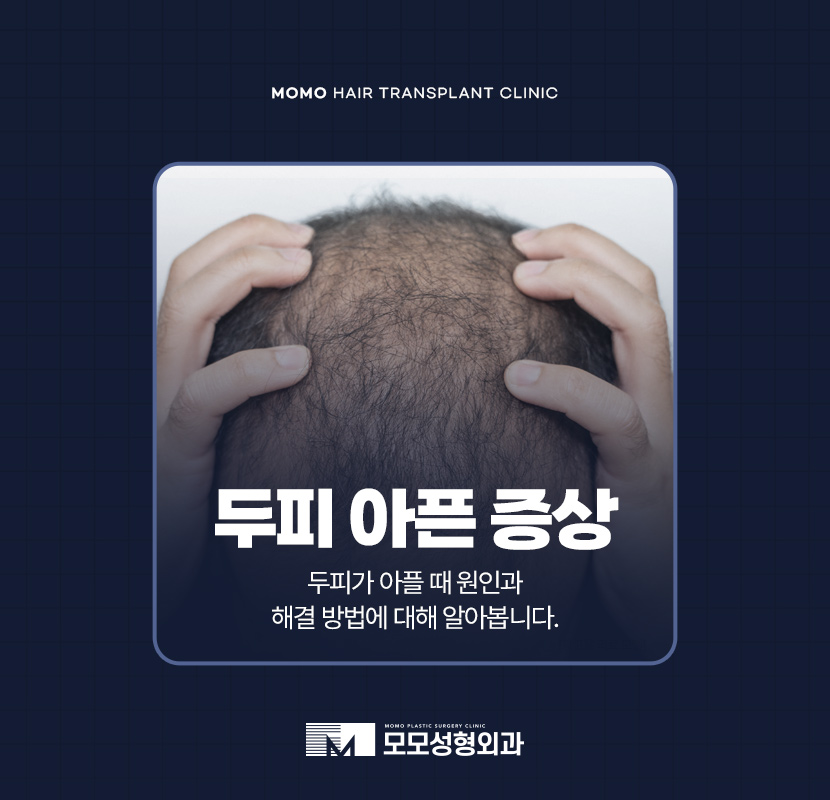
people are complaining that their scalp
hurts even without any particular
stimulation.
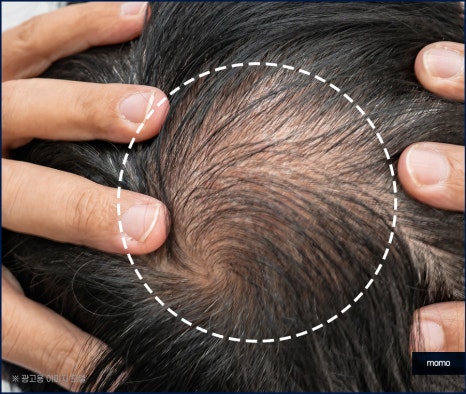
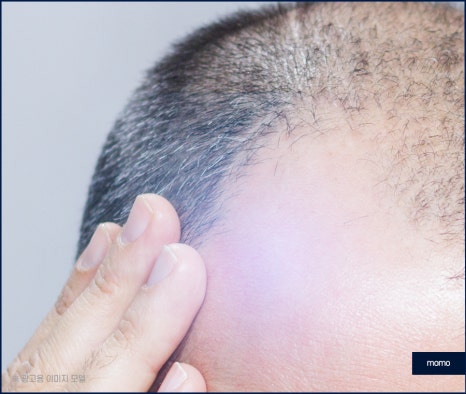
Looking more closely at why you may feel
that your scalp hurts, just as our skin
can develop pain when it receives strong
stimulation, the scalp can hurt because
it is being stimulated. The factors that
cause pain are varied, and they may also
include natural forces rather than
deliberate physical force. In other
words, stimulation can occur even if you
yourself are not pulling your hair,
scratching or striking the skin, or
pressing on it with force.

Typical examples of causes that can make
someone say their scalp hurts include dry
air, cold wind, and intense sunlight, as
well as yellow dust, fine dust, and
unclean rain or snow amid growing
environmental pollution. In addition, if
overall condition and scalp metabolism do
not remain smooth, dandruff may increase
and itching may occur. Stress and similar
factors can also be reasons for pain.
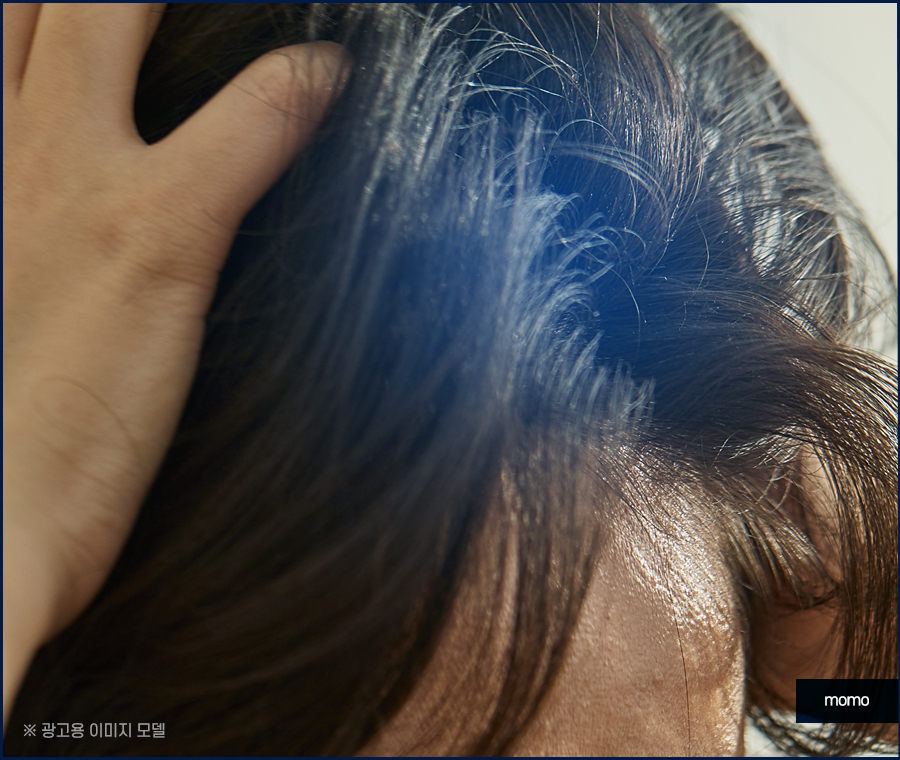
In this way, the things that are pointed
to as natural or environmental factors,
together with acquired causes, are
important reasons why pain such as “my
scalp hurts” can occur, because they can
interfere with and prevent the scalp from
maintaining a normal condition. The scalp,
like other skin, prefers a comfortable
environment and is a part that reacts
very sensitively to factors that disrupt
or contaminate environmental balance.
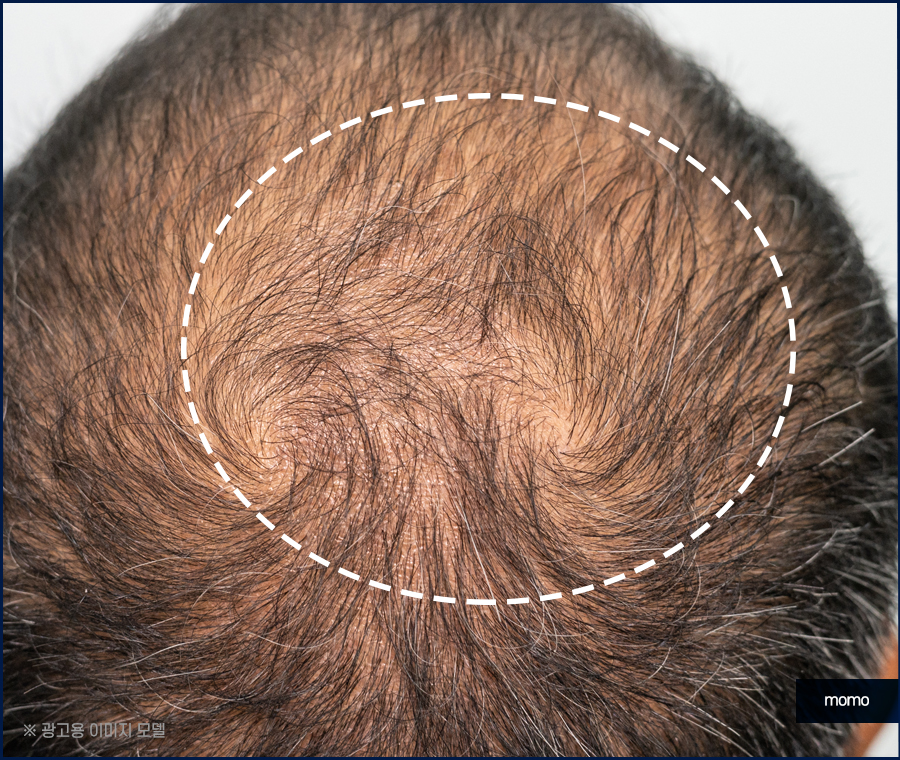
That is why inflammation and pain can be
unavoidable when it is exposed to mild
sensations such as heat, cold, and dryness.
Therefore, if the cause of your scalp pain
is something that cannot be resolved by
your own care methods, it is necessary to
try various approaches in addition to
learning and practicing proper shampooing
methods and keeping hygiene strictly,
such as drying your hair thoroughly.
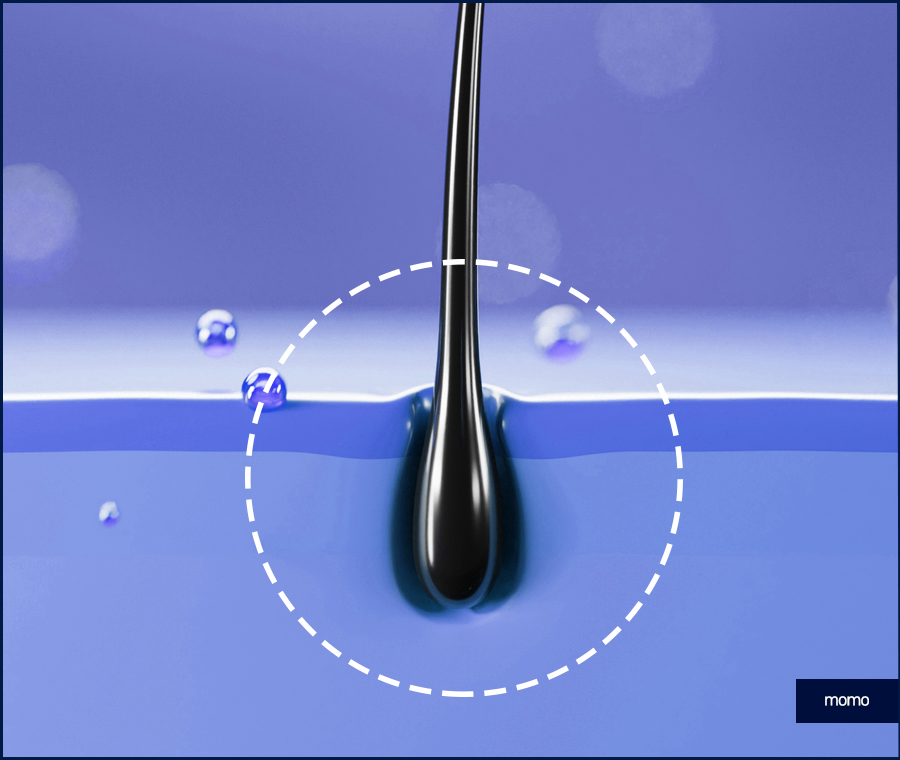
However, before that, it may be important
to clearly check the level of pain you
feel, when it started, and what type of
skin you have, then find the most
suitable solution. Whatever the reason is
for saying “my scalp hurts,” there will
always be stimulation at the center of it.
Therefore, at the site where the pain has
occurred, a system that first rebuilds the
environment damaged by stimulation is
needed above all.
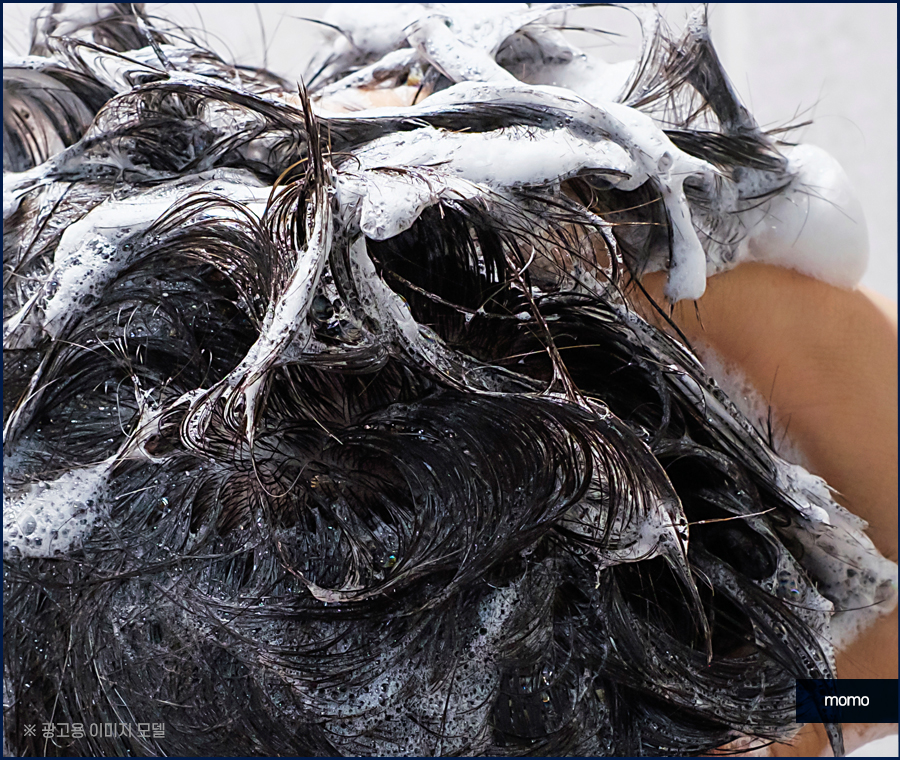
First, use shampoos and hair products that
are less irritating, and depending on the
situation, it is important to relieve
symptoms by using dedicated scalp products
or shampoos with functional ingredients.
It is also said that it is good to make a
habit of brushing dry hair and scalp
thoroughly, and when washing and drying
your hair, it is better to dry the whole
head with cold or lukewarm air rather than
hot air.
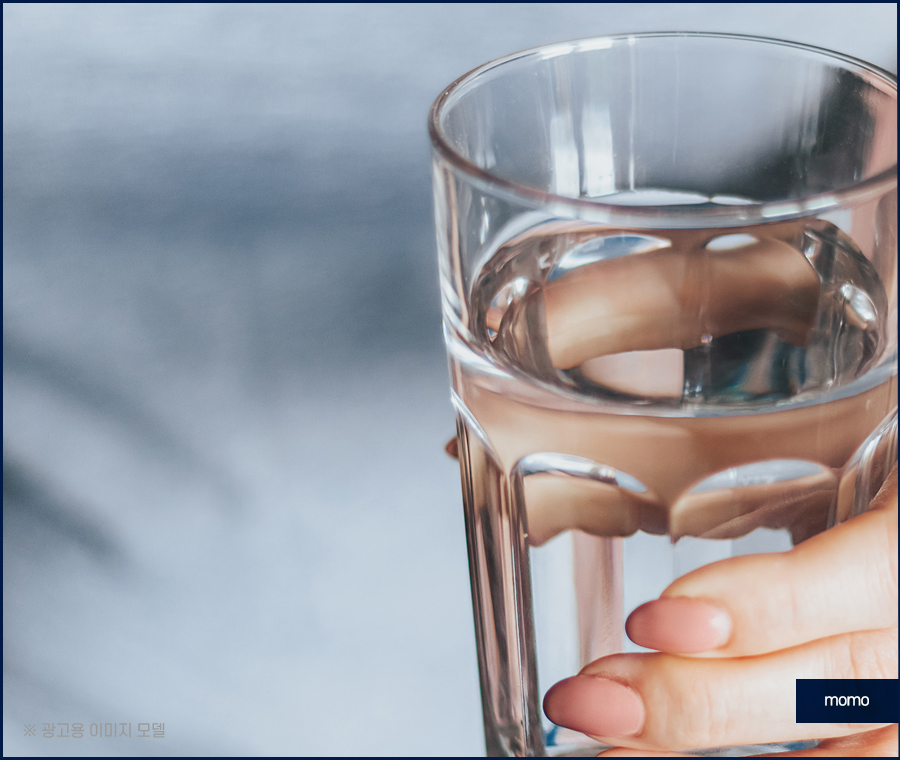
In addition, drinking plenty of water to
stay hydrated may help, and it is also
important to develop the habit of gently
massaging with moderate pressure. If you
often undergo hair procedures such as
dyeing, bleaching, and perming, which use
various chemical ingredients in
combination, reducing the frequency or
sometimes limiting them can be an
effective way to help damaged hair return
to normal more quickly.
Adjusting indoor humidity to match the
outdoor humidity, or when going out for
outdoor activities, bringing and using a
breathable hat that can block sunlight and
wind can be helpful. It may also be good
to actively use sunscreen.
Along with scalp pain, if you feel as
though your hair is being pulled or leave
tingling inflammation untreated for a long
time, it may be linked to hair loss. If
the pain has not lasted very long or the
symptoms appear intermittently, it can be
said to be caused by external stimulation
and that condition. If the pain continues,
however, it may be a problem with the hair
roots themselves, so in addition to
improving bad habits that you may have
been doing without thinking, it is
recommended to visit a related clinic,
discuss your symptoms and current
condition in detail, and receive an
appropriate diagnosis.