When glossy, shiny hair appears in advertisements or media,
I think many of us have probably found ourselves
pausing to look at it at least once.
When hair is well cared for, it can act as an external
attraction and also provide a high level of aesthetic
satisfaction, which is why especially for women,
you can often see them consistently doing home care or
getting salon treatments.
In particular, when hair is curly rather than straight,
it can be difficult to maintain a neat style, which can
cause mental stress.
Although it may seem similar to curls, coarse hair is
sometimes found, and today I’d like to talk about the
causes of this condition as well as 3 ways to reduce it,
so if you’re interested, I hope you’ll read on.
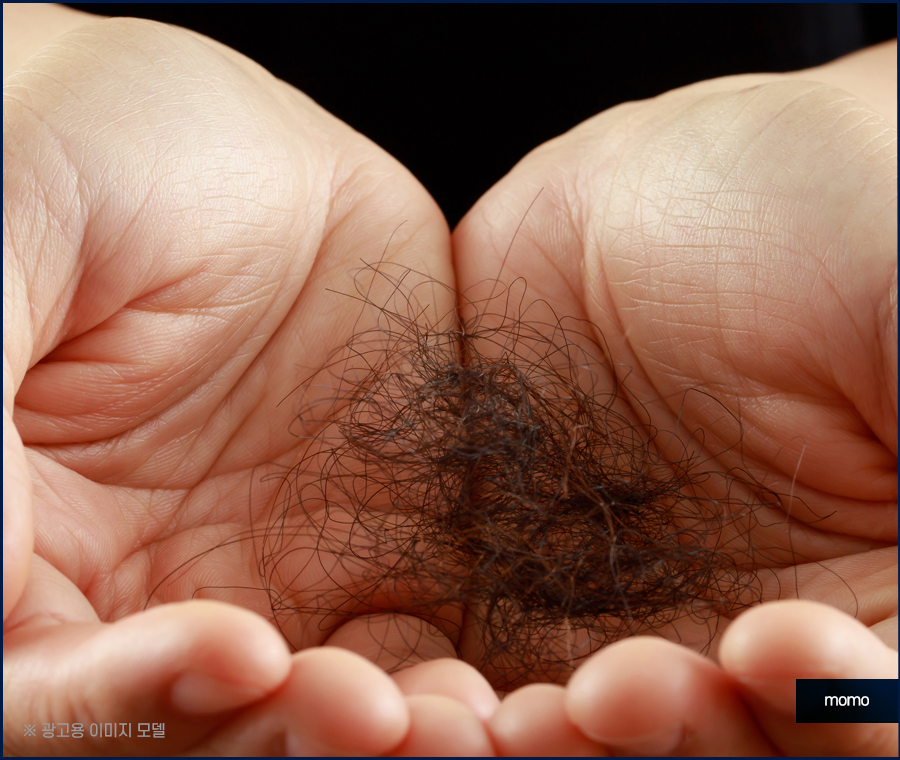
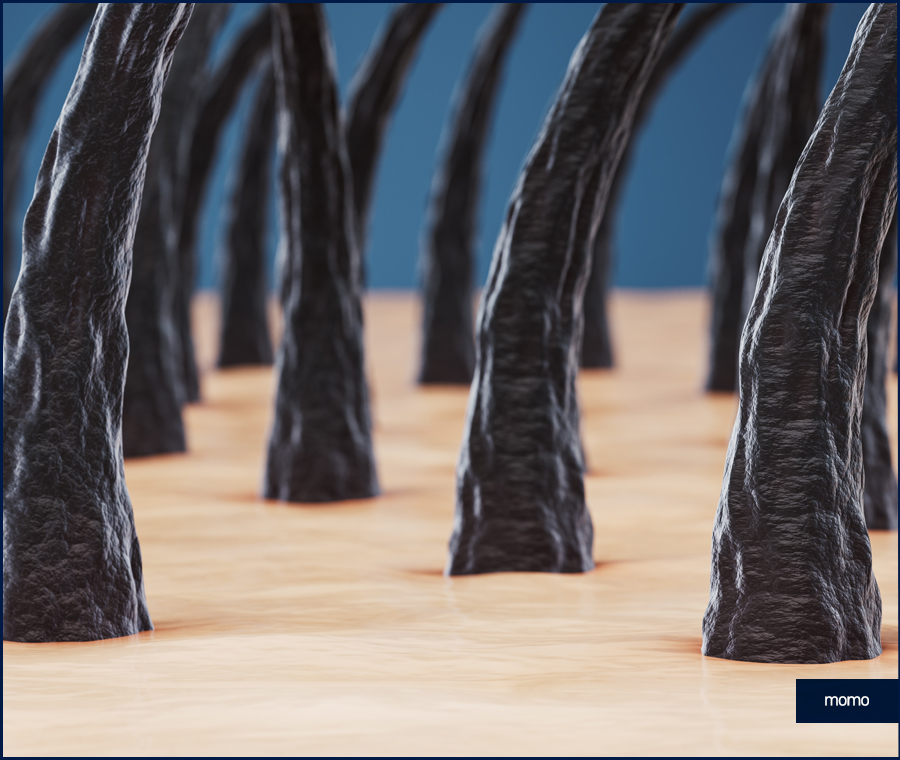
Coarse hair refers to hair that, unlike straight hair,
has a twisted, tightly curled shape like severe curls,
and it can also be caused by problems with the scalp as
well as the hair itself.
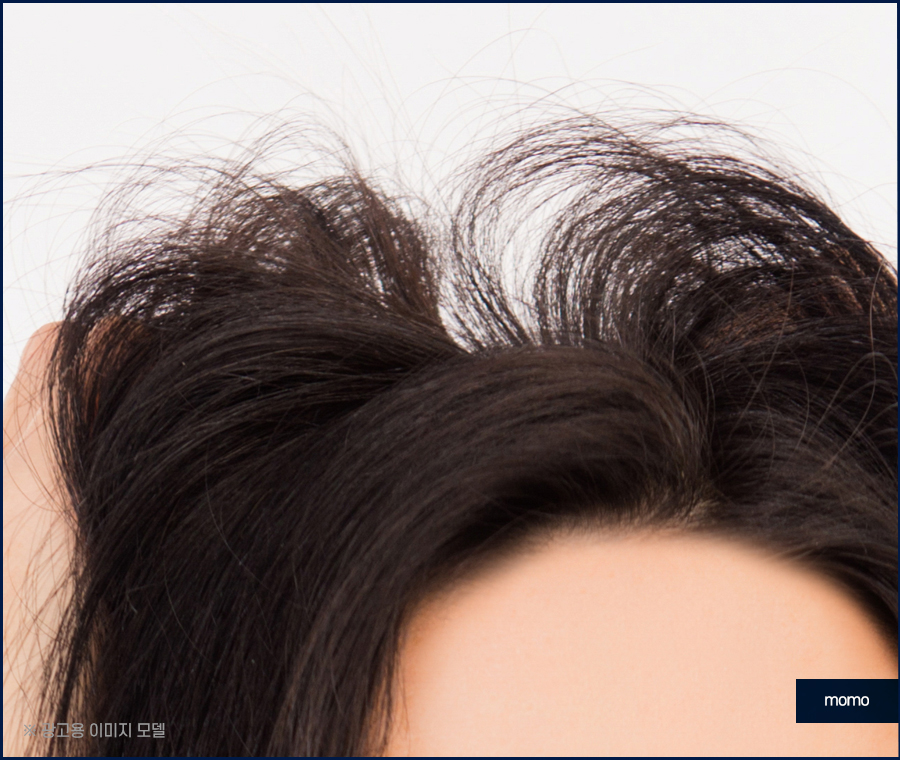
The first reason this phenomenon can occur is when
natural hair is forcibly pulled out.
When hair is forcibly pulled out, you can observe the
root being pulled out together with the hair end.
It does grow back again, but if you repeat this action,
the follicle can be damaged and coarse hair can grow,
so it is better to avoid doing it.
If you have a habit of pulling it out, it may be better
to simply use small scissors to cut only the parts you
don’t like.
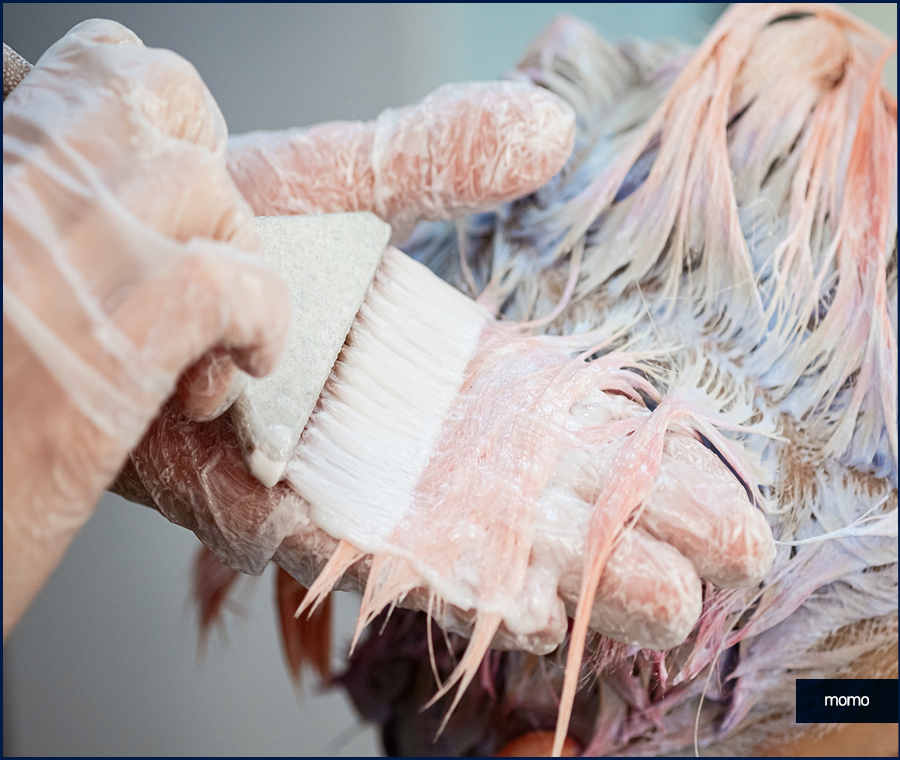
Second, frequent dyeing and perms can also be the cause.
If your hair is curly, many people straighten it with a
straight perm, and some also get root perms to add
volume.
However, heat is generated on the scalp and moisture in
the hair evaporates, so it can have negative effects and
lead to curly or coarse hair, so please be careful.
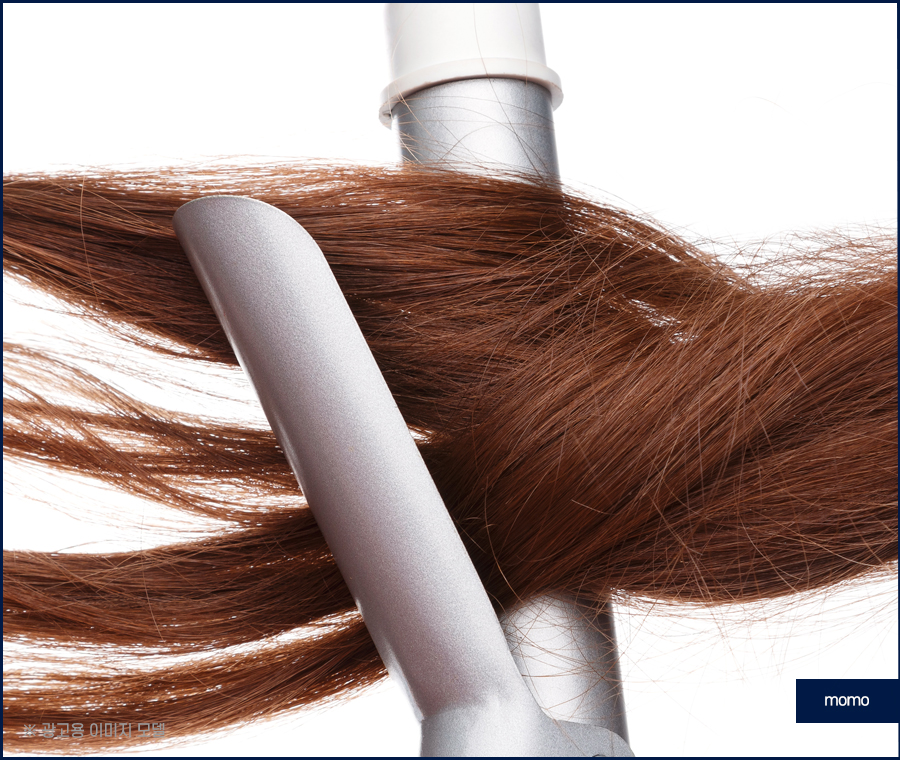
Also, when you use a flat iron or similar tools at home
to style your hair, high heat is involved, which can
cause natural hair to become twisted, so please keep
this in mind.
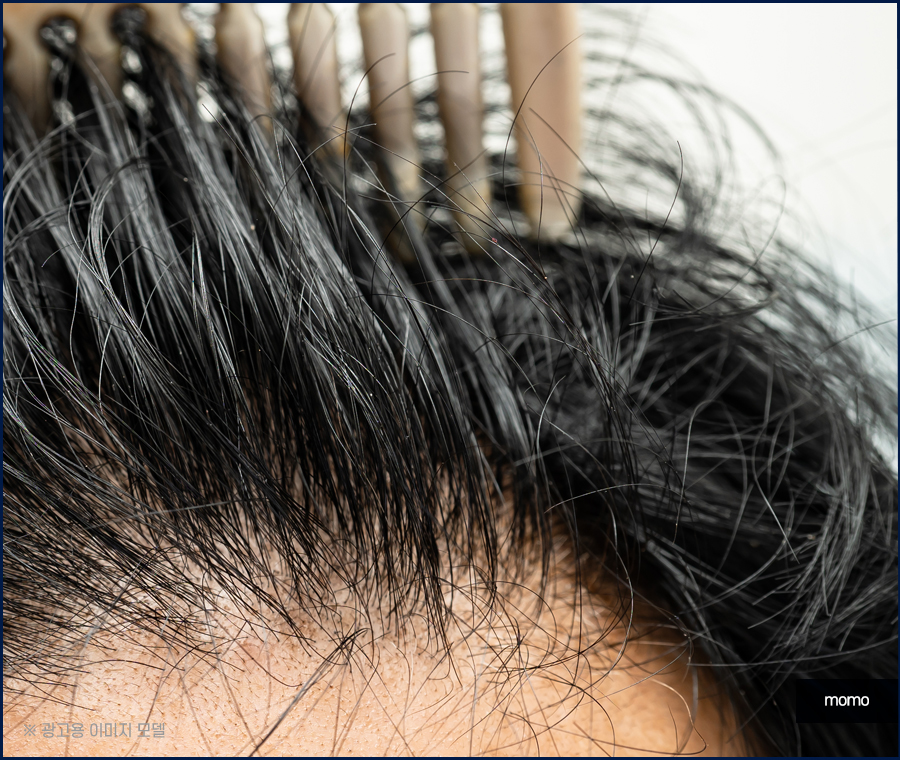
And sometimes it is formed by inherited genetics.
It can be determined by genes, and if family members are
found to have similar hair, it is likely to be something
you were born with, so it may help to understand it that
way.
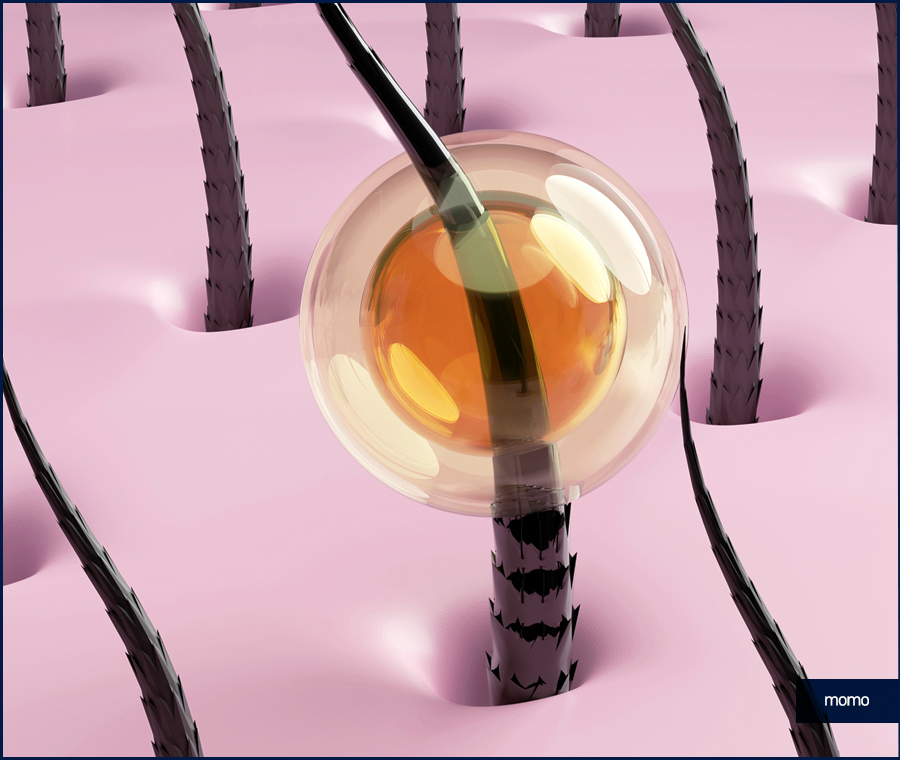
To ease this condition, first of all, it is important to
provide enough nourishment to the scalp and hair.
Because it can also affect the development of the
condition, sufficient nutrient supply is recommended.
After shampooing, apply a hair treatment carefully and
apply essence to damp areas; exfoliating on a regular
schedule with a gentle scrub is also advisable.
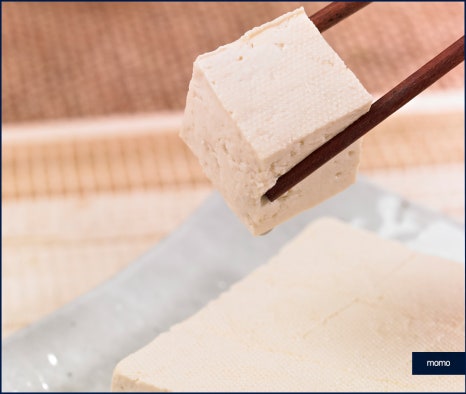
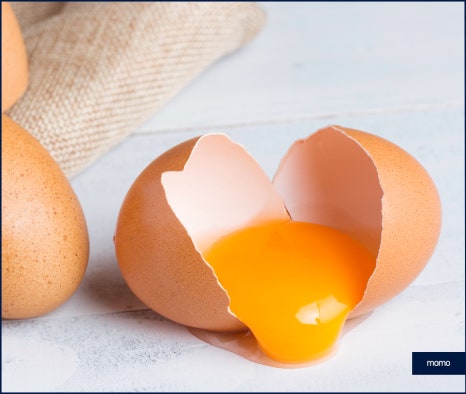
It is also good to eat meals that include protein for
good nutrition, so if your usual intake is low, it can
help to make a habit of consciously eating foods such as
beans, fish, eggs, and tofu.
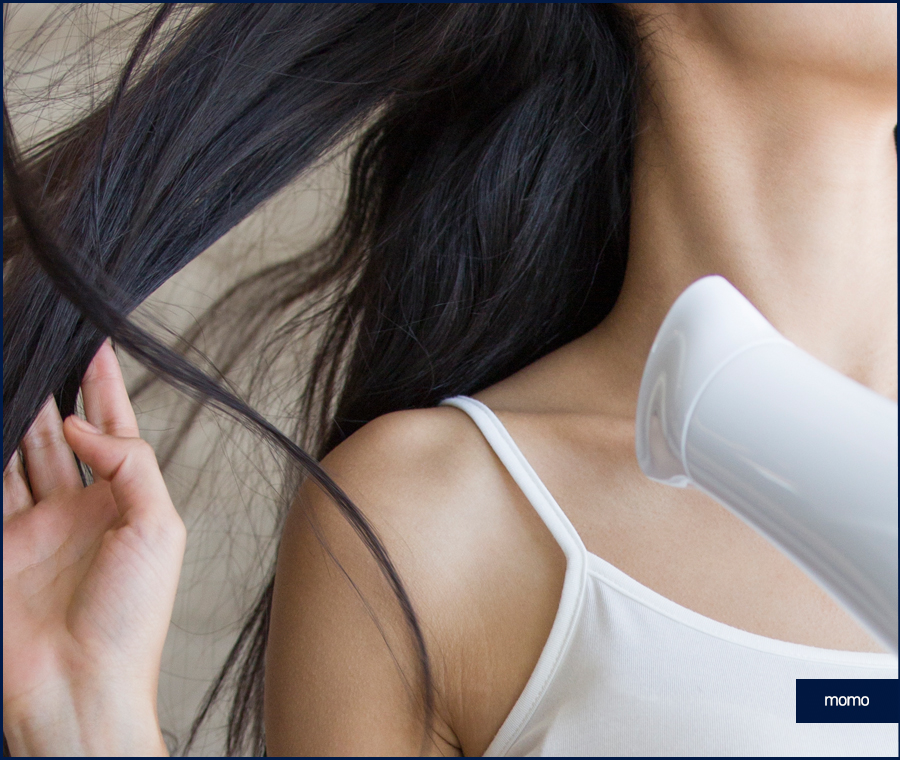
Next, reduce procedures such as heat styling with a flat
iron, dyeing, and perms.
As mentioned above as a cause, if these excessive
procedures continue, they can have a negative effect, so
it is better to reduce the number of times you do them
and also lower your use of flat irons and blow dryers.
If you apply high heat, the hair and scalp can dry out
easily, so I recommend drying lightly with cool natural
air whenever possible.
A more specific method is to wrap your entire head in a
towel after shampooing, dry from the ends so moisture
doesn’t escape, then at the final stage cover it with a
towel to remove moisture cleanly, dry it overall using
gentle heat to distribute it evenly, and finish with cool
air; you may find that your hair becomes softer and the
curliness is reduced, so please keep this in mind.
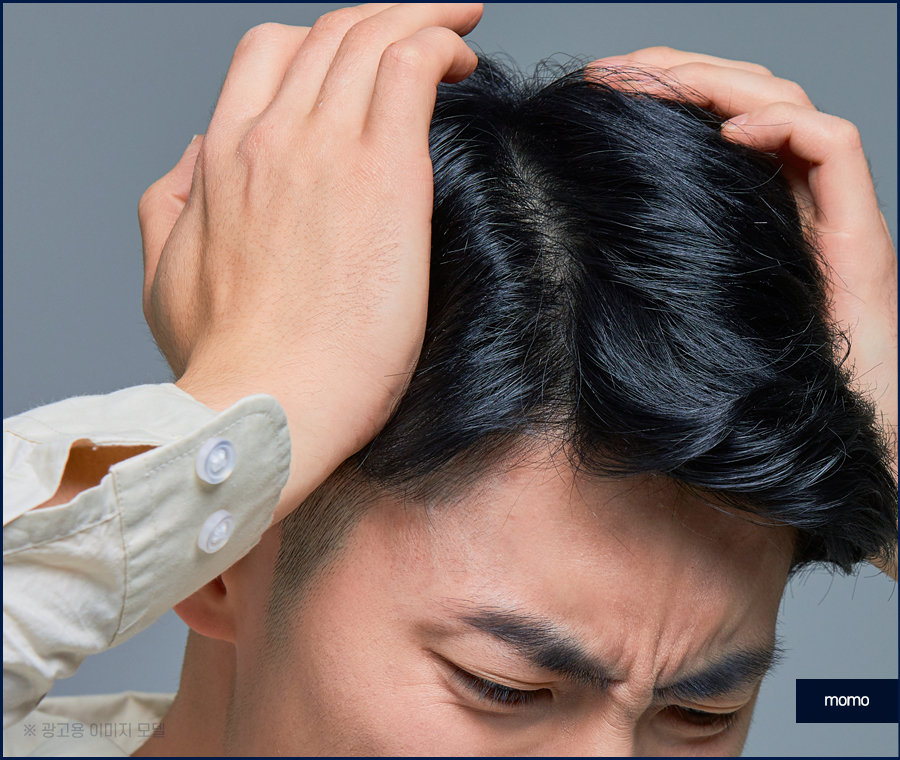
When stress builds up, hair can become dry, and depending
on the case, severe stress can even lead to hair loss and
make your appearance look worse, so it is wise to find a
way to manage it in your daily life and continue
doing so consistently.
In addition, washing too often removes sebum, the natural
oil, which can make the hair even drier and cause curliness,
and it is better to use a moisturizing shampoo or rinse to
provide enough hydration and elasticity, so it would be
good to choose products with that in mind.