While spending your days with your beloved lifelong partner,
you come to carry a new life that resembles both of you
inside your womb and experience the process of childbirth.
And a child brings endless joy and happiness
that cannot be expressed in any words of the world.
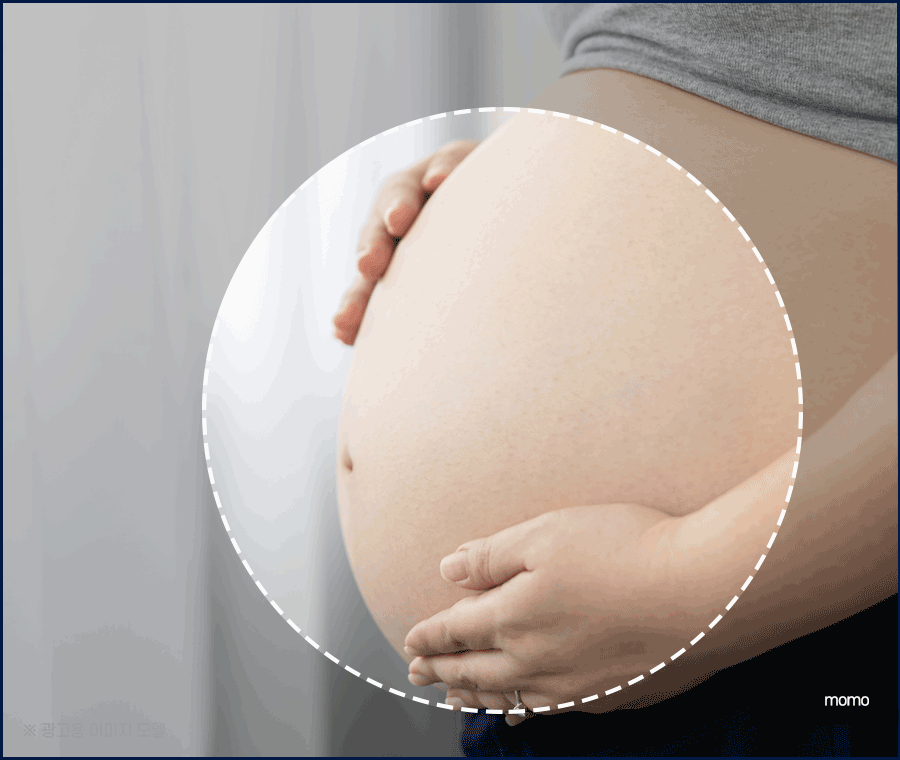
In this way, pregnancy can be said to be one of life’s
mysteries and a wondrous act that continues until the very moment of birth.
It is also something that brings blessings to family members,
including grandparents, as well as people around you.
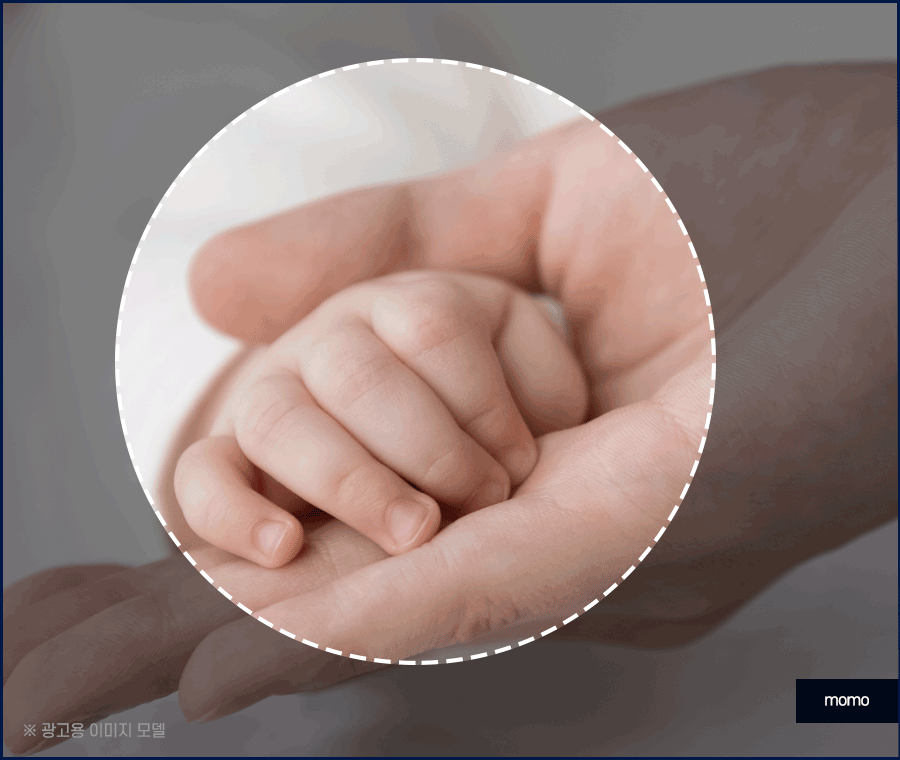
Although there may be differences depending on the case,
carrying and raising a child in the womb for about 10 months
and going through childbirth is by no means easy,
but it can be said that you gain many things in return.
However, the point to check at this time is the physical changes
that may appear after childbirth, and knowing about them in advance
can be very helpful.
Changes related to this are said to be varied.
During pregnancy, hormonal fluctuations occur rapidly,
and aspects that were never present before becoming pregnant may appear.
For example, symptoms may occur such as the abdomen that had swollen while the baby was inside
gradually returning to its original shape, or lochia—discharge made up of mucus, cells shed from the uterine lining, blood, and bacteria—may continue for several days. Sometimes, generalized itching of the whole body may also appear.
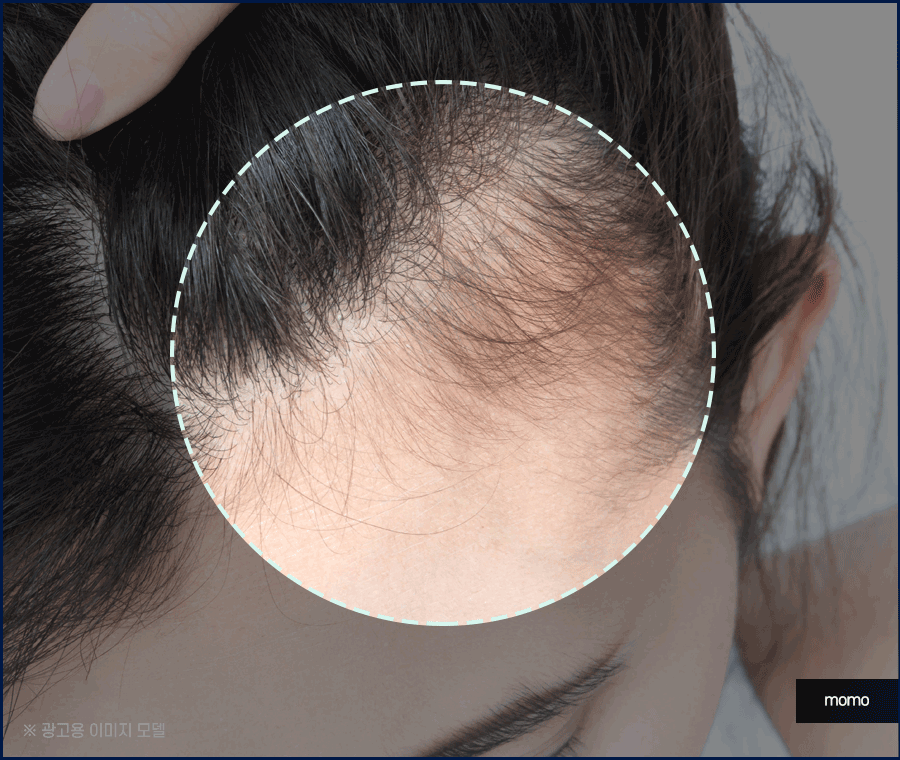
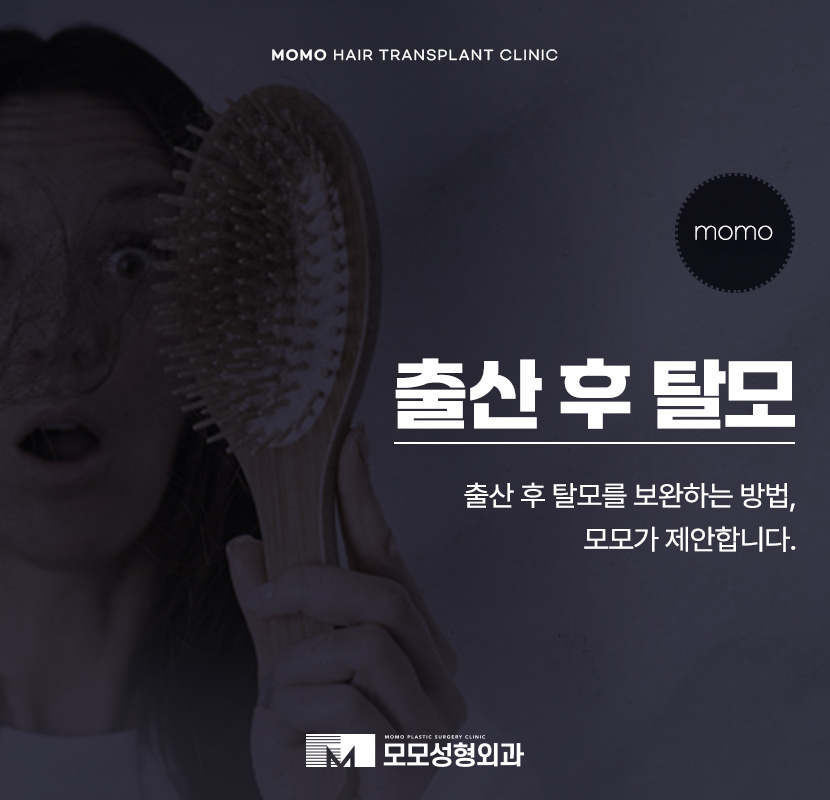
And one of the problems many mothers experience is postpartum hair loss.
With these newly appearing symptoms, many women also begin the realities of childcare in earnest right after childbirth.
Since this is a situation and experience they may not have imagined until very recently, it can feel loving and precious, but naturally it also brings lack of sleep and stress, and in severe cases postpartum depression may accompany it.
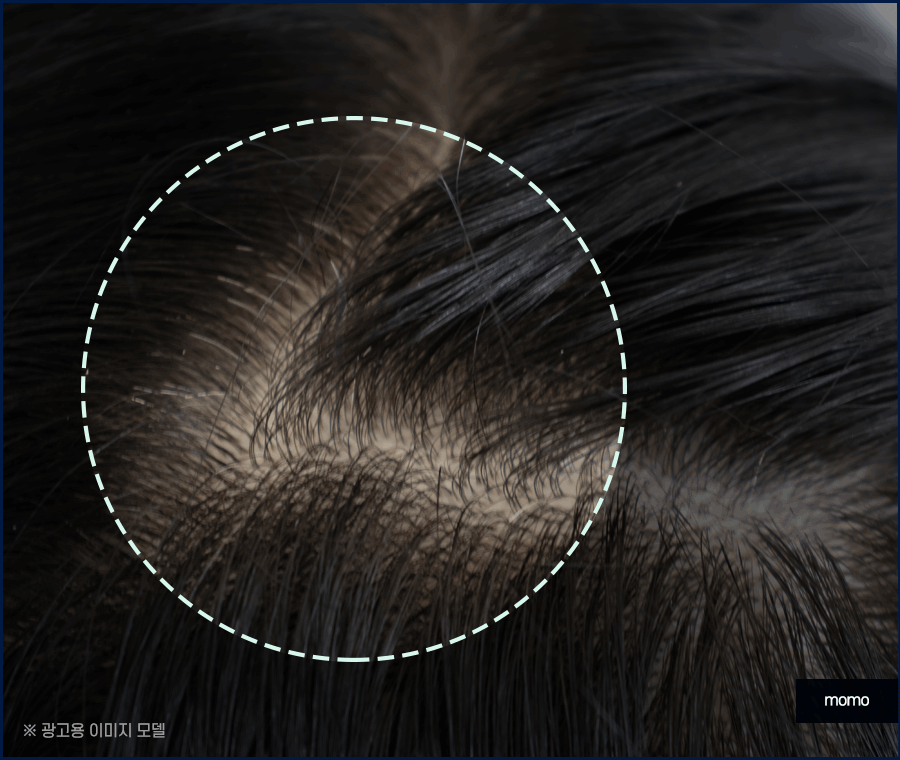
In particular, when raising a child, it is true that it becomes difficult to take care of your own health and condition because the baby must be cared for first.
Therefore, it can be difficult to actively respond to the gradually appearing symptoms of postpartum hair loss. If so, let us first look at how this phenomenon appears and what its fundamental cause is.
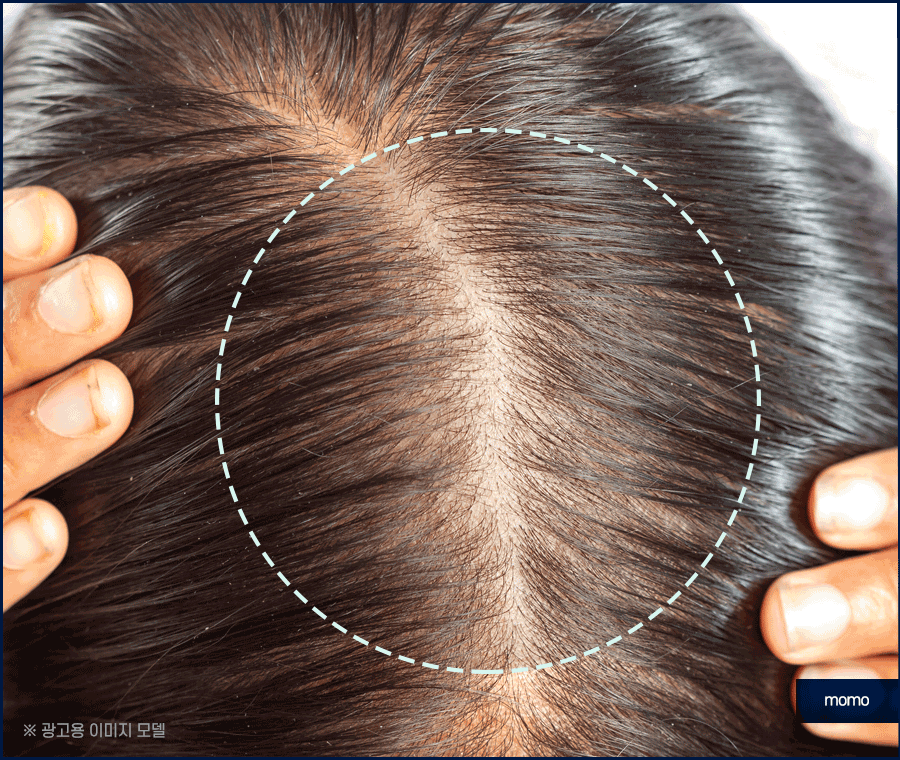
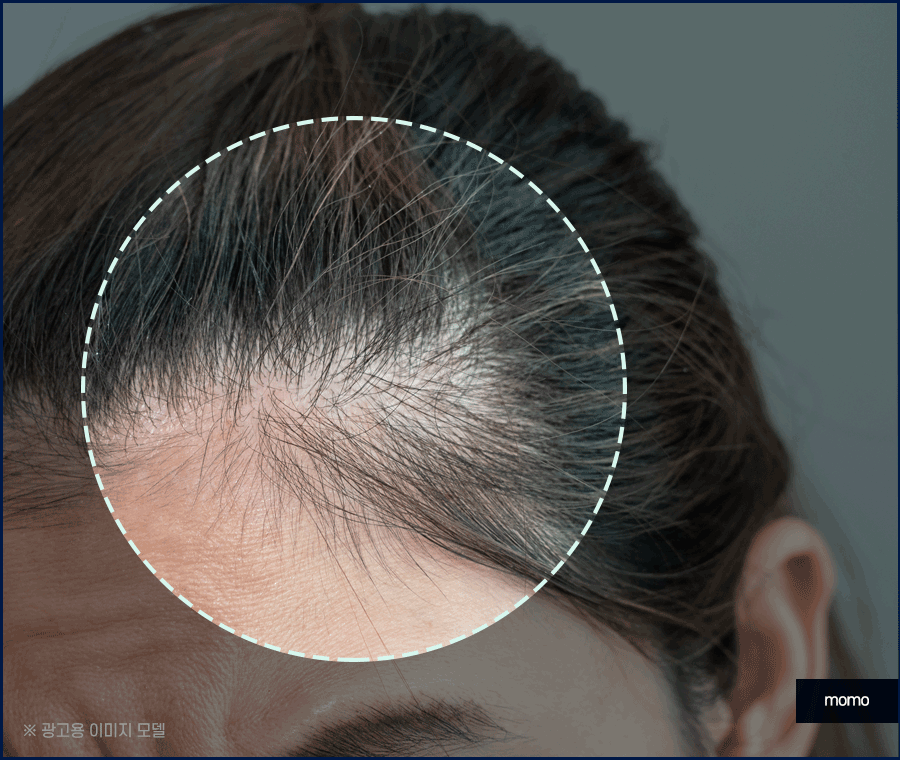
Postpartum hair loss that appears after giving birth is a symptom that continues for a certain period of time and occurs in most women who have gone through childbirth, but after some time it can gradually recover.
However, during the period when this condition continues, severe stress and a sense of complex can build up, and as a result, you may consider various ways to improve the problem.
What are the main causes?
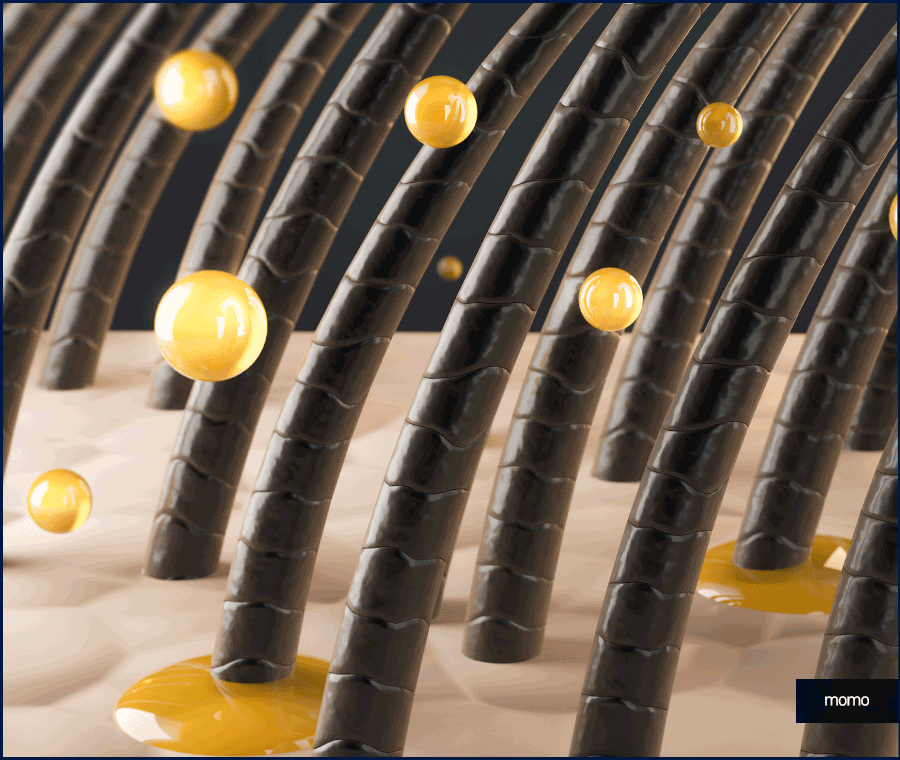
The main cause of postpartum hair loss is typically a drop in estrogen levels after childbirth.
When pregnancy occurs, female hormone levels increase, and this component further promotes the growth of hair follicles, lengthens the hair growth phase, and helps hair shed less than before pregnancy.
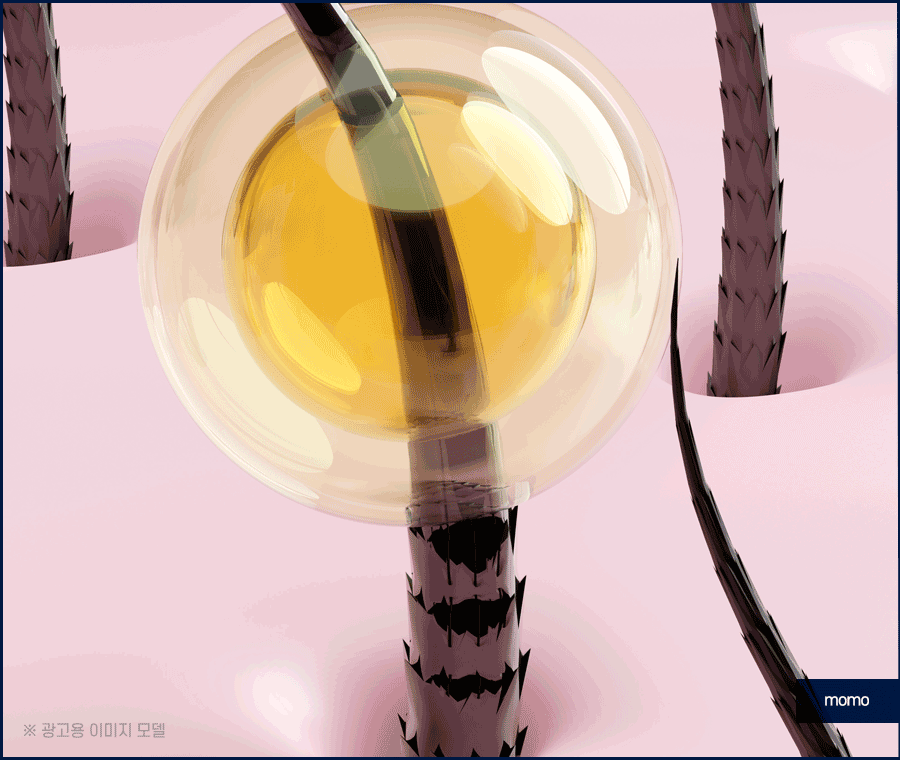
However, after giving birth, hormone levels return to normal again, and hair that had not been shedding during that time is lost all at once, which makes postpartum hair loss worse.
Also, as mentioned earlier, this phenomenon does not continue constantly; it can recover after a certain period of time. It is said that after the initial postpartum period, once 100 days have passed, a large amount of hair loss may be seen for at least 2 to 5 months, and after another 3 to 6 months, around 12 months later, it can return to its previous state.
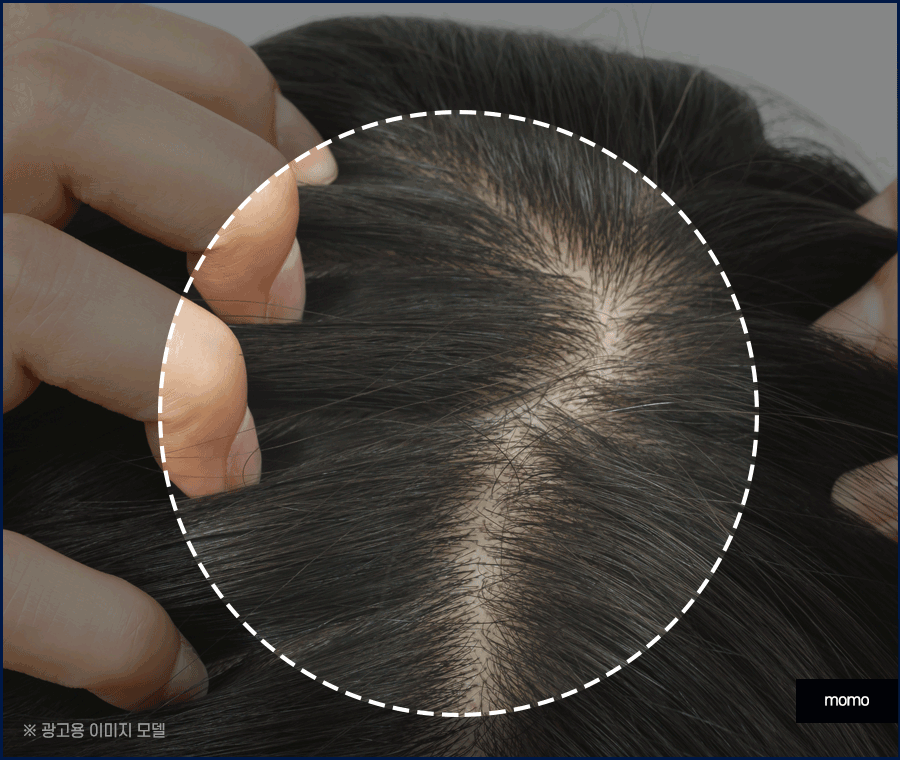
It also tends to progress mainly as either patchy hair loss or crown hair loss. At this time, if postpartum care and management were not done properly, or if depression or unbalanced nutrition occurred, or if physical changes such as weight loss happen, this phenomenon may not improve and may last longer. Therefore, it is important to take good care of your health and condition and provide appropriate care accordingly.
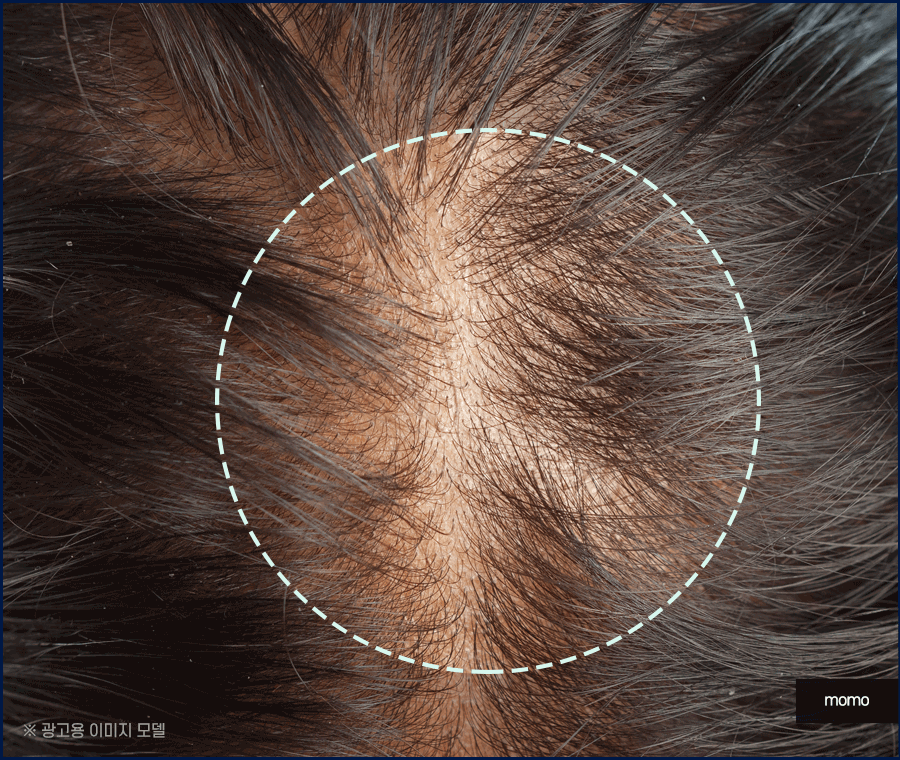
There are various reasons why these symptoms appear more often, and one can mention the stress caused by childcare that was noted earlier.
Because there is more than one thing to pay attention to overall, including the baby’s health and development, the stress that arises can worsen postpartum hair loss.
And if you try to lose the weight that has increased rapidly in order to return to your previous body shape and appearance and go on an extreme diet, essential nutrients may not be absorbed sufficiently, and naturally the supply of nutrients to the hair and scalp may not occur smoothly, eventually leading to hair shedding.
What are the ways to address it?
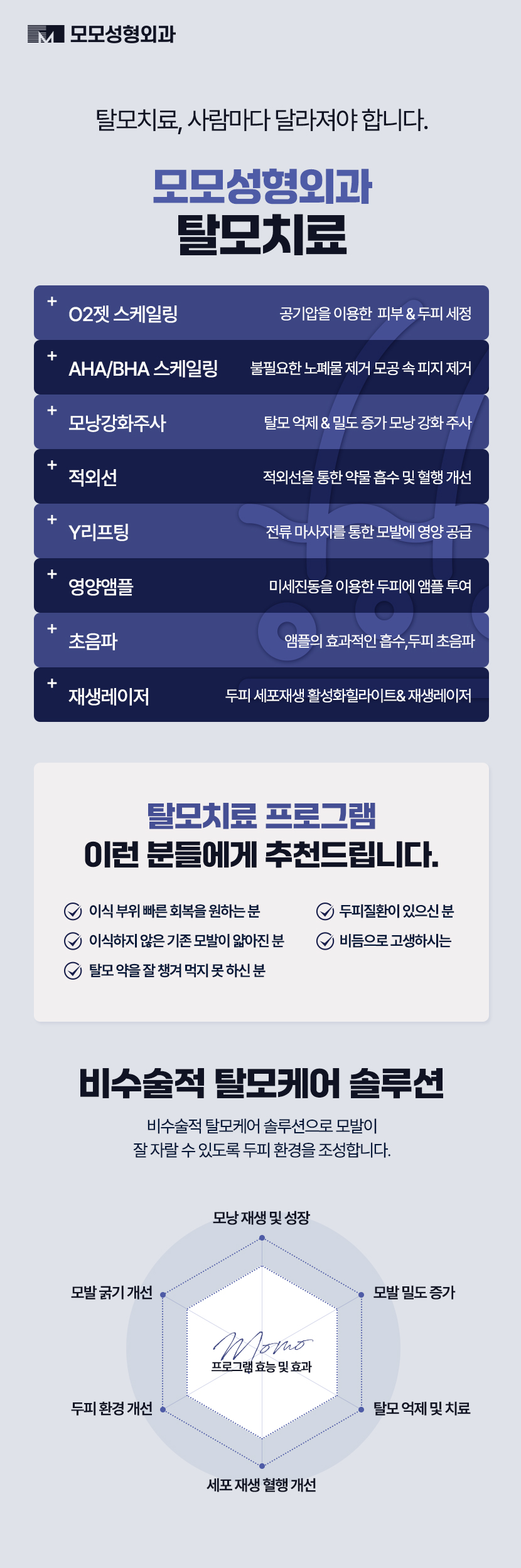
Therefore, even in daily life where you are taking care of childcare, work, and other responsibilities, it can be helpful to practice habits and methods that can gradually help resolve postpartum hair loss.
If you try a full scalp massage in a completely dry state, divided into morning and evening, about twice a day, it may have a positive effect on waste removal and blood circulation. Also, when washing and drying your hair, it is helpful to pay attention to the water temperature and the temperature of the air.
It is best to avoid overly hot temperatures and wash and dry with lukewarm or cool temperatures. In this way, it is advisable to always pay attention to the cleanliness of the scalp and hair, and it is also important to eat a balanced, healthy diet that includes essential nutrients such as protein, carbohydrates, fats, and vitamins.
However, if you have tried to establish such habits and methods, investing a great deal of time and effort, but there is no sign of improvement and postpartum hair loss is not being alleviated and is instead getting worse, do not delay any longer. It is advisable to visit a relevant institution and receive a thorough consultation and diagnosis to determine whether the symptoms you are experiencing are simply a temporary condition or have expanded into another type of disease, and then decide on the appropriate measures.
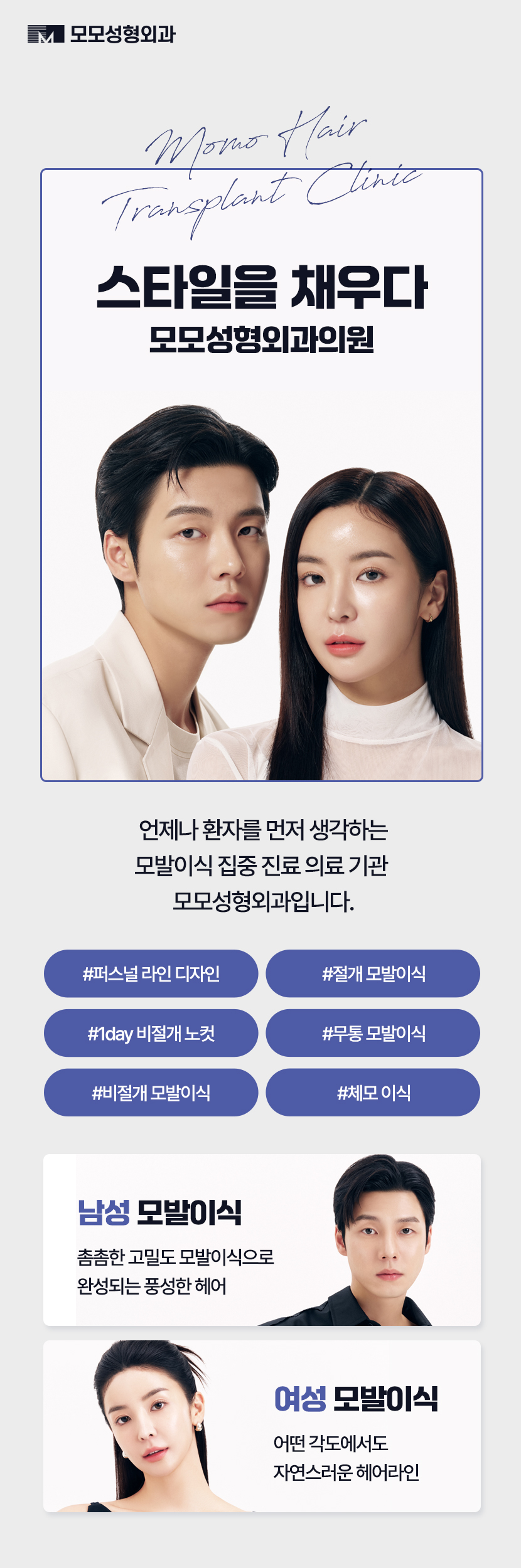
If the situation has become more serious than ordinary symptoms, you may consider hair transplantation, in which your own hair follicles from the occipital area are extracted and transplanted into the area of concern. This can help you look forward to a moment when you can maintain a very natural appearance while also achieving abundant hair volume and a hairstyle that harmonizes with your face shape and features, just like before.
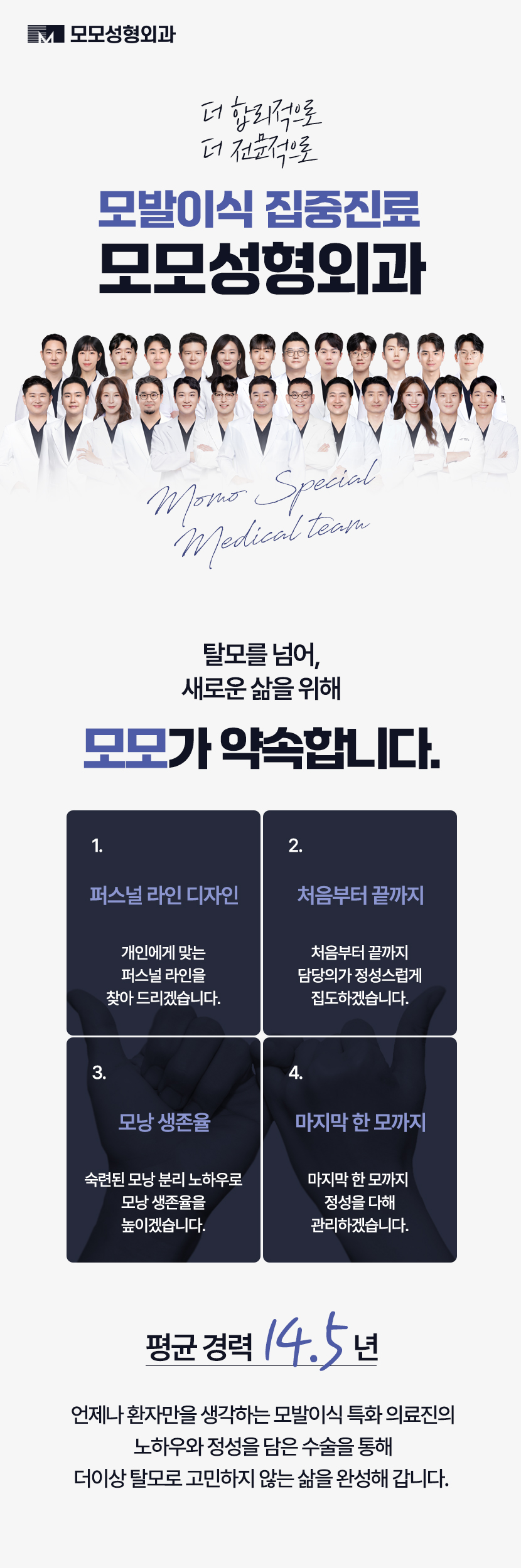
If you are considering hair transplantation in this way, or are repeatedly 고민ing during the selection stage, it is advisable to carefully examine essential criteria related to the solution before making a decision with a thoughtful mindset. These include whether the doctor performing the procedure has abundant experience and case data accumulated over many years, whether they possess a high level of skill, technique, and know-how, and whether systematic aftercare is provided through personalized care throughout the entire process, from the first consultation to the end and through the graft survival period when the transplanted follicles need to settle stably.