After a stretch of scorching heat and abnormally high temperatures that continued day after day for a while,
these days, cooler breezes are blowing in, and I can feel the change of season into autumn, which makes it possible to enjoy outdoor activities like outings and camping without sweating and even feel more positive.
For that reason, even though it is shorter than summer or winter, many people rank autumn as their favorite season.
However, autumn is also a season with large temperature differences between morning and evening, and the climate becomes drier, making it easy for colds and various symptoms to appear.
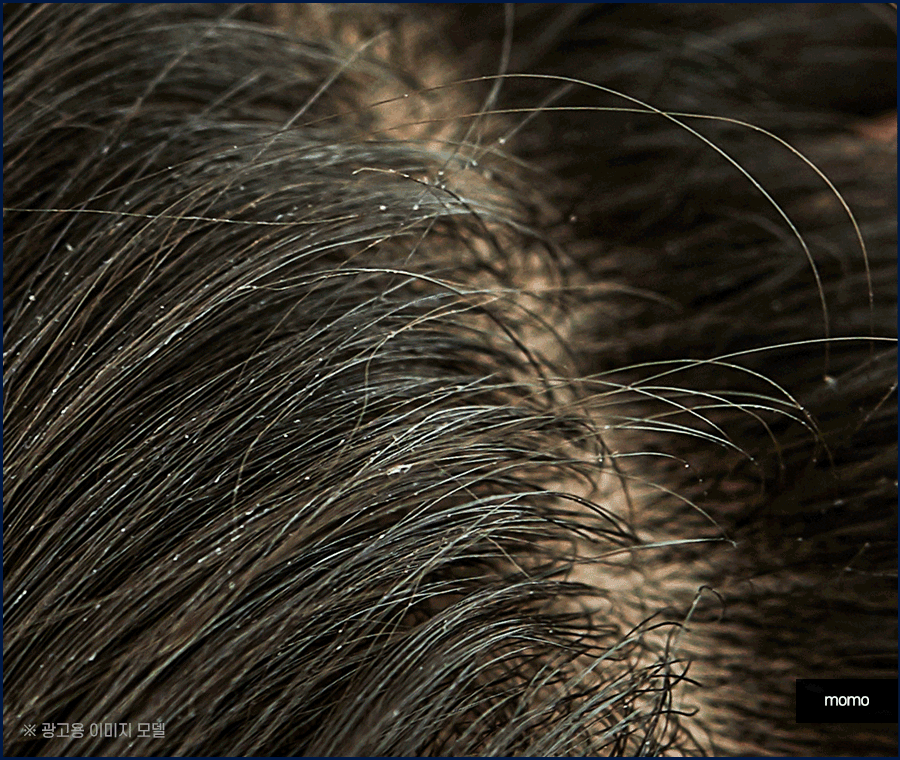
In particular, hair loss is known to be most sensitive during this seasonal transition. As autumn begins, more people notice their hair falling out, and during this period, scalp flakes, residue, and hair loss symptoms reportedly become even worse.
It is said that after a summer of continued high heat and humidity, and with the effects of strong ultraviolet rays disrupting overall balance, the sudden shift to dry weather creates an environment in which hair is more likely to fall out, and dandruff and flakes occur more actively.
In addition, to maintain personal hygiene and cleanliness, we wash our bodies and hair every day.
This is also proof that hairstyles, which play an important role as an element of appearance, carry a significant responsibility.
Because through various design techniques such as color dyeing, perms, and cuts that suit you well, hair can not only create a favorable, positive impression and image, but also serve as a way to express your own unique individuality and charm more fully.
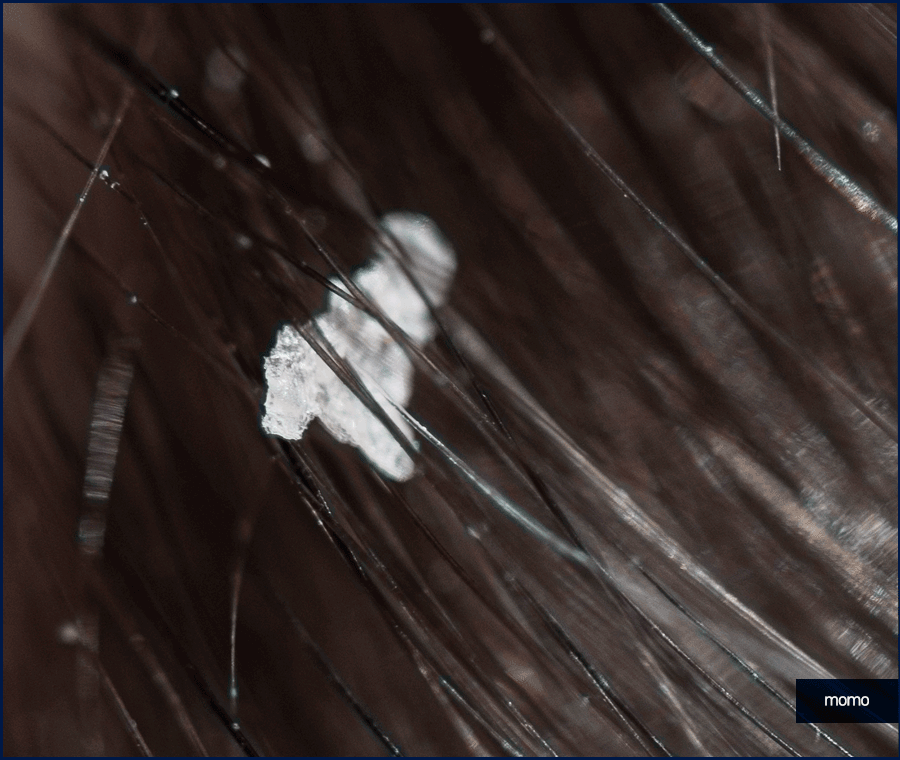
However, despite such careful care, there were more frequent days when white flakes were seen drifting onto the collar, and because itching was also accompanied, the habit of scratching the head often could make others think you were a messy person who did not care about cleanliness, which could lead to a passive state both physically and psychologically, as well as discomfort.
So, even if you kept changing shampoos as a makeshift solution, it was hard to get the desired effect, and you may have wondered whether stress was the cause.
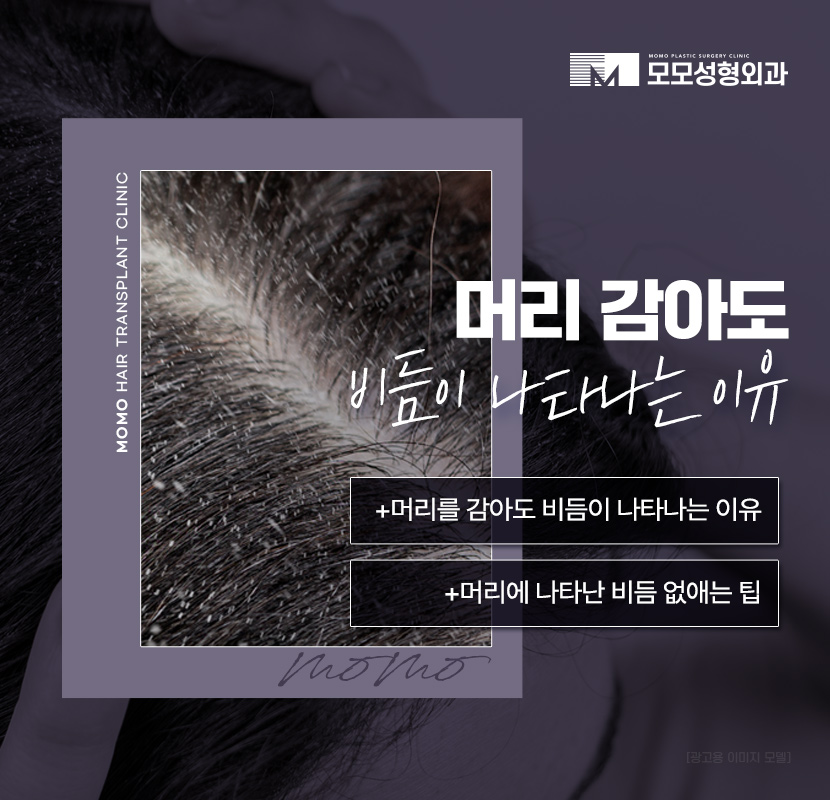
What exactly causes dandruff even after washing your hair, and what are some effective tips for removing it?
In this post, let’s take a detailed look at the reasons dandruff can appear even after washing your hair.
What causes it?
First of all, one cause is excessive sebum secretion brought on by an imbalance in the scalp.
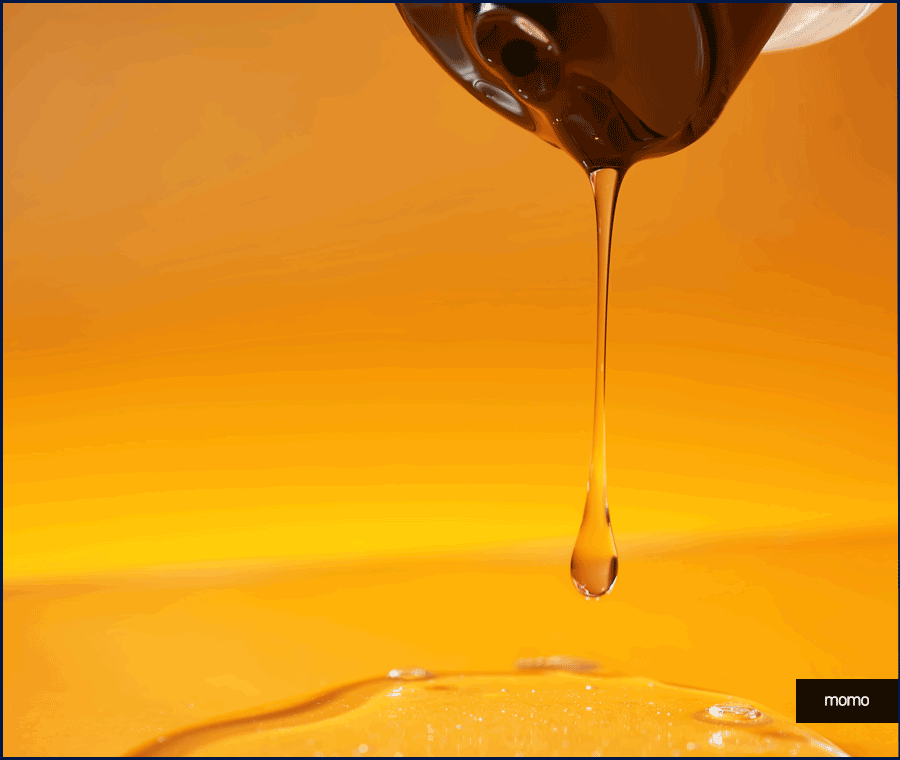
Sebaceous glands secrete sebum, a natural oil, to keep the scalp healthy. However, due to hormonal changes, stress, and lifestyle and dietary habits, sebum may be produced in excess.
If this excessive sebum is not properly removed and builds up, it becomes a cause of white flakes. In particular, in adolescents going through puberty and adult men, sebum secretion increases sharply due to hormonal changes, which can make dandruff more likely even after washing the hair.
Not only that, but when sebum is secreted excessively, a fungus called Malassezia begins to multiply abnormally.
Malassezia is normally present on the scalp, but when it multiplies excessively, it irritates the skin and causes the stratum corneum to shed more quickly, which can trigger the condition.
Also, if you have an oily skin type, it is good to keep in mind that, compared with other types, you have more sebum, which can provide an environment in which Malassezia can thrive.
And as mentioned above, dry weather in autumn or winter, washing your hair too often, or using hot water can dry out the skin as well.
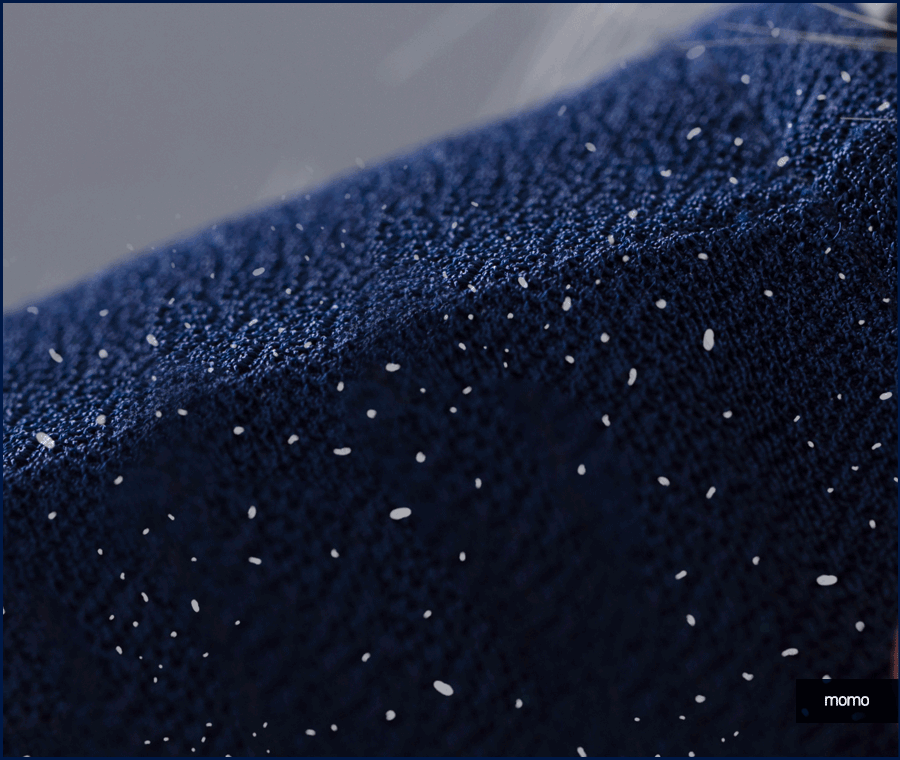
In particular, a scalp in a dry environment has weakened skin-protective functions, so flakes can come off easily and dandruff can appear even after washing your hair.
Also, the dry feeling can irritate the skin and cause itching, and scratching too much can lead to even more serious problems, so keep this in mind.
In addition, using hair care products or shampoos that are not suited to your skin type, washing your hair too frequently, or washing with high-temperature water can irritate the skin and ultimately create an adverse condition in which dandruff continues even after washing your hair.
If shampoo residue remains on the skin, it can cause even more serious problems. For example, people with sensitive skin should use products with mild ingredients and low irritation, and after shampooing, they should rinse thoroughly several times so that no residue remains.
Therefore, if you have been struggling and worrying about dandruff even after washing your hair, it would be good to learn tips that can be easily managed in daily life and practice them consistently.
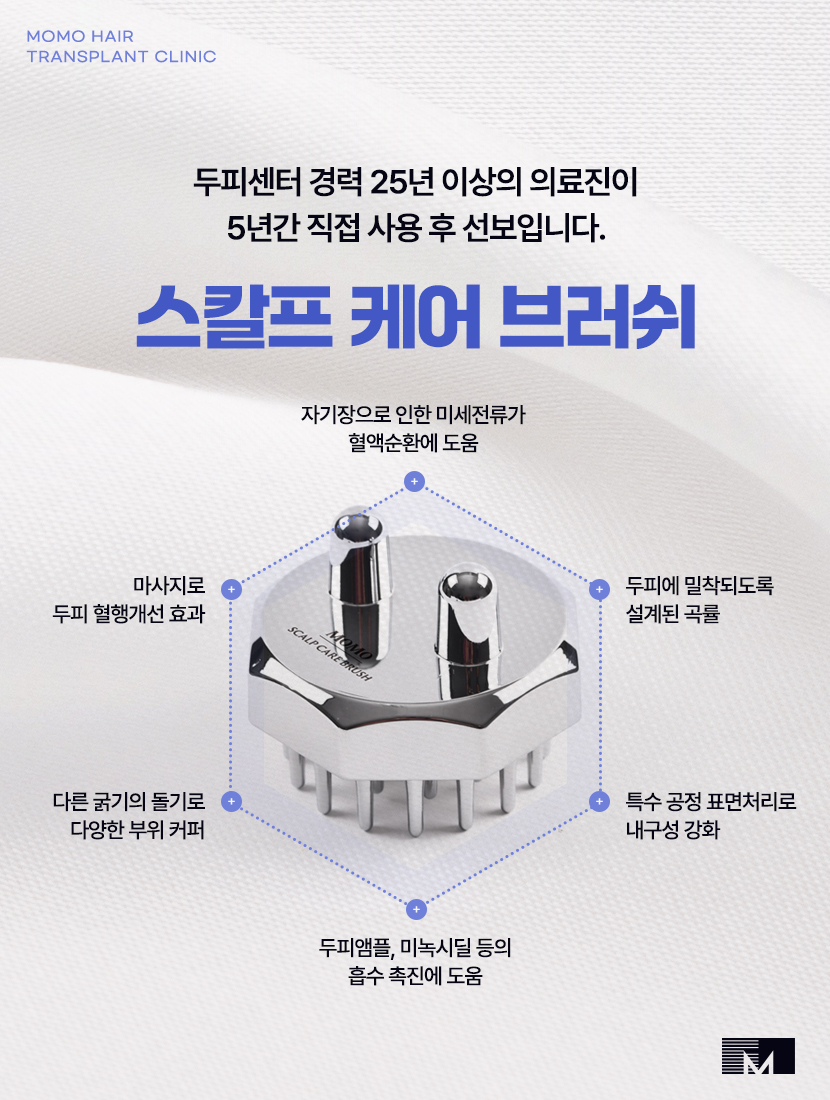
Tips for managing it
As mentioned earlier, it is important to care for your scalp according to your own scalp type.
For dry scalps, it would be good to reduce your usual shampooing frequency to about 1 to 2 times, or to reduce use of the dryer.
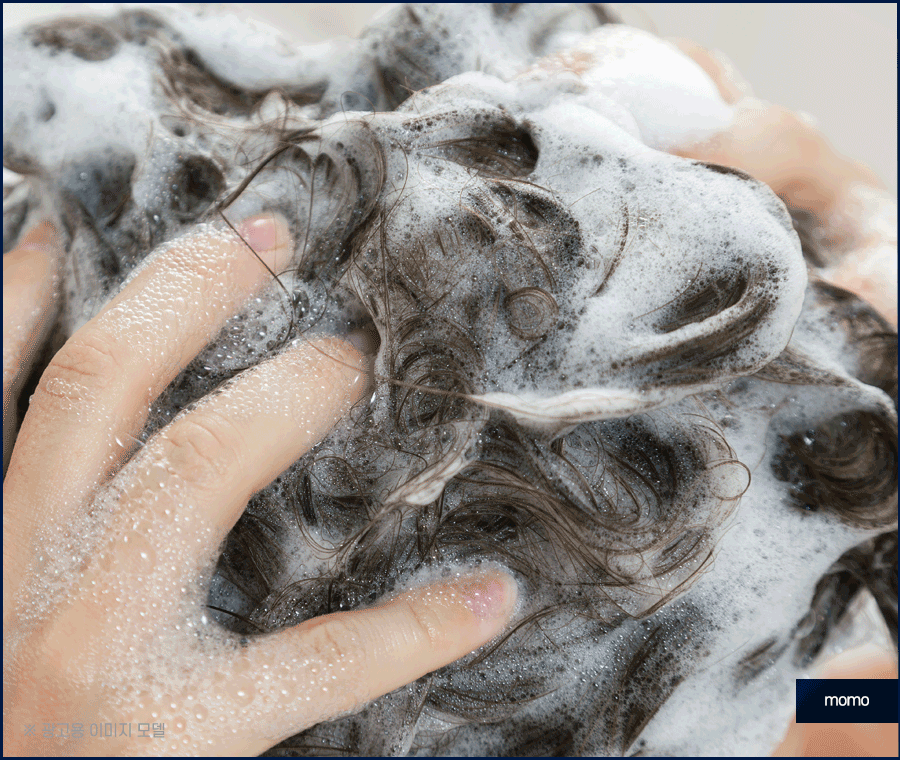
For oily scalps as well, it is best to cleanse at a consistent frequency. If accumulated sebum or dust is not removed regularly, the scalp can become sticky, so it is important to wash carefully.
Above all, remember that frequent inflammation on the scalp makes the skin even more sensitive and can cause seborrheic conditions and folliculitis, and in severe cases, can lead to early hair loss.
A small tip at this time is that using hair products that wash away oil well and cleansing with water that is slightly warmer than lukewarm can be an alternative way to improve these symptoms.

Of course, it is good to pay attention to the health of the scalp and hair, but a regular diet and getting the recommended daily amount of vitamins are also very important.
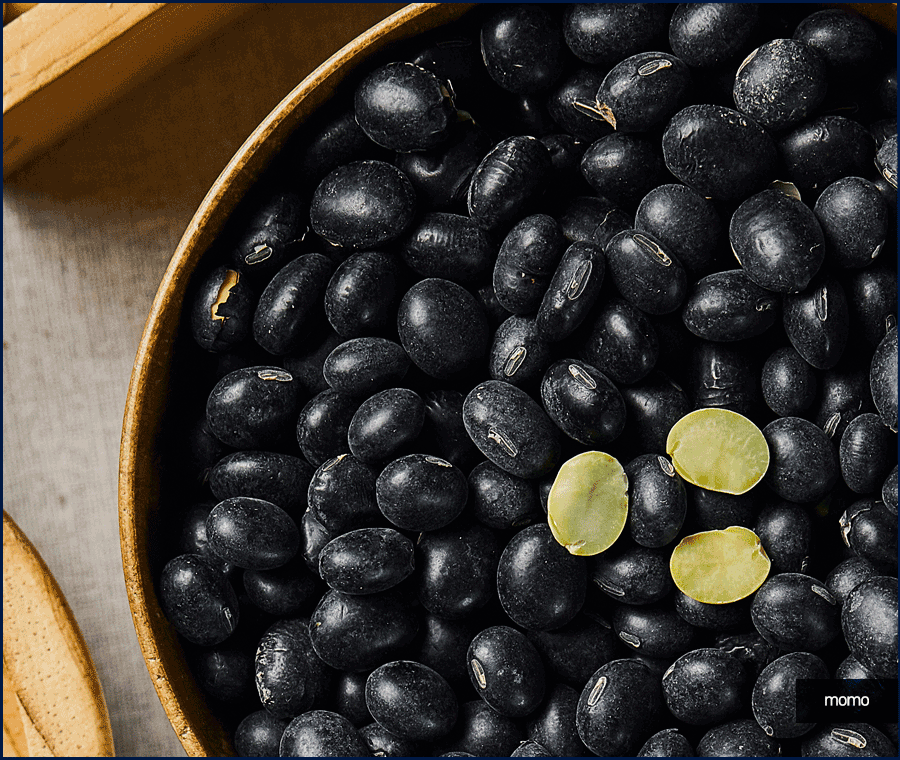
Try to eat vegetables, beans, and similar foods often, and especially vitamins A and B, since they are closely related to skin health, must be taken care of.
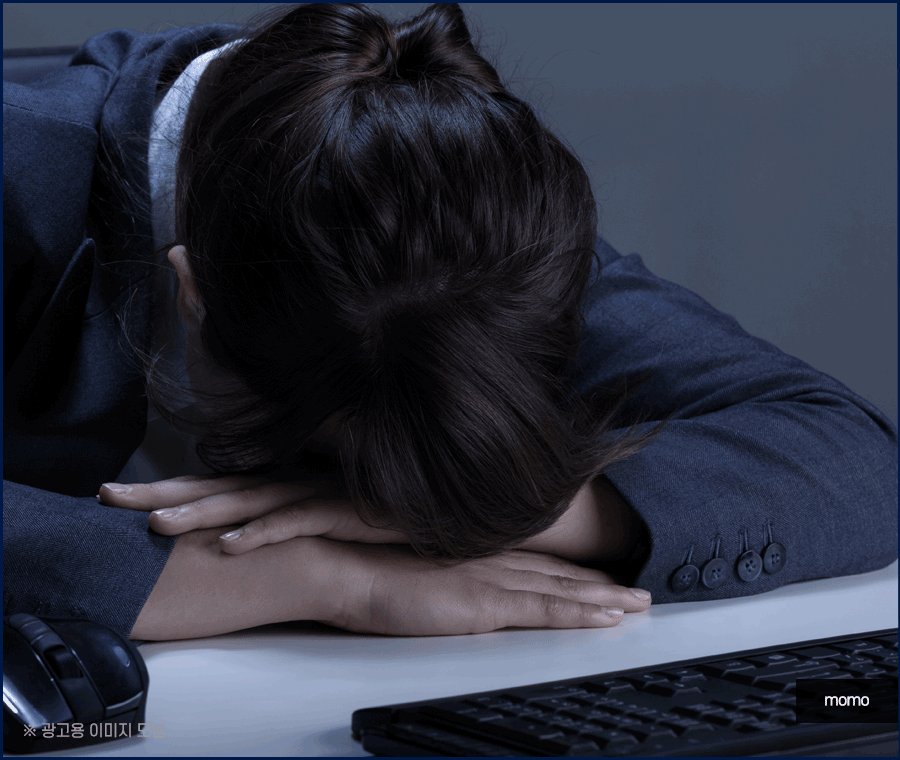
Managing stress is also important. Overwork and lack of sleep can worsen symptoms or act as factors that cause a condition that had improved once to recur, so it is advisable to restore the body’s condition.
In addition, if your symptoms involve flakes caused by a specific inflammation or other condition, rather than continuing to manage it only by improving habits or through home care, it will be an opportunity to visit a relevant medical institution right away and actively pursue appropriate treatment solutions through detailed consultation and diagnosis with the medical staff, allowing you to once again face a healthy scalp and hair condition.