As we gradually get older, various changes can appear throughout the body.
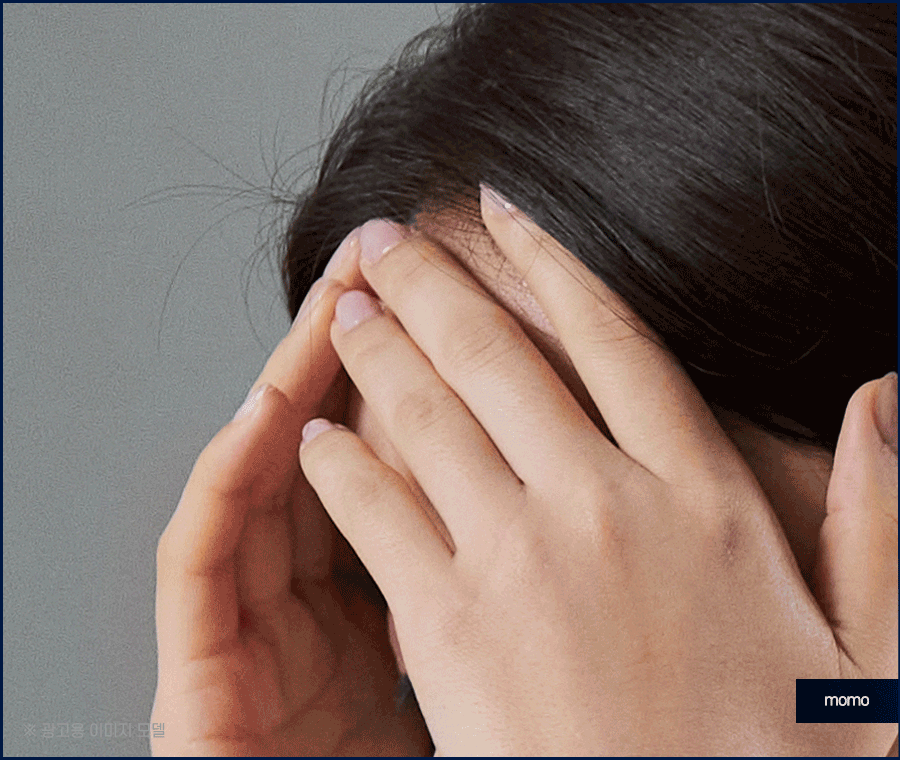
Among them, changes in hair are said to become especially noticeable depending on age and gender.
In men, hair becomes thicker until their teens and 20s, and in women, until their teens through 30s. After that period, it gradually begins to become thinner—starting in the late 20s for men and the late 30s for women.
Of course, there are clear individual differences in these changes, but in most cases, noticeable signs appeared around the periods mentioned above.
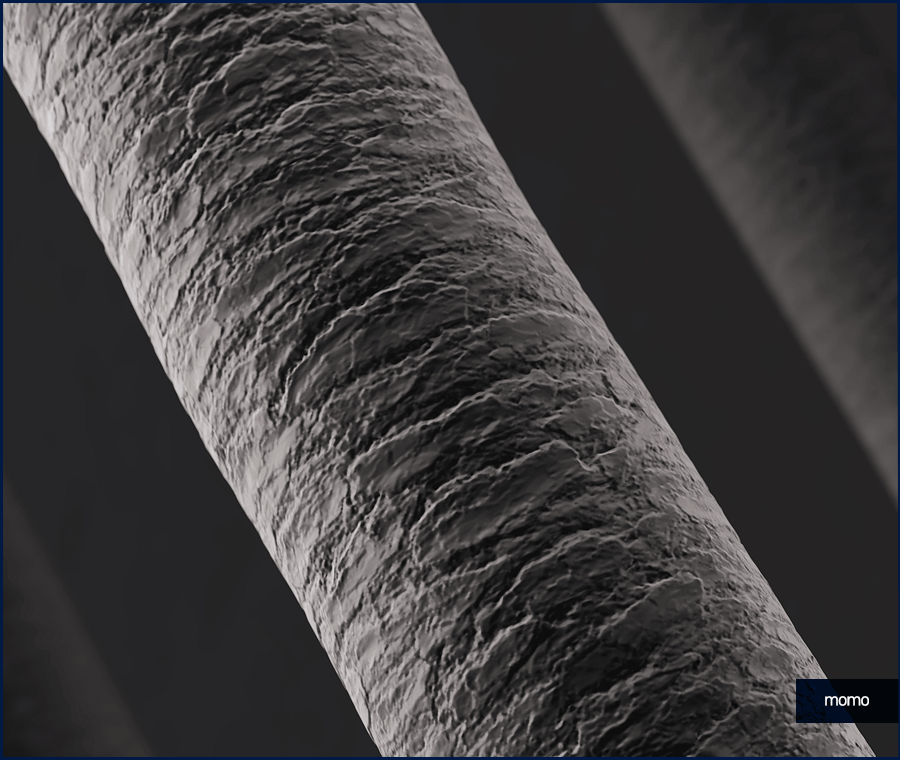
Nevertheless, if you style your hair with a naturally full and shiny appearance that suits you well, it can create a favorable impression and a positive image and atmosphere. It is no exaggeration to say that it also helps further enhance and express your unique personality and charm, which is why many people carefully manage their appearance and always pay attention to grooming.
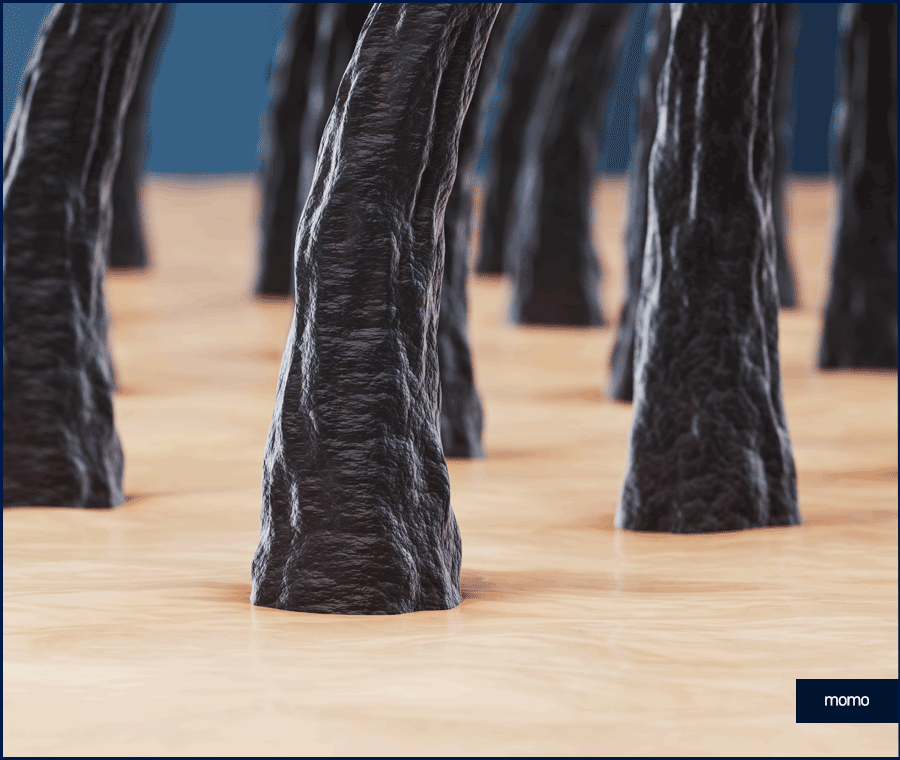
However, despite these efforts, hair thinning can occur for various reasons.
Hair can become thinner due to natural aging, genetic factors, poor nutrition, hormonal changes, excessive stress, and habits in a busy daily life that disrupt regular routines.
If you neglect thinning hair with the complacent thought that it will naturally get better without taking proper action, it can spread seriously and eventually worsen into hair loss.
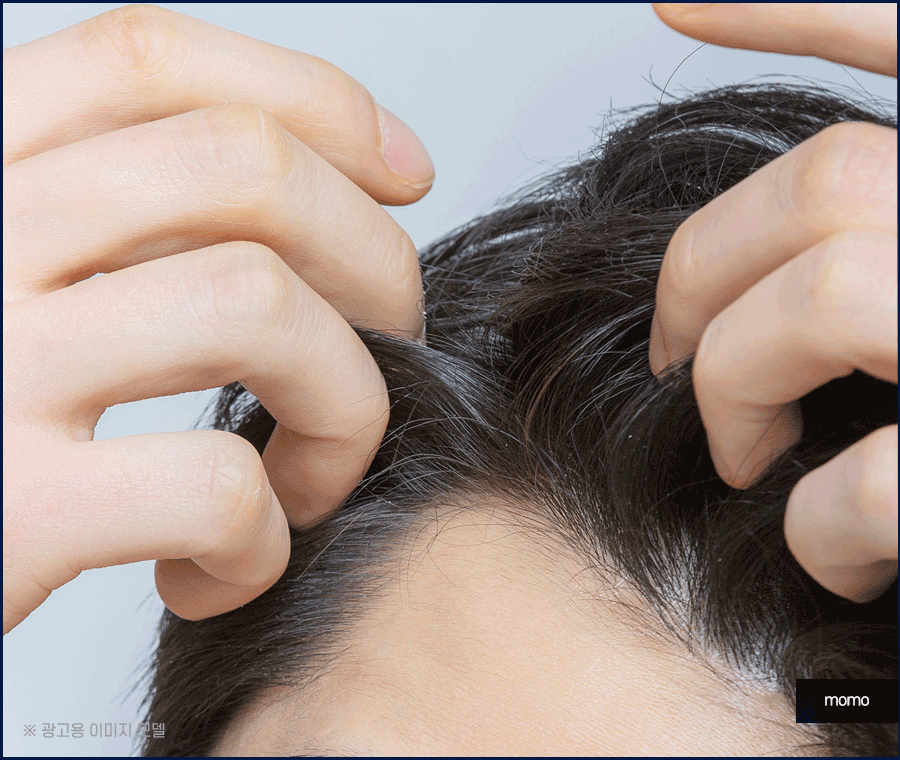
This can also quickly become a physical complex, lowering confidence and leaving you psychologically very withdrawn, making everyday life difficult and potentially leading to depression or social avoidance.
Therefore, if you are worried about weak, thinning hair, it is important to manage it so that you can regain a healthy condition through methods you can try yourself to thicken hair.
To do that, it should start with a detailed look at the fundamental reasons hair becomes thin.
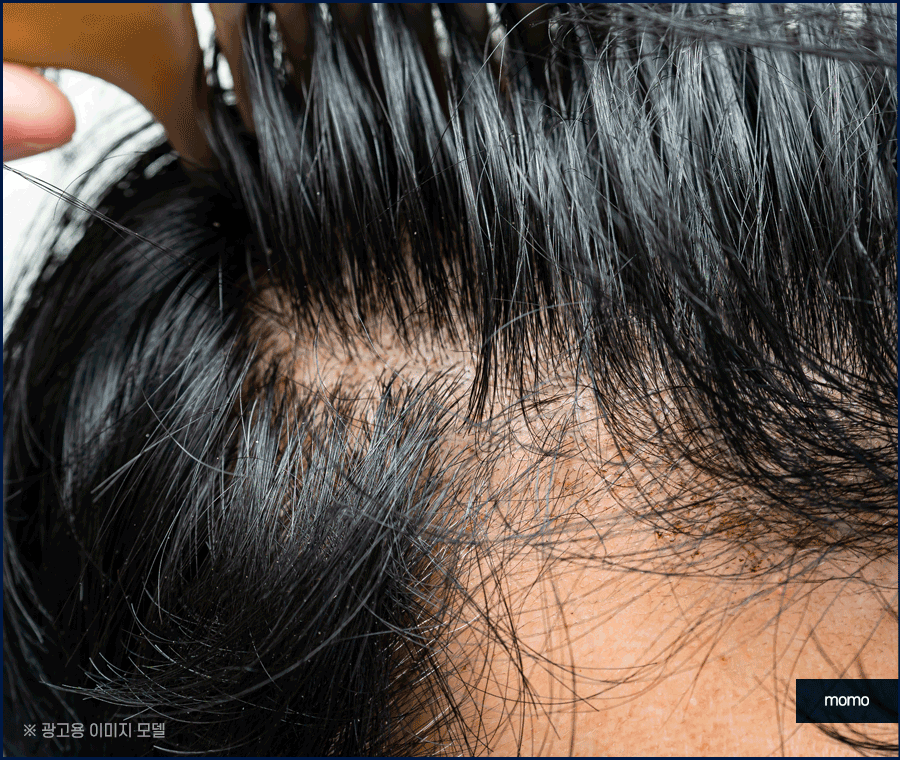
It is mainly a timing when blood circulation in the scalp is not smooth, so the necessary nutrients are not properly delivered, or when nutrient intake is insufficient. In other words, a solution for thickening hair can be achieved only when enough nutrients are supplied to the scalp and hair.
Therefore, among ways to thicken hair, having the mindset to improve everyday habits that you may do unconsciously can be helpful.
- Decide how often to wash it
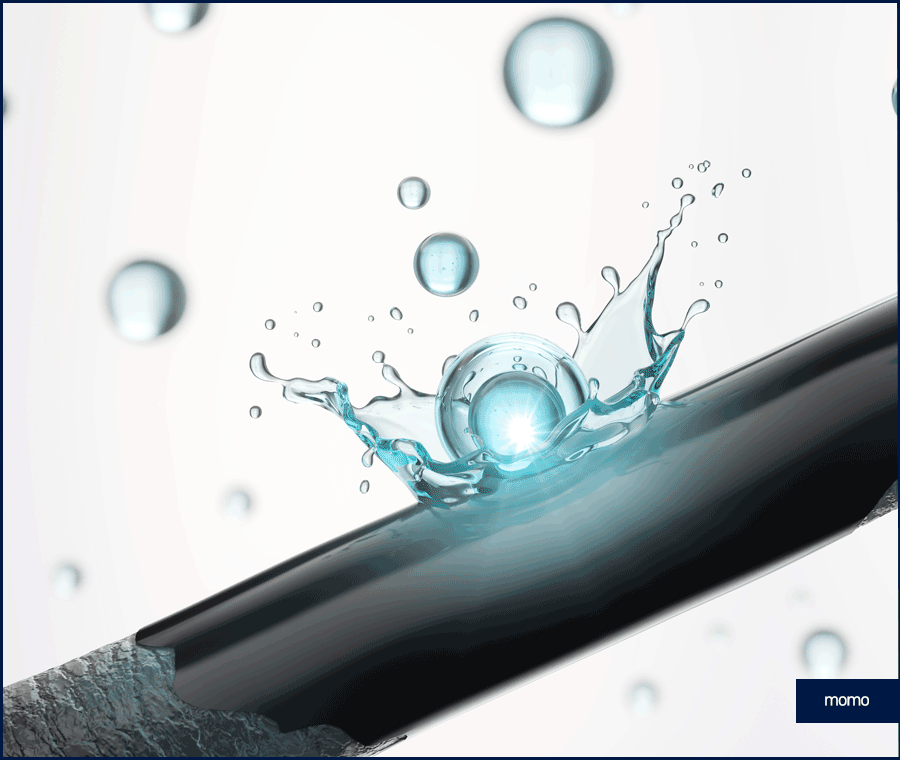
The natural oil produced by hair serves a protective function against external factors, but if you shampoo too often, the oil can be washed away excessively, which may weaken the hair and make it thinner, so caution is needed.
Therefore, it is important to set an appropriate washing frequency according to your scalp type. For dry scalp, about once a day or once every two days may be suitable depending on the condition of the hair, while for oily scalp, shampooing once or twice a day by increasing the frequency may be appropriate.
- Frequency of using a dryer and flat iron
Also, among common bad habits, being careful with this action can become a way to thicken hair: reducing the use of hair dryers and flat irons.
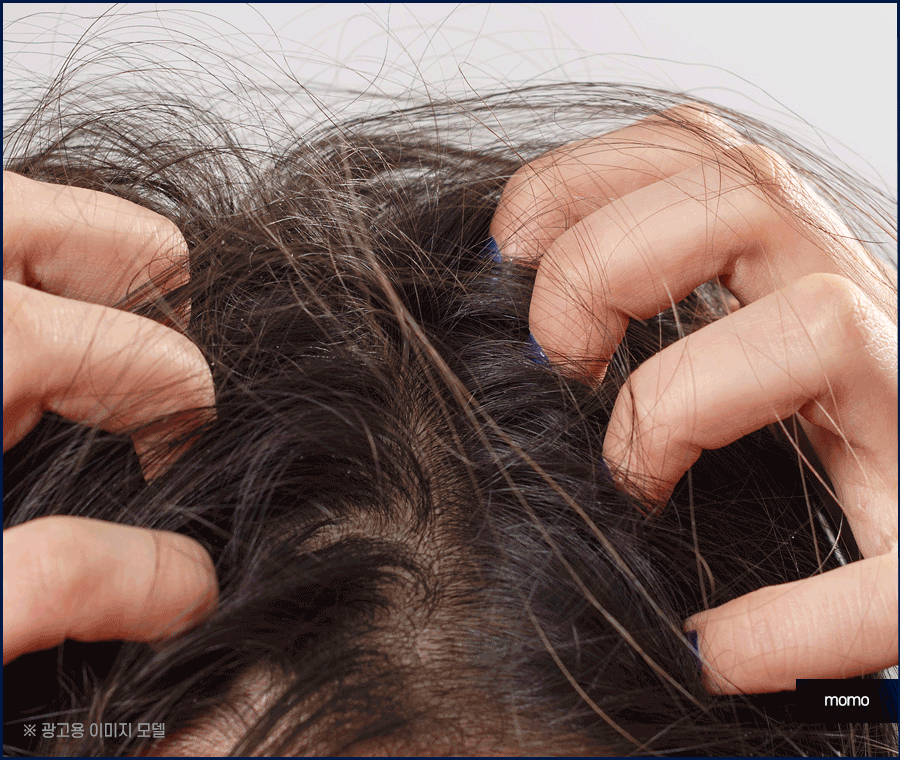
When styling with these hair tools, exposure to hot air and heated plates is unavoidable. If hair is frequently exposed to high heat or irritation, it can easily become dry, lose elasticity over time, and thin out. It may also lead to hair loss, so caution is necessary.
- Scalp massage
Using a dedicated oil to massage the scalp and hair overall is also considered an effective alternative among ways to thicken hair.
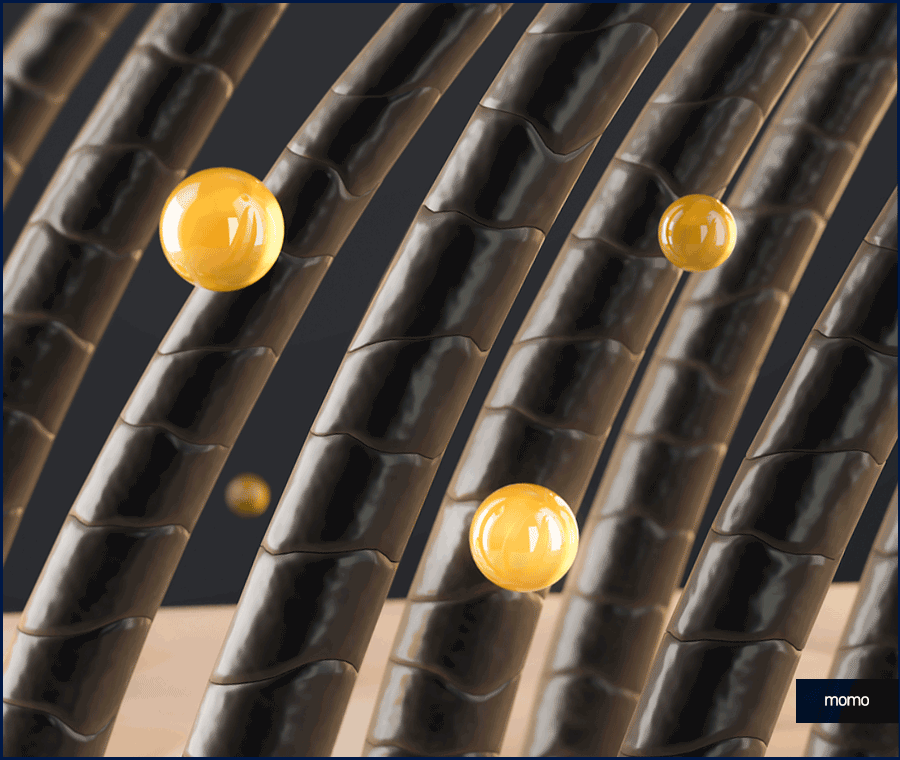
Through the nutrients contained in the oil, you can strengthen the hair follicles and help restore thinning hair. In particular, coconut oil is known to have a positive effect on hair follicles, and products containing thyme, chamomile, and rosemary can also help with scalp massage and follicle strengthening.
- Get good nutrients
Eating a balanced variety of foods made with ingredients that are beneficial for hair can also be an efficient way to thicken hair. If you consistently follow such a diet, it will strengthen the roots and create an opportunity to prevent hair loss and restore thinning hair.
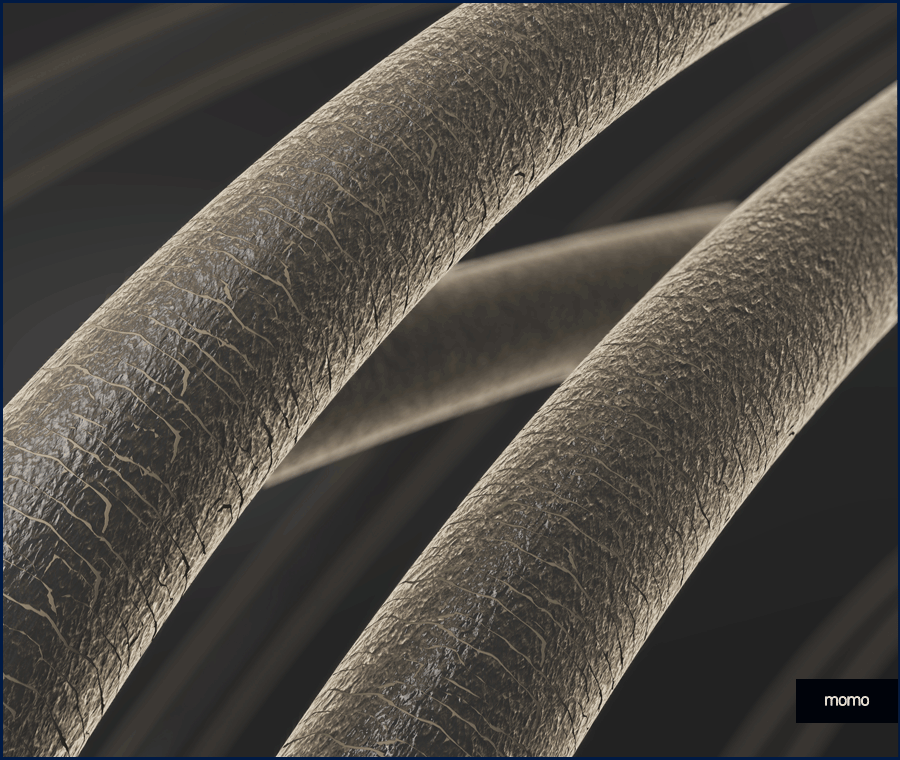
Seaweed such as miyeok and dashima is rich in ingredients like iodine and calcium, which are said to help promote hair growth and supply the nutrients needed to maintain elasticity and strength.
Also, the vitamins A, D, and E contained in dashima help regenerate dull, thinning hair, and avocado is also said to contain about 20 different vitamins and minerals in abundance, so please keep that in mind.
- Regular scalp scaling
Regular scalp scaling can also be an effective method.
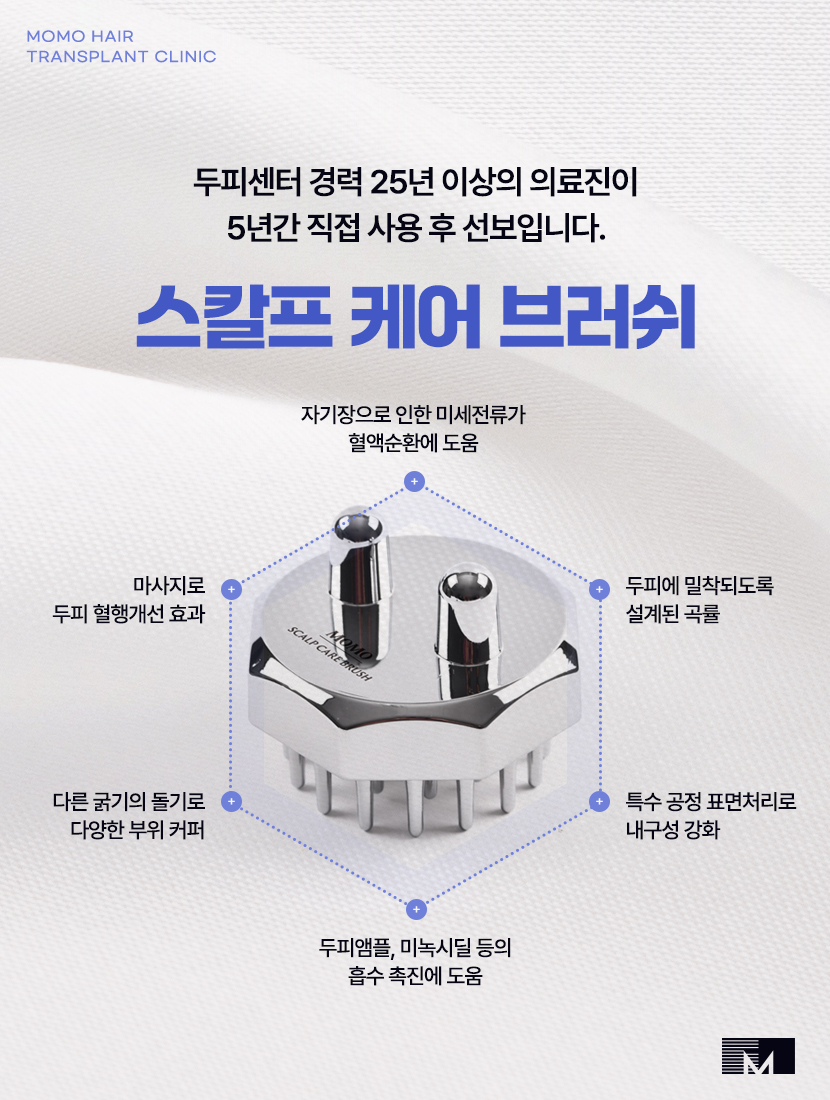
These days, related home care products are available, but if you find it difficult to do it yourself, visiting a relevant institution to closely examine your current hair condition and trying a care solution suitable for it can also become an opportunity to regain a healthy condition.
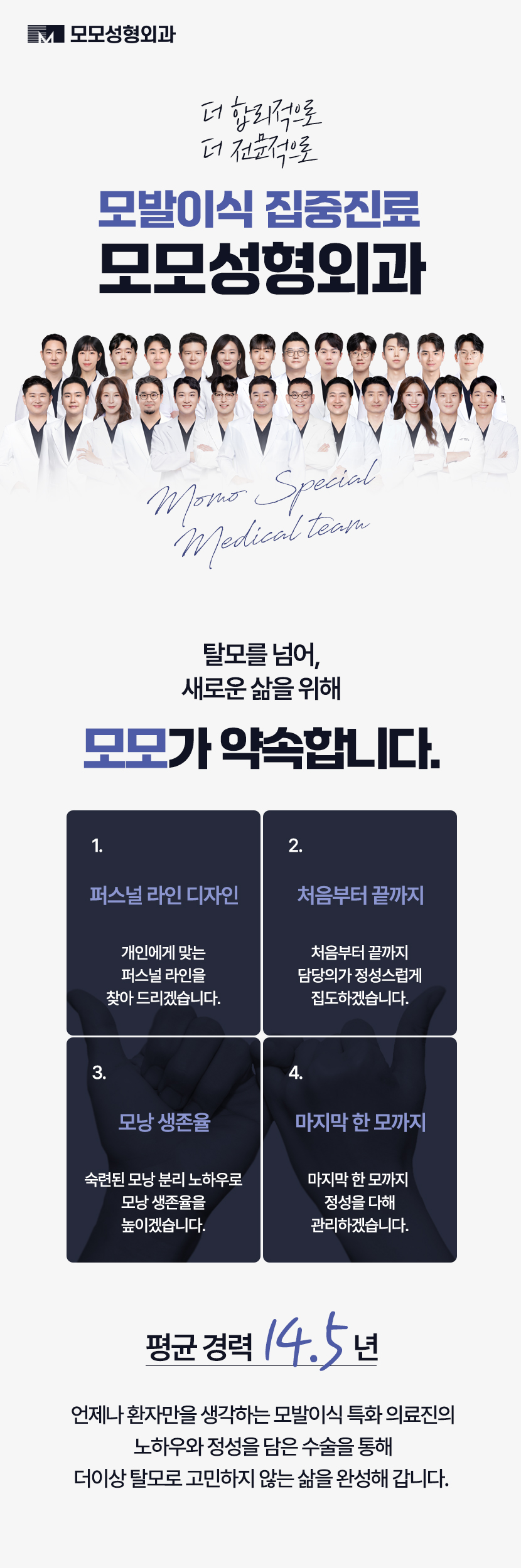
If you have made efforts to improve the habits and lifestyle patterns mentioned above but do not feel any improvement, or if things are getting worse, it is most important to visit a relevant institution immediately and receive detailed consultation and diagnosis.