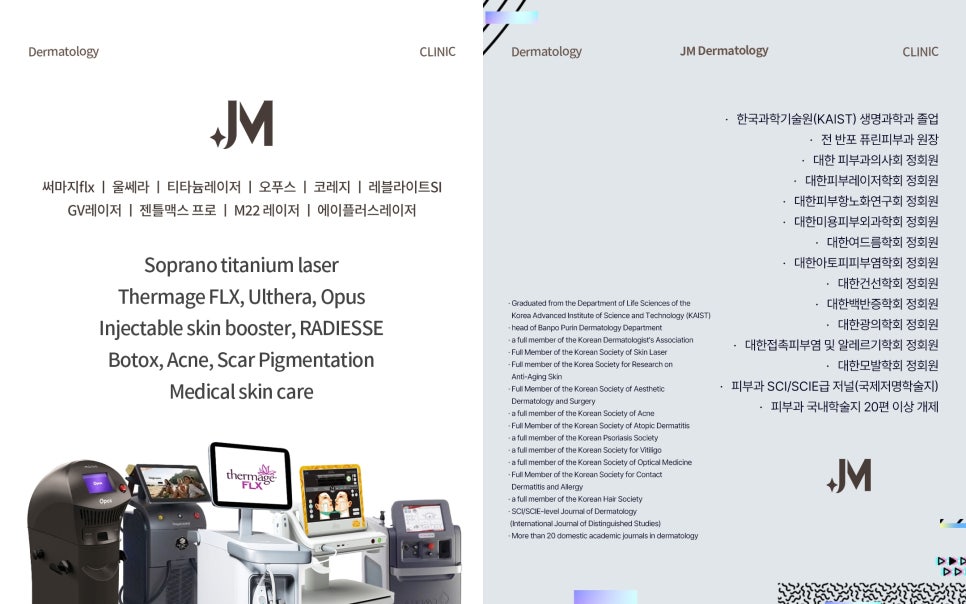
In today’s dermatology treatment environment,
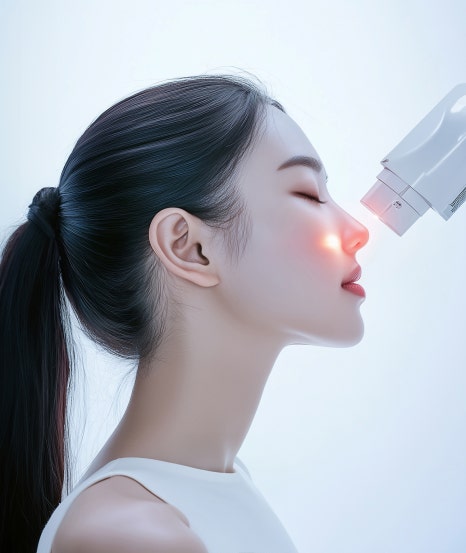
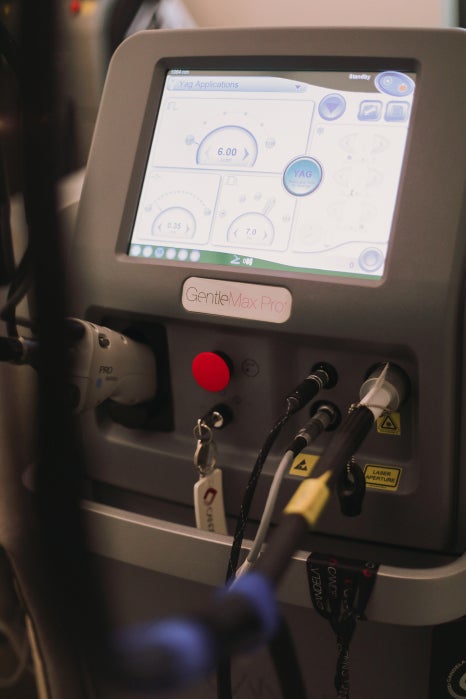
AI, skin analysis devices, and laser technology are
becoming increasingly sophisticated.
At JM Dermatology near Gangnam Station,
these technologies are also used as
reference points during the treatment process.
However, device-based analysis is
only a matter of “reference.”
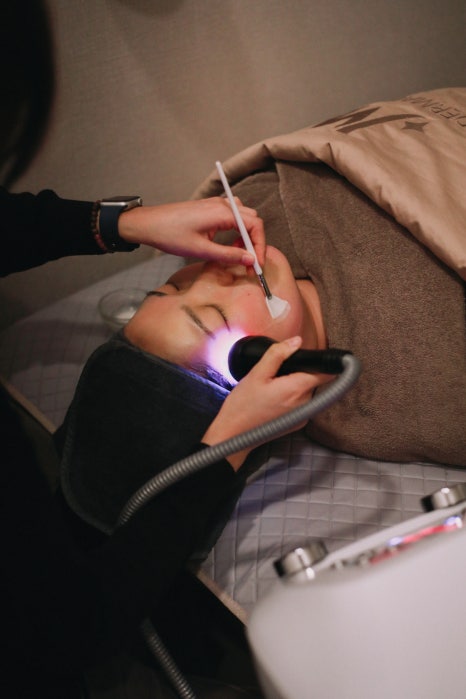
Being able to touch the skin directly and check
texture, that is, the skin’s grain, thickness, and reactivity,
as well as the process of comprehensively considering
each individual’s different characteristics,
still has limits when it comes to technology
fully replacing it.
In the end,
the process of selection, design, and combination
is not determined by data alone,
but must also involve judgment
based on the actual skin.


The area technology cannot replace
As technology advances, there are actually
greater points of clarity.
How far a change can remain natural,
how to bring out the strengths of one’s
unique skin,
and how much of that harmony
should be maintained.
The process of setting these standards
is difficult to decide based on
simple numbers or data.
Also,
even with the same device and the same conditions,
the direction of the result can vary depending on
how the procedure is designed
and how it is applied.
At this point, what matters is
the judgment used to set the direction
and the subtle differences in manual technique
during the procedure,
I believe.
On the other hand, there are clearly areas where
technology is absolutely necessary.
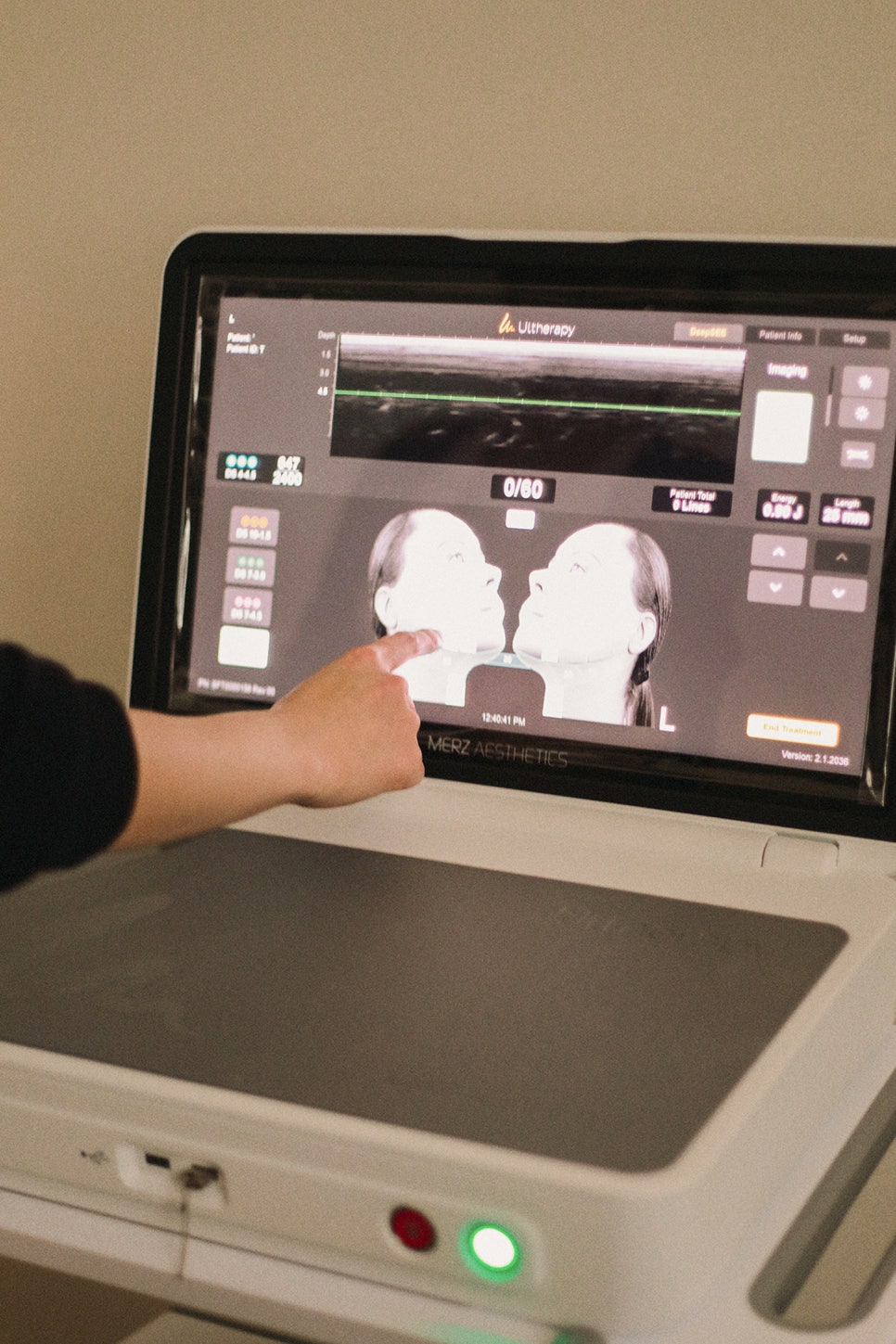
This includes the process of analyzing the skin condition
and the part where the changes expected after the procedure
are understood and explained more objectively.
In particular, the process of visualizing
predictable skin changes
plays an important role in communication with patients.
Technology
serves as a tool to support diagnosis and aid understanding,
and I believe it is meaningful in that it helps improve
the accuracy of care.
How a KAIST-based way of thinking
affects treatment
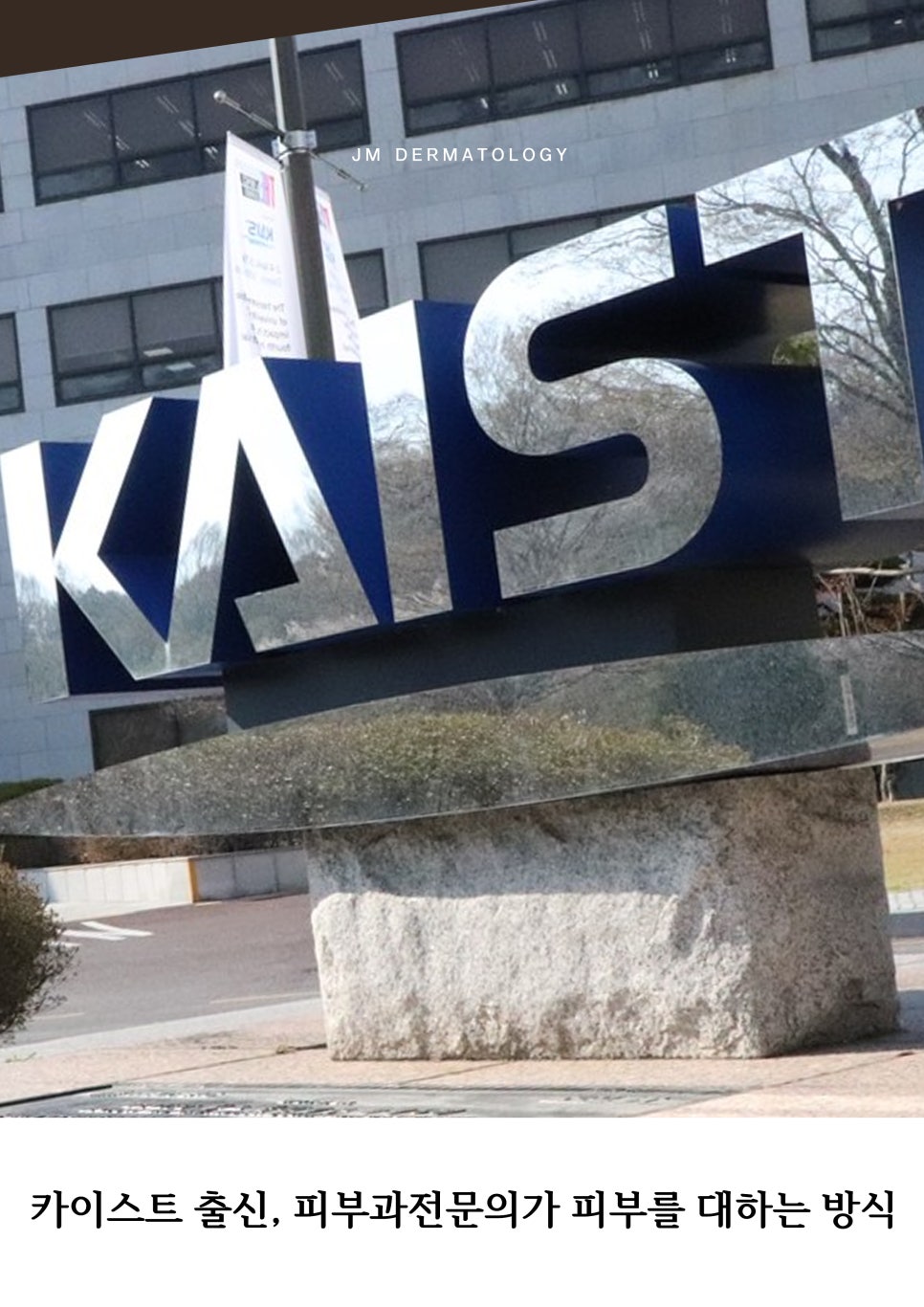
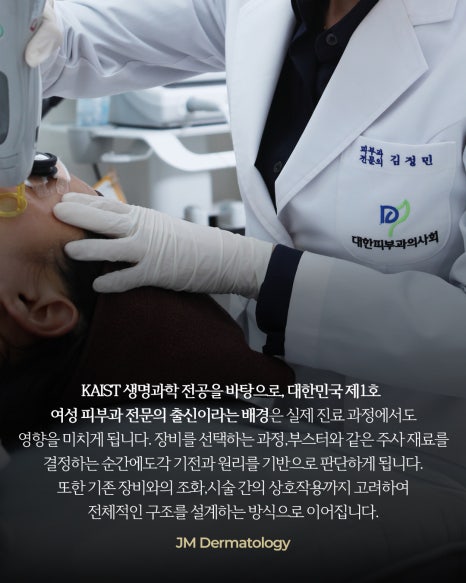
Based on a major in life sciences at KAIST,
the background of being Korea’s first
female dermatologist specialist
also influences the actual treatment process.

The process of selecting equipment,
even the moment of deciding on injectable materials
such as boosters,
is judged based on each mechanism and principle.
In addition, this leads to a way of designing
the overall structure while considering harmony
with existing equipment and interactions between procedures.
This process is
closer to a decision made within a logical framework
than a simple choice.
Even when performing procedures,
I want to place importance on the process of
explaining each mechanism and principle,
as well as the expected results,
to the patient in advance.


JM Dermatology near Gangnam Station
believes that rather than emphasizing the phrase
“AI cutting-edge,”
it is more important to know how to understand
AI and technology,
how far to use them,
and what limitations they have.
Rather than simply following technology,
we verify it, judge it, and use it.
Based on that standard,
the direction of treatment is decided.
And at this point,
the meaning of the science JM conveys
becomes clearer.

The slogan of JM Dermatology near Gangnam Station,
“Adding science to beauty,”
does not simply mean
using technology itself.
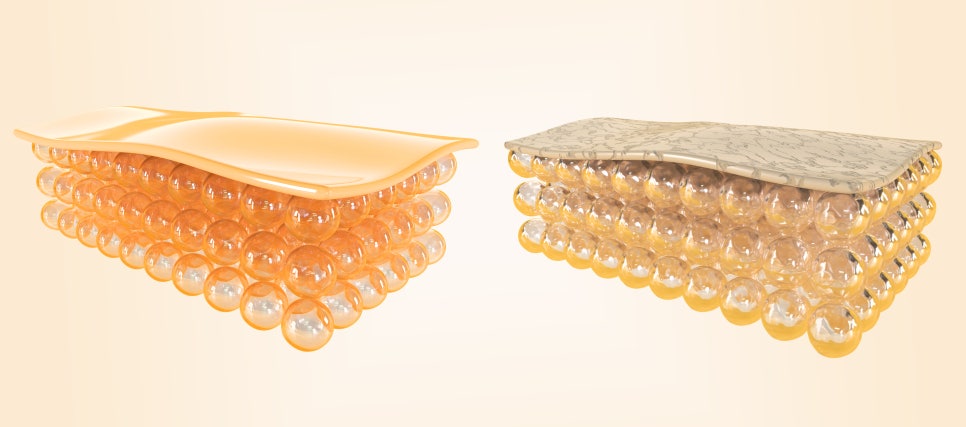
The process of understanding the structure of the skin,
and designing a direction based on the principles of change.
And in that process,
using technology as a tool.
That is the scientific approach
JM believes in.

Technology continues to advance,
but skin still reacts differently
from person to person.
So rather than putting technology first,
JM Dermatology near Gangnam Station focuses more on
how to understand that technology
and according to what standards
to apply it.
Not creating results,
but designing things so that results can
follow naturally.
At the center of that
is JM’s treatment philosophy:
“Adding science to beauty.”