Causes of Orthostatic Hypotension
What If You Feel Dizzy When Standing Up After Sitting?
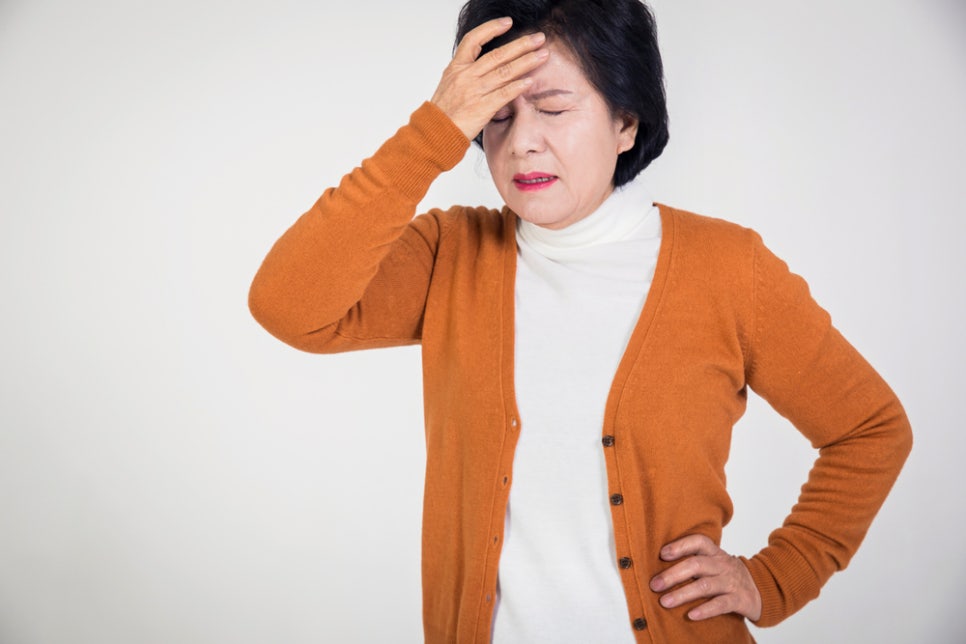
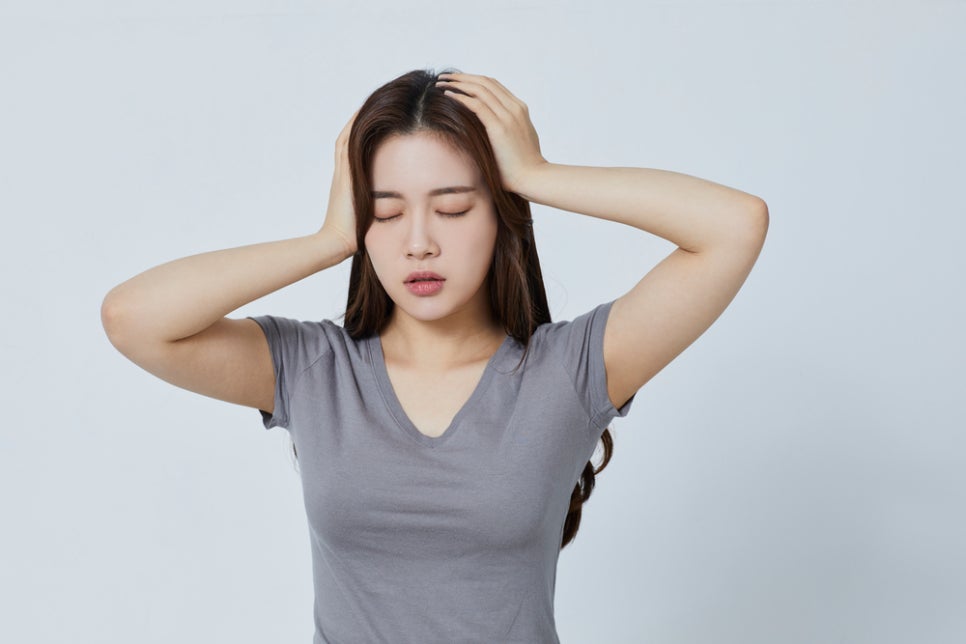
When you suddenly stand up after lying down or sitting, and you feel a headache and
severe dizziness, this falls under the symptoms of orthostatic hypotension.
If the symptoms are severe, dizziness and fainting can cause you to fall and sustain trauma such as bruises or fractures.
Today, I’ll look at the causes and symptoms of orthostatic hypotension and explain how to help prevent it.
 Orthostatic Hypotension Symptoms
When you stand up from a seated position, blood tends to pool in the lower body due to gravity, and the autonomic nervous system reflexively causes the muscles and blood vessels in the lower body to contract.
Orthostatic Hypotension Symptoms
When you stand up from a seated position, blood tends to pool in the lower body due to gravity, and the autonomic nervous system reflexively causes the muscles and blood vessels in the lower body to contract.
To reduce this effect, blood pressure temporarily decreases by about 10 to 15 mmHg, which can suddenly cause dizziness.
The typical symptoms of orthostatic hypotension include seeing white in front of your eyes, losing your balance and collapsing, and experiencing dizziness, lethargy, and nausea.
 Causes of Orthostatic Hypotension
Orthostatic hypotension can become more severe due to aging.
Causes of Orthostatic Hypotension
Orthostatic hypotension can become more severe due to aging.
As you get older, the speed at which the cardiovascular system can respond gradually slows, so blood pressure can drop momentarily and blood flow to the brain can decrease, making dizziness more likely to occur.
It can also occur if you drink alcohol or if you are severely dehydrated, so it is best to be careful.
Taking a bath or a half-body bath in a bathtub for a long time can also cause the blood vessels in the lower body to dilate, making you feel as if your head is spinning when you suddenly stand up.
Orthostatic hypotension can also be caused by underlying conditions such as brain disease or diabetic peripheral neuropathy, so if the symptoms are severe, it is best to visit a hospital for an examination.
In addition, medications you take regularly can also trigger orthostatic hypotension.
The main medications that can cause orthostatic hypotension include diuretics, antihistamines, antidepressants, and treatments for benign prostatic hyperplasia, which are commonly prescribed for high blood pressure.
If you have symptoms of orthostatic hypotension, check whether you are taking any of the medications above and adjust the medication through consultation with a specialist.
 Prevention
First, it is important to identify and correct the causes of orthostatic hypotension, and if the cause is difficult to resolve, such as aging or diabetes, it is best to raise your body slowly when getting up.
Prevention
First, it is important to identify and correct the causes of orthostatic hypotension, and if the cause is difficult to resolve, such as aging or diabetes, it is best to raise your body slowly when getting up.
Also, for people who normally have low blood pressure, lying down with a pillow or cushion placed under the lower body and keeping the legs elevated may help.
You should make sure to get enough nutrients through a balanced diet, and it is also important to drink enough water and consume an appropriate amount of salt.
When you drink alcohol, blood vessels dilate and blood pressure drops, which can worsen orthostatic hypotension symptoms, so it is best to avoid it as much as possible.
Symptoms can also appear if you sweat a lot, have severe diarrhea, or take diuretics. In such cases, drinking water and consuming a small amount of salt may help.
Today, we looked at the causes, symptoms, and prevention of orthostatic hypotension. I hope this helps you manage your blood pressure.