5 Benefits of Basil and
Side Effects

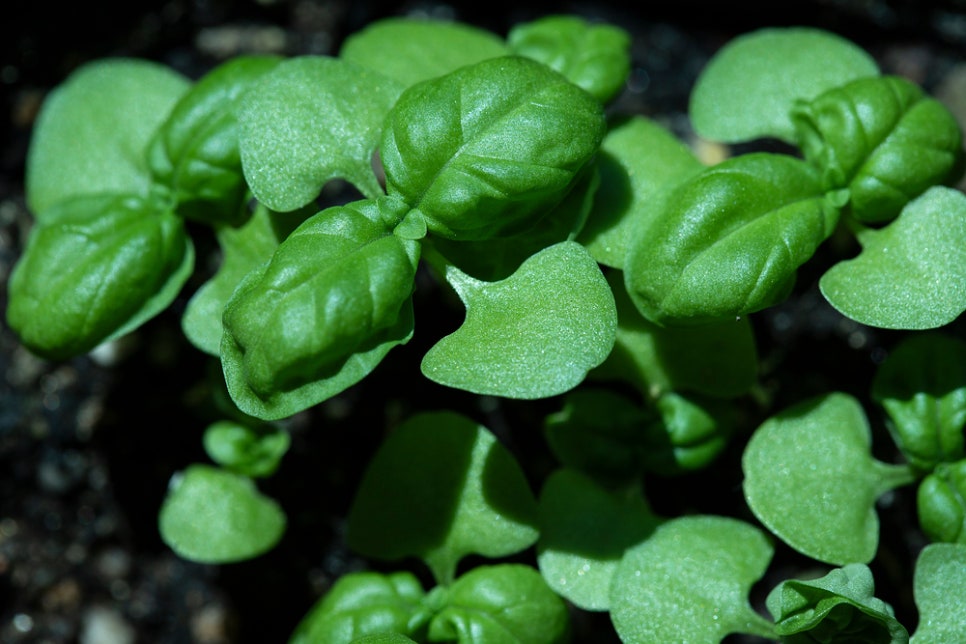
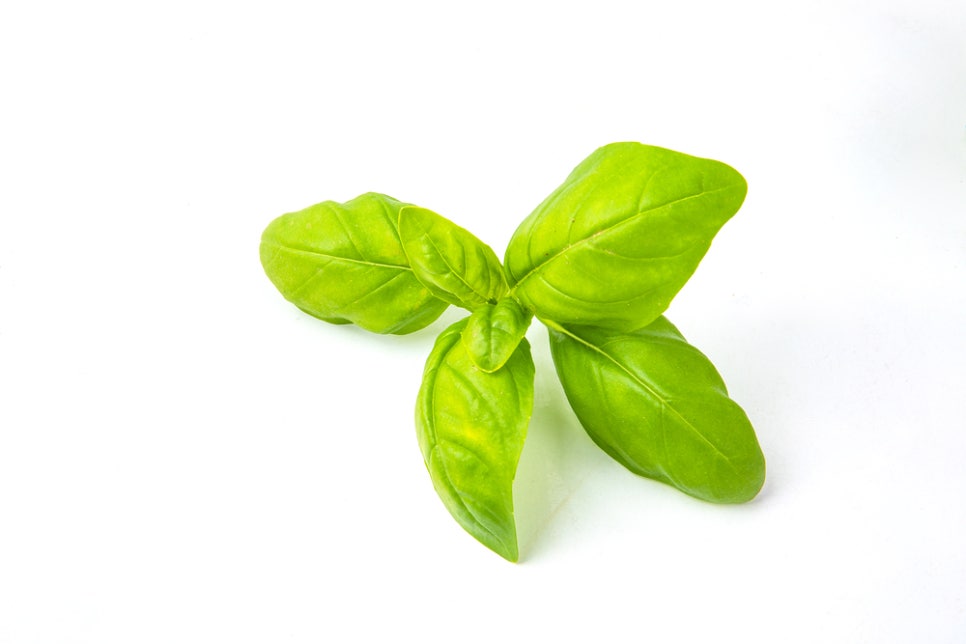
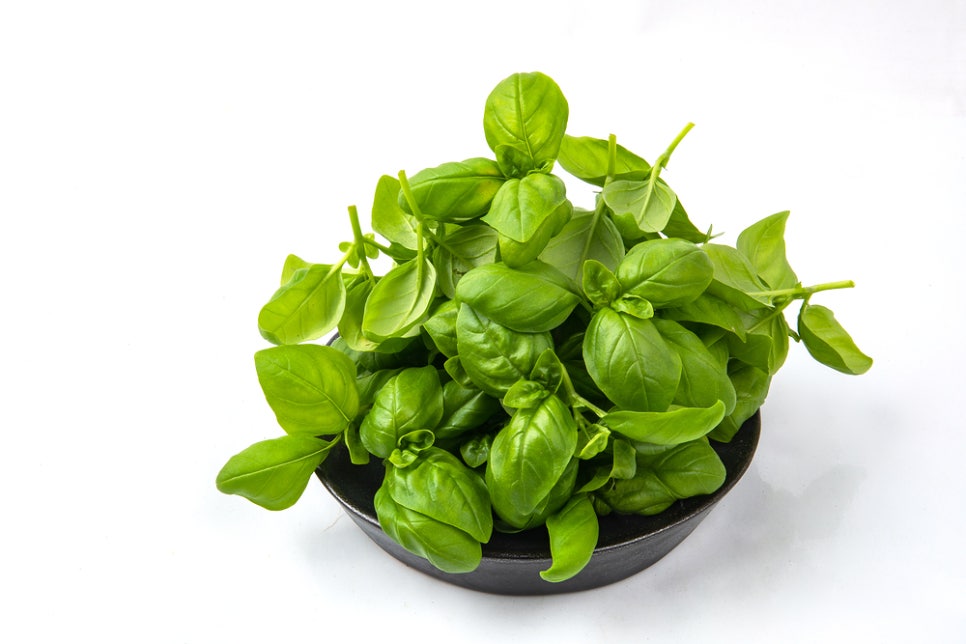
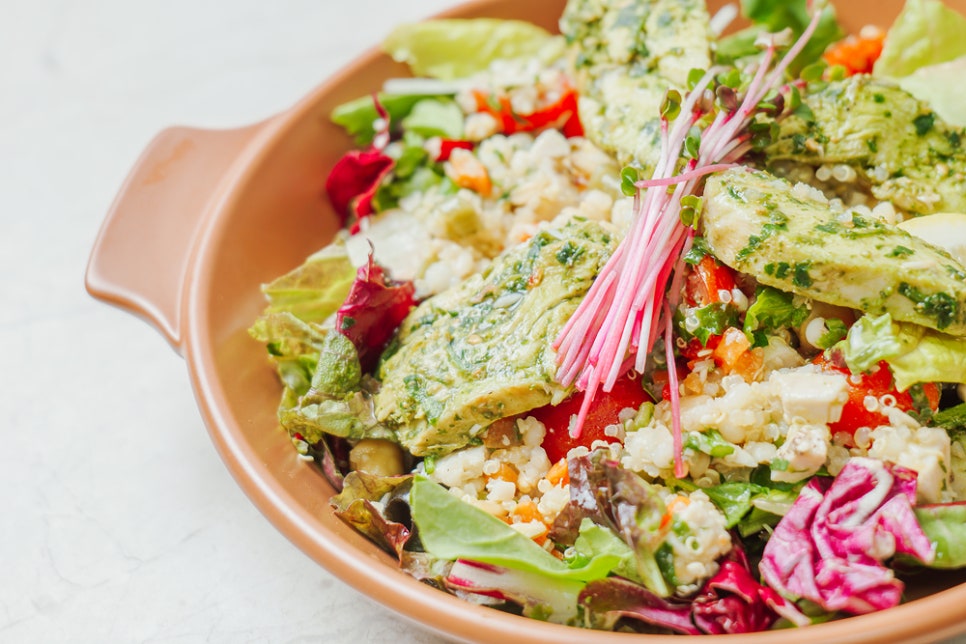
Basil is one type of herb and is a plant widely used in salads, pasta ingredients, fragrance, and medicine.
It has a strong fragrant, sweet aroma and a slightly spicy taste.
Let's look at 5 benefits of basil, which is rich in vitamins and antioxidants, and also take a look at the side effects that may occur when consuming it.
Prevention of cardiovascular disease
Basil helps expand blood vessel walls and has the effect of lowering blood pressure.
According to research results, when basil extract was continuously administered to rats with high blood pressure, their blood pressure levels were found to decrease.
It also helps prevent cardiovascular disease and adult diseases by reducing cholesterol and triglyceride levels.
Prevention of osteoporosis
As aging sets in, bone density decreases and muscle strength weakens, which can cause pain from arthritis and, in severe cases, osteoporosis.
Basil is rich in vitamin K, which helps suppress bleeding and strengthen bones, increasing bone density and helping prevent osteoporosis.
Antioxidant effect
Basil contains plenty of antioxidants such as lutein and anthocyanins that help with antioxidant activity.
Antioxidants help regulate free radicals and oxidative stress, preventing cell damage and aging and helping prevent various diseases.
Oxidative stress can also cause various inflammations, and reducing oxidative stress has the effect of relieving inflammation in the body.
Diabetes prevention
One of the benefits of basil is that it helps relieve diabetes symptoms, and this is due to the effects of compounds in basil such as eugenol and rosmarinic acid.
It helps lower both fasting and post-meal blood sugar levels and helps prevent diabetes by regulating insulin secretion.
Because of these effects, people whose goal is weight loss may be able to diet more effectively by consuming basil.
Stress relief
Stress is a factor that generates free radicals, and excessive free radicals lower immunity and weaken bodily functions, exposing the body to various diseases.
The antioxidant components in basil are known to help relieve stress and reduce anxiety and feelings of depression.
It also helps with sleep disorders and insomnia, helping you get a good night's sleep, and it also prevents a decline in memory caused by aging, helping prevent dementia.

Side effects
If you consume basil in excess, symptoms such as abdominal pain, diarrhea, and nausea may occur, so it is important to be careful.
In addition, since vitamin K has a blood-clotting effect, if you usually take blood thinners due to a blood-related condition, it is best to consume it after consulting a doctor.
Today, we looked at 5 benefits of basil and the side effects to be aware of when consuming it. Please keep this in mind and try eating it.