Reasons Why the Back of Your Head Feels Tight
Let’s Look at 5 Reasons and Find Solutions
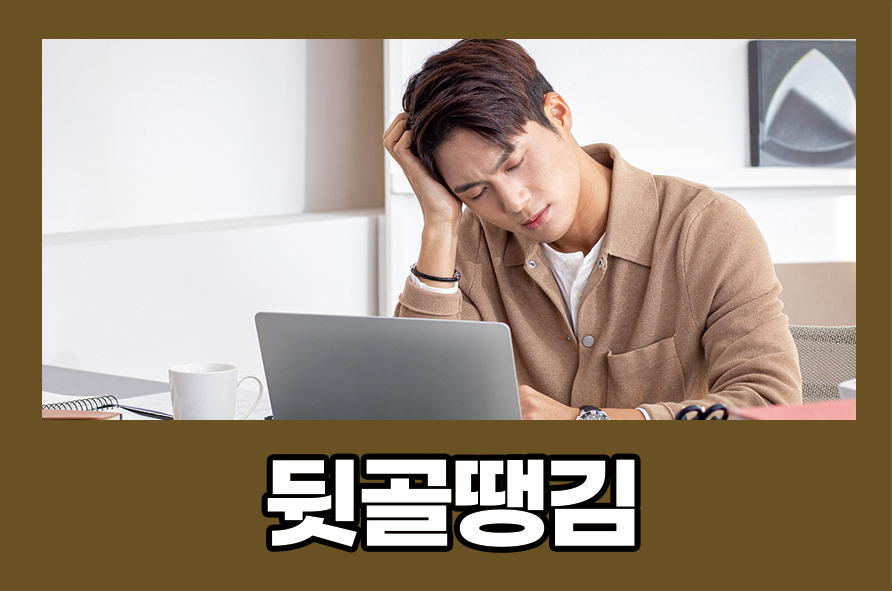
The back of the head refers to the area at the rear of the head, that is, the occipital region.
If this area feels stiff, tight, or causes a sharp, tingling pain, it is a good idea to identify the cause and address it.
In modern life, symptoms of tightness in the back of the head can also be caused by factors such as poor posture, unhealthy habits, and stress, so it is important to pay attention to your health in daily life.
Today, let’s take a closer look at 5 reasons why the back of the head feels tight.
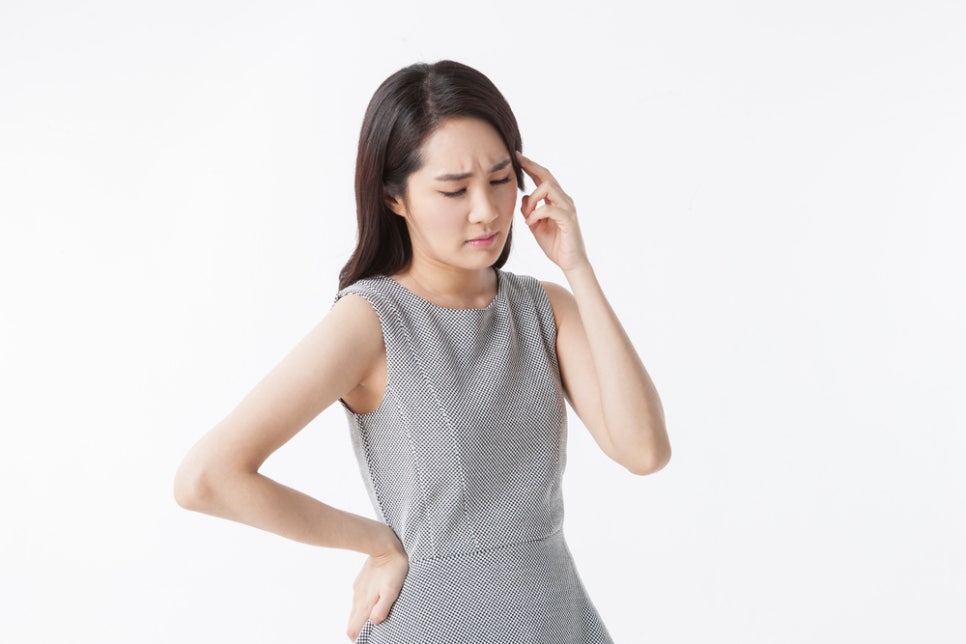 Occipital neuralgia
 refers to a condition in which pain occurs in the occipital area at the back of the head and in the cervical area at the back of the neck.
Occipital neuralgia
Occipital neuralgia refers to a condition in which pain occurs in the occipital area at the back of the head and in the cervical area at the back of the neck.
When the occipital nerve located in the back of the head is compressed by something, becomes inflamed, or is damaged, intermittent pain occurs.
When occipital neuralgia occurs, a stabbing pain continues, and changes in sensation may cause a dull, blocked feeling. In severe cases, the pain can spread to the area around the eyes, suddenly causing blurred vision.
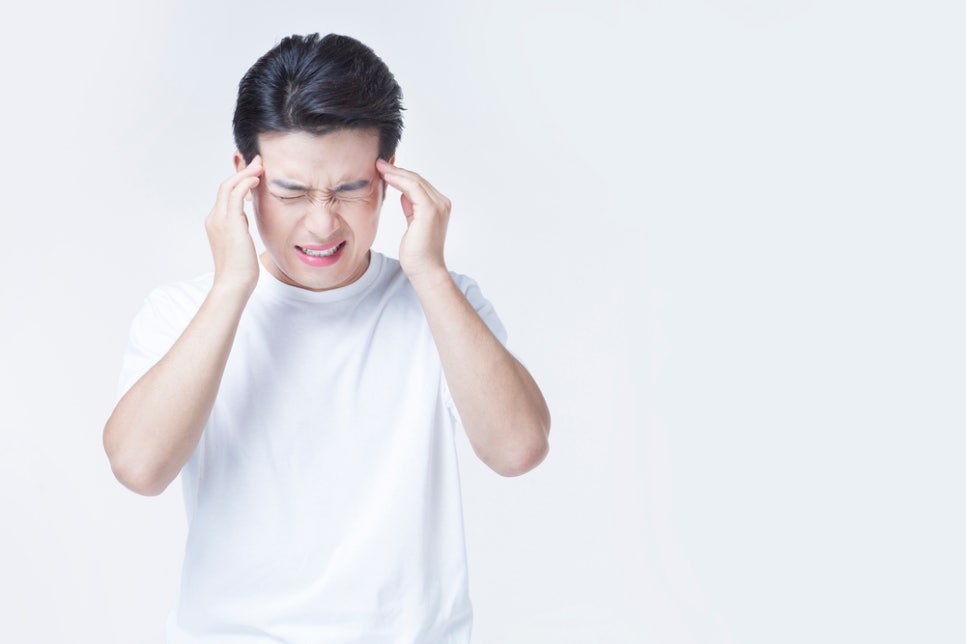 Tension headache
s are among the most common types of headaches and are caused by factors such as stress, excessive fatigue, and lack of sleep.
Tension headache
Tension headaches are among the most common types of headaches and are caused by factors such as stress, excessive fatigue, and lack of sleep.
They often occur in younger people under 40, and the headache continues with a squeezing or pressing sensation around the head.
In the case of tension headaches, the pain is relatively mild compared with other headaches, and the symptoms tend to ease quickly when painkillers are taken. It is a good idea to improve lifestyle habits, such as getting enough sleep and reducing stress.
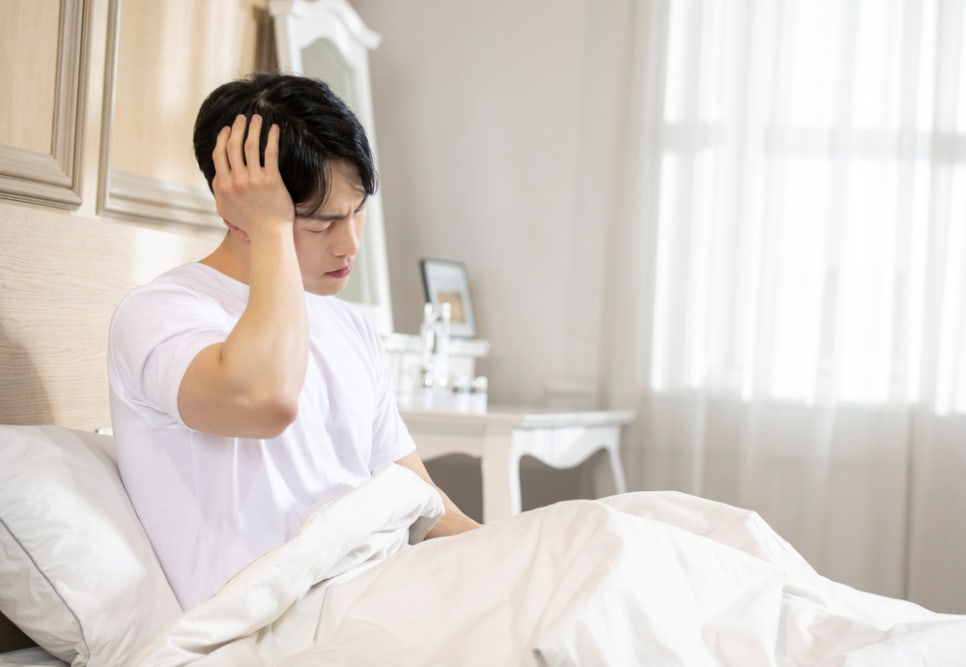 Neck disc
If tightness in the back of the head occurs along with stiffness in the muscles around the neck and persistent headaches appear, you should suspect a neck disc problem.
Neck disc
If tightness in the back of the head occurs along with stiffness in the muscles around the neck and persistent headaches appear, you should suspect a neck disc problem.
When the function of the neck muscles surrounding the cervical spine deteriorates due to factors such as damage or inflammation, and they contract and become rigid, cervicogenic headaches occur.
To prevent neck disc problems, when using electronic devices such as smartphones or computers, it is best to avoid postures where you push your neck forward or keep your head lowered, and instead maintain proper posture.
 Spinal stenosis
 refers to a condition in which the spinal canal located in the center of the spine narrows, causing lower back pain along with various neurological symptoms.
Spinal stenosis
Spinal stenosis refers to a condition in which the spinal canal located in the center of the spine narrows, causing lower back pain along with various neurological symptoms.
With spinal stenosis, lower back pain occurs frequently, and along with it, you may feel sensory disturbances and reduced strength in the lower body.
In addition, due to damage to nerve tissue, pain may occur in the neck, shoulders, and both arms, which can lead to stiffness and tightness in the back of the head.
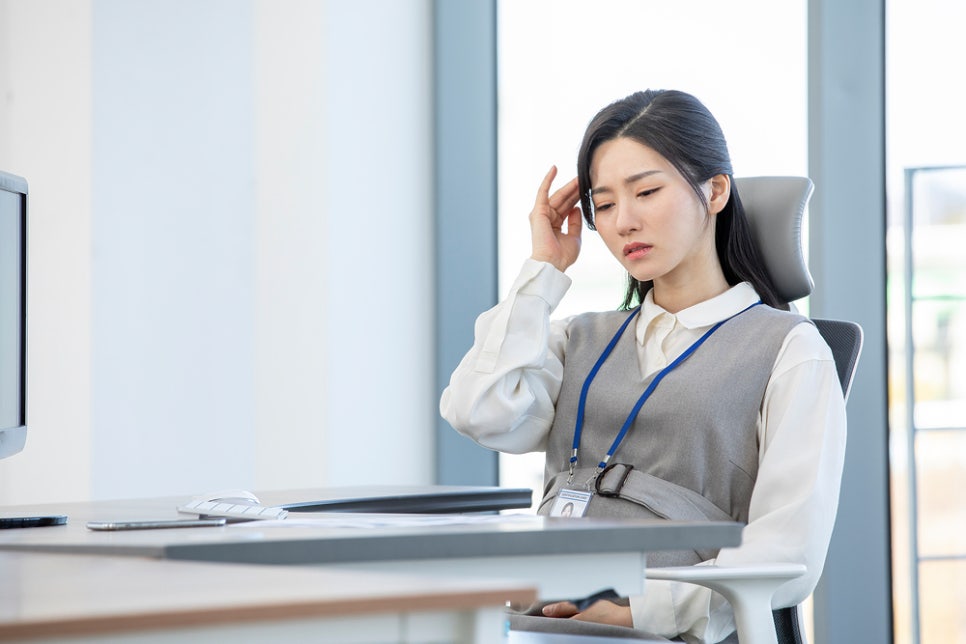 Turtle neck syndrome
A turtle neck refers to a condition in which pain occurs because the muscles and ligaments in the neck and shoulders are stretched due to poor posture in modern people.
Turtle neck syndrome
A turtle neck refers to a condition in which pain occurs because the muscles and ligaments in the neck and shoulders are stretched due to poor posture in modern people.
The shoulder muscles become tense, tightness and stiffness develop in the back of the head, fatigue is felt more easily than in other people, and headaches also occur frequently.
Today, we looked at 5 reasons why the back of the head feels tight. Please refer to the information above and use it to help manage your health.