Problems Caused by Sleeping with Your Mouth Open
Let’s take a look at 5 problems

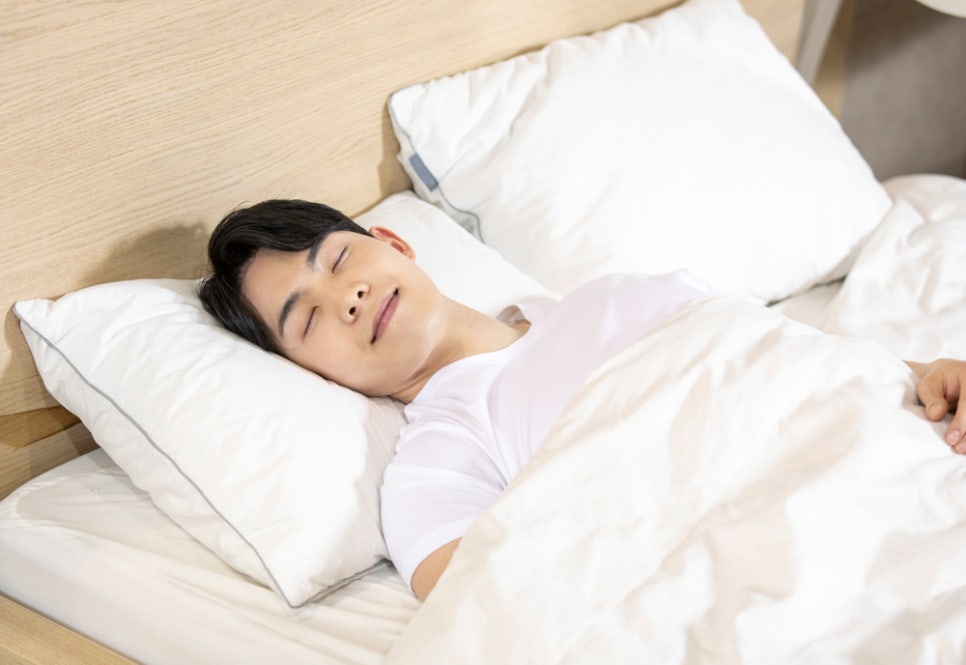
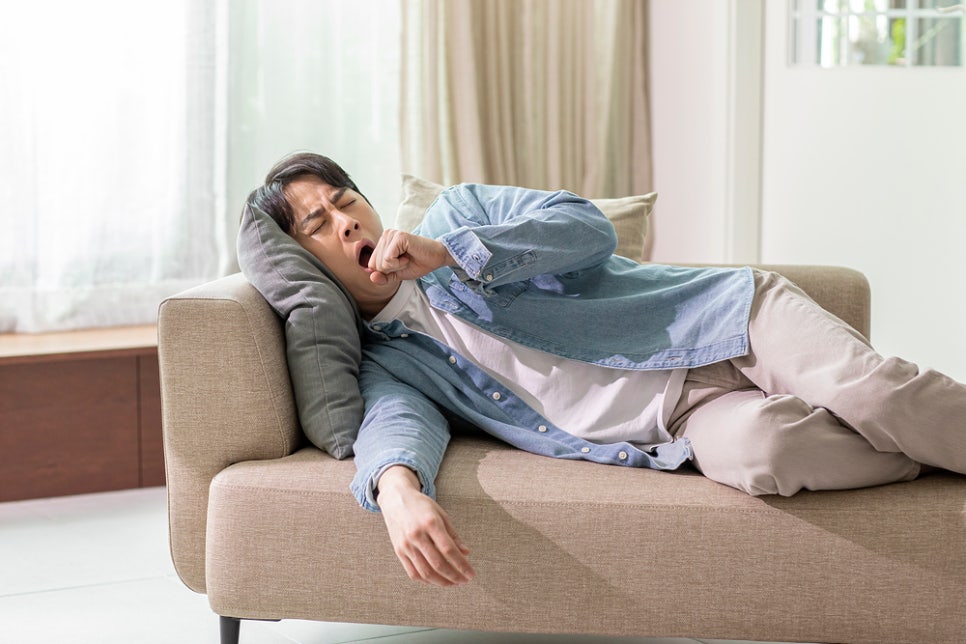
When you usually sleep, or suddenly fall asleep while feeling tired, you may unknowingly sleep with your mouth open.
If it happens only once in a while, it may be fine, but if you sleep with your mouth open over a long period of time, various problems can arise in terms of both health and appearance, so you should be careful.
Today, let’s look at the various problems that can occur when you sleep with your mouth open, and also consider ways to correct this habit.

Respiratory diseases
Our nose has elements such as nose hairs, mucous membranes, and nasal mucus, which filter out foreign substances like dust, viruses, and bacteria floating in the air.
Therefore, when you breathe through your nose, foreign substances are filtered out first as they pass through the nose, so respiratory diseases can be prevented to some extent. However, the mouth does not have a filtering function, so these substances enter the body as they are.
Because of this, you may be exposed to various respiratory diseases such as colds and pneumonia, so it is best to breathe through your nose as much as possible, both when sleeping and in everyday life.
Oral diseases
If you sleep with your mouth open, saliva dries out and the secretion of saliva gradually decreases, leading to dry mouth and severe bad breath.
Also, as the inside of the mouth becomes dry, bacteria multiply more easily, which can cause a coating on the tongue and a stuffy feeling. This may lead to sore throat, with a sense of foreign body sensation and discomfort extending to the throat.
Saliva has the function of suppressing various bacteria, and when saliva secretion decreases and the inside of the mouth becomes dry, bacterial growth becomes more active, increasing the likelihood of cavities and periodontal disease.

Sleep disorders
When you breathe through your mouth during sleep, the quality of sleep decreases, and sleep-related conditions such as sleep apnea and snoring can occur.
Sleep disorders such as snoring and sleep apnea interfere with deep sleep, causing chronic fatigue, and can also lead to dementia, so it is best to correct them quickly through lifestyle improvements.
In addition, sleep apnea is a serious condition in which breathing stops during sleep and, in severe cases, can even lead to death, so you should visit a hospital and get diagnosed.

Changes in facial shape
One aesthetic problem that can appear from breathing through the mouth is a change in facial shape. This is especially something children in their growth stage, whose jaw has not yet finished developing, should be careful about.
Mouth breathing can change the face into an adenoid facial type. This facial type is usually characterized by a lower jaw that is shorter than the upper jaw, making the appearance look less balanced and awkward.
Temporomandibular joint disorder
If you keep your mouth open for a long period of time, the tension in the temporomandibular joint and muscles increases, causing stimulation, and various temporomandibular joint disorders may appear.
You may experience problems such as jaw pain, malocclusion, and headaches, and weakness of the tongue muscles can also lead to speech disorders.
How to cope
It is a good idea to apply tape that prevents mouth opening to stop yourself from unconsciously opening your mouth during sleep.
Also, adjusting the height of your pillow or receiving breathing correction training can help improve mouth breathing.
Today, we looked at five various problems that can occur when sleeping with your mouth open. We hope the information above helps you make improvements.