If You Have Ovulation Symptoms, Lower Abdominal Pain and
Bleeding
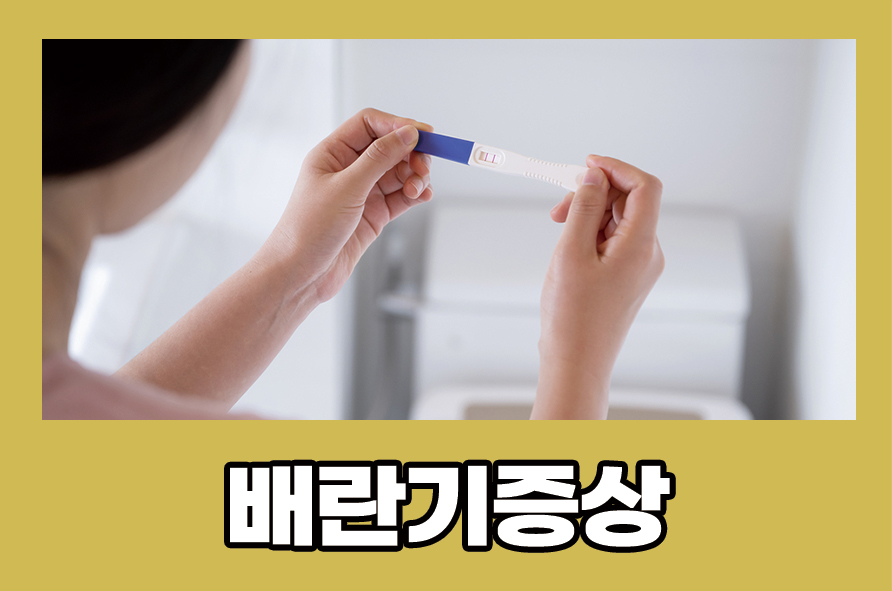
If you are a woman of reproductive age, ovulation comes around regularly according to your reproductive cycle, and during this period, a variety of physical symptoms may appear due to sudden hormonal changes.
Even if it is not your menstrual period, bleeding may occur, or lower abdominal pain may feel sharp and tingling.
Today, let’s take a detailed look at the symptoms of ovulation.
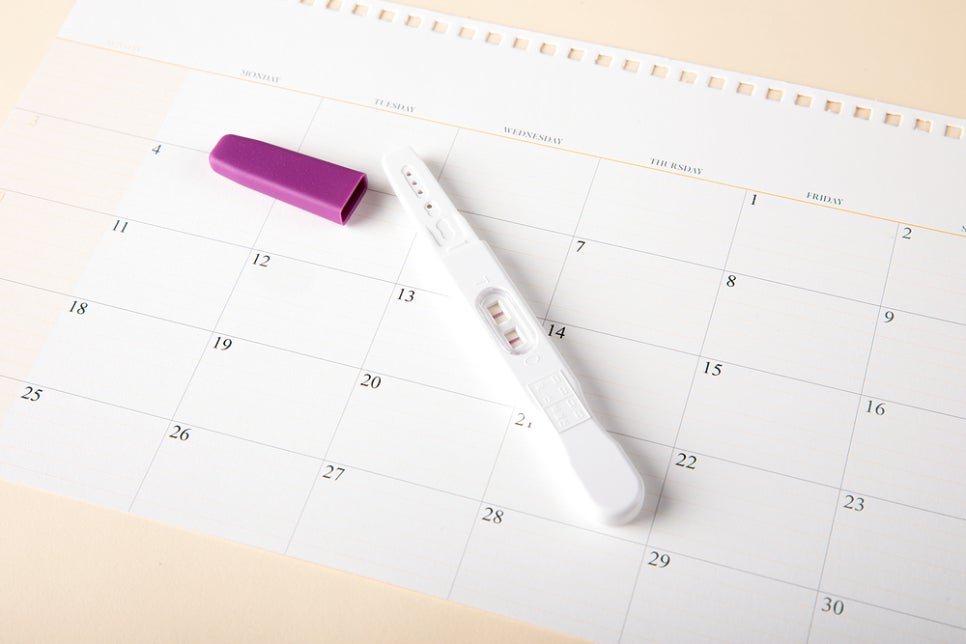
First, ovulation day refers to the date 14 days before the expected start of your period, and a period of about 3 to 5 days before and after ovulation is considered the fertile window.
If you have intercourse during this time, the chance of pregnancy is known to be higher than during other periods, and the pregnancy rate during the fertile window is about 20%.
As you get older, the chance of pregnancy gradually decreases, and ovulation may be delayed due to factors such as irregular menstrual cycles, excessive stress, or fasting.
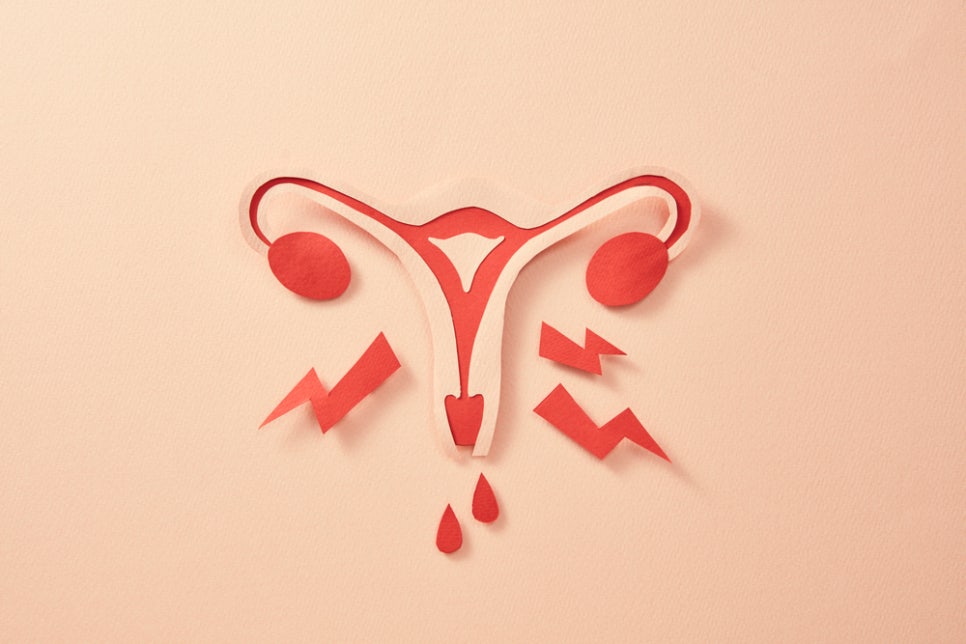
Also, even if you have a regular menstrual cycle, ovulation day can vary depending on each individual’s condition, so it is best to be careful.
During ovulation, various changes in the body can occur, and sometimes bright red or brown bleeding called “ovulation bleeding” is discharged.
Unlike menstrual blood, it lasts for about one to two days and is often accompanied by vaginal discharge or pain.
Ovulation bleeding is a natural phenomenon caused by sudden hormonal changes and is characterized by a small amount of bleeding for a short period, and it occurs rarely.
Because ovulation symptoms increase endometrial secretions, clear discharge may be present, and along with that, there may be stabbing, throbbing pain around the chest.
It is easy to confuse this with implantation bleeding, but in the case of implantation bleeding, it appears around the expected date of your period, and pregnancy can be confirmed with a test kit, so please keep that in mind.
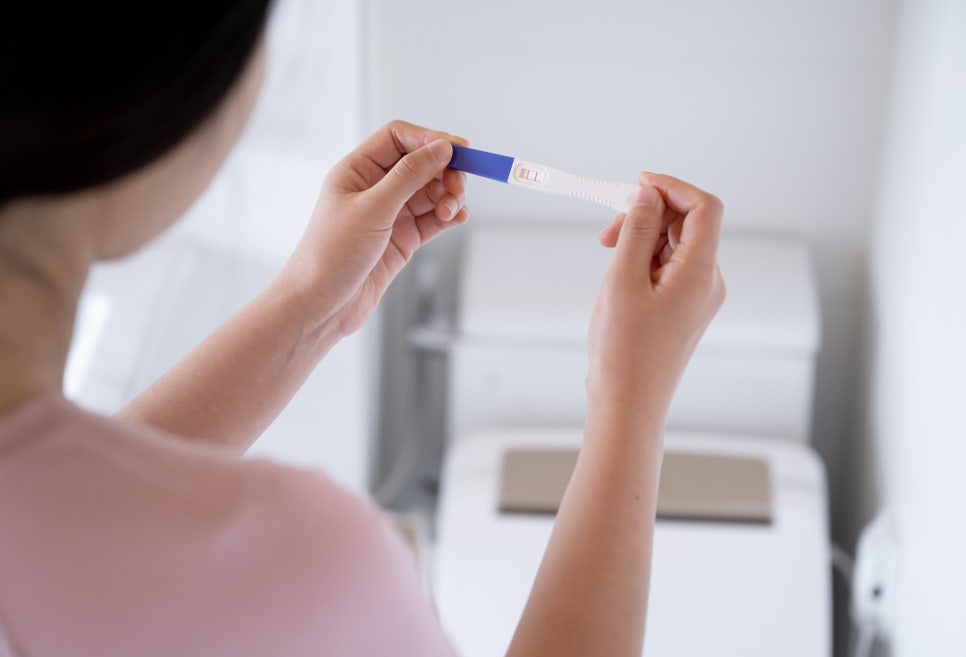
Also, due to the effect of progesterone, body temperature rises, so you may feel a slight fever or think you are warm.
Due to the effect of progesterone, appetite and sexual desire may increase, and swelling can occur easily, making the body feel heavy and sluggish.
Because sperm can survive for 72 hours and eggs for 24 hours, the period from 72 hours before ovulation to 24 hours after ovulation is considered the time with the highest chance of pregnancy.
If you are planning to become pregnant, it is good to improve lifestyle habits such as quitting smoking and drinking, and it is best to avoid caffeine intake if possible.
Also, if there is a deficiency of folic acid in the body, it is related to fetal neural tube damage, so it is good to take folic acid regularly in advance.
Today we looked at ovulation symptoms, and for more accurate confirmation, please use an ovulation test kit to check.