Proteinuria diet symptoms
To relieve them
Unlike usual, if a lot of foam appears in your urine,
and the foam does not go away even after time passes but remains,
you should suspect proteinuria.
Proteinuria refers to the symptom in which protein in the blood
mixes into the urine and is excreted together. Having a lot of foam
in the urine is one of the symptoms of proteinuria.
Today, let’s look at the symptoms of proteinuria and also
examine how to build a proteinuria diet to help relieve it.

When a large amount of protein in the blood is excreted into
the urine, foamy urine occurs. For adults, if more than
300 mg of protein is excreted per day,
this is considered proteinuria.
There are many causes of proteinuria. If foamy urine occurs
temporarily, it may be due to prolonged intense exercise,
standing for a long time, or having a high fever,
in which case protein may be temporarily excreted.
In the case of temporary proteinuria, once the cause disappears,
the symptoms usually go away naturally. However, if proteinuria
continues to be excreted, kidney disease or another condition
may be suspected.

Proteinuria occurs in kidney-related diseases such as
glomerulonephritis, pyelonephritis, and kidney tumors,
as well as kidney complications caused by diabetes
and when there is high blood pressure.
Because it is not possible to diagnose it from foamy urine alone,
it is a good idea to visit a hospital and undergo urine tests
and blood tests.
After receiving a diagnosis, it is good to adjust your eating habits
and build a proteinuria diet,
changing to a low-sodium, low-protein diet.
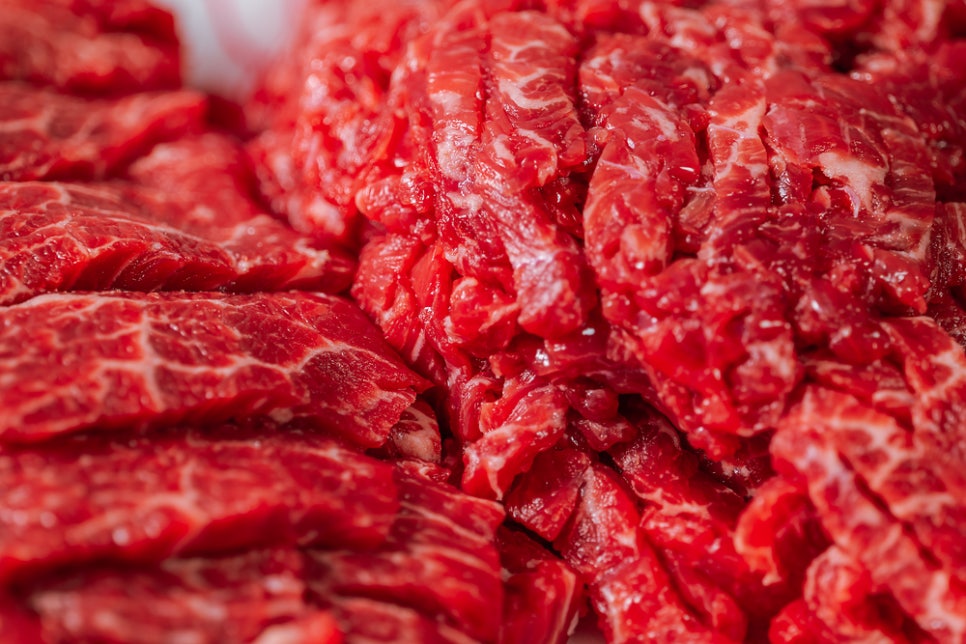
If you consume a large amount of protein,
the more protein will be excreted into the urine,
so it is better to maintain a low-protein diet.
Foods that are high in protein include meat, eggs, fish,
and beans, and it is best to eat only small amounts if possible.
In addition, because illness can cause swelling in the body,
the body may feel heavy, become puffy, body weight may increase,
and blood pressure may often rise.
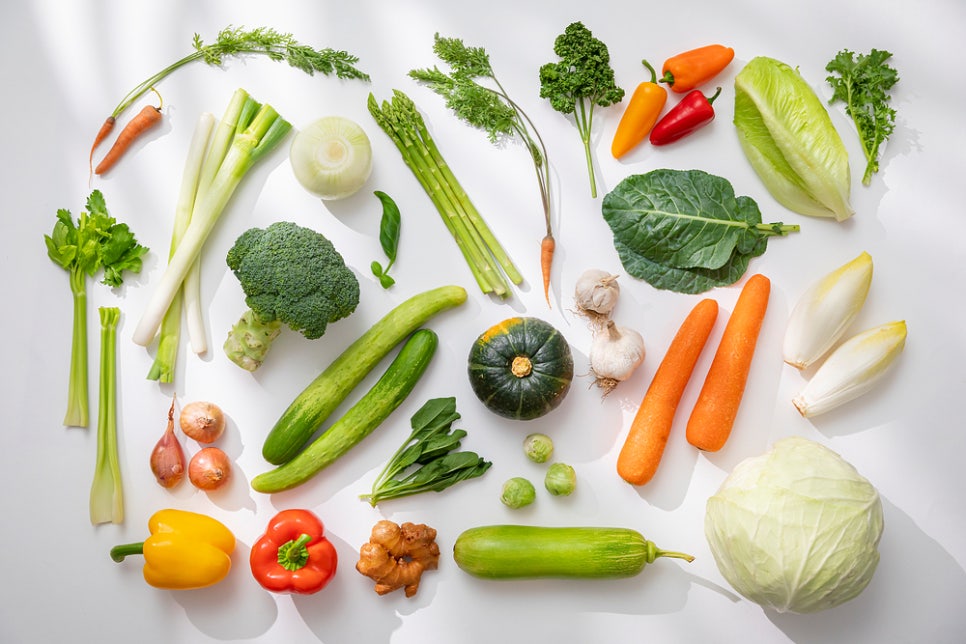
To reduce swelling in the body, it is good to follow a low-sodium
diet centered on vegetables.
According to the World Health Organization, the recommended
sodium intake is 2,000 mg, whereas for Koreans the average
is about 4,800 mg, more than twice that amount.
If you usually eat salty, spicy, and stimulating foods often,
the symptoms of proteinuria may worsen further, so you should
avoid foods high in sodium as much as possible.

Foods high in sodium include jjambbong, kimchi stew,
malatang, and ramen, and when cooking, it is also best
to make food as lightly seasoned as possible.
It is also important to drink enough water regularly so that
waste products accumulated in the body can be smoothly eliminated
and swelling can be eased.
Today, we looked at the proteinuria diet, and if you are showing
symptoms, we hope you will address them through a medical checkup
and changes to your eating habits.