혈압이높을때
What Are the Symptoms When Blood Pressure Is High?

Hypertension is often called a “silent killer” because it is one of the conditions that slowly threatens health without showing any special symptoms.
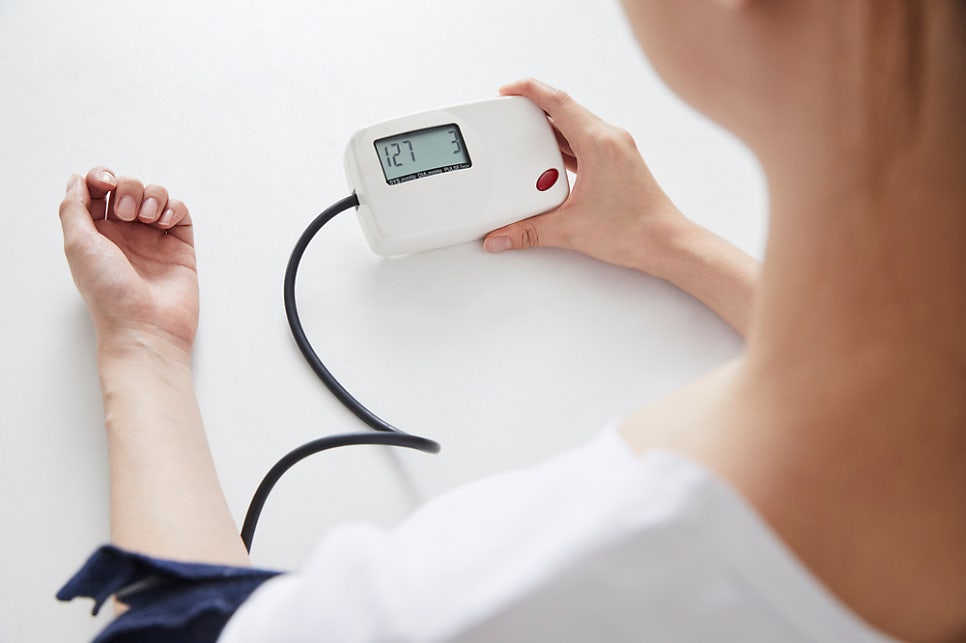
The 기준 for hypertension is having a systolic blood pressure above 140 and a diastolic blood pressure above 90, and it should be measured during a normal resting state, not right after intense exercise.
Today, let’s look at the symptoms that can appear when blood pressure is high, as well as the causes of hypertension and how to lower blood pressure.
First, hypertension can occur for various reasons. Blood pressure can rise if you regularly take oral contraceptives, or if you have hyperthyroidism or kidney disease.
If the cause is clearly known, removing that cause usually brings blood pressure back into the normal range. However, if the cause is unclear or cannot be resolved, treatment may be difficult.
High blood pressure with no known cause is called essential hypertension, and it accounts for more than about 90% of hypertension patients.

Although no clear factor has been identified, it is believed that spicy and salty eating habits, family history, smoking, and drinking may have an influence.
Hypertension does not show any particular symptoms, so it is easy to overlook in daily life, but since it is one of the diseases with a high early death rate, it is best to manage it consistently.
Hypertension affects the body in many ways, and the most common complication is heart disease because it disrupts the heart’s blood supply.

When pressure is high, the heart has to work much harder to supply blood, so the walls of the heart gradually thicken, and it can eventually develop into heart failure.
In addition to heart failure, it can also cause various cardiovascular diseases such as angina and myocardial infarction, so it is best to manage it through regular blood pressure measurements.
It can also be a major cause of diseases such as cerebral hemorrhage and kidney disease, so it is important to check blood pressure regularly and receive timely treatment if you have hypertension.
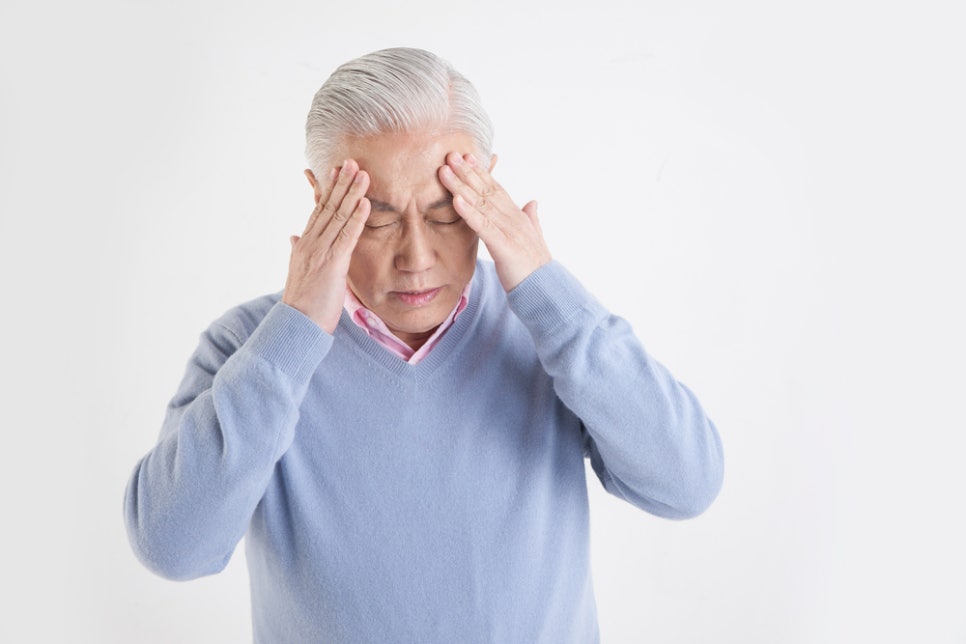
The symptoms that appear when blood pressure is high are divided into neurogenic symptoms and physical symptoms, and the most common are headache, dizziness, and lightheadedness.
You may also hear ringing in the ears, and stiffness in the back or neck can cause a heavy, stiff feeling. In severe cases, sleep disorders or shortness of breath may also appear.
In addition, if arteriosclerosis progresses and blocks the brain’s blood vessels, memory may decline or paralysis on one side of the body may occur, and it can also trigger heart disease, causing chest tightness and chest pain.

To control blood pressure, it is best to maintain a healthy diet and regular exercise. For meals, a low-sodium diet with little salt is recommended.
Smoking and drinking can also raise blood pressure, so it is best to quit as much as possible. If blood pressure does not improve even with diet and exercise, medication should be taken.
Today we looked at the symptoms and causes of high blood pressure, as well as how to lower it. If you have had high blood pressure, please manage it through regular measurements.