Feeling sleepy after eating
How can you prevent post-meal drowsiness?

After a meal, when you sit down to study or work,
you may sometimes feel sluggish and get hit by drowsiness.
This phenomenon of feeling sleepy after eating is a natural
one, and it is sometimes called post-meal drowsiness. It can
occur for various reasons.
Let’s take a look at what causes post-meal drowsiness, which
can lead to feeling sleepy after eating, and how to deal with
and prevent it.

Post-meal drowsiness is a natural phenomenon that can occur
not only in people but also in animals, but sometimes it can be
so severe that it interferes with daily life.
Even if you drink coffee, the sleepiness may not go away easily,
and it can become worse if you did not sleep properly the night
before or during seasonal transitions when the temperature
changes greatly between day and night.
First, post-meal drowsiness can occur on days when you eat a
large amount of food quickly or overeat. The amino acid
tryptophan in food can trigger it.
When tryptophan is absorbed into the body and converted into
serotonin, it can relax tension and make you feel sleepy.
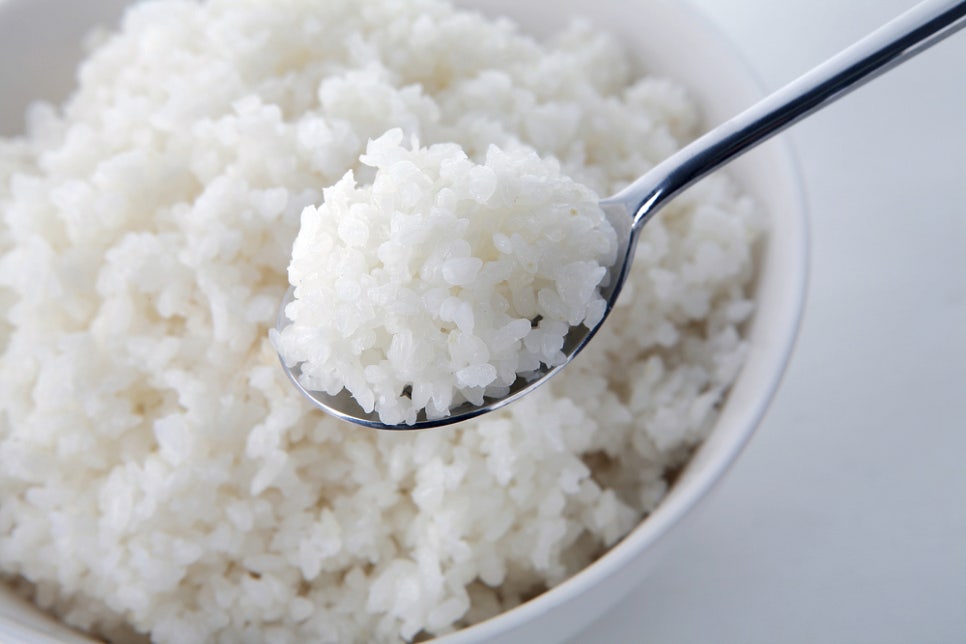
In addition, feeling sleepy after a meal is related to a rise in
blood sugar, so even when you consume a lot of carbohydrates,
you may experience feeling sleepy after eating.
When you consume a lot of carbohydrates, the secretion of
orexin, which has an alerting function, decreases, and you may
easily feel tired after a meal.

If you feel much sleepier than other people, you may suspect
that it could be an early sign of diabetes, and the symptoms may
appear due to a blood sugar spike.
When a blood sugar spike occurs, along with post-meal
sleepiness, you may feel very thirsty, and it can also be
accompanied by symptoms such as needing to urinate frequently.
If you have liver disease, post-meal drowsiness can also become
more severe. If fatty liver is severe or hepatitis develops and
liver enzyme levels rise, you may feel tired more easily.
As such, drowsiness after a meal can occur for various reasons,
but because it can interfere with daily life, it is best to prevent
it.
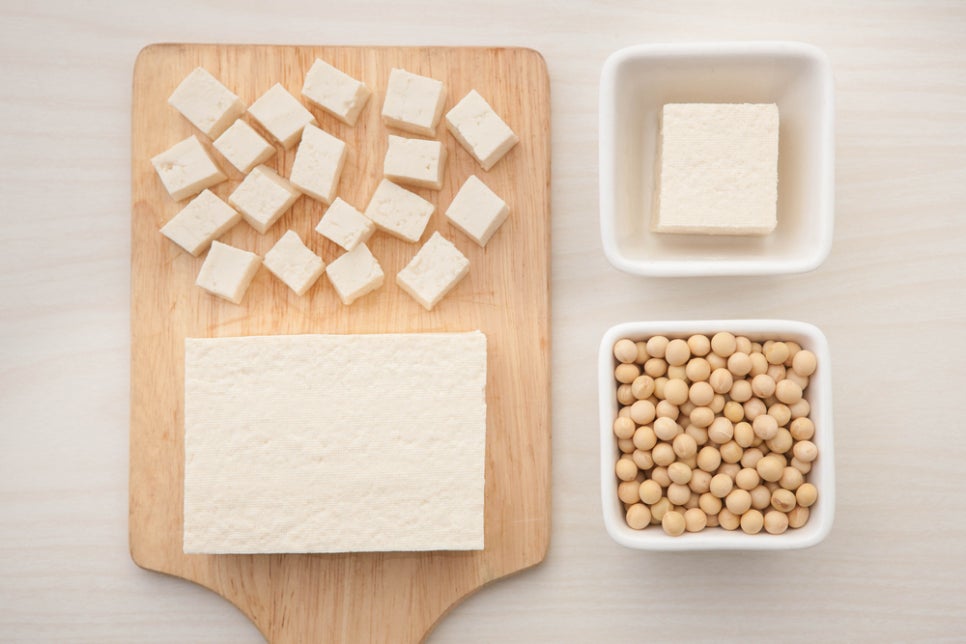
First, because consuming a lot of carbohydrates can trigger
post-meal drowsiness, it is good to reduce carbohydrate intake
and increase protein intake.
Overeating can also cause sleepiness after a meal, so it is best
to avoid it. Developing the habit of eating slowly and chewing
food thoroughly can help prevent symptoms.

Doing light physical activity after a meal can also help prevent
post-meal drowsiness, and taking a light walk after eating is a
good idea.
If you feel very sleepy due to post-meal drowsiness, taking a
short nap can also be a good option. A nap for an appropriate
amount of time helps relieve fatigue and supports mental
alertness.
We looked at what causes the feeling of sleepiness after eating
and how to prevent post-meal drowsiness. Please use the
information above as a reference and try preventing the
symptoms.