Causes of tongue coating and
how to care for your tongue
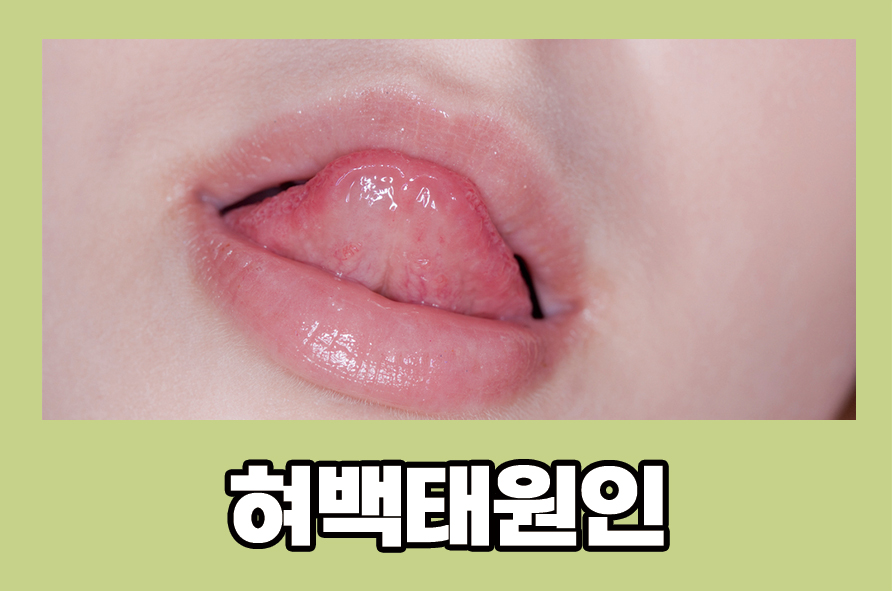
In winter, when the air is dry, you may wake up in the morning
with a dry mouth, and even after brushing your teeth carefully,
you may still have bad breath.
In such cases, when you open your mouth to brush your teeth, you
may notice that your tongue has turned white. This white coating
on the tongue is called tongue coating.
Let’s look at what causes tongue coating, what symptoms it can
cause, and how to care for your tongue.

A normal tongue is reddish in color, but when oral hygiene is
poor, symptoms such as tongue coating can occur.
One cause of tongue coating is dry air. Dry air can also dry out
the inside of the mouth, and low temperatures can cause the blood
vessels leading to the salivary glands to constrict, weakening
saliva production.
When saliva production weakens and the immune substances in saliva
decrease, bacteria increase inside the mouth, which can lead to
tongue coating.

Tongue coating is a collection of oral bacteria, food debris, and
organic matter created by shedding of the oral mucosa. Normally,
saliva helps these organic materials flow into the esophagus.
However, when the inside of the mouth becomes dry due to factors
such as dry air, saliva cannot do its job properly, and tongue
coating can build up thickly.
In particular, tongue coating can be more severe on the inner
part of the tongue because the papillae there are larger than on
the outer part, allowing more foreign substances to get trapped.

Tongue coating can also occur when the tongue is not cleaned
properly while brushing or when there is stomatitis, and it can
also appear when nasal congestion from rhinitis causes the nose
to be blocked.
Not only can the tongue turn white with tongue coating, but it can
also take on other colors. Coffee or smoking can stain the coating,
turning it yellow or black.
When tongue coating develops, it can cause bad breath and is also
unpleasant to look at, so it is best to manage it properly.

To remove tongue coating, it is good to drink water often.
Reducing intake of carbonated drinks and coffee and consistently
staying hydrated can help remove tongue coating.
Because the inside of the mouth can become dry and tongue coating
can build up frequently, avoiding alcohol and smoking may help
manage the symptoms.
Also, to remove tongue coating and care for your tongue, it is a
good idea to brush not only your teeth but also your tongue
carefully when brushing.

When cleaning the tongue, it is good to use a toothbrush or a
tongue cleaner to gently clean it. However, brushing too hard can
cause injury, so it should be cleaned with moderate pressure.
It is also good to make a habit of gargling. If it is difficult to
brush your teeth, it is better to gargle after eating, and it is
also good to gargle after brushing your teeth.
We have looked at what causes tongue coating, how to remove it,
and how to care for your tongue. Please use the information above
to help manage your tongue health.