Causes of Voice Breaking and
How to Manage the Symptoms
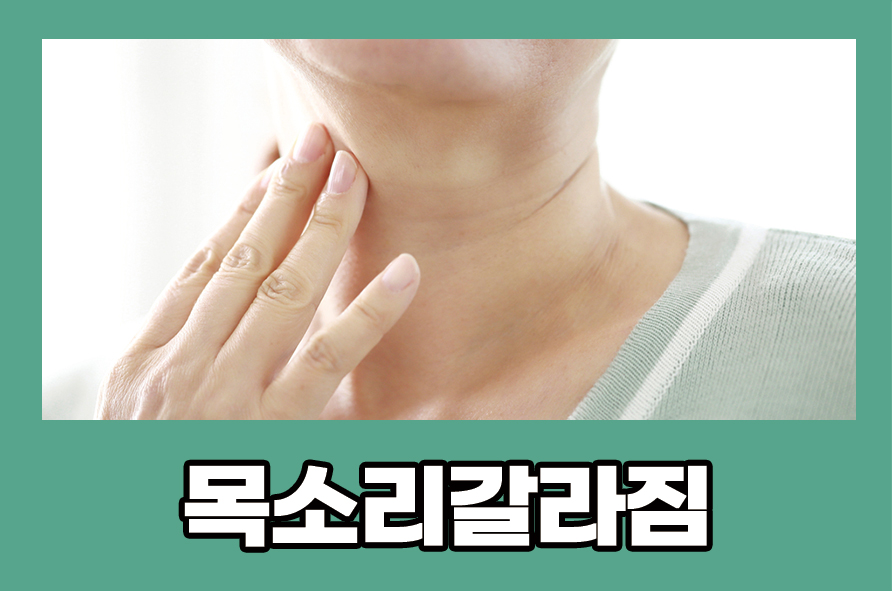
When cold, dry weather continues, or when you wake up in the morning,
or on days when you have used your voice a lot, you may experience
a symptom where your voice breaks.
In addition to using your voice extensively, such as when singing
or talking a lot, this symptom can occur for various reasons, so it is
something many people experience.
Let’s look at what causes this voice-breaking symptom and how
it can be addressed and managed.

One cause of a broken voice is vocal cord nodules. When strain is
placed on the throat due to poor vocalization or similar issues,
vocal cord nodules can develop.
If vocal cord nodules occur, your voice may become hoarse or
break, and symptoms such as phlegm in the throat or a feeling of a
foreign body may also accompany it.
If the symptoms become severe, you may also feel discomfort when
breathing, and you may experience pain or frequent throat clearing.

After recovery from vocal cord nodules, there is usually no major
difficulty in speaking, but your voice may break more often than
before or develop a doubled sound.
Voice breaking symptoms can also appear due to reflux esophagitis.
Reflux esophagitis is a condition in which stomach contents or
stomach acid flow back into the esophagus.
When stomach acid and food reflux into the esophagus and cause
inflammation in the pharynx and larynx, symptoms such as a hoarse
voice may appear.

Voice breaking symptoms can also occur due to acute laryngitis.
Acute laryngitis refers to inflammation in the larynx and surrounding
tissues.
When acute laryngitis occurs, you may feel a foreign-body sensation
and pain when swallowing saliva or food, and a scratchy feeling in
the throat may persist.
Also, if voice breaking symptoms appear, phlegm may become
excessive, and if not treated in time, symptoms such as harsh
breathing sounds may occur.

Because hoarseness or voice breaking can appear due to various
causes, it is a good idea to manage it properly.
First, when the inside of the mouth becomes dry and sensitive to
irritation due to dry weather or similar causes, it is best to avoid
unnecessary vocalization.
It is also advisable to avoid coffee or alcohol, which can dehydrate
the throat, and drinking plenty of water to stay hydrated can help
manage the symptoms.
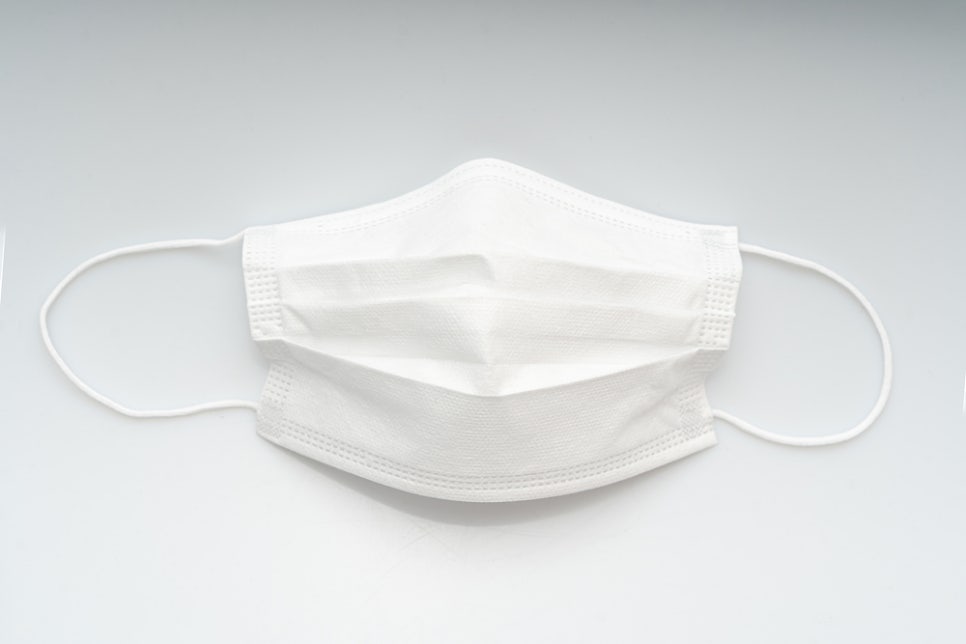
Fine dust can make the laryngeal mucosa more sensitive, so it is a
good idea to wear a mask on days when fine dust levels are high.
Since this symptom can occur due to reflux esophagitis, it is best to
avoid late-night snacks and to avoid lying down immediately after
eating.
We have looked at what causes voice breaking symptoms and how
they can be managed. Please refer to this information and try to
improve your symptoms.