Degenerative Arthritis That Causes Knee Chilling
About the Symptoms and Prevention Methods
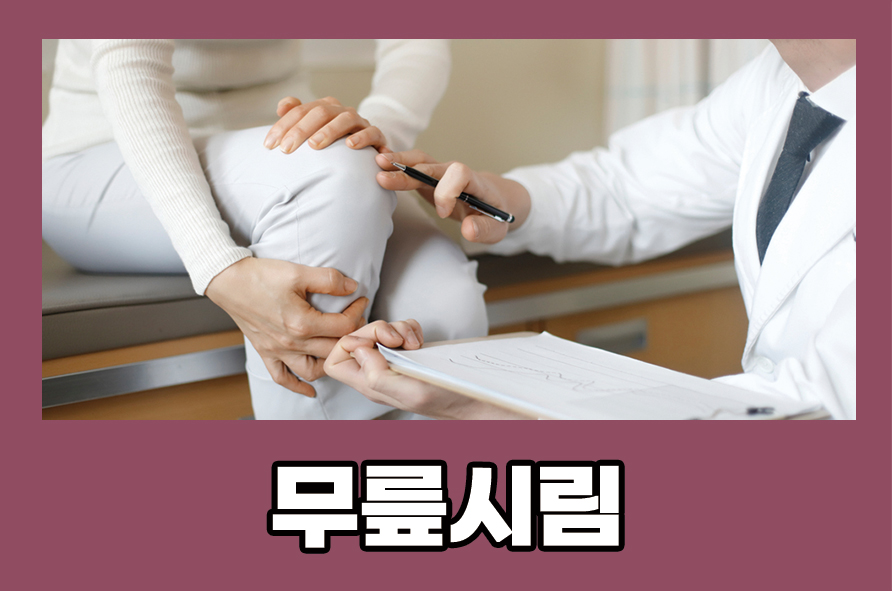
As the season with large temperature differences arrives, or during winter, immunity can weaken and expose you to various illnesses, so you need to be careful.
In particular, knee chilling symptoms may appear because of the colder weather, and in such cases, degenerative arthritis may be suspected.
Let’s look at what causes degenerative arthritis, its symptoms, and how to prevent those symptoms.
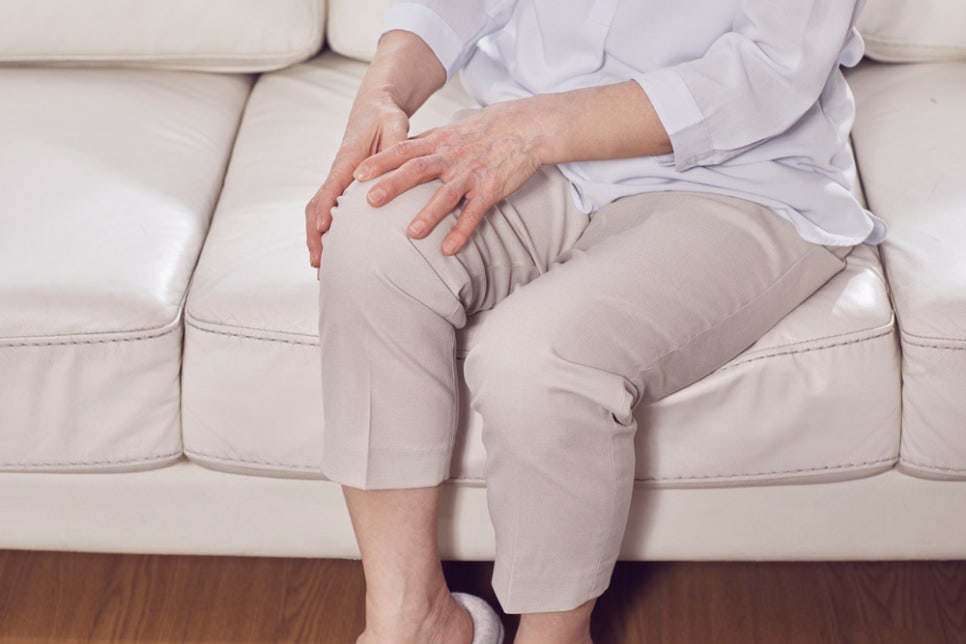
When the temperature difference becomes large, the cold can penetrate deep into the bones, causing peripheral blood vessels to constrict and blood circulation to be impaired.
As a result, the knee joint may become stiff or feel cold, and at this time, taking a shower with warm water may help relieve the symptoms. If not, it may be an early symptom of degenerative arthritis.
The knee joint is used a lot and bears a great deal of body weight, so it may undergo degenerative changes faster than other areas.
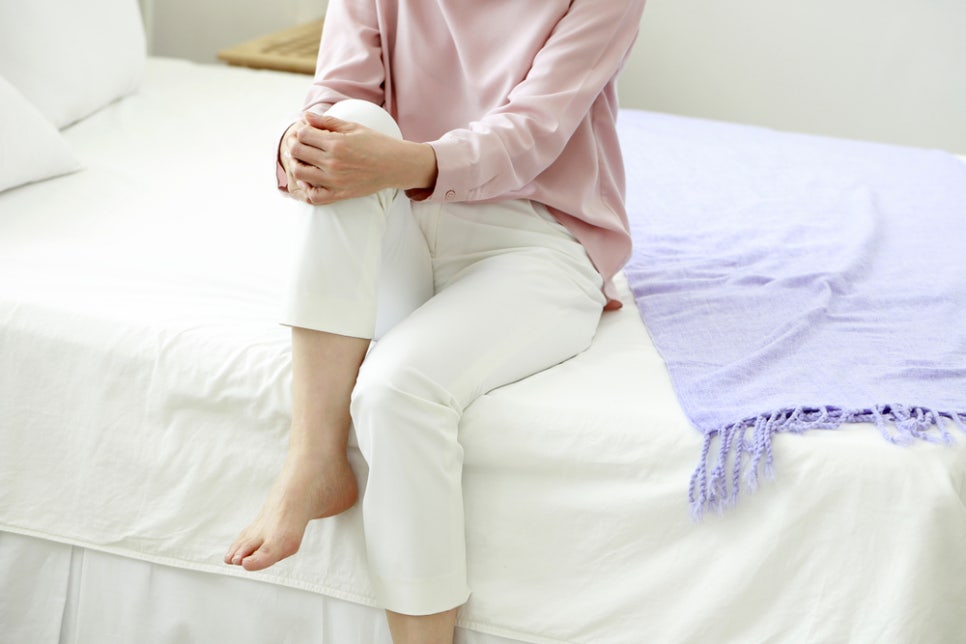
In the early stages, knee chilling or pain may appear only when moving the knee, but as the symptoms worsen, pain may be felt even without movement, and swelling may occur.
Degenerative arthritis refers to a disease in which the cushioning cartilage wears down for various reasons, damaging the joint and causing joint pain or deformity.
It commonly develops due to aging, repeated injury, or impact, and is one of the diseases that frequently occurs in older adults in their 60s and above.

In the early stages of arthritis, there are almost no symptoms, but as time passes, the cartilage wears away and the smooth parts of the joint disappear, causing a friction sound every time you move.
After that, the cartilage wears down further and the bones also begin to wear down. At this point, the bones at the edge of the joint grow like protrusions, and because of these protrusions, pain may be felt every time you move.
As arthritis progresses, the cartilage wears down more and more, causing bone to bone contact, which can make the joint stiff and the pain even worse.
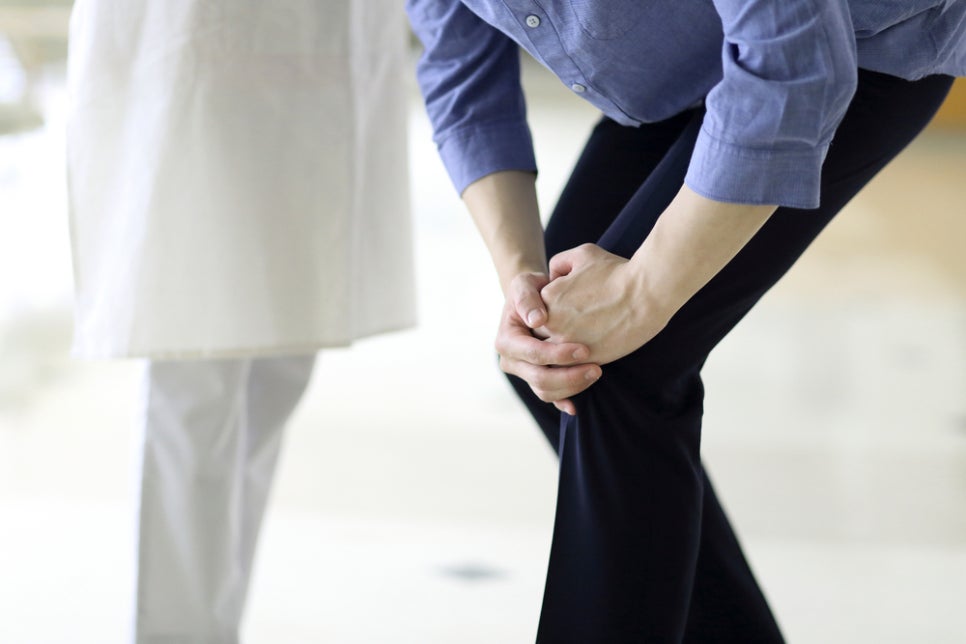
In addition, if synovial fluid is secreted excessively and accumulates inside the joint, it can cause swelling in the knee and be accompanied by severe pain.
Since degenerative arthritis can cause a variety of symptoms and make daily life inconvenient, it is best to prevent the symptoms appropriately.
First, sitting on a chair instead of the floor is recommended. A floor-seated lifestyle and sitting cross-legged can strain the ligaments and muscles around the joints, so caution is needed.

It is also best to avoid squatting, which can put strain on the knee joint, and maintaining an appropriate body weight helps prevent symptoms.
Doing regular exercises that can strengthen the muscles around the joints is also beneficial, and exercises that place less strain on the knee joint, such as swimming or walking, are recommended.
We looked at the causes, symptoms, and prevention methods of degenerative arthritis accompanied by knee chilling. Please refer to the above information and manage your symptoms accordingly.