Symptoms When Intraocular Pressure Is High and
Management Methods

If you usually feel pain as if your eyes are about to pop out, or if your eyes become bloodshot often, it may be because your intraocular pressure is high, and intraocular pressure can rise for various reasons.
If you feel heaviness or dryness in your eyes, or if you feel a foreign body sensation in your eyes or have blurred vision, it may be because your intraocular pressure has risen above the normal range.
Let’s look at what symptoms can occur when intraocular pressure is high and how those symptoms can be managed.
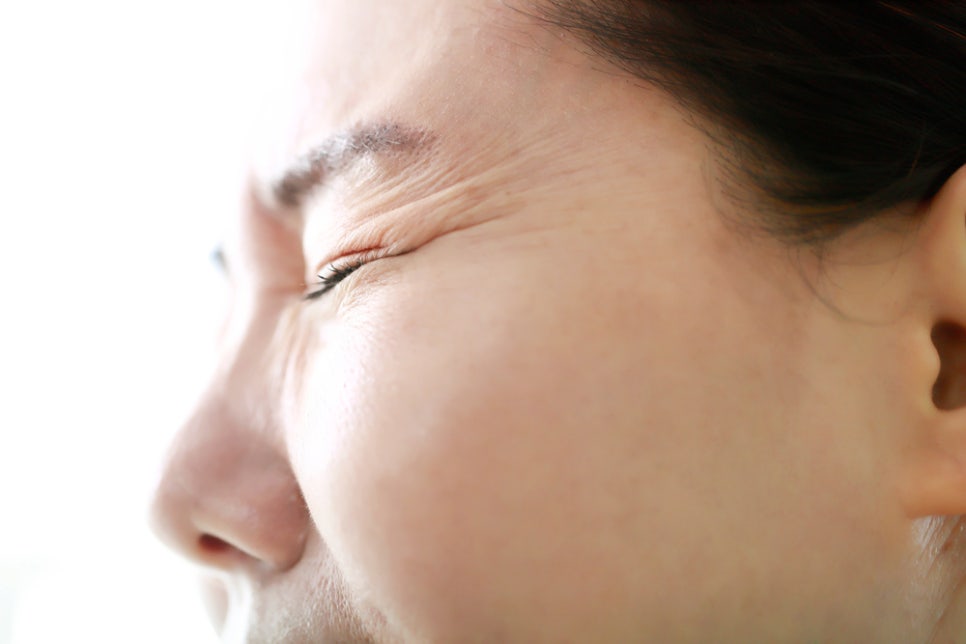
Intraocular pressure refers to the constant pressure applied to the eyeball, and it is also called eye pressure. Just as blood pressure goes up and down, eye pressure also rises and falls.
Intraocular pressure is regulated by aqueous humor, a fluid in the space between the cornea and the iris, and between the iris and the lens. If intraocular pressure is not within the normal range, various symptoms can appear.
To maintain the shape of the eyeball, proper internal pressure must be maintained. If it goes outside the normal range, it can cause eye diseases.
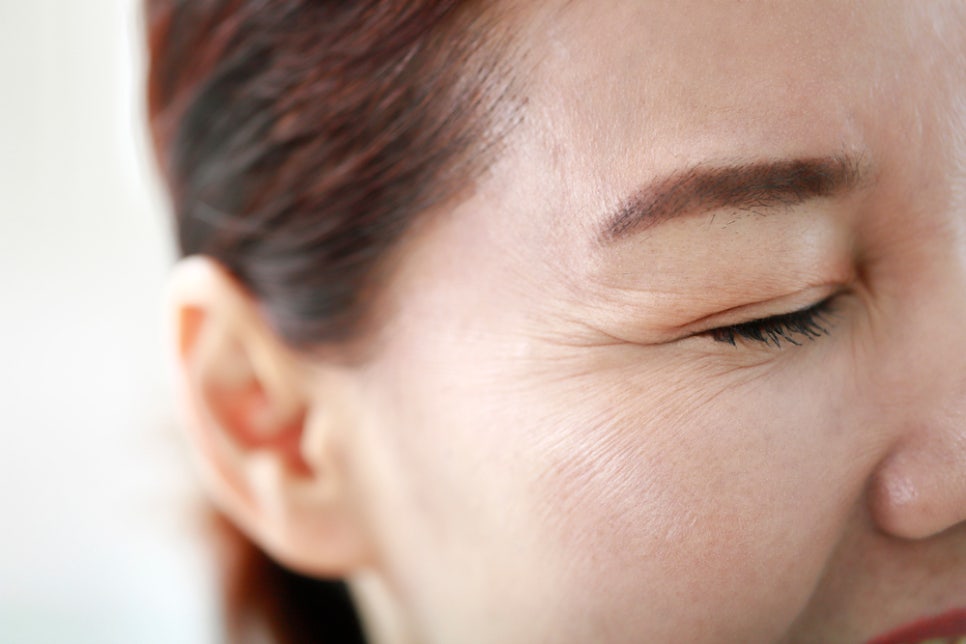
Symptoms that can occur when intraocular pressure is high include heaviness in the eyes, a foreign body sensation, and a feeling that vision has become worse.
In addition, vision may become blurred, the eyes may feel strained and dull, the head may feel heavy, and fatigue may be felt often. In severe cases, headaches may occur.
When intraocular pressure rises, the optic nerve can be damaged, increasing the risk of glaucoma, so caution is needed. Therefore, it is important to manage it so that intraocular pressure does not rise.
Glaucoma is a condition in which intraocular pressure rises above the normal range, damaging the optic nerve and causing symptoms such as changes in vision.
Intraocular pressure can rise when aqueous humor is produced in excess of normal or when circulation problems occur, and it can increase due to various causes.
First, symptoms may appear when you are under excessive stress, when fatigue has accumulated, when you exercise vigorously often, or when you have diabetes or high blood pressure.
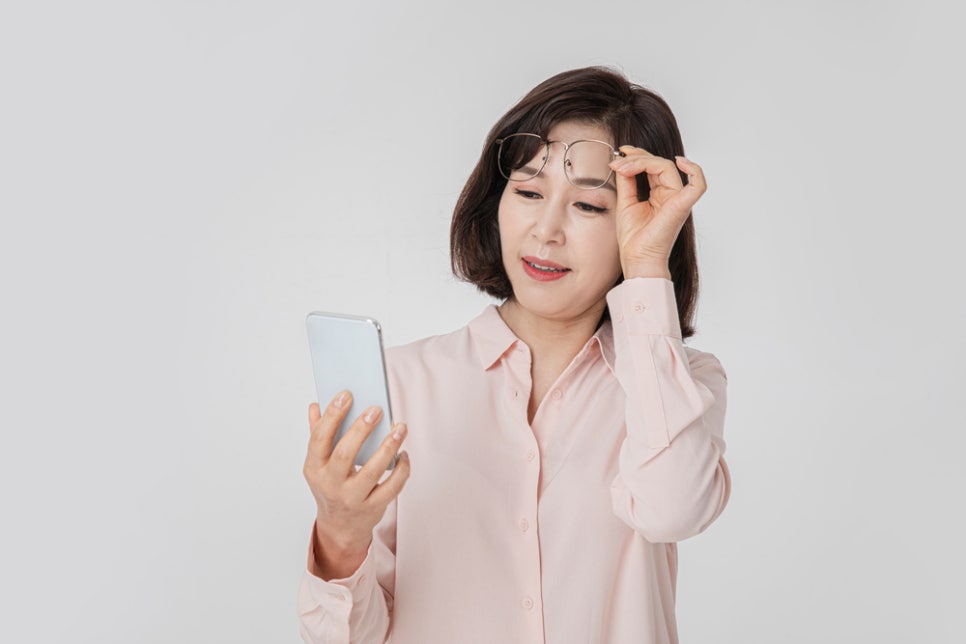
In recent years, increased use time of electronic devices such as computers and smartphones has also become a cause of increased intraocular pressure.
As such, intraocular pressure can rise for various reasons, and since it can cause symptoms such as blurred vision or bloodshot eyes, the symptoms should be managed properly.
It is best to avoid using electronic devices as much as possible. If you must use them, take breaks in between so your eyes have time to rest.

Also, if you usually lie face down or lie on your side, this can raise intraocular pressure, so it is best to avoid such positions.
In addition, avoiding smoking, heavy drinking, and caffeine intake can help manage symptoms, and it is also best to avoid wearing tight clothing.
We looked at what symptoms can occur when intraocular pressure is high and how those symptoms can be managed. Please refer to the information above and try to improve your symptoms.