Swollen Finger Joints
Causes and How to Manage Them
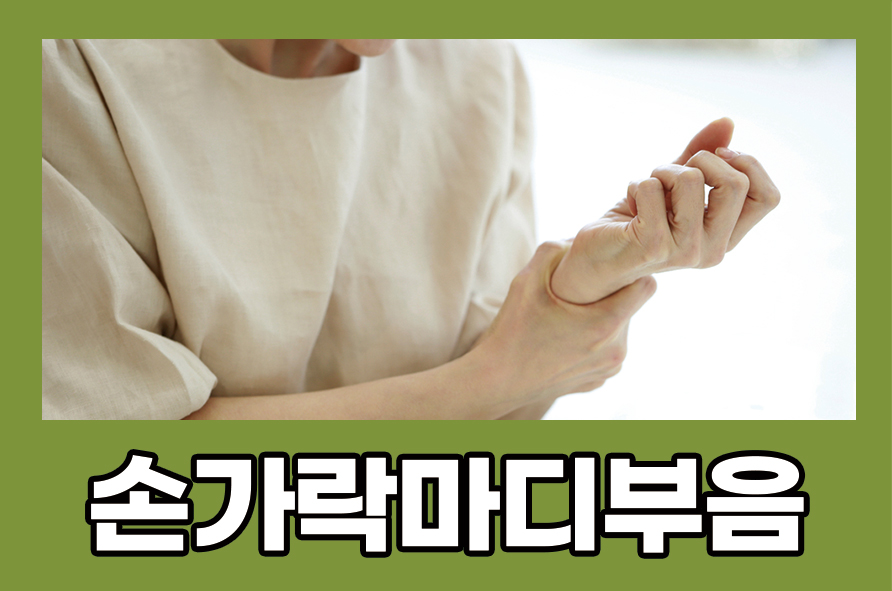
Fingers are one of the body parts we use a lot in daily life, so they can get injured easily and cause pain.
In particular, the joints in the fingers can sometimes swell, making daily activities uncomfortable, and there are many different reasons why finger joints may swell.
Let’s take a look at what causes swollen finger joints and how to manage and prevent the symptoms.

When people think of arthritis, they often think of the knees, but arthritis can also occur in the fingers, causing the finger joints to swell.
In our bodies, joints that are used frequently, such as the fingers, knees, and shoulders, have cartilage that covers and protects the bones.
Cartilage plays a role in protecting against the impact that occurs when joints move, but the more it is used, the more this cartilage can wear down and become damaged.
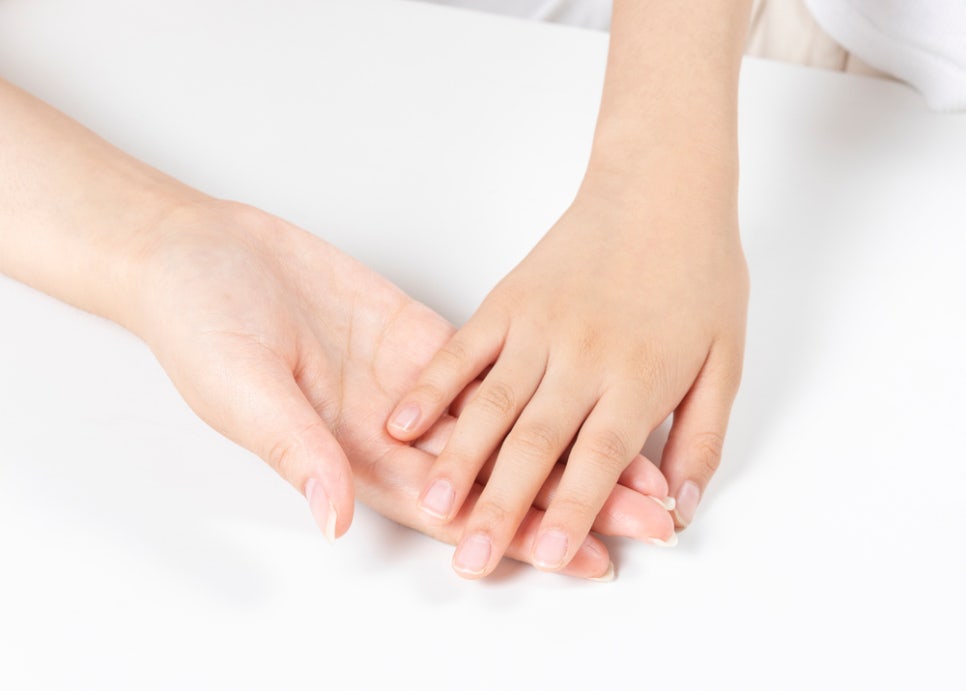
For this reason, if you use your fingers a lot for activities or work over a long period of time, damage can occur to the joints, which may lead to inflammation and pain.
Degenerative arthritis develops as cartilage wears down due to age-related degenerative changes and overuse, and the fingertip joints may swell or become painful.
In the case of traumatic arthritis, it occurs when the cartilage is injured by a major accident or when the surrounding ligaments and tendons are damaged, and the finger joints may swell and become painful.

If the joints in your fingers are swollen and painful, it may be considered an early symptom of finger arthritis, but because the pain may be mild, it can be easy to overlook.
However, since the hands are joints that are used frequently in daily life, degeneration can progress quickly if the timing is missed, so if you notice suspicious symptoms, it is best to get treatment promptly.
If you feel pain in a finger joint or hear a friction sound when bending your finger, you may want to suspect trigger finger syndrome.

This condition can occur when you work for a long time with your fingers bent or when you use tools that require a strong grip.
In the early stages, you may feel stiffness, and in some cases it may be accompanied by symptoms such as swollen finger joints and difficulty bending the finger.
Because swelling and pain in the finger joints can occur for a variety of reasons, it is best to identify the cause of the symptoms and take appropriate measures and preventive steps.
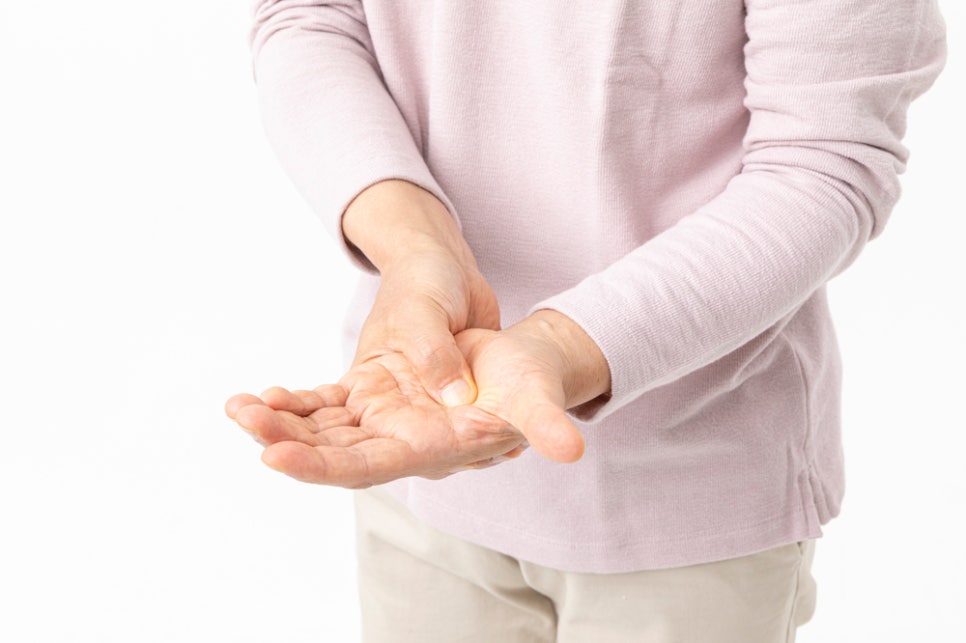
If you feel a slight pain in your fingers, it is a good idea to reduce finger use. Cutting back on smartphones and PC use can help prevent symptoms.
It is also advisable to avoid using only finger strength when lifting heavy objects, and regularly stretching your fingers can help manage symptoms.
We have looked at what causes swollen finger joints and how to manage the symptoms. Please review this information and help prevent symptoms.