Hypothermia: Causes and
Ways to Prevent Symptoms
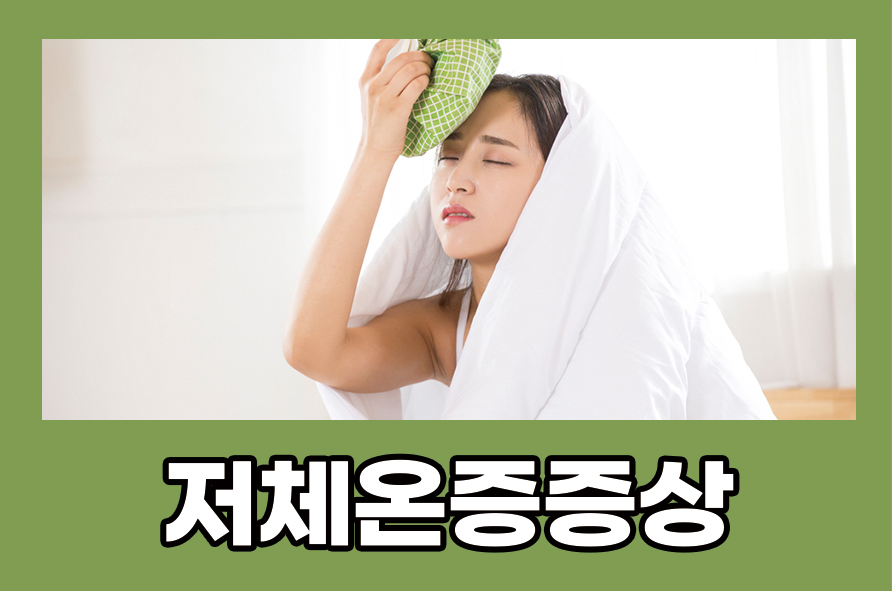
When winter comes, many people enjoy various winter sports such as skiing and snowboarding, despite the cold.
However, if you are exposed to the cold for a long time, you need to be careful about hypothermia. In particular, older adults, children, or people with weak physical condition may develop hypothermia if they shiver in the cold for a long time.
Today, among the various cold-related illnesses, we will look at the causes of hypothermia symptoms and how to prevent them.
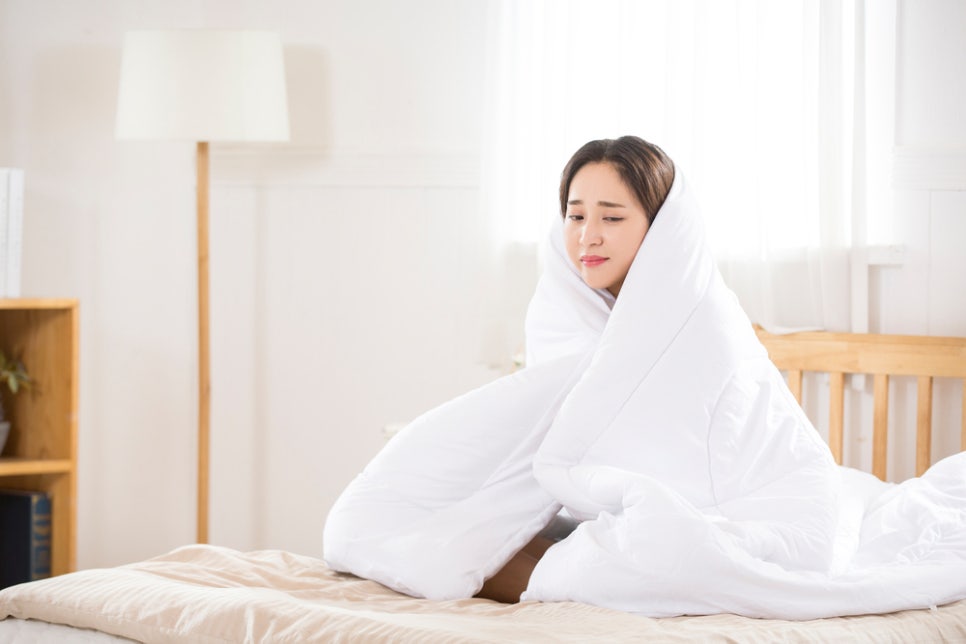
Cold-related illnesses refer to all conditions that can harm the human body due to cold, including hypothermia, frostbite, and chilblains.
Frostbite refers to tissue damage caused when skin and subcutaneous tissue exposed to severe cold continue to freeze, making blood supply difficult.
Symptoms usually occur in exposed areas such as the nose, ears, cheeks, and fingers, and the skin color changes to white or yellowish gray, accompanied by reduced skin sensation and pain.
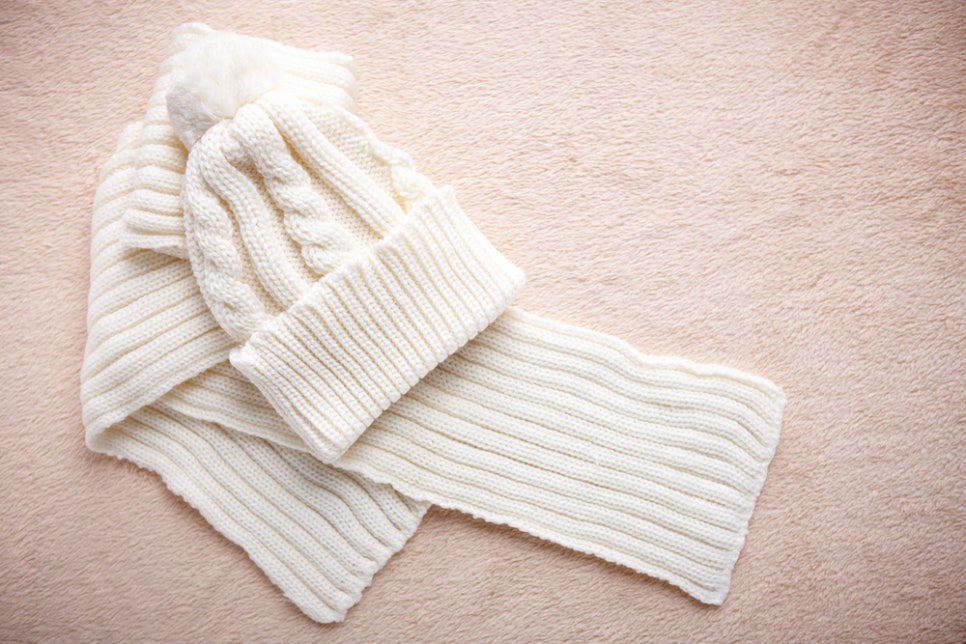
Chilblains refers to an inflammatory reaction in the skin and skin tissue that occurs when peripheral blood flow is disrupted due to continuous exposure to damp and mild cold.
It causes local itching, and the itching becomes worse when you go to a warm place. In severe cases, blisters or ulcers may occur.
Hypothermia refers to a condition in which body temperature falls below a certain level due to some factor, and symptoms can occur for various reasons.
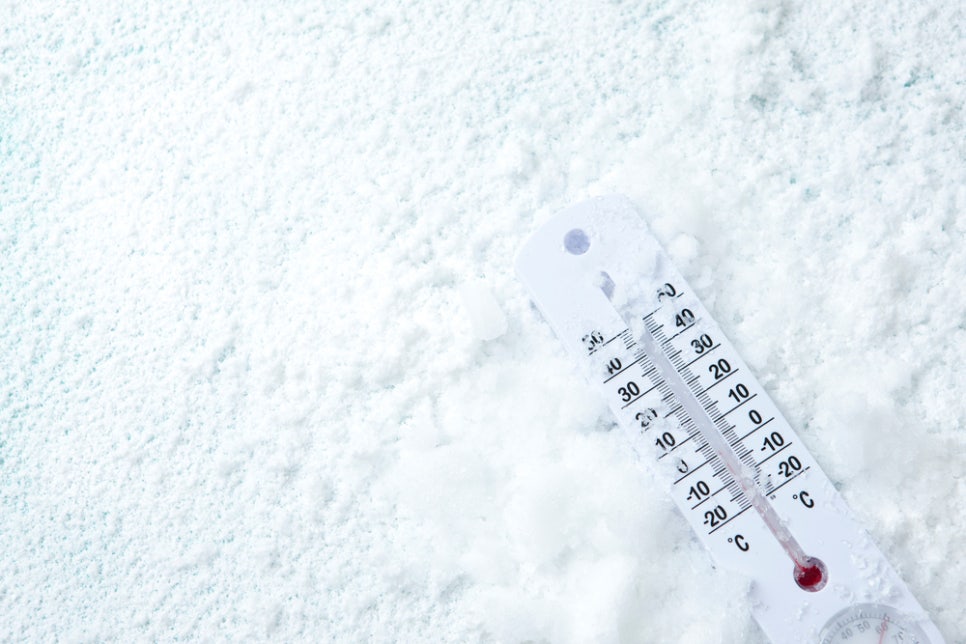
In the case of environmental hypothermia, it means a state in which body temperature drops due to cold for a long time and then does not recover.
Hypothermia caused by diseases such as sepsis, skin conditions, hypoglycemia, central nervous system abnormalities, and endocrine disorders such as hypothyroidism is called metabolic hypothermia.
When hypothermia occurs, it can be accompanied by various symptoms. As body temperature drops, whole-body trembling may occur along with a faster pulse and breathing.
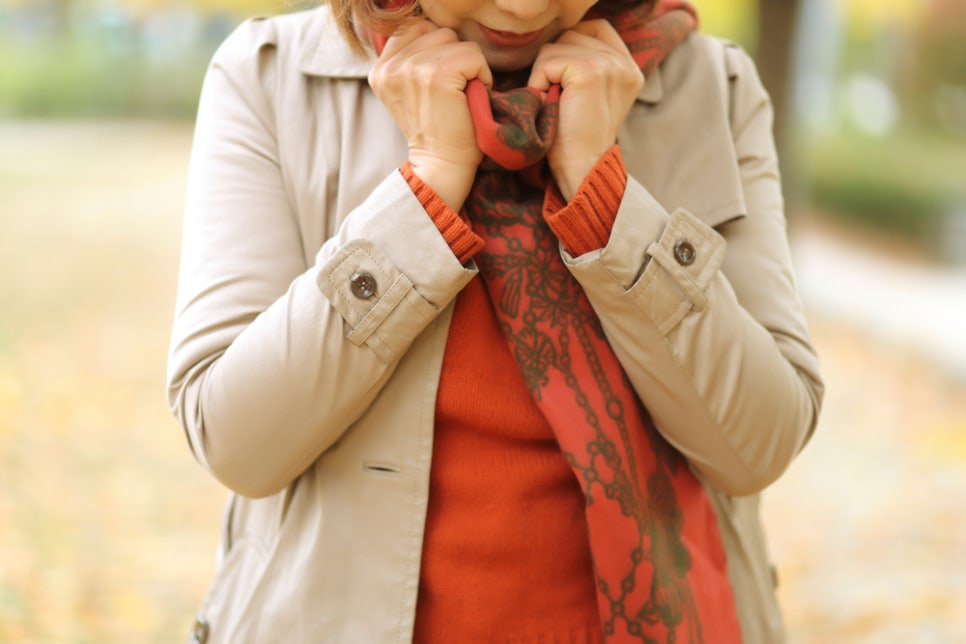
Muscle stiffness and dehydration may also occur, and due to blood vessel constriction, the skin may become pale and speech may become unclear.
Because various hypothermia symptoms can occur like this, it is important to prepare for hypothermia during the winter.
To prevent hypothermia, it is a good idea to check the apparent temperature before going out, and when the weather is cold, it is best to avoid outdoor activities.
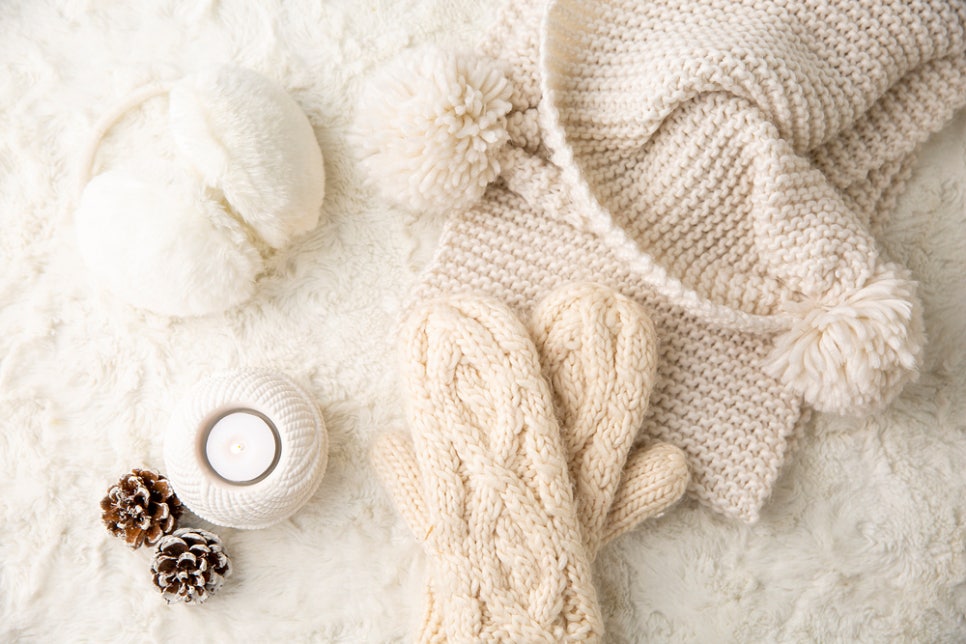
It is also important to keep the body warm. When going out, you should wear several layers of clothing and use gloves and a scarf.
Maintaining an appropriate indoor temperature is also important, and avoiding alcohol intake before winter outdoor activities or exercise helps prevent symptoms.
We have looked at the causes of hypothermia, its symptoms, and prevention methods. Please refer to the information above and manage symptoms accordingly.