What Problems Can Occur
When Intraocular Pressure Is High, and How Can It Be Managed?
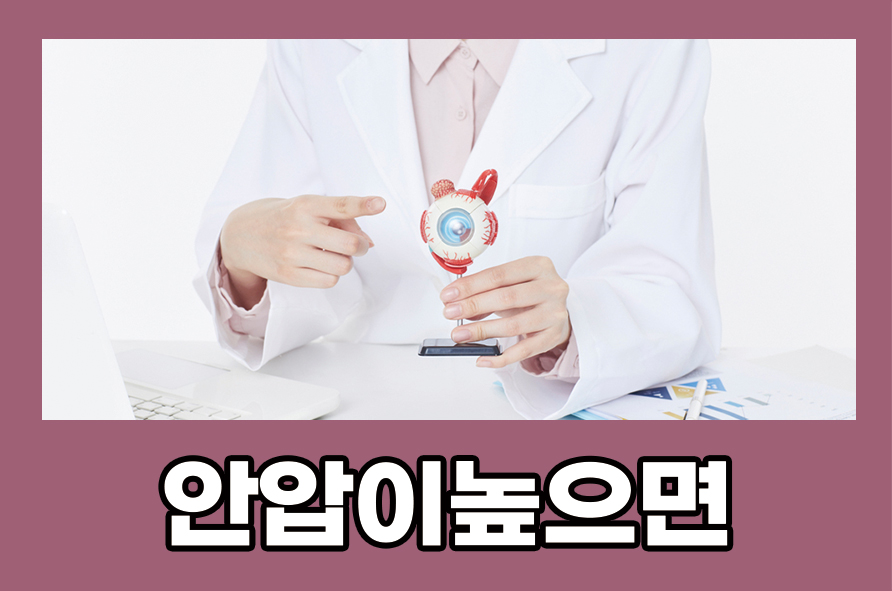
Our eyes play the role of allowing us to see other objects, and when problems occur in the eyeball due to various causes, discomfort can arise.
In particular, if you are under a lot of stress or overworked, your eyes may feel dry and warm, which can be symptoms that occur when intraocular pressure rises.
Today, along with the reasons why intraocular pressure rises, we will look at the symptoms that can occur when intraocular pressure is high and how to lower intraocular pressure.
The constant internal pressure that helps maintain the shape of the eyeball is called intraocular pressure, and it is regulated by the aqueous humor in the space between the cornea and the iris, and between the iris and the lens.
To maintain the shape of the eyeball, proper pressure must be maintained inside it, and if intraocular pressure is too low or too high, various problems can occur.
If, for various reasons, more than a certain amount of aqueous humor is produced or circulation becomes abnormal, intraocular pressure can increase.
Intraocular pressure can rise when you are under a lot of stress, and if blood pressure rises due to stress, intraocular pressure can also increase.
In addition, conditions such as diabetes or high blood pressure can raise intraocular pressure, and certain medications can also cause it to increase.
Strenuous exercise is also a cause of increased intraocular pressure, and using electronic devices for long periods in a dark place can also raise it.
When intraocular pressure rises due to these various causes, you may feel a heavy sensation in the eyes along with a feeling of a foreign body.
Also, when intraocular pressure is high, you may feel as if your vision has worsened, and you may easily feel fatigued and uncomfortable.
In addition, if the increase in intraocular pressure is severe, symptoms such as headache or vomiting may occur, and there is a possibility of glaucoma developing due to damage to the optic nerve.

Glaucoma refers to a disease in which the optic nerve is damaged due to a sudden rise in intraocular pressure beyond the normal range, causing symptoms such as changes in the visual field.
Because an increase in intraocular pressure can cause various problems like this, it is important to maintain eye health through regular care.
To lower intraocular pressure, it is good to make time for your eyes to rest, and you should relieve eye fatigue through eye massage.
Also, since stress and overwork are among the factors that raise intraocular pressure, managing stress through hobbies and other activities can be helpful.
Strenuous exercise can increase intraocular pressure, but light aerobic exercise helps maintain normal intraocular pressure, so it is good to do aerobic exercise consistently.
We looked at the causes of increased intraocular pressure, the symptoms that can occur when intraocular pressure is high, and how to manage intraocular pressure. Please refer to the information above.