Plantar Fasciitis with a Burning Sensation on the Sole
What Are the Causes and How Can It Be Improved?
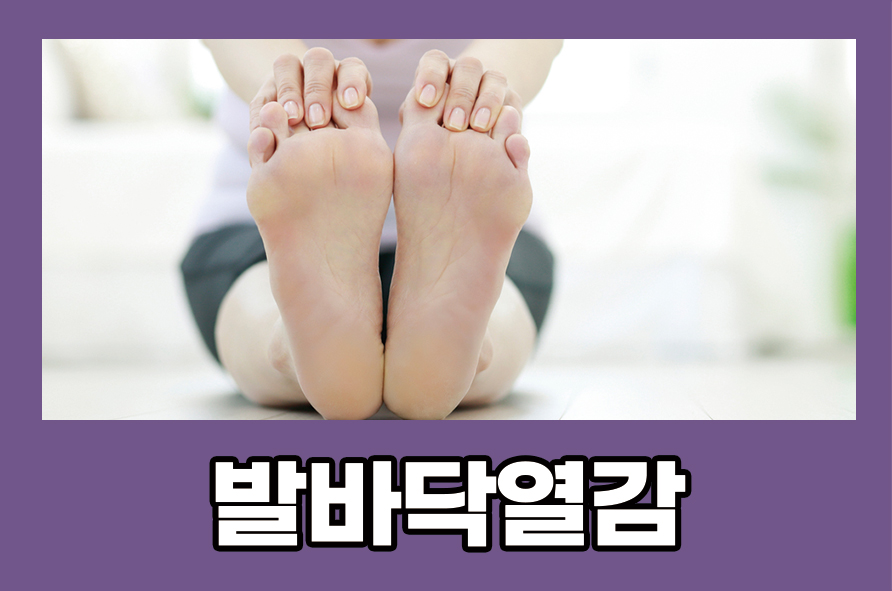
Our feet are one of the most heavily used parts of the body,
so because they are used so often, they can be easily injured or damaged.
Sometimes you may feel a sharp, tingling pain inside the foot or
experience a burning sensation in the foot, and this may be due to plantar fasciitis.
Today, let’s look at the causes of plantar fasciitis, which can trigger a burning sensation on the sole,
along with the symptoms that may accompany it and ways to prevent them.

When you feel a sharp pain inside the foot, you may think it is temporary,
but as days go by, the pain can worsen and reduce your quality of life.
This may be due to plantar fasciitis. The plantar fascia is a tough fibrous band
that starts from the heel bone, surrounds the muscles of the sole, and helps maintain the arch of the foot.
It supports the body and absorbs shock, and when this plantar fascia is strained,
inflammation and pain occur; this is called plantar fasciitis.

When plantar fasciitis develops, pain may begin on the inner side of the heel and spread
to the middle of the foot and the entire sole along the inner side of the foot.
Pain appears at the moment you take your first step in the morning,
and you may feel a sharp, electric-like pain in the sole of the foot.
This happens because body weight is placed on the foot muscles that were contracted during sleep,
which stimulates the plantar fascia. Pain can also appear when standing still.

In severe cases, a burning sensation on the sole may also be felt, and as you keep walking,
the pain may gradually lessen. There are various causes of plantar fasciitis.
First, wearing shoes with low heels can lead to this symptom,
because the soles are thin and hard, so impact is transmitted directly to the feet and fatigue builds up.
Plantar fasciitis can also occur if you frequently wear high heels,
because body weight is concentrated on specific parts of the sole, which can strain the feet.

Excessive exercise can also cause plantar fasciitis,
and being overweight can increase the likelihood of symptoms by putting strain on the heel.
As such, plantar fasciitis can develop for various reasons and is accompanied by several symptoms,
so it is important to make efforts to improve symptoms in daily life.
First, when it comes to shoes, it is best to avoid wearing shoes with heels that are too low or too high,
and to wear comfortable shoes that do not strain the feet.

Also, if you usually have pain in the sole of your foot, it is best to avoid activities that can strain the sole,
such as soccer or marathon running, and it is important to stretch regularly.
In addition, it is good to relieve foot fatigue and stress through foot baths or massage,
and to maintain a healthy weight through consistent exercise.
Today, we looked at the causes and symptoms of plantar fasciitis, which can cause a burning sensation on the sole,
as well as ways to improve and prevent the symptoms. I hope this was helpful.