What Are the Causes of Arrhythmia,
the Associated Symptoms, and How Can It Be Prevented?
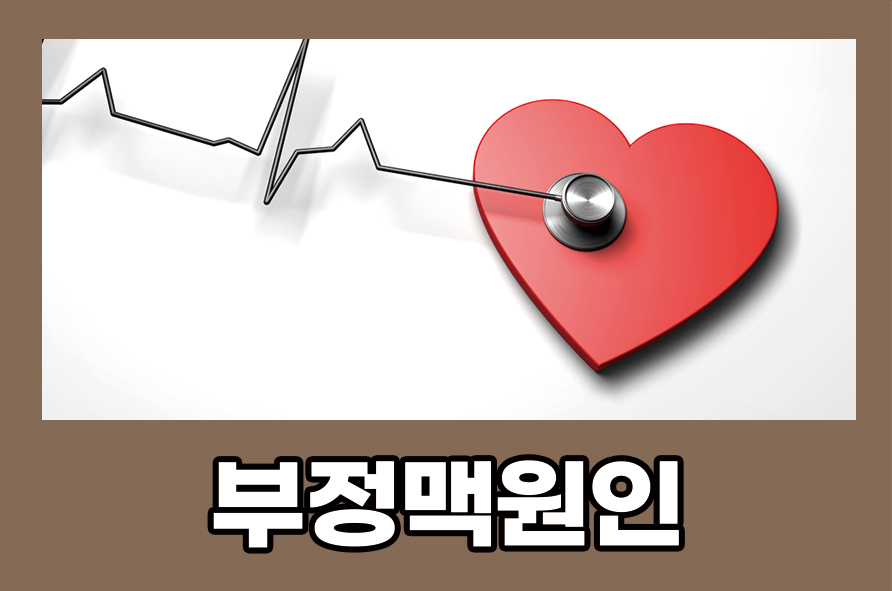
When we give a presentation in front of other people and feel nervous
or anxious, our heart can start to pound heavily.
However, if you feel a tightness in your chest and notice your heart
beating faster for no apparent reason, you may want to suspect arrhythmia.
Today, let’s look at what causes arrhythmia, what symptoms may occur,
and how to improve and prevent those symptoms.

Our heart acts as a pump that supplies blood to the entire body,
and it generates electrical signals on its own. When these electrical
stimuli are transmitted to the heart muscle cells, they cause contraction.
However, when a problem occurs in this process—that is, when the heart’s
electrical generation is abnormal or there is a problem with signal transmission—
it is called arrhythmia.
In arrhythmia, the heartbeat may become abnormally fast,
slow, or irregular. A normal pulse is usually considered to be
60 to 100 beats per minute.
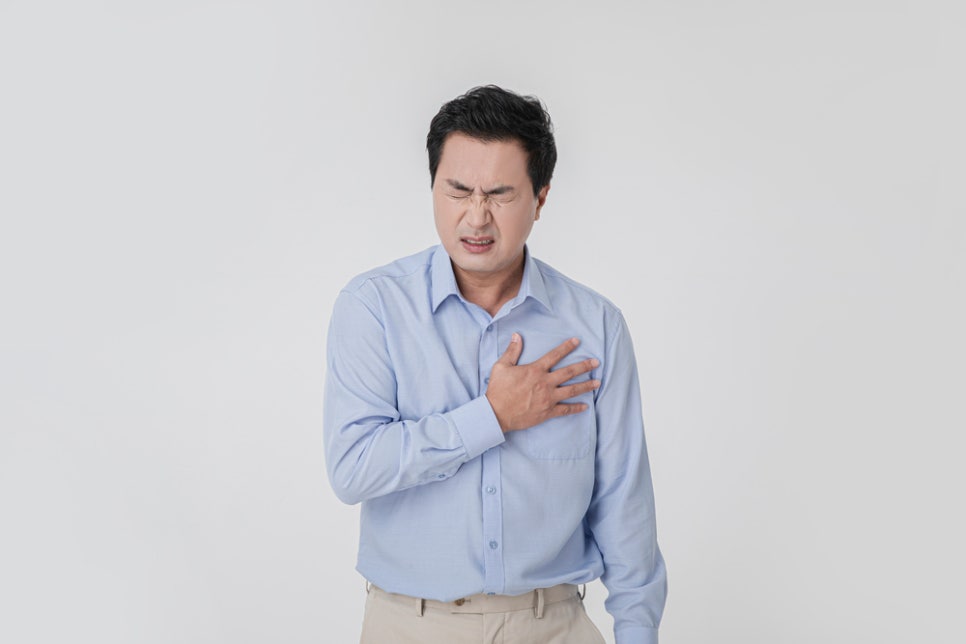
However, if it falls below this standard to 50 beats or fewer,
or beats faster at over 100 beats per minute, it can be considered
arrhythmia.
There are various factors that affect arrhythmia, and it can usually occur
when abnormalities arise in the generation and transmission of the heart’s
electrical signals.
Causes of arrhythmia can include heart disease or other heart conditions,
and hyperthyroidism and stress can also be causes.

In addition, as the risk of cardiovascular disease has increased due to changes
such as a Western-style diet, frequent drinking, and stress, the occurrence
of arrhythmia has also been increasing.
Arrhythmia can be classified according to the mechanism of occurrence,
the location of occurrence, and the pulse rate, and the symptoms can vary
depending on the type and duration.
Usually, people are not very aware of their heartbeat, but they may suddenly
feel their heart beating quickly, as if they had been running.
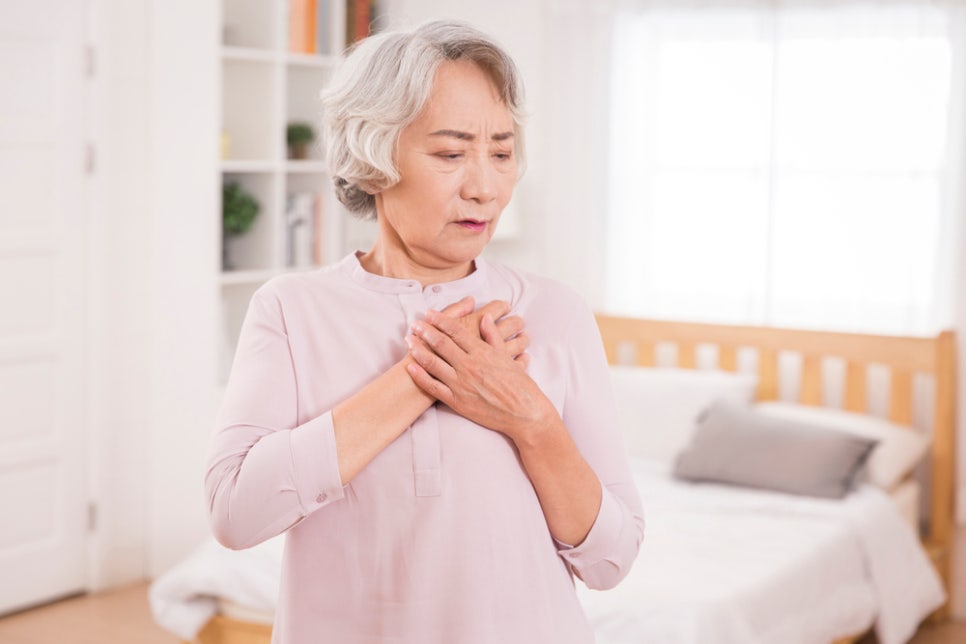
This is called palpitations, a representative symptom of arrhythmia,
and it may feel as though the heart is beating strongly, as when you are
very startled or tense.
Also, if arrhythmia appears briefly or premature contractions occur,
causing the heart to beat earlier than expected, you may feel that
your pulse is momentarily irregular.
In some cases, people may complain of chest pain or a sudden feeling
that it has become difficult to breathe.

To manage arrhythmia, it is important to improve your lifestyle through
regular exercise for the prevention of heart disease and by correcting
your eating habits.
In particular, alcohol, caffeine, and stress can trigger arrhythmia, so it is
best to avoid them. It is also a good idea to manage stress by getting
sufficient rest in daily life.
We have looked at the causes of arrhythmia, the symptoms that may occur,
and how to prevent those symptoms. Please refer to the information above
and manage your symptoms accordingly.