What Are the Causes of Salivary Gland Hypertrophy,
and How Can Its Symptoms Be Improved and Prevented?
There may be people who worry because they have a lot of fat under the chin,
and even if they diet, the fat under the chin may not go away
as easily as it does in other areas.
If only the fat under the chin does not seem to disappear, it can be stressful,
and you may wonder if you need to lose even more weight.
However, this may not be simple chin fat, but rather salivary gland hypertrophy.
Today, let’s look at what this condition is, along with its causes,
possible accompanying symptoms, and how the symptoms can be improved
and prevented.
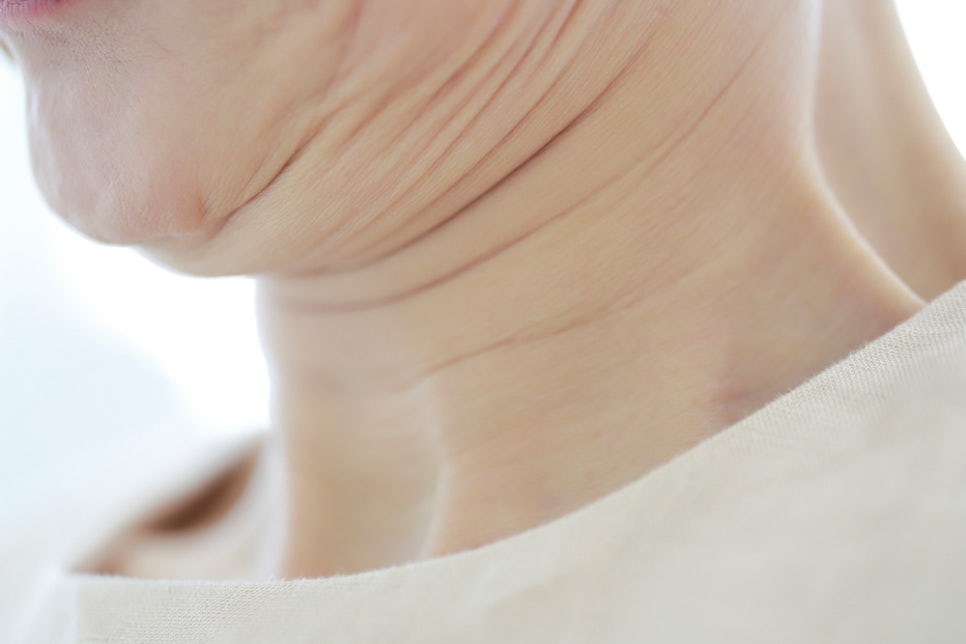
If your face, especially the fat under your chin, does not go away even when you diet,
you may want to suspect salivary gland hypertrophy rather than a weight issue.
This condition means that the salivary glands are stimulated for some reason,
and because saliva does not drain smoothly, they swell or become larger than usual
and feel firm to the touch.
Our salivary glands can be broadly divided into major salivary glands and minor salivary glands.
The major salivary glands include three glands: the parotid gland,
the sublingual gland, and the submandibular gland.
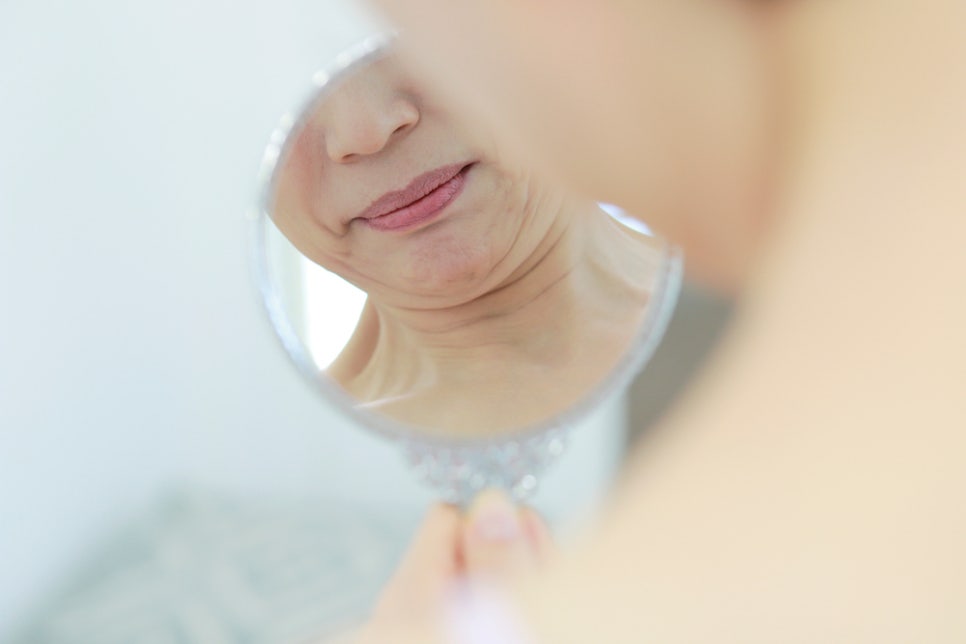
The minor salivary glands are the small glands distributed in the lips and oral mucosa.
If these glands become larger and firmer than usual, abnormal enlargement may be suspected.
Many cases are caused by eating habits.
A habit of overeating, or a habit of enjoying hard foods or spicy foods,
can also trigger this condition.
Hard foods or spicy foods can excessively stimulate the salivary glands and cause them to enlarge,
and even a habit of vomiting while brushing your teeth can make the salivary glands enlarge.
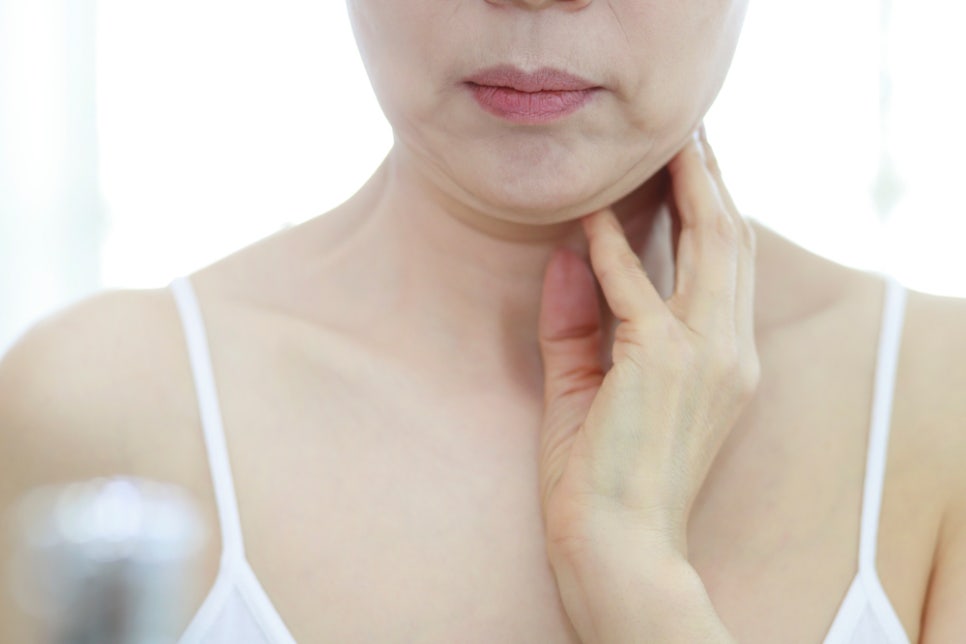
In this condition, symptoms can appear differently depending on which area swells.
The parotid gland is a large salivary gland located below the ear.
If the parotid gland is stimulated, swelling may appear over a wide area
from in front of the ear to below it, and if the submandibular gland is affected,
both sides of the neck may appear enlarged.
Also, if the salivary glands do not function properly, saliva can accumulate in the glands,
causing lumps and swelling.

In addition, the mouth may become dry, leading to symptoms such as dry mouth,
bad breath, or a white coating on the tongue.
If there is inflammation caused by infection, pain and swelling of the salivary glands may occur.
Not only can these symptoms appear, but the face may also look larger
or appear like a double chin or a square jaw, which can cause appearance-related stress.
If the symptoms are due to muscle tension, they may be improved with massage or warm compresses,
and salivary gland Botox may also help treat the symptoms.
To help prevent salivary gland hypertrophy in daily life, it is good to improve eating habits.
It is best to avoid binge eating and to refrain from eating spicy foods, among other things.
It is also advisable to avoid chewing gum or candy for long periods,
and correcting the habit of vomiting while brushing your teeth can also help prevent symptoms.
Today, we looked at the causes of salivary gland hypertrophy,
possible accompanying symptoms, and ways to prevent the symptoms.
Please refer to this information.