What Symptoms Can Occur When a Herniated Disc in the Lower Back Ruptures,
and How Can It Be Prevented?
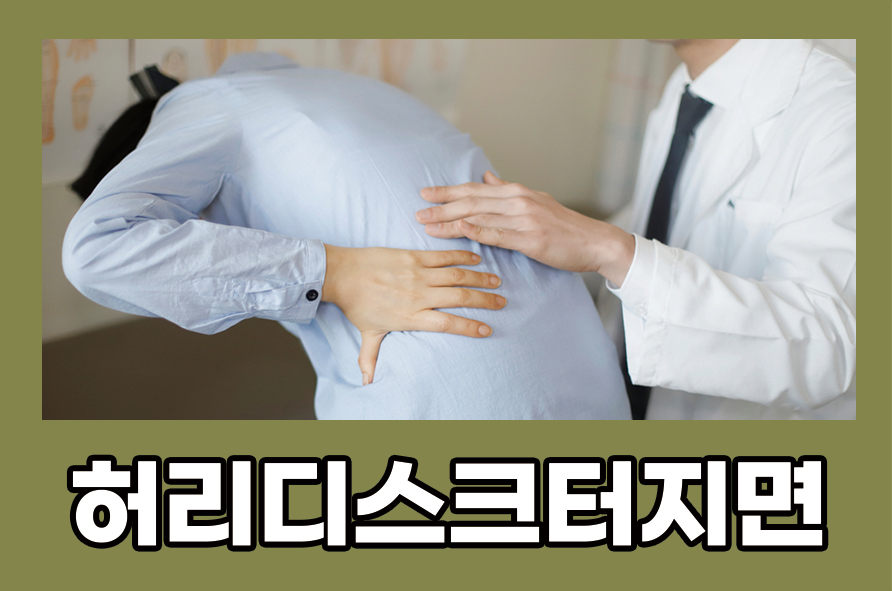
A sudden, severe pain may be felt in the lower back,
and you might think it is simply a lumbar strain, but it could
be a ruptured disc.
A herniated disc in the lower back, which many modern people
experience, is one of the representative spinal disorders and
can occur across a wide range of ages, from young adults to
the elderly.
When a herniated disc in the lower back occurs, not only back
pain but also various other symptoms may appear, causing
great inconvenience in daily life.

Today, let’s look at what symptoms can occur when a herniated
disc in the lower back ruptures, and how to prevent those
symptoms.
A herniated disc in the lower back is a condition in which the
disc located between the spinal bones slips out and presses
on the nerves, and symptoms can appear due to a variety of
causes.
The disc absorbs external impact on the body and helps prevent
the bones from colliding with each other, but when pressure is
applied to the spine due to poor posture or aging, the
intervertebral disc may be unable to withstand the pressure and
slip out.
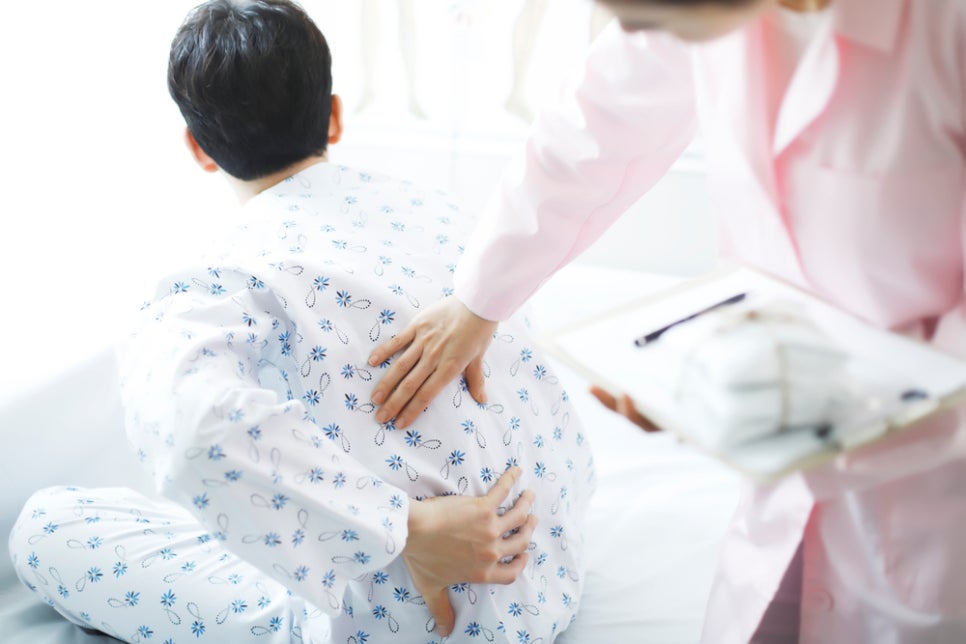
Recently, many young people are also experiencing this
condition due to causes such as spending long hours working or
studying in poor posture, repeated use of the lower back, or
strenuous exercise.
When a herniated disc in the lower back ruptures, various
symptoms may occur, including back and lower back pain, pain
in the lower back and legs, and nerve compression in the lower
back.
First, a 대표적인 symptom is a persistent sharp, tingling pain in
the lower back when a herniated disc ruptures, and the pain may
extend from the lower back to the lower body.
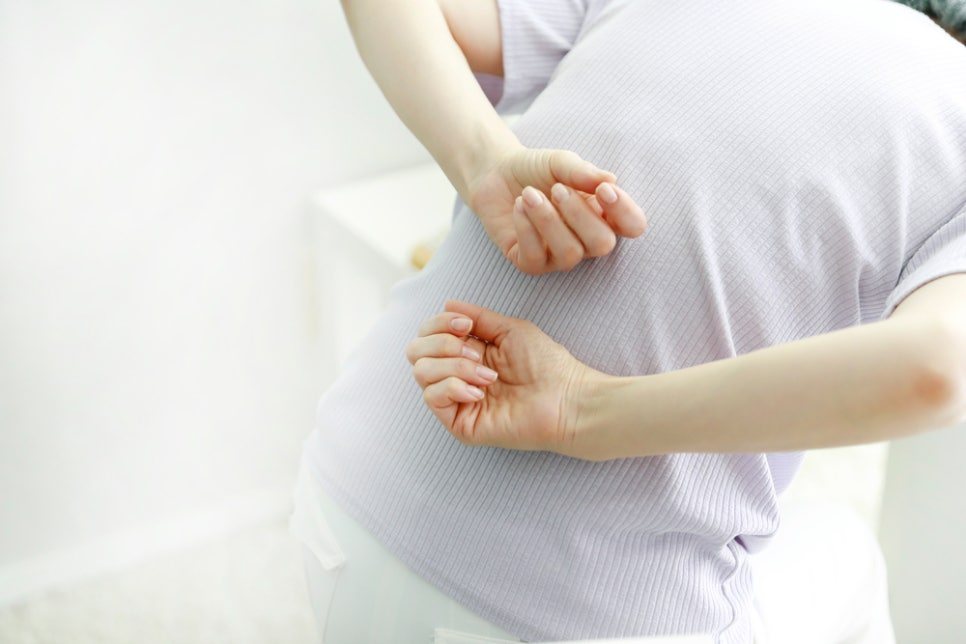
In addition, symptoms such as weakness in the lower body and
toes may appear, and there can also be feelings of numbness
and pulling.
Moreover, pain may become severe when bending forward or
sitting, and due to the pain, it may become difficult to sit for a
long time or lie flat.
Pain may occur when walking on tiptoe or walking on the heels,
and sneezing or moving the lower back may make the pain even
worse.
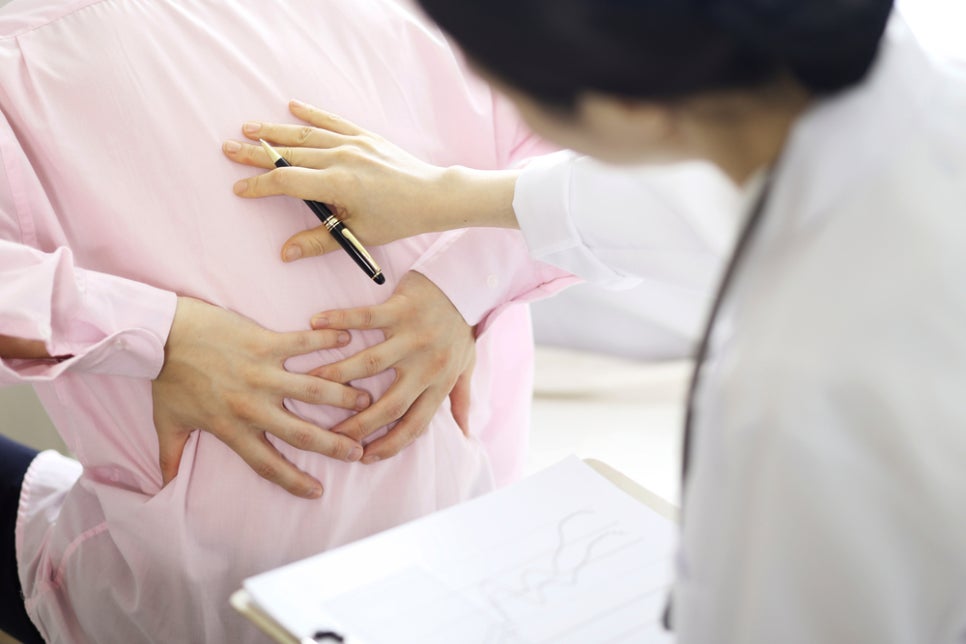
If a herniated disc in the lower back is left untreated,
it can lead to paralysis of the lower body or problems with
bowel and bladder function, so caution is needed.
Therefore, if symptoms occur or a herniated disc is suspected,
it is important to get examined and receive appropriate
early treatment.
A herniated disc in the lower back can improve through
non-surgical treatment in the early stages, so if symptoms
continue to appear, it is best to receive treatment quickly.

It is also good to make efforts to prevent symptoms in daily
life. It is recommended to correct postures and habits that can
affect the spine, such as crossing your legs or slouching.
It is also good to do exercises that strengthen the lower back.
Strengthening muscles through regular exercise such as walking,
swimming, or Pilates can help prevent symptoms.
Today, we looked at what symptoms can occur when a herniated
disc in the lower back ruptures, along with how to prevent those
symptoms. Please refer to the information above.