What Causes Altitude Sickness
How to Respond to It and How to Prevent It
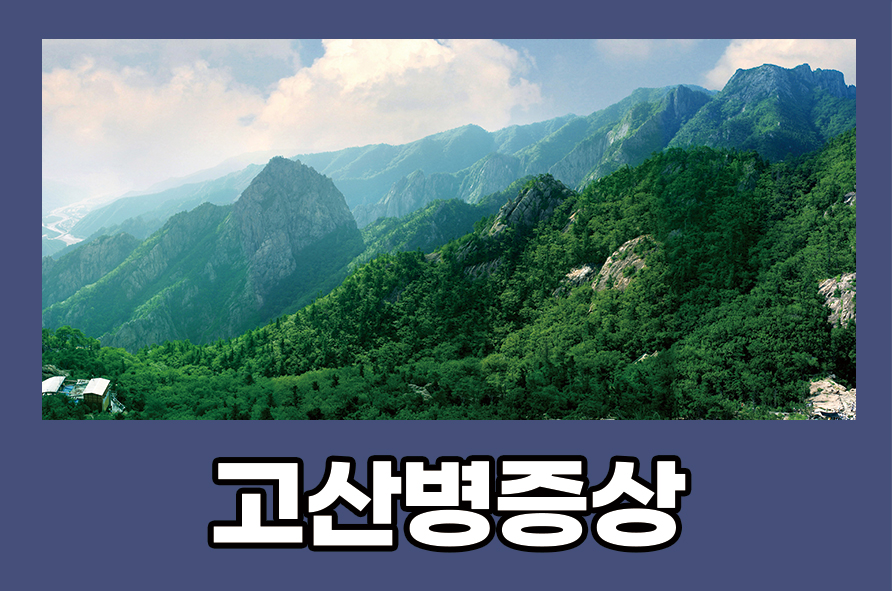
As more people travel or go on business trips to various overseas destinations, altitude sickness is no longer a condition that applies only to hikers.
If you are planning to travel overseas to the Alps, the Himalayas, or South America, it is a good idea to be careful about altitude sickness and take steps to prevent it.
Today, we will look at what causes altitude sickness, its symptoms, and how to respond to and prevent those symptoms.
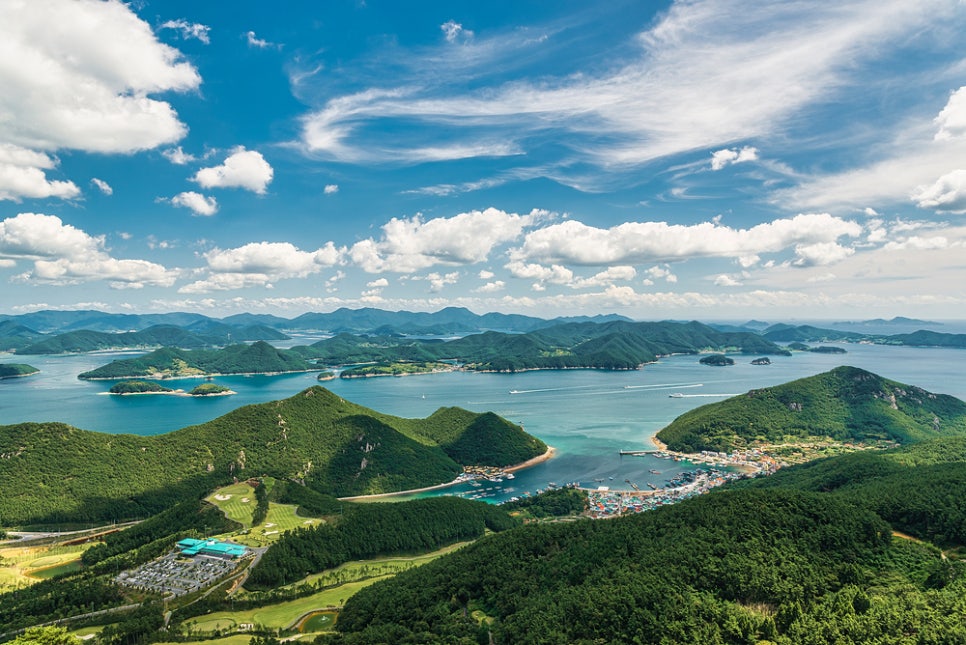
Many people may plan hiking for health management, but if you experience shortness of breath and dizziness when going from a lower area to a higher one, it could be altitude sickness.
Altitude sickness is a condition that occurs when oxygen becomes insufficient at high altitudes, and it can usually appear at elevations above 2,400 m above sea level.
In the case of altitude sickness, about 22% of people may experience it at elevations of 2,000 m to 2,500 m above sea level, and about 42% at 3,000 m above sea level.
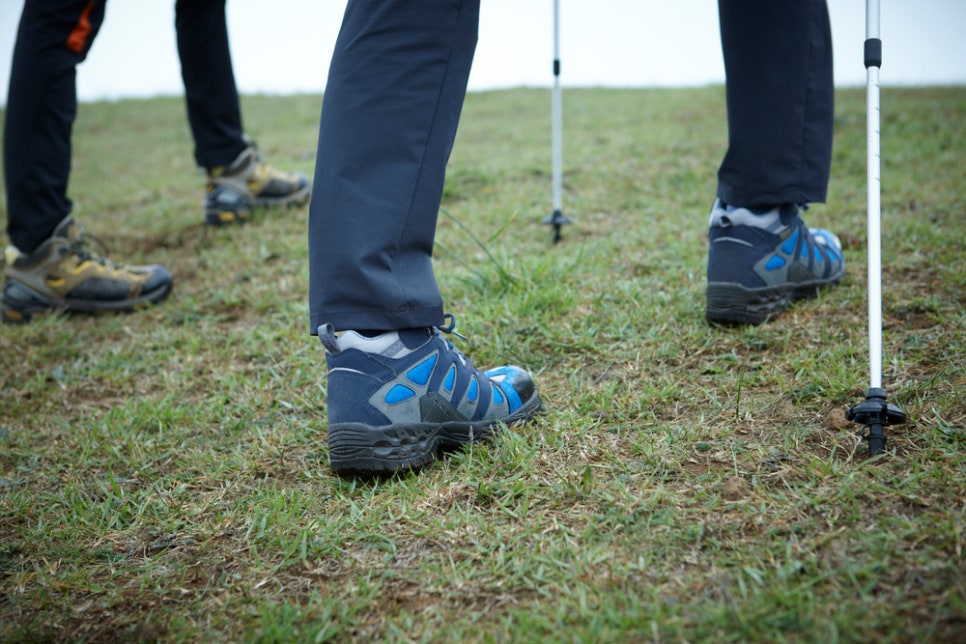
At high altitudes, the air contains less oxygen, so hypoxia occurs in the tissues in the blood. At this time, the body breathes more to compensate for the lack of oxygen.
Along with compensating for the lack of oxygen, it makes the blood circulate faster and expands the blood vessels in the lungs and brain so that more blood can flow.
When you go to a high altitude, the body continues these reactions, but because each person’s ability to adapt is different, symptoms can vary even in the same place.

The symptoms of altitude sickness may include headache and nausea as oxygen becomes insufficient and the blood’s oxygen delivery function declines, and loss of appetite may appear.
In addition, dizziness and shortness of breath may occur, urine output may decrease, and in some cases people may experience altitude sickness symptoms such as fainting.
Usually, these symptoms occur within 6 to 12 hours and tend to improve on their own, but in rare cases, cerebral edema and pulmonary edema can occur and lead to death.
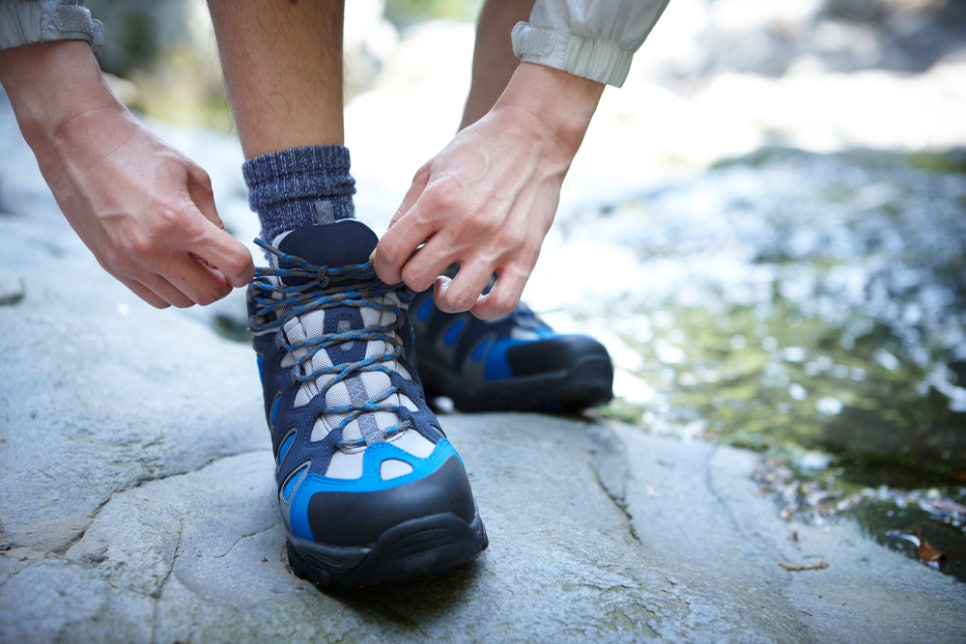
If altitude sickness occurs, the first step in responding to the symptoms is to immediately move to a lower altitude and get plenty of rest.
Also, if the symptoms do not improve over time or become worse, visiting a medical facility and receiving treatment may help improve the symptoms.
Because altitude sickness can happen to anyone, it is also important to know prevention methods in advance. To help prevent symptoms, you should wear clothing that does not constrict your body when hiking.
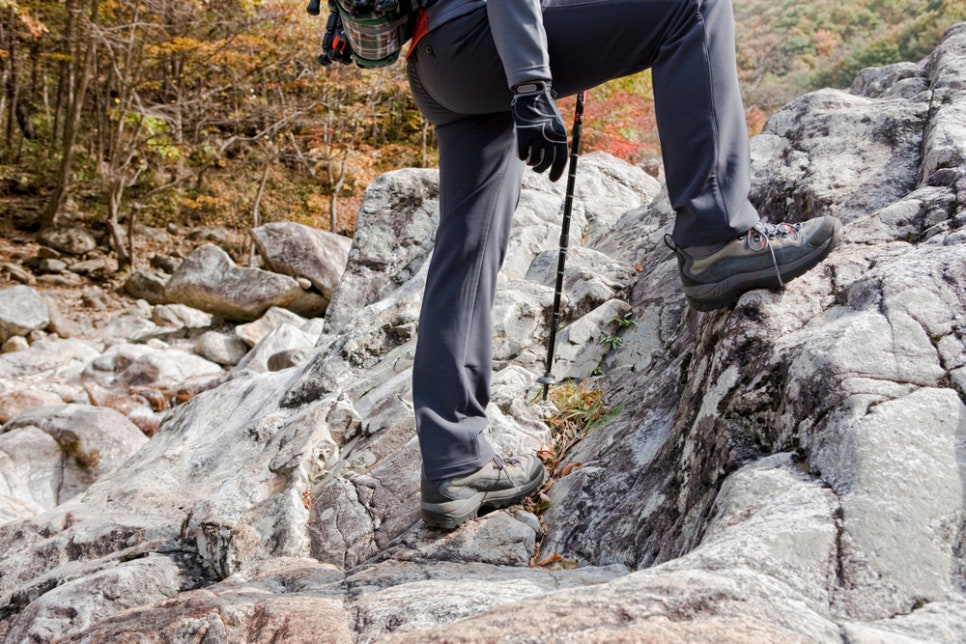
It is also best to avoid carrying overly heavy loads, and when hiking, you should not ascend too quickly. It is better to climb slowly so that your body can adapt to the altitude.
In addition, if you are hiking in a high-altitude area, you should avoid drinking alcohol and smoking, and avoiding strenuous exercise at high altitude can also help prevent symptoms.
Today, we looked at the symptoms of altitude sickness, as well as its causes, how to respond to symptoms, and how to prevent them. Please refer to the information above.