Benefits of saltwater gargling and
how to do it and the proper gargling method
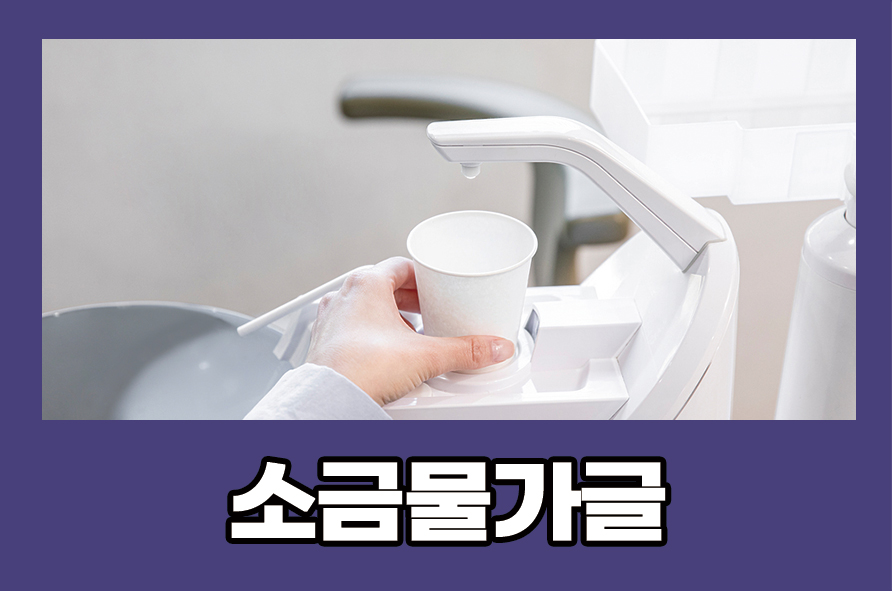
Since our teeth play various roles in life,
it is important to take careful hygiene measures
to prevent cavities and oral diseases.
For oral hygiene, brushing thoroughly is
important, but using floss or mouthwash can also
be helpful.
Sometimes people gargle with salt water to keep
the mouth clean. Today, let’s look at what benefits
gargling with salt water may offer, how to do it,
and the proper gargling method.
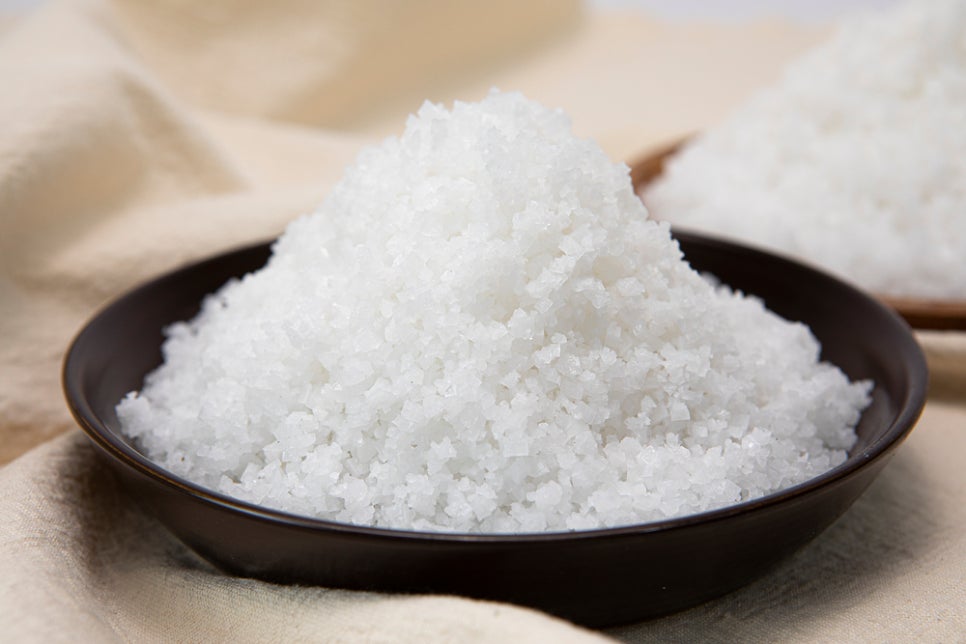
When you gargle with salt water, its anti-inflammatory
action provides a sterilizing effect, which may help
eliminate bacteria left in the mouth and reduce gum
inflammation.
In addition, it disinfects bacteria and germs remaining
in the throat, which may also help remove fine dust and
alleviate cough and nasal congestion symptoms caused by
a cold.
When gargling with salt water, lightly keep the salt
water in your mouth so that it reaches the inflamed area
inside the throat, then spit it out.
Because you may swallow a small amount of salt water
while gargling, doing it about once or twice a day is
appropriate, and it is also good to control the
concentration.
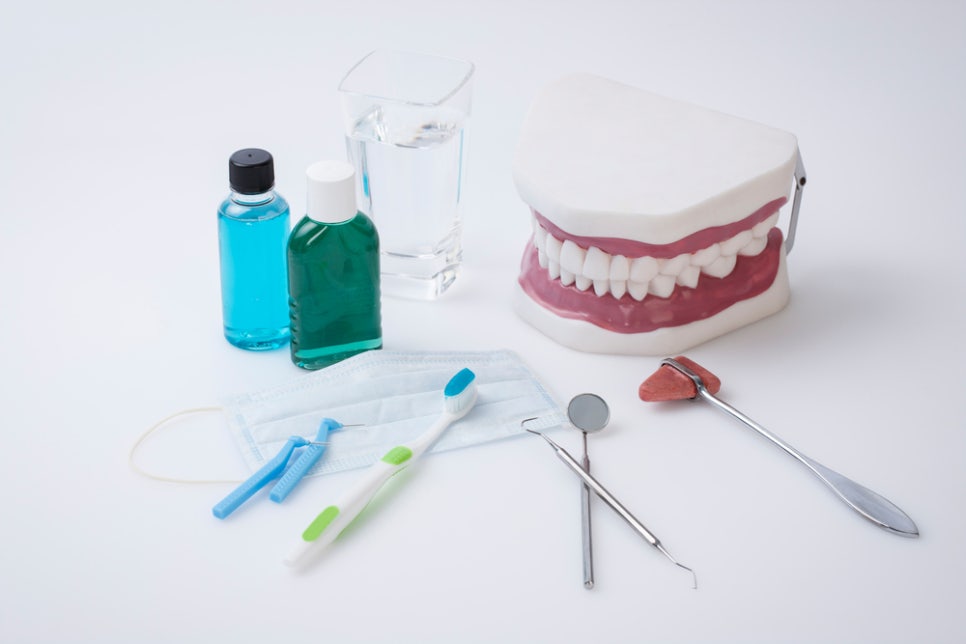
When using salt water for gargling, it is best to use fine
salt that dissolves well in water, dissolve it thoroughly in
warm water, and then use it.
If the salt concentration is too high or if the salt contains
seasonings, it may irritate the oral mucosa and worsen
inflammation, so caution is needed.
However, if you have mouth ulcers, salt water may be
irritating, so you should avoid it. For managing mouth
ulcers, it is better to brush with a low-foaming toothpaste.
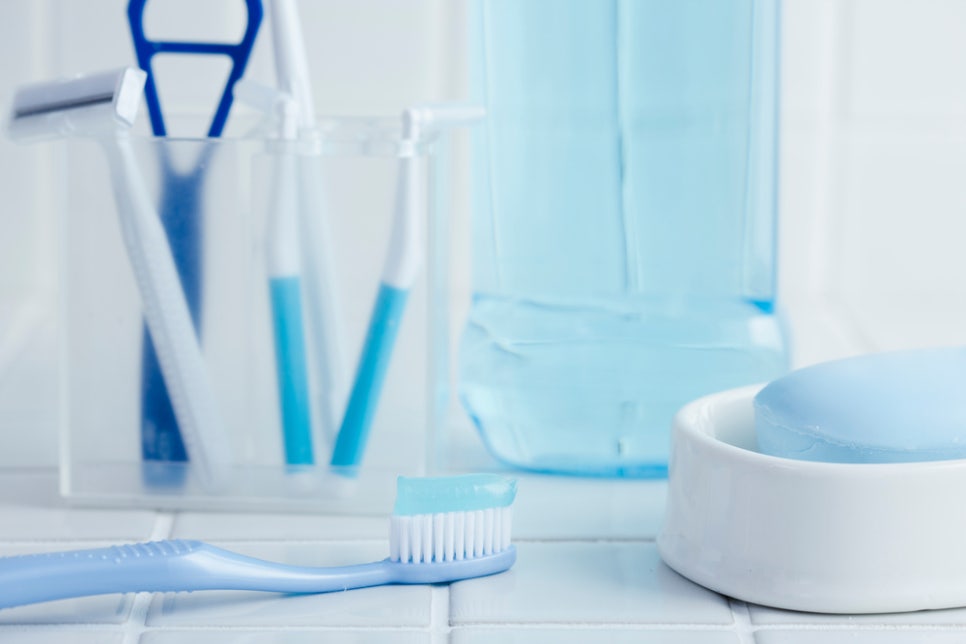
It is also important to be familiar with the proper way to
use mouthwash. After using mouthwash, people often rinse
their mouths with water.
Ordinary commercial mouthwash contains disinfecting and
antibacterial ingredients, so it needs about 30 minutes to
work properly.
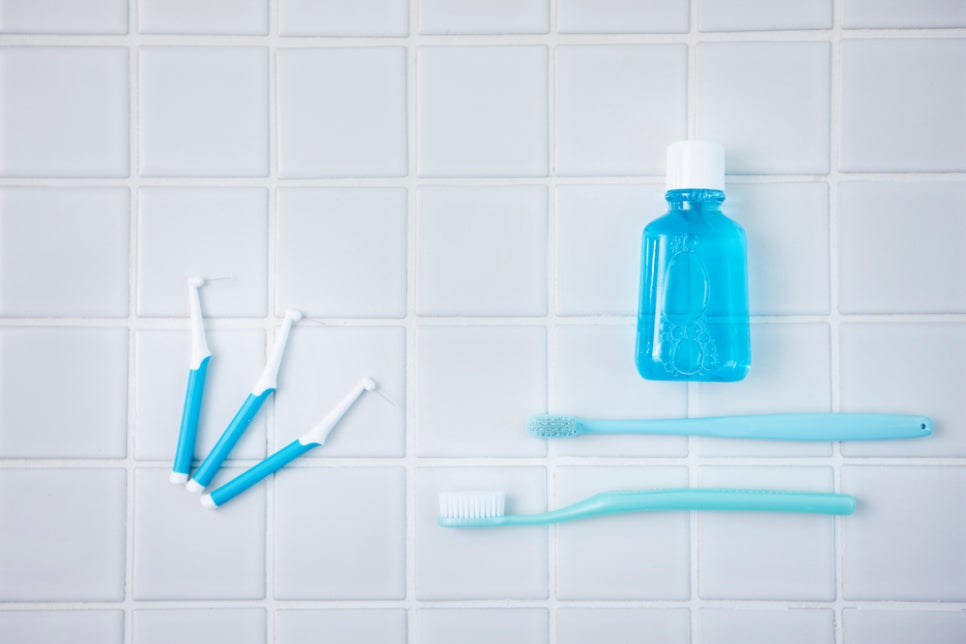
Therefore, it is better not to rinse with water after using
mouthwash. However, if you are 65 or older or are taking
medication for high blood pressure, it is better to rinse
your mouth after using mouthwash.
This is because aging or medication ingredients can dry out
the inside of the mouth, making dry mouth worse or causing
pain.
Some people also use mouthwash immediately after brushing,
but if you use it right after brushing, tooth discoloration
may occur, so it is better to wait 30 minutes after brushing.

Also, it is best to use mouthwash no more than twice a day,
and the proper amount is only a small amount, about 10–15
ml.
In addition, you should not gargle for too long; less than
30 seconds is appropriate, and if there are wounds inside
the mouth, it is better to avoid using it.
Today, we looked at the benefits of saltwater gargling,
how to do it, and the proper gargling method. Please refer
to the information above and take care of your oral hygiene.