Causes of Pre-Menstrual Nipple Pain and
How to Relieve Symptoms and Prevent It
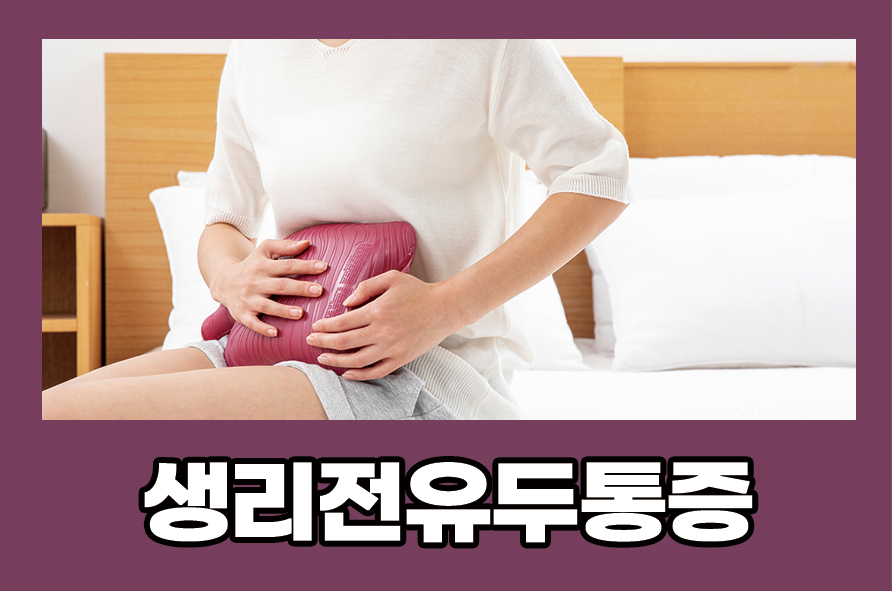
The endometrium of women of reproductive age is periodically proliferated by secreted hormones, preparing for embryo implantation.
If pregnancy does not occur, the endometrium naturally sheds. This phenomenon is called menstruation, and when menstruation occurs, various symptoms such as menstrual cramps can appear.
Various symptoms can also appear before menstruation, so let’s look at what is included in premenstrual syndrome, such as pre-menstrual nipple pain, and how to relieve symptoms.

Many women experience premenstrual syndrome before their period once a month, and various symptoms can appear starting 7 to 10 days before menstruation begins.
Premenstrual syndrome refers to physical and psychological symptoms that are severe enough to interfere with daily life before menstruation. Symptoms such as abdominal and chest pain, or increased irritability, may occur.
One common symptom of premenstrual syndrome is breast tenderness, in which the breasts feel sore or swollen, causing pain between the nipples and the armpits.
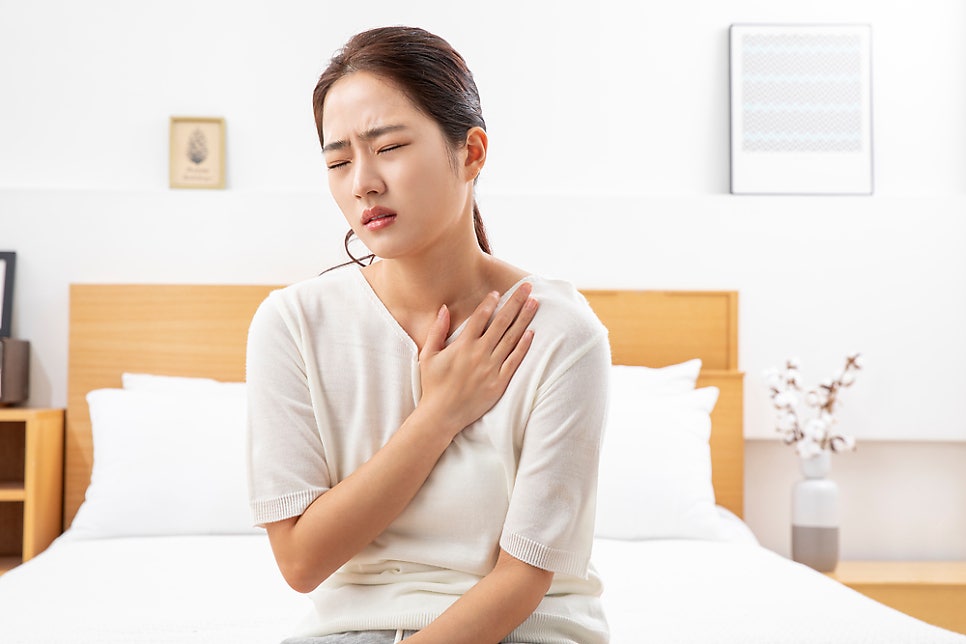
In the case of pre-menstrual nipple pain, it can appear in various ways such as a stinging sensation, tightness, or throbbing pain, and in severe cases, you may feel breast pain just from walking.
The exact cause of breast tenderness before menstruation has not been clearly identified, but it is believed that female hormones are responsible for the symptom.
Before menstruation, a large amount of luteal hormone is secreted, which strongly stimulates the mammary glands. As a result, the blood vessels inside the mammary glands may expand or the glandular tissue may stretch, making the breasts feel firm and swollen.
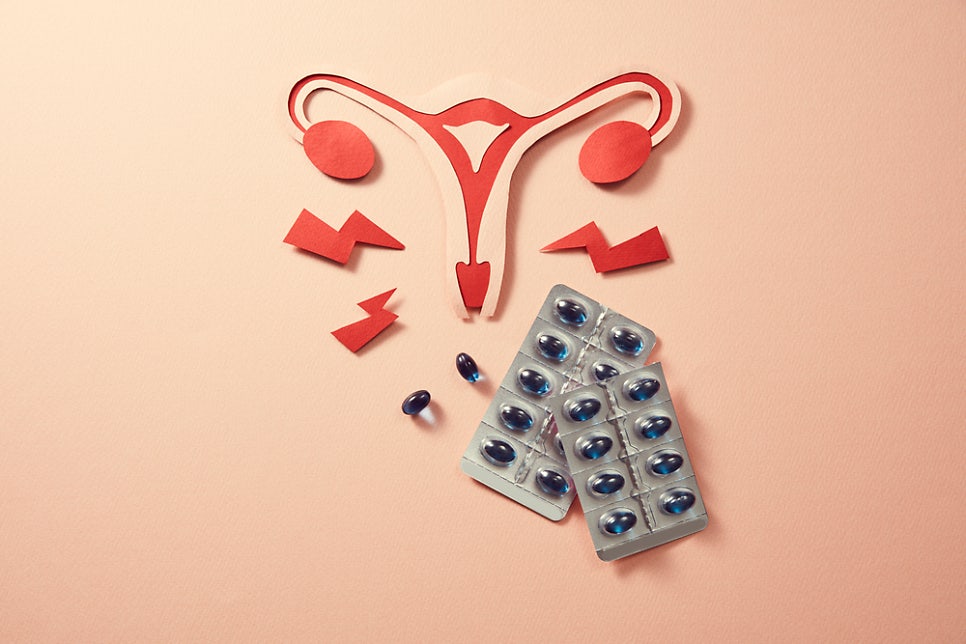
In addition to pre-menstrual nipple pain, constipation may worsen, or you may feel bloated in the lower abdomen and like your digestion is not working well.
Migraines may also occur, and swelling in the hands or feet can develop. Along with these physical symptoms, psychological symptoms may also accompany them.
You may feel depressed for no reason, experience emotional instability, become more irritable, and feel anxious in a way that is different from usual.

As such, premenstrual syndrome can appear with various symptoms and may cause inconvenience in daily life, so it is important to know how to relieve the symptoms.
It is good to eat enough vegetables and fruits to help prevent constipation, and avoiding salty, sweet, and irritating foods is helpful for symptom management.
Also, if you usually smoke, it is better to quit smoking and avoid stress. Regular exercise or meditation may also help improve symptoms.
In addition, for symptom management, it is good to consume fish, pork, and other foods containing vitamin B6, or beans and mixed grains containing magnesium.
If the symptoms are too severe, it is advisable to visit a hospital for an examination for treatment, and to receive an appropriate prescription.
Today, we looked at what is included in premenstrual syndrome, such as pre-menstrual nipple pain, along with ways to relieve and manage symptoms. Please use this information as a reference.