Tennis Elbow Symptoms: Causes and
Treatment and Prevention
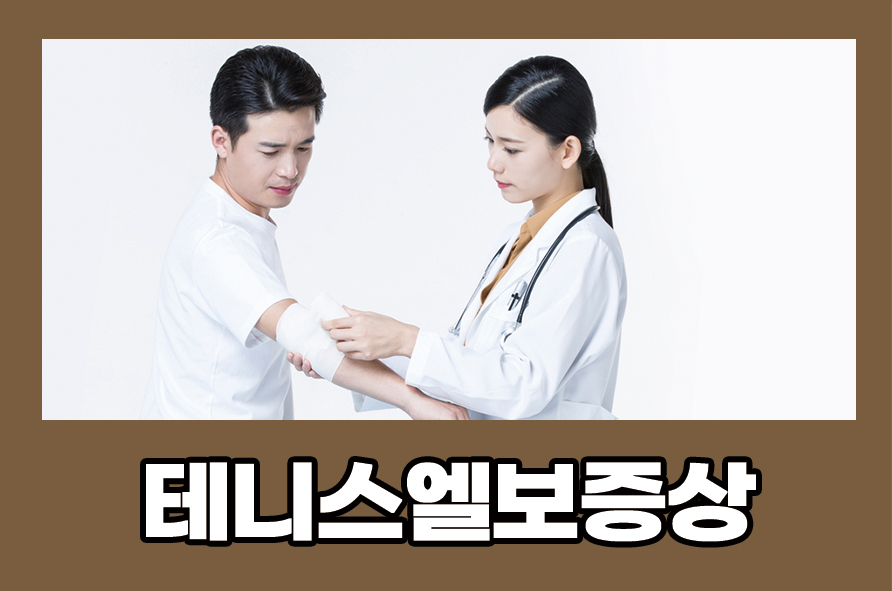
You may have experienced discomfort from pain around the elbow while using a vacuum cleaner, washing dishes, or wringing out a dishcloth.
If you feel pain in the elbow area like this, you may suspect epicondylitis, which can be broadly divided into golfer's elbow and tennis elbow.
Today, let's look at what symptoms tennis elbow can cause, along with the causes of those symptoms and how to treat and prevent them.
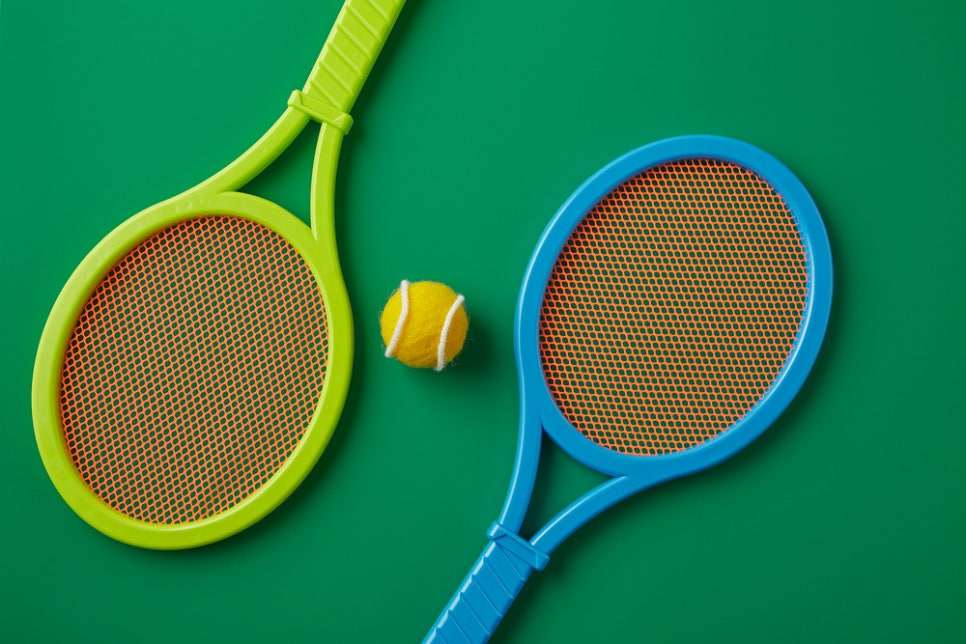
Just hearing the name tennis elbow may make it seem like a condition that appears in people who play tennis often, but it can occur regardless of whether you play tennis.
In many cases, tennis elbow occurs due to excessive, repetitive use of the elbow or direct trauma.
It was named tennis elbow because damage occurs when the muscles on the outside of the elbow are strained excessively while taking a backhand position in tennis.
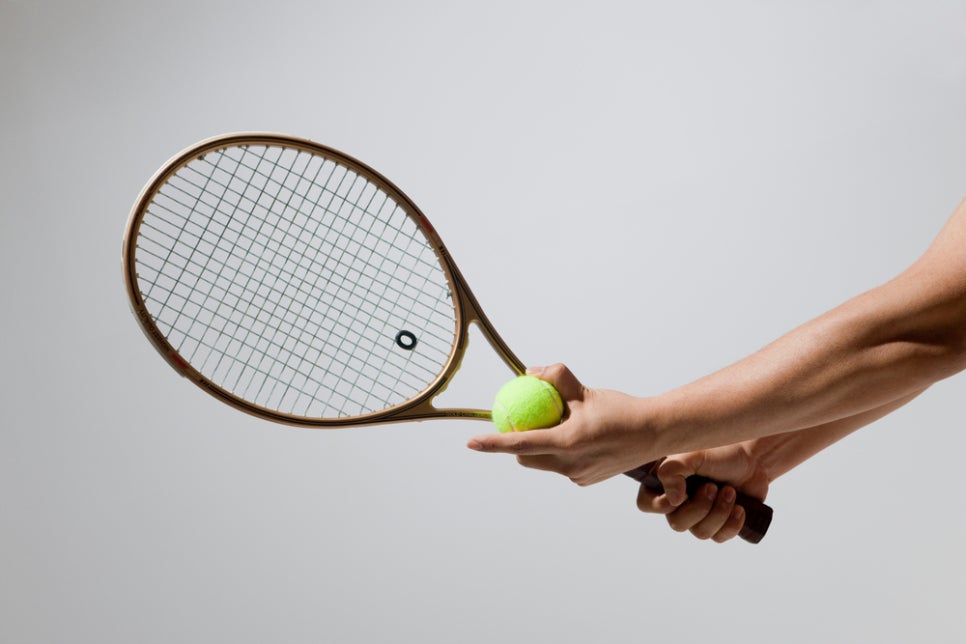
Tennis elbow symptoms occur when movements that repeatedly bend the wrist backward toward the back of the hand are performed, and it is one of the more common conditions that occur in the elbow.
As causes of the symptoms, first, overusing the hand and wrist repeatedly, or exercising the elbow without enough warm-up, can lead to it.
In particular, it can easily occur when you use your wrist a lot, enjoy racket sports such as tennis, or use a computer mouse or keyboard for long periods.

Among conditions that cause elbow pain, there is also golfer's elbow, which causes symptoms on the inside of the elbow and is called medial epicondylitis.
Golfer's elbow mainly occurs when movements that bend the wrist toward the palm are repeated, and it may be accompanied by numbness in the fingers and wrist.
Tennis elbow symptoms may include numbness and pain on the outside of the elbow, as well as weakness in the arm.

In addition, the symptoms may worsen when making movements that bend the wrist upward, and radiating pain may occur from the outside of the elbow to the wrist.
If the symptoms of tennis elbow are not severe, reducing elbow use, doing stretches, and applying warm compresses may help improve the symptoms.
If the pain persists, active treatment is needed, and pain relievers may be taken while combining injection therapy and extracorporeal shock wave therapy.

It is also important to make efforts to prevent symptoms in everyday life, and it is best to avoid lifting heavy objects using only the elbow or wrist.
Also, you should stretch before exercising as part of your routine, and if you use a keyboard or mouse for a long time, taking enough breaks during work helps prevent symptoms.
Today, we looked at what tennis elbow symptoms are, their causes, and how to treat and prevent them. Please refer to the above information and take care of your health.