What Are the Types and
Symptoms of Heat-Related Illness Prevention?

During the hot summer season, heat-related illnesses require caution,
and if the hot weather continues, it is important to know about the
types of heat-related illnesses that can threaten your health.
In particular, if you work or exercise outdoors during the hot summer
months, or if you are older, you may be affected by heat-related
illnesses, so caution is needed.
Today, let’s look one by one at the types and symptoms of heat-related
illnesses, along with how to prevent them.

Heat-related illness refers to an acute illness caused by heat.
When staying in a hot environment for a long time, symptoms such as
headache, dizziness, and muscle cramps may appear.
There are various types of heat-related illness. First, heat stroke
refers to a condition in which body temperature rapidly rises to 40°C
or higher, causing symptoms such as vomiting and convulsions.
It is usually characterized by high fever, impaired consciousness,
dry, hot skin due to lack of sweating, and it can lead to loss of
consciousness in severe cases, so caution is advised.

In the case of heat exhaustion, it means that the body becomes
deficient in fluids or electrolytes due to excessive fluid loss.
Symptoms of heat exhaustion may include heavy sweating, headache,
dizziness, and extreme fatigue.
Heat cramps refer to cramps in the muscles of the arms and legs, and
cramps may occur not only in the arms and legs but also in the shoulders,
abdomen, fingers, and other areas.

Heat syncope is a symptom of feeling dizzy or temporarily losing
consciousness, and heat edema refers to swelling of the hands, feet,
and ankles.
In the case of heat-related illness, if the symptoms are severe, they
can be life-threatening, so if symptoms occur, it is important to
respond quickly.
In particular, in the case of heat stroke, body temperature can rise
rapidly to over 40°C, which may cause organ failure in major organs
such as the brain and heart.

Therefore, if heat stroke occurs, it is important to lower the body
temperature as quickly as possible and to visit a medical institution
for appropriate treatment.
It is also important to make efforts to prevent heat-related illness in
daily life. If early symptoms such as dizziness or headache appear,
work should be stopped immediately and rest should be taken.
It is also a good idea to check weather information every day, and if a
heat advisory or warning is issued, reducing outdoor activities during
afternoon hours can help prevent symptoms.
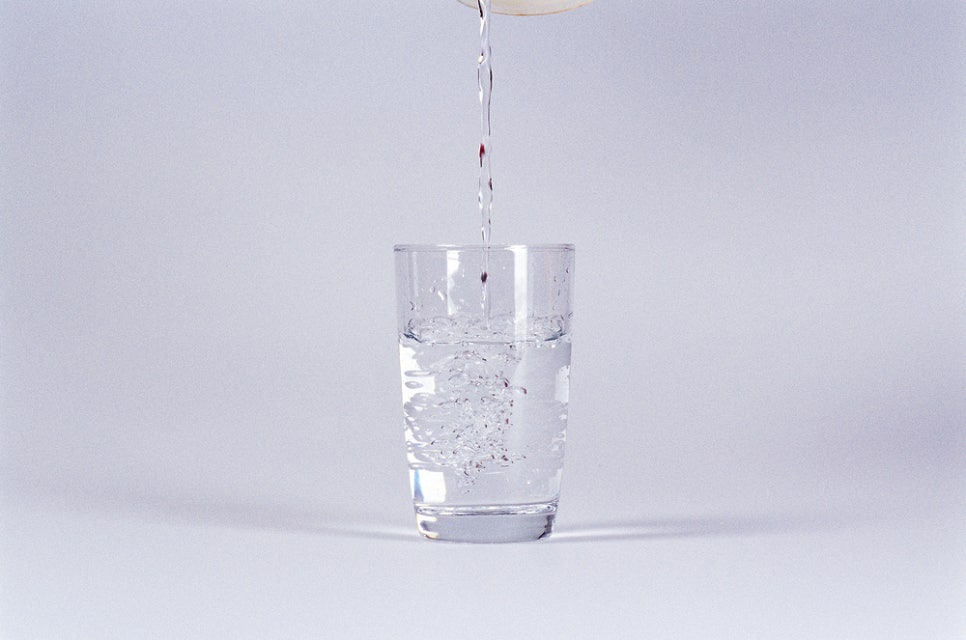
If you need to be outdoors, it is good to drink plenty of water at all
times, and wearing a wide-brimmed hat can help prevent heat-related
illness.
If there is a person nearby who is suspected of having a heat-related
illness, it is important to help them get enough rest and fluids.
Today, we looked at the types and symptoms of heat-related illnesses,
as well as how to prevent them. Please refer to the information above.