Check the Causes and
Symptoms and How to Prevent It

In spring and summer, people often go out for outings,
and when food packed for the outing is eaten outdoors,
stomach upset can sometimes occur.
If food that has been left at room temperature for a long time
is consumed, there is a chance of food poisoning, so in summer
it is best to be careful about what you eat.
Today, we will look at the causes of food poisoning,
the symptoms that may accompany it, and food poisoning treatment and
prevention methods.
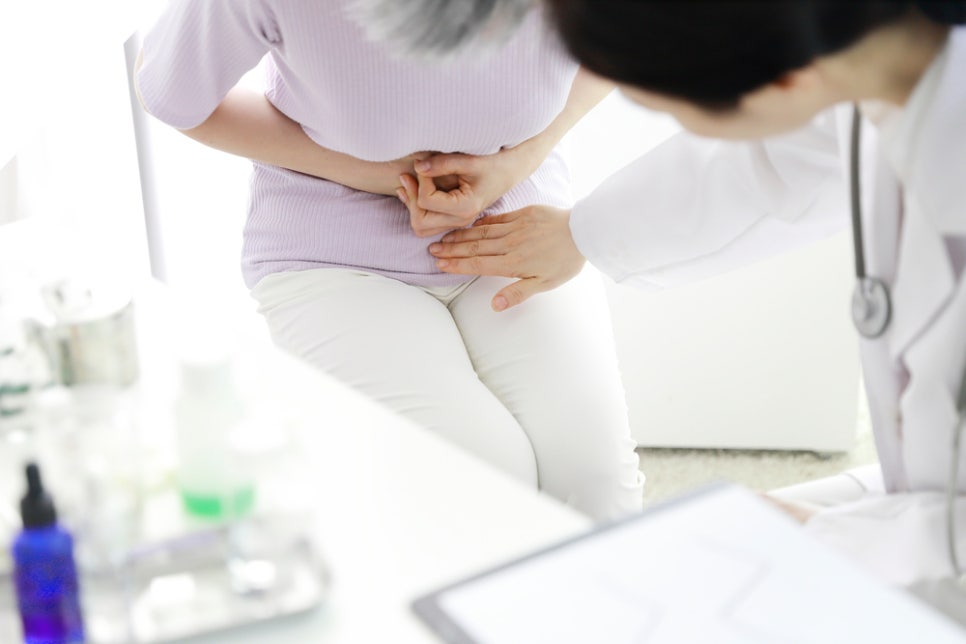
Food poisoning refers to a condition in which an infection
occurs in the digestive system from consuming food, causing
symptoms such as diarrhea and abdominal pain.
The causes of food poisoning are varied and include spoiled food, toxins
present in food, infection from animal feces, and infection
due to poor hand hygiene.
Food poisoning can be especially common in summer, and the high-temperature,
humid weather, increased activity of insects, and bacterial growth in ingredients
can lead to these symptoms.

Symptoms of food poisoning can vary depending on the cause,
but common symptoms include diarrhea, and vomiting or abdominal pain may
also occur, along with fever or dehydration.
If food poisoning is caused by Staphylococcus aureus,
symptoms such as vomiting, diarrhea, and abdominal pain may occur
30 minutes to 8 hours after eating.
If food poisoning occurs due to contaminated seafood,
severe vomiting may occur 12 to 24 hours later,
and symptoms such as diarrhea and abdominal pain may appear.

If the cause of food poisoning is Salmonella, symptoms such as
abdominal pain, diarrhea, and fever may occur. If the cause is
pathogenic Escherichia coli, bloody diarrhea, vomiting, and abdominal pain
may occur.
As such, when food poisoning occurs, various symptoms can appear
depending on the cause, so it is important to be careful in daily life
to prevent symptoms from occurring.
In the case of food poisoning treatment, fluids can be provided
to treat dehydration caused by diarrhea or vomiting through oral intake
or intravenous injection.

When treating food poisoning, the use of antiemetics or antidiarrheal
agents should be approached with caution, as they can worsen symptoms and
prognosis, so they should be selected and used according to the patient.
Food poisoning is a disease with low risk if the prevention methods are well understood,
so maintaining thorough hygiene in daily life helps prevent symptoms.
First, it is important to manage personal hand hygiene carefully.
Before and after cooking or using the restroom, and before eating food,
you must wash your hands with soap.
Also, food should be cooked thoroughly before eating,
and for cooking utensils, using separate tools for vegetables, meat,
and other foods helps prevent symptoms.
In addition, it is important to keep food at the proper storage temperature,
and for food prepared for outdoor activities, care should be taken in managing
food so that the storage time does not become too long.
Today, we looked at the causes of food poisoning,
its symptoms, and food poisoning treatment and prevention methods,
so please refer to this information.